Table of Contents
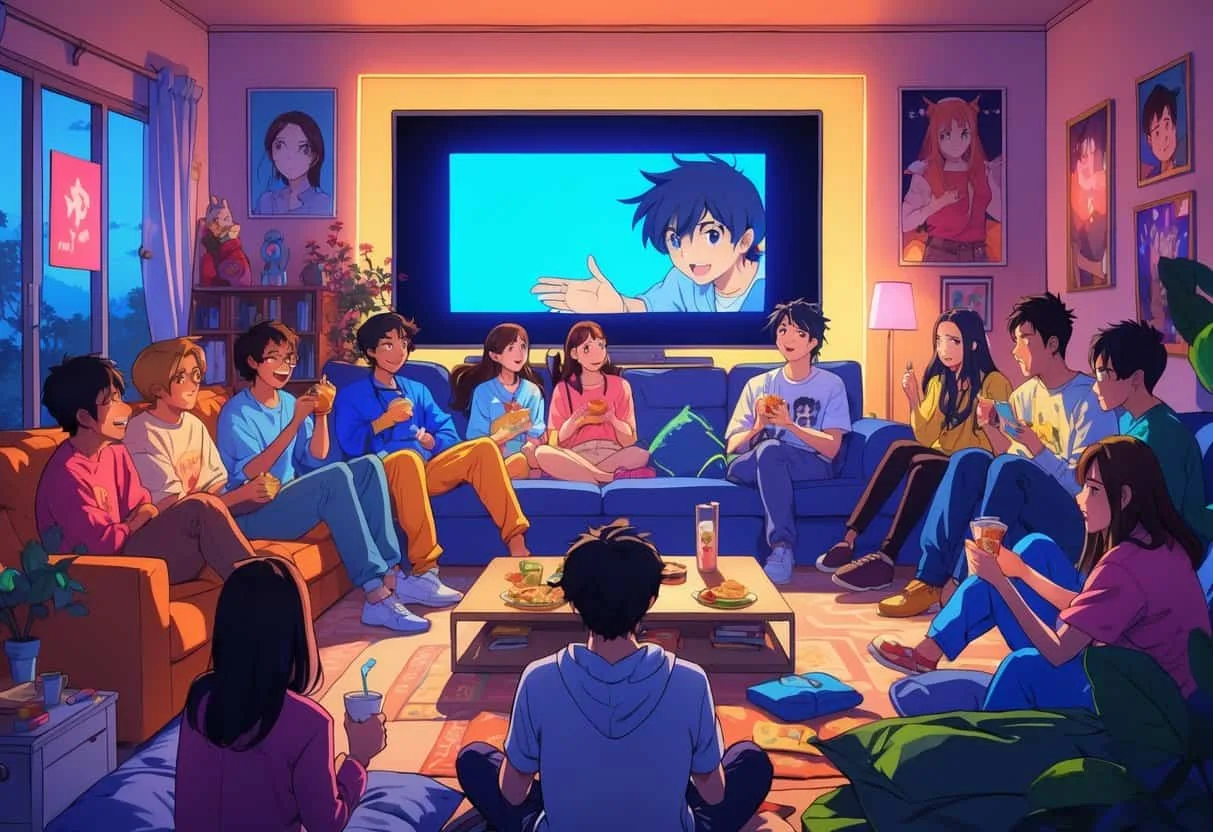
Anime watch parties have quietly reshaped how global audiences experience Japanese animation. What was once a niche pastime—gathering a few friends around a television set—has blossomed into a worldwide phenomenon powered by real-time streaming, interactive chat, and a shared emotional language that crosses borders effortlessly. Today’s online watch parties let fans sync up episodes and react together, no matter where they live, creating a powerful sense of belonging that transcends geographic limits. It’s no longer just about consuming content; it’s about participating in a live, collective moment. As streaming platforms and social tools evolve, these digital gatherings have become the backbone of modern anime fandom, driving conversation, discovery, and an ever-deepening engagement with the medium.
This shift is not only changing how we watch, but also how the anime industry grows, markets, and sustains itself in a crowded entertainment landscape.
The Evolution of Anime Watch Parties
The journey from living-room marathons to synchronized global streams reveals a fascinating transformation in fan culture. Early anime gatherings were defined by physical proximity: friends swapping VHS tapes or DVDs, meeting at conventions to watch rare imports, or crowding around a single screen at a local club. That face-to-face energy was special, but it remained limited to those who could be in the same room. Today, the majority of watch parties happen inside browser tabs and dedicated apps, inviting thousands of viewers into a shared experience that unfolds in real time.
From In-Person Meetups to Digital Synchronization
In the early 2000s, organized anime viewings often took place in university common rooms, comic shops, or fan-hosted house parties. These events were the heartbeat of local fandom, but they demanded scheduling, physical resources, and a certain density of nearby fans. The rise of broadband internet changed everything. Fans began streaming episodes independently, then flocked to forums to dissect them. Soon, enterprising communities started coordinating watch times on IRC channels and early instant messaging platforms.
That seed eventually grew into the polished, multimedia-rich experiences we see today on platforms like Discord and Twitch, where a host can stream a show (with proper licensing) or guide a group viewing while thousands chat alongside.
How Streaming Services Opened the Floodgates
The arrival of legitimately accessible, on-demand libraries was the true catalyst. Services such as Crunchyroll, Funimation (now part of Crunchyroll), and Netflix house massive catalogs spanning decades of anime. They removed the barriers of scarcity and geography. Suddenly, a new release could reach millions simultaneously. Many platforms began baking watch-party features directly into their interfaces—Netflix once promoted its Teleparty extension, while Crunchyroll integrated guest sessions.
These tools allowed a group of friends to press play at the exact same second, ensuring that reactions stayed in lockstep. What used to require technical tinkering became a one-click invite. This frictionless accessibility democratized the watch party, allowing casual viewers and hardcore otaku alike to host events without friction.
Technology That Keeps Everyone on the Same Frame
Behind the scenes, a handful of technical innovations make the modern anime watch party feel effortless. Video synchronization protocols ensure that a host pausing, skipping, or seeking instantly reflects on every participant’s screen, maintaining the integrity of the shared experience. Low-latency streaming, coupled with robust CDNs, delivers crisp 1080p or even 4K quality to global audiences. On the front end, integrated chat panels, emoji reactions, and voice channels turn passive viewing into a lively dialogue. Some platforms even offer picture-in-picture modes so you can see webcam feeds of fellow fans, recreating the in-room dynamic.
As bandwidth and codecs improve, these synchronized gatherings will only become more immersive.
How Online Anime Events Build Vibrant Communities
Watch parties are just one piece of a larger ecosystem of online anime events that cultivate deep, lasting connections. Virtual conventions, creator panels, cosplay showcases, and trivia nights all contribute to a year-round calendar of activities. These events transform solitary binge-watching into a social hobby, blurring the line between consumer and participant. The result is a resilient, interconnected fandom that generates its own culture and constantly welcomes newcomers.
Real-Time Chats and the Power of Instant Reaction
Nothing beats the electric moment when a plot twist sends a chatroom into all-caps chaos. Live discussion channels let fans dissect a character’s motivation the instant it appears on screen. Polls can gauge how viewers feel about a controversial story decision. Trivia bots quiz participants during commercial breaks, rewarding knowledge of deep lore. This interactivity elevates an ordinary episode into a communal event.
It also gives fans a voice, allowing them to shape the atmosphere of the gathering. For many, the real draw is not just the anime itself, but the shared emotional rollercoaster—the collective gasp, the laughter, the silence at a heartbreaking scene—that makes them feel anchored to a group.
Creator Collaborations and Influencer Power
Online anime events increasingly feature collaborations between everyday fans and recognized influencers. Popular cosplayers host live watch-alongs, offering commentary and behind-the-scenes insights into costume design. YouTubers known for episode breakdowns lead post-show discussions. Voice actors occasionally drop into streams, sharing anecdotes that add new layers to the show. These collaborations bridge the gap between the industry and its audience, making the production process feel transparent and human.
For fans, it’s a chance to interact with personalities they admire. For brands, it’s a potent marketing channel that drives merchandise sales and subscription sign-ups without feeling like a traditional ad.
Virtual Cosplay and Themed Activities Beyond the Screen
Cosplay has long been a pillar of anime convention culture, and online events have adapted it brilliantly. Virtual cosplay contests invite participants to submit photos or videos, which are then voted on by the community during a livestream. Themed activities—like anime trivia nights, karaoke sessions of beloved opening songs, or art challenges based on the week’s featured series—turn a passive watch session into an all-out celebration. These activities encourage fans to tap into their creativity and to present their own interpretations of favorite characters. They also level the playing field; a beautifully crafted costume can be appreciated from a living room as easily as from a convention hall floor, making fandom more inclusive for those who cannot travel to major events.
The Expanding Anime Audience and Its Cultural Footprint
Once dismissed as a niche subculture, anime has cemented itself in the mainstream entertainment diet of North America and beyond. The rise of online watch parties mirrors and fuels this growth. According to Morning Consult data, roughly one in six U.S. adults tunes into anime weekly. That number is even higher among Gen Z and Millennial demographics. With more eyes on the medium, the appetite for communal viewing experiences has ballooned, driving platforms to invest in better social features and encouraging more fans to host their own events.
From Niche to Norm: A Demographic Shift
The stereotype of the lone anime fan huddled in a dark room has given way to a diverse, vocal community. Women, in particular, have driven significant growth in shoujo, josei, and slice-of-life genres, while the global success of sports anime and series with nuanced LGBTQ+ representation has broadened the tent. Online watch parties cater to these varied tastes by offering specialized rooms: one night might be a nostalgia-tinged Sailor Moon marathon, the next a live-first viewing of the latest Jujutsu Kaisen episode. This segmentation allows fans to find their tribe easily, whether they’re into mecha, romance, or horror. The inclusivity of digital spaces has been key to turning casual watchers into active community members.
How Regional Sensibilities Shape the Experience
While the core experience of a watch party is universal, regional preferences add distinctive flavors. In Spanish-speaking Latin America, anime watch parties often feature enthusiastic live commentary and a strong tradition of fan dubbing. In Southeast Asia, mobile-first platforms like Bilibili host enormous virtual screenings that blend anime with local meme culture. North American events frequently lean on English-dubbed versions and may include segments discussing localization choices. These regional nuances enrich the global tapestry of fandom, creating a web of interconnected micro-communities that all feed back into the worldwide popularity of Japanese animation.
Streaming platforms now cater to this by offering multiple subtitle tracks and region-specific chat features.
How the Anime Industry Benefits from Digital Gatherings
The surge in online watch parties and community events has a measurable impact on the business side of anime. From surging merchandise sales to stronger international licensing deals, the collective energy of virtual fandom reverberates all the way back to Japanese production committees. Rather than being a side effect, these events have become a strategic component of how anime is marketed and monetized in the 21st century.
Merchandising, Licensing, and New Revenue Streams
When millions of fans rally around a simulcast watch party, the demand for related goods spikes almost immediately. Limited-edition figures, apparel collaborations like those with Uniqlo, and themed snacks sell out rapidly. Online events often act as launchpads for exclusive merchandise drops, with hosts promoting links in chat. Licensing partners have taken note, striking deals that bundle streaming rights with physical product lines. The data generated by watch party engagement—which scenes prompt the most emoji reactions, which characters dominate chat—can even influence which items get produced.
This feedback loop turns a social activity into a powerful engine of commercial growth, rewarding studios that actively engage with their online fanbases.
Direct Support for Studios, Creators, and Voice Talent
Every official stream or licensed watch party contributes royalties to the studios and creators behind beloved series. This financial pipeline ensures that animation studios—whether giants like Studio Ghibli or smaller indie houses—can sustain high production values and fair wages. Voice actors (seiyuu) also benefit from increased visibility; a standout performance highlighted during a watch party can boost their profile and lead to more roles or event invitations. Fans who purchase digital tickets for exclusive online Q&A sessions often generate revenue that goes directly back into the creative ecosystem. In an industry where profit margins can be razor-thin, this direct line of support is invaluable.
It encourages studios to continue taking creative risks, knowing that a dedicated digital audience awaits.
Exporting Japanese Culture on a Massive Scale
Anime watch parties act as cultural ambassadors, introducing global viewers to Japanese festivals, cuisine, historical references, and social customs embedded within the stories. A well-planned event might include a pre-show segment explaining the significance of a real-world shrine depicted in an episode, or a host sharing a recipe for a dish a character loves. This organic cultural exchange goes far deeper than a tourism advertisement. It builds genuine curiosity and appreciation, which in turn boosts tourism and interest in other aspects of Japanese pop culture, such as J-pop, video games, and literature. The worldwide success of films like Demon Slayer: Mugen Train and the enduring appeal of classics like Spirited Away can be partly traced to the groundswell of online community enthusiasm that keeps these titles in constant conversation.
Series That Spark the Biggest Global Watch Parties
Certain titles possess an almost magnetic pull for synchronized viewing. Their fast-paced narratives, cliffhanger endings, or beloved character arcs make them ideal for shared experiences. While any anime can be the focus of a watch party, a handful of series consistently dominate global schedules and shape the conventions of fandom interaction.
Blockbuster Hits and Enduring Classics
Shonen juggernauts like One Piece, Demon Slayer, Attack on Titan, and Jujutsu Kaisen are perpetual favorites. Their episode counts provide endless fodder for marathon events, while major story arcs become communal milestones. At the same time, classics like Cowboy Bebop and Neon Genesis Evangelion draw older fans and curious newcomers into retrospective watch-alongs. Even series with a quieter focus, such as Spy x Family and My Dress-Up Darling, generate huge chatter because they invite viewers to comment on character dynamics, humor, and heartwarming moments. The diversity of popular titles ensures that virtually any taste is served, and the watch party calendar stays full year-round.
Cross-Media Synergy: Games, Manga, and Music
Many blockbuster anime are part of larger media universes, and online events often celebrate that synergy. A Genshin Impact crossover with an anime series can spawn themed watch parties that combine gameplay and episode viewing. Manga readers eagerly jump into discussion of how an anime adaptation differs from the source material. Music-focused events might feature a live DJ set of anison remixes before the main screening. This cross-pollination enriches the experience, giving fans multiple entry points.
It also prolongs the lifespan of a franchise—a hit mobile game can sustain interest in the anime between seasons, while a compelling anime can drive sales of light novels or merchandise. The watch party serves as the central hub where all these threads converge.
Staying Legal While Building Community
One critical aspect of the modern watch party is navigating copyright and licensing. Official platforms now offer transparent ways to host synchronized viewing, eliminating the need for pirated streams. Crunchyroll and Netflix have built-in party features or integrate with authorized extensions. Using these legitimate paths protects creators and ensures that the anime industry continues to thrive. It also gives hosts peace of mind and a higher-quality streaming experience.
Many fan groups actively promote legal watching as a core value, linking to subscription services and encouraging members to support the official release. This shift toward legitimacy has only strengthened the community’s relationship with studios, as it demonstrates that fans are willing to pay for content when it is made conveniently available.
What Lies Ahead for Anime Fandom and Virtual Events
As technology advances, the line between physical and virtual anime gatherings will continue to blur. Virtual reality platforms like VRChat already host world-building events where fans can watch episodes inside digitally recreated anime locations. Augmented reality might one day overlay chat reactions onto your living room wall. Artificial intelligence could generate real-time subtitles and translations, making international watch parties seamless across dozens of languages. The core human need—to share joy, surprise, and sorrow—will always drive these innovations.
Anime watch parties and online community events have evolved from simple watch-alongs into intricate, multi-layered celebrations of Japanese art and storytelling. They support the industry financially, nurture fan creativity, and connect individuals who might otherwise never meet. As the global audience continues to expand, these digital gatherings will remain the beating heart of anime fandom, proving that even across oceans and time zones, the moment when your favorite character smiles or the climactic battle erupts is always better experienced together.