Table of Contents
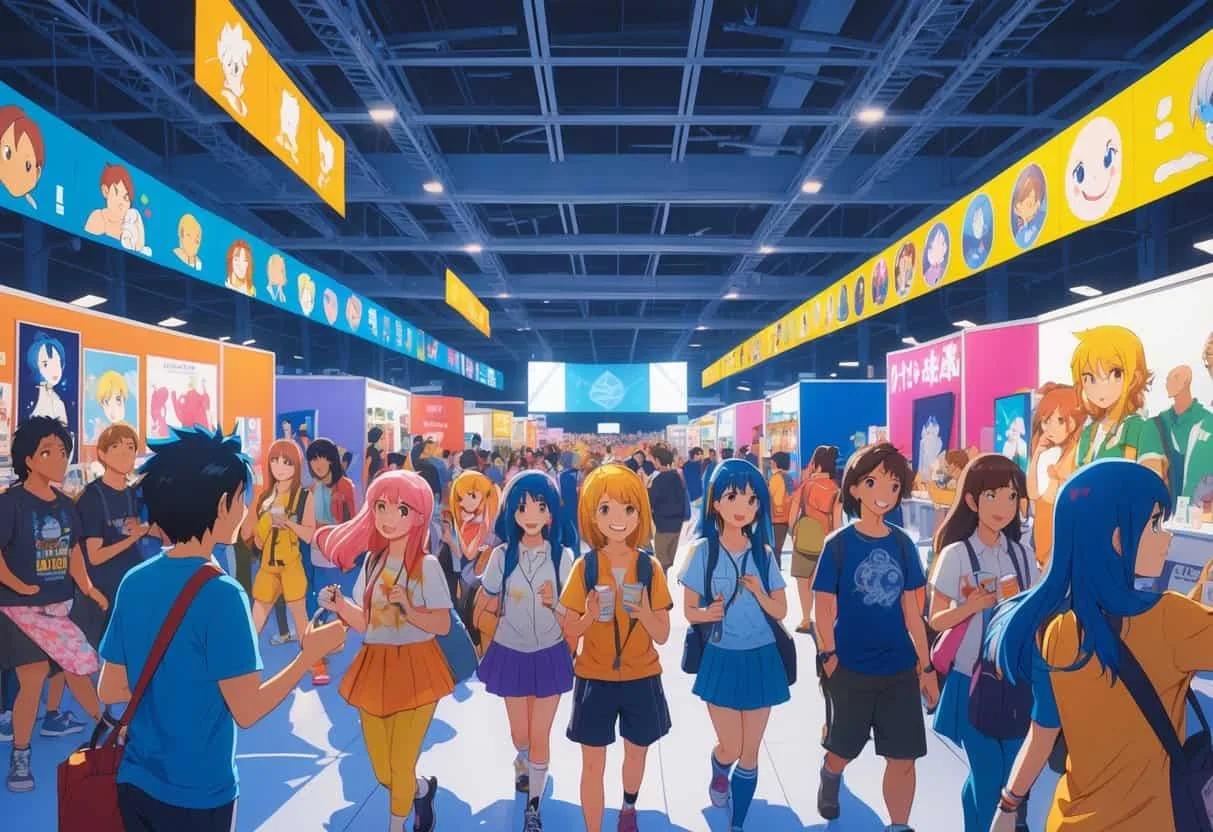
Anime conventions are loud, colorful, and packed with people who love the same shows you do. Walking into your first one can feel like stepping into a foreign country where everyone speaks the language of fandom. Expect sensory overload in the best way: booming soundtracks from video rooms, elaborate costumes around every corner, and a vendor floor that stretches farther than you think. The experience is part festival, part marketplace, and part performance. A little preparation turns potential chaos into a weekend you’ll talk about for years.
Big crowds, energetic cosplayers, and a non‑stop schedule of panels, screenings, and shopping define the modern anime convention. You might encounter a spontaneous dance circle near the escalators, a forty‑minute line for a limited‑edition figure, or a quiet corner where an artist sketches your favorite character for a small fee. The key to enjoying it all is knowing what to expect and planning just enough to stay comfortable without rigidly scheduling every minute.
Getting Ready Before You Go
Preparation transforms a hectic weekend into a smooth, memorable trip. Sorting out tickets, travel, and basics before you leave home frees you to focus on the fun once the convention floor opens.
Picking the Right Convention for a Beginner
Large‑scale events like Otakon, Anime Expo, or Anime Weekend Atlanta offer massive dealer halls, A‑list guests, and thousands of attendees. However, that immense scope can overwhelm someone new to the scene. A mid‑sized or local convention often provides a gentler introduction. Look for a guest list that excites you, a schedule that covers panels you actually want to attend, and a location within a few hours’ drive if possible.
Check the official convention website for a schedule preview. Many events publish panel lists and floor maps weeks in advance. Reading attendee reviews on social media or forums can also reveal whether a particular con leans heavily toward cosplay, gaming, or industry panels. If you have friends willing to go with you, coordinating with them makes the trip less intimidating and gives you a built‑in group for meals and downtime.
Budgeting and Pre‑Registration
Set a realistic spending limit before you even look at the registration page. Tickets for a weekend badge at a major convention usually range from $60 to $120, and pre‑registration discounts can shave off $10–$25. Add in transportation, parking, hotel costs (or gas if you commute), and a daily food allowance. A quick way to estimate food: assume $20–$30 per day if you buy all meals on‑site, though packing snacks reduces that figure dramatically.
Pre‑register as early as possible. Not only do you save money, but you also skip the often‑massive on‑site registration line. Some conventions mail badges ahead of time; others require you to pick them up at a dedicated pre‑reg counter that moves faster than the general line. Check the convention’s website for cut‑off dates. Missing a pre‑reg deadline can mean paying a higher door price and losing hours standing in line, especially on Friday morning.
Hotels and Travel Logistics
Book your hotel the moment you purchase tickets. Host hotels fill up within days of the convention announcing its block. Staying at the attached or walking‑distance hotel saves time, eliminates parking hassles, and provides a place to stash purchases or take a mid‑day break. If the host hotel is sold out, search for nearby properties with shuttle service or a short transit ride. Many fans split the cost by sharing a room with friends, which can make the rate significantly more manageable.
For longer trips, compare flights or train tickets early. Booking 8–10 weeks out generally yields the best prices. If you fly, plan your ground transportation from the airport to the hotel: rideshare apps, airport shuttles, or public transit. Keep a printed or offline copy of your hotel reservation and transportation details in case your phone dies at the wrong moment.
Packing and Dressing for a Full Day
Walking a convention floor for eight hours feels completely different from an average day out. Thoughtful packing keeps you comfortable, hydrated, and ready for whatever the day throws at you—whether that’s an impromptu photoshoot or a freezing‑cold panel room.
Cosplay and Costume Considerations
Choose a cosplay that fits your body and your patience level. Wearing a floor‑length cloak made of heavy velvet looks stunning but can become a sweaty burden by mid‑afternoon. Opt for breathable fabrics and broken‑in shoes, even if it means sacrificing a bit of screen accuracy. Test your entire costume at home for a few hours to catch any issues: chafing seams, tight straps, or headpieces that slide into your eyes. Hidden loops for props, pockets for your badge and phone, and comfortable underlayers make a huge difference.
If you’re bringing large props or wings, check the convention’s weapons and prop policy, which usually covers size restrictions, peace‑bonding, and banned materials. Carry a small repair kit with safety pins, fashion tape, bobby pins, and super glue. A lightweight change of clothes or a comfortable backup outfit back at the hotel or in your car can rescue you when you’ve had enough of corsets or armor.
The Comfort and Tech Packing List
A small backpack or crossbody bag works better than a shoulder tote for a full day of walking. Inside, keep:
- Refillable water bottle (many venues have stations)
- Portable phone charger and cable
- Protein bars, nuts, or dried fruit for quick energy
- Pain relievers and any personal medications
- Mini first‑aid kit with blister bandages
- Light jacket or hoodie for aggressively air‑conditioned rooms
- Cash in small bills for vendors, artist alley, and tips
Technology needs don’t stop at a power bank. Download the official convention app before you arrive, as it usually includes maps, schedules, and push notifications for room changes. Noise‑cancelling earbuds or earplugs can take the edge off loud exhibit halls if you’re sensitive to sound. A spare SD card for your camera or extra cloud storage for phone photos prevents the heartbreak of running out of space mid‑masquerade.
Pro Tips for First‑Year Attendees
Arrive early on the first day to get your bearings before the biggest crowds surge in. Walk the entire venue once without stopping to shop; just note booths you want to revisit. This lap reveals restrooms, water fountains, and quiet corners for sitting down. Many conventions open specific quiet rooms or lounges—use them if you feel overwhelmed.
If you plan to buy fragile items or art prints, bring a poster tube or a hard plastic folder. Do not rely on vendor bags to protect delicate purchases all day.
Set a designated meeting spot with your group. Cellular service inside massive convention centers often buckles under the load of tens of thousands of phones, so plan a place and time to regroup in case texts don’t go through.
Navigating the Convention Floor
The exhibition hall is the convention’s beating heart, but it’s only one part of the event. Artist Alley, panel rooms, video theaters, and gaming areas offer entirely different experiences, and splitting your time among them keeps the day feeling fresh.
Artist Alley and Creative Spaces
Artist Alley is where independent illustrators, crafters, and comic creators set up tables to sell prints, pins, stickers, mini‑comics, and original art. It often occupies a separate section or a distinct hallway, and the atmosphere feels more personal than the main dealer hall. You can commission on‑the‑spot sketches or simply chat with artists about their process. Bring cash, as many small creators don’t have card readers, and don’t be shy about asking if they ship larger pieces home for you.
Artist Alley also tends to be less crowded and a little quieter, making it a good retreat when the vendor floor feels like a mosh pit. For those interested in tabletop merch, look for custom displays and organization tools that some artists use to present their work, though most will have simple setups.
Shopping for Merch, Manga, and More
The vendor hall sprawls with booths selling official anime figures, apparel, posters, and wall scrolls. Large retailers mix with small importers, so prices vary wildly. Take a lap and compare before committing to a purchase, especially on high‑demand items. Many booths discount merchandise on Sunday afternoon when they’d rather sell inventory than pack it up.
Indie publishers and small press booths often sell manga, art books, and mini comics you won’t find at chain bookstores. These can be limited runs tied directly to the convention, making them unique souvenirs. If you’re a collector, bring a list of series or artists you’re hunting, but leave room for spontaneous discoveries. The vendor hall is also a prime place to grab blind boxes, gacha pulls, and imported snacks.
The Masquerade and Cosplay Showcases
Even if you don’t compete, attending the masquerade or cosplay contest is a highlight. Skits range from dramatic interpretive dances to comedic group acts that pack entire story arcs into two minutes. Judges evaluate craftsmanship, performance, and presentation, so you’ll see both meticulously constructed armor and cleverly improvised skits. Many conventions also host hallway cosplay gatherings organized by fandom, where you can find twenty Sailor Guardians posing together or an entire shonen jumpcast staging mock battles.
Be respectful when photographing cosplayers. Always ask first, and don’t interrupt someone who is eating, resting, or clearly in a hurry. A simple “Your costume is amazing—may I take a photo?” goes a long way. If you post photos online, credit the cosplayer whenever possible, especially if they hand you a card with their handle.
Staying Healthy and Safe All Weekend
Convention life can be physically draining. Combine poor sleep, inconsistent meals, and close quarters, and you have a recipe for what experienced attendees call “con crud.” A few simple habits keep you standing and smiling through Sunday.
Hydration is non‑negotiable. Soda and energy drinks don’t replace water. Refill your bottle at every fountain you pass, and set a reminder on your phone if you tend to forget. Many conventions offer free water stations near panel rooms. Dehydration leads to headaches, fatigue, and poor decision‑making, none of which pair well with a crowded dealer hall.
Prioritize sleep. The temptation to stay up until 3 a.m. watching anime in a hotel room is real, but your body needs recovery time. Even a solid six hours makes a measurable difference in your stamina for the next day. Wash your hands frequently and carry hand sanitizer; you’ll be touching doors, railings, and merchandise all day. Some attendees wear masks in dense crowds, a practice that became more common and accepted in recent years.
Know where First Aid is located. Every convention center has a medical station, and the convention staff can point you toward it. If you feel dizzy, nauseous, or unusually exhausted, step into a quiet zone, sit down, and hydrate. Push through the urge to power‑walk the entire venue and instead listen to your body’s signals.
Socializing and Convention Etiquette
Anime conventions thrive on community, but that community works because of unwritten rules that keep interactions positive. Greeting people with genuine enthusiasm is common; forcing physical contact or ignoring personal boundaries is not.
- Ask before touching. That goes for cosplayers’ costumes, props, and especially for hugs or shoulder taps. A costume may look sturdy but be held together with hope and spirit gum.
- Respect lines. Whether it’s for an autograph, a panel, or a restroom, cutting creates resentment. If you need to leave a line temporarily, let the people around you know.
- Keep aisle‑ways clear. Stopping suddenly for a photo is dangerous and frustrating for others. Move to the side or against a wall.
- Check photography policies. Some areas, like video rooms, prohibit any photography. Some guests have specific rules about flash. Read signs and follow staff instructions.
If you’re new and shy, remember that conventions are one of the easiest places to start conversations. A simple “Love your cosplay—what series is that from?” or “Where did you get that pin?” can lead to a nice chat. Many lasting friendships begin in line for a panel or at a meetup.
Making the Most of Panels and Special Events
Panels range from industry announcements and fan‑run discussions to interactive games and how‑to workshops. They’re a break from the sales floor and a chance to dive deeper into niche interests.
Prioritize one or two “must‑see” panels each day and treat the rest as flexible. Popular panels, especially those featuring voice actors or industry insiders, fill up half an hour before start time. Check the room capacity notes in the app, and line up early if you absolutely cannot miss something. For less popular timeslots, wandering into a random panel can introduce you to a new series or a hobby like figure photography or Japanese street fashion.
Bring a small notebook or use a notes app to jot down recommendations. Panelists often rattle off series names or online resources, and you won’t remember them all without a record. Some panels ask for audience participation—don’t feel pressured to join, but if you’re comfortable, jumping in can be a highlight of the weekend. Always thank panelists at the end; fan‑run panels require significant effort to organize.
After the Convention: Unpacking and Preserving Memories
The convention doesn’t truly end when you walk out the door. A thoughtful wind‑down routine helps you avoid the post‑con crash and keep your purchases organized.
Unpack your bag within a day or two. Posters and prints need to come out of tubes and get flattened using heavy books or stored in portfolios. Check your figure boxes for damage and secure any loose parts in a safe spot. Wash all your cosplay pieces—especially wigs, which you can find care guides for on sites like Cosplay.com—to remove sweat and body oils before storing them. If you collected business cards from artists you liked, follow them on social media while their work is still fresh in your mind.
Share your photos and stories respectfully. When posting cosplay photos, tag the participants if you know their handles; if you don’t, a caption asking for help identifying them is courteous. Reflect on what you loved and what you’d do differently next time: maybe you’ll pack more snacks, arrive on Thursday instead of Friday, or finally enter the cosplay contest yourself.
Conventions can produce a mild emotional dip, sometimes called “post‑con blues.” Counter it by connecting with the friends you made, planning your next event, or diving into a new series you discovered. The best cure is realizing that there’s always another con on the horizon, and you’re now a part of the community that makes them great.