Table of Contents
Anime openings (OPs) aren’t just a way to kick off a show—they set the vibe and pull you in right away. A great anime OP mixes catchy music, striking visuals, and a real connection to the story and characters, making the whole thing stick in your mind.
This blend keeps you eager for more and helps you feel like you’re part of the anime’s world.
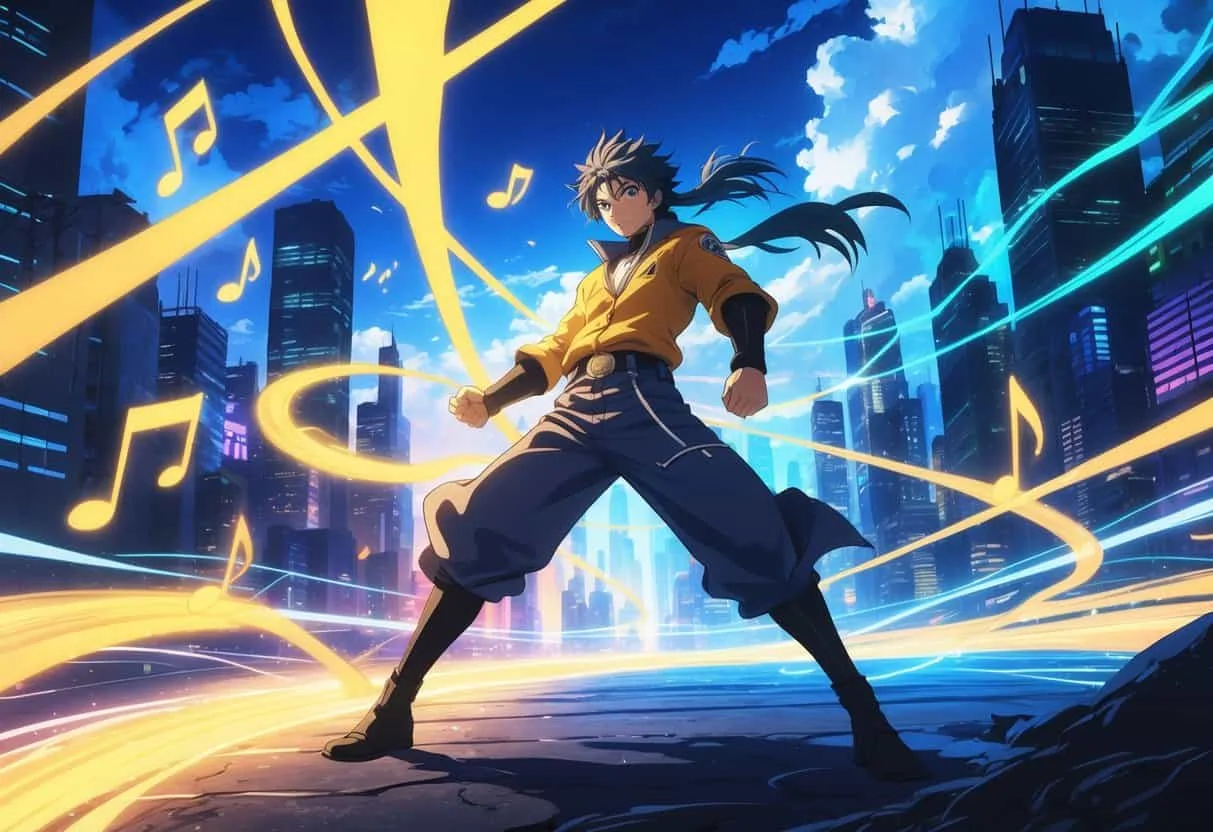
The best openings seem to line up with big moments in the story, showing off key emotions or events but never spoiling too much. Animation style often shifts with the plot, spotlighting main characters in ways that just make you want to keep watching.
Music and lyrics? They’re huge. They blend with the visuals and pull you in emotionally.
Key Takeaways
-
A strong anime opening blends music and visuals to set the tone.
-
Openings often reflect important story moments and character development.
-
Great openings create lasting emotional ties with viewers and fans.
Core Elements of a Great Anime OP
A great anime opening grabs you right away. It uses music, visuals, and emotion to nail the show’s mood and story.
Each part works together, making you want to dive into the season and get to know its world.
Musical Impact
Music is at the heart of a memorable opening. It’s got to fit the anime’s tone, whether that’s upbeat, dark, or just plain weird.
A catchy melody will stick in your head, and you’ll probably end up humming it without even realizing. That’s when you know it’s working. The best songs don’t just match the genre—they often define it. Take Cowboy Bebop’s “Tank!”, a jazzy blast that immediately signals a space-noir ride unlike anything else. Meanwhile, Attack on Titan’s first opening, “Guren no Yumiya,” uses soaring choral chants and a relentless beat to mirror the series’ desperation and scale.
The vocal delivery matters just as much; LiSA’s piercing energy in “Gurenge” (Demon Slayer) transforms the song into a battle cry. Sound mixing and production polish ensure the music feels powerful across all devices, but the real magic lies in how a track’s structure—verse, chorus, bridge—parallels the episode’s emotional arc. Surveys on top anime openings repeatedly show that the most beloved OPs are those where the song feels inseparable from the show itself.
Good sound quality and strong vocals help, too. The rhythm sets the pace for the visuals, and when it matches the show’s themes or characters, it just hits different.
Visual Storytelling
Animation quality matters, but it’s not everything. The visuals should hint at the plot or show character growth, building curiosity without spoiling the story.
Look for creative credits and smooth transitions—little details that keep your eyes glued to the screen. The art style usually matches the genre, so you get a sense of the world right away. Consider the direction: in Your Lie in April’s “Hikaru Nara,” the fluid, almost watercolor-like movements of the characters playing instruments convey the fragility and passion of the drama, while bursts of color represent the joy of music. Meanwhile, Mob Psycho 100’s opening uses a wild, psychedelic palette and countdown motifs that reflect the protagonist’s emotional explosion meter, packing enormous narrative weight into 90 seconds without a single spoken line. The best openings borrow from cinematic techniques such as match cuts, slow motion, or rapid montage to create a miniature film.
Detailed storyboarding ensures every shot serves a purpose—introducing a villain in silhouette, showing a weapon being forged, or using a recurring symbol like a falling cherry blossom to foreshadow change.
Visual pacing is key, too. It needs to work with the music or the whole thing feels off. When a guitar riff hits at the exact moment a character leaps into action, or a quiet piano note aligns with a close-up of a tear, the synergy amplifies both storytelling and emotional impact.
Emotional Resonance
A great OP makes you feel something—excitement, sadness, hope, whatever the show’s about. That emotional punch gets you invested before the episode even starts.
You’ll feel it when music and images click together. Sometimes voice acting pops up in the opening, adding a little extra depth, especially if it’s paired with emotional lyrics or scenes. One stellar example is Anohana: The Flower We Saw That Day’s “Aoi Shiori,” where the gentle singing and fleeting childhood images evoke a deep sense of nostalgia and loss that haunts the entire series. The OP doesn’t just introduce characters; it makes you care about their hidden pain. Researchers have found that music paired with congruent visuals can intensify emotional response—a principle the anime industry intentionally leverages.
A study on theme songs suggests that repeated exposure to an emotional OP can condition viewers to associate the melody with the story’s core sentiment, deepening loyalty week after week.
When the opening hits you emotionally, it sets the mood for the whole season and makes you care about the characters’ journey.
Connection to Narrative and Characters
A great anime opening ties right into the story and characters. It uses visuals, music, and pacing to highlight big themes and show off who everyone is.
This kind of connection helps you get the world and feel close to the cast before the episode even kicks off.
Reflecting Plot Themes
The best openings echo the main ideas of the plot. Take Naruto—the early OPs are all about friendship and pushing through tough times.
Music and fast-paced scenes mirror the urgency and growth that define the series.
Or look at Gurren Lagann—the opening is bold and explosive, showing themes like courage and breaking limits. You get a taste of fighting against fate, which is what the show’s all about. Similarly, Fullmetal Alchemist: Brotherhood’s “Again” by YUI opens with a restless drumbeat and scenes of the Elric brothers literally running from their past, encapsulating the show’s central struggle: moving forward while burdened by irreversible mistakes. Even in lighter shows, the OP acts as a thematic thesis. Kaguya-sama: Love Is War’s “Love Dramatic” overflows with operatic flair and exaggerated spy-movie aesthetics, immediately establishing the series as a comedic battle of wits disguised as romance.
A well-crafted opening doesn’t just summarize—it interprets the narrative, highlighting the emotional core that the episodic format might take time to reveal.
When you watch the opening, you get a quick feel for the show’s main conflicts and the kind of ride you’re in for.
Showcasing Characterization
Openings often introduce or highlight characters in ways the main story can’t squeeze in. In One Piece, Zoro and others get moments that show off their skills and personalities before you even meet them in the show.
Mob Psycho uses its OP to show the main character’s emotions and struggles with simple but powerful visuals. You get Mob’s growth, no spoilers needed.
The opening scenes quickly highlight traits like bravery or inner conflict. That helps you connect with the characters and gets you interested in their stories right away. For example, the My Hero Academia OP “The Day” rapidly cuts between each Class 1-A student in action, freezing on their determined expressions to telegraph their quirks and personal stakes. This method lets viewers pick a favorite before a single line of dialogue is spoken in the season. In Violet Evergarden, the delicate animation of Violet typing a letter while her mechanical hands glint under soft light immediately conveys her blend of steel and sensitivity.
When the OP repeatedly returns to a character’s symbolic object—like a pendant or a sword—it creates a visual anchor that the series can later shatter for emotional payoff, making the opening an integral part of character development rather than just a teaser.
Cultural Significance and Fan Engagement
Anime openings go way beyond just visuals and music—they really connect with fans. They shape how people feel about a series and even influence fan culture.
This bond shows up in fan rituals, reactions, and how openings frame story moments.
Influence on Anime Fandom
A strong anime opening can become a huge part of the fan experience. Songs like “Unravel” from Tokyo Ghoul or “Brave Shine” from Fate/stay night get sung and shared at events all the time.
They help fans find each other and build a sense of community. This communal energy manifests in countless cover dances on YouTube, karaoke staples at conventions, and even orchestras performing full anime medleys. Platforms like Reddit’s r/anime regularly host massive polls where thousands debate the greatest opening of all time, turning individual preference into collective memory. The “Skip Intro” button may have become a common feature, but for many viewers, the opening is a sacred ritual that signals the transition from reality into the story. During simulcast seasons, a new OP drop can trend on social media within hours, sparking frame-by-frame analyses for hidden clues about upcoming plot twists.
This engagement deepens loyalty; even when a show enters a filler arc, a beloved opening can sustain viewer enthusiasm by reigniting the initial excitement.
People love to talk about the opening’s animation, the song, and how it fits the story or characters. Sometimes, specific songs or visuals represent characters or themes that fans really connect with.
Even during filler episodes, a great opening keeps you hooked, reminding you why you started watching in the first place.
Memorable Examples in Iconic Series
Some anime openings just hit differently because they blend visuals, music, and little story hints in a way that sticks with you. The opening of Liz and the Blue Bird? It’s subtle but nails the show’s emotional vibe.
You can almost feel the mood setting you up for what’s coming. There’s something about the animation and music working together that pulls you right in.
Another one that comes to mind is the ending theme by SID. It adds this extra layer to the atmosphere, and honestly, it’s hard to forget once you’ve heard it.
Fans tend to latch onto these openings since they do more than just signal the start of an episode. They really set the mood and add a bit of meaning.
| Anime Title | Notable Song or Artist | Why It’s Memorable |
|---|---|---|
| Tokyo Ghoul | “Unravel” | Powerful vocals, story tie-in |
| Fate/stay night | “Brave Shine” | Emotional tone, strong animation |
| Liz and the Blue Bird | OST by SID | Matches emotional story themes |
| Cowboy Bebop | “Tank!” by Seatbelts | Iconic jazz, sets noir tone instantly |
| Attack on Titan | “Guren no Yumiya” | Epic chorus, perfectly mirrors epic scale |
| Neon Genesis Evangelion | “A Cruel Angel’s Thesis” | Juxtaposes upbeat pop with psychological depth |
The Invisible Art of Opening Direction
While fans praise the song and the animation studio, the unsung hero of a great OP is the director and storyboard artist. They translate the series’ essence into a 90-second visual poem, deciding what to reveal and what to conceal. A strong directorial vision can elevate even a modest production budget by using clever framing, color theory, and rhythmic editing.
Storyboarding the First Impression
Before a single frame is animated, the storyboard dictates the flow. Directors often treat the OP like a condensed short film, complete with its own arc. This is where they decide if the opening will be a montage of action clips, a metaphorical journey through a character’s psyche, or an abstract sequence. The famous Death Parade opening, “Flyers” by BRADIO, subverts the show’s grim premise with a vibrant, dance-filled spectacle, creating an intentional dissonance that makes the series’ darker themes hit harder. Storyboard artists also plant Easter eggs: a quick flash of a future ally, a shadowed antagonist, or a prop that will become pivotal later.
For a deep dive into this craft, Sakugabooru’s analysis of OP sequences breaks down how individual cuts are designed to hold narrative weight. The best OPs reward rewatching, and that starts at the storyboard stage.
Syncing Frame to Tempo
Once the music is chosen, the editing process syncs visual beats to the song’s tempo. A common technique is cutting on the downbeat or aligning a character’s movement with the bassline. In Jujutsu Kaisen’s first OP, “Kaikai Kitan” by Eve, the rapid-fire editing matches the frantic energy of the song, while brief freeze-frames highlight each character’s fighting stance. This timing creates a physical sensation in the viewer—your eyes anticipate the next cut as if you’re listening to the music. Directors also use dynamic transitions, like whip pans or match cuts on a character’s using a magical attack, to link scenes seamlessly.
When pacing is off, an OP can feel sluggish even if the song is upbeat; when perfectly synced, it becomes a hypnotic loop that fans will watch hundreds of times without ever feeling bored.
How Streaming Has Changed Opening Culture
With the rise of simulcast platforms, the role of the anime OP has evolved. The iconic “Skip Intro” button initially seemed like a threat, but it actually sharpened the need for the OP to capture attention in the first five seconds. Modern OPs often front-load their strongest hooks, visually and musically, preventing instant skips. Additionally, streaming data reveals that many fans treat the OP as a separate piece of content, rewinding favorite moments or listening to the song on Spotify. The OP has become a marketing vehicle that extends beyond the episode, driving pre-orders for the single and influencing cosplay trends.
Creators now often release the full music video on YouTube before the season starts, sometimes garnering millions of views and building anticipation without a single frame of the actual anime. This cross-platform vitality means the definition of a “great” OP now includes its shareability and its ability to live independently as a music video. The line between OP and promo has blurred, but when done artfully, the sequence still preserves the narrative integrity that makes it special.
Building an Opening That Endures
Ultimately, a truly great anime opening transcends its role as a simple intro. It becomes an inseparable part of the show’s identity, a gateway that instantly transports you back to the first time you watched the series. Whether through a soaring chorus, a meticulously choreographed fight scene, or a quiet shot of hands clasping, these sequences forge emotional imprints that outlast the plot details. The best studios understand that while a show’s story drives its longevity, its OP often serves as the welcome mat that invites you in and the lasting soundtrack of your fandom. Next time you find yourself reflexively singing along to a decade-old theme song, you’ll recognize that the craft behind those few minutes was anything but trivial.