Table of Contents
The Rise of Anime Conventions in Southeast Asia
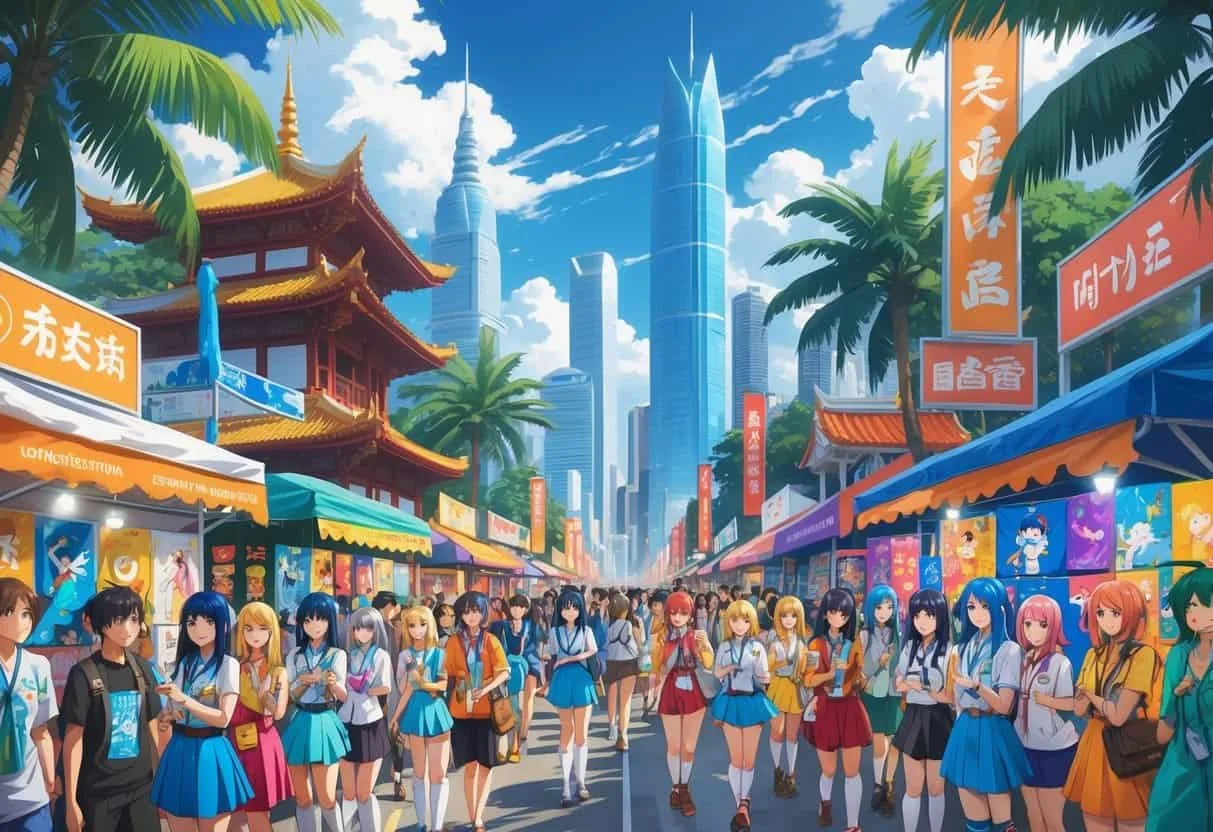
Anime fandom in Southeast Asia has exploded over the past decade, transforming the region into one of the most vibrant hubs for Japanese pop culture outside Japan. Streaming platforms have made seasonal anime instantly accessible, while social media communities fuel cosplay groups, fan art circles, and manga translation networks. The result is a calendar packed with large‑scale anime conventions that draw hundreds of thousands of attendees each year, from first‑time visitors to veteran cosplayers who’ve turned their hobby into a full‑time craft.
Southeast Asia’s conventions aren’t carbon copies of Western or Japanese events. They blend Japanese pop culture with local flavors, often featuring J‑pop and K‑pop crossover concerts, regional comic and illustration markets, and a uniquely communal atmosphere. Language rarely becomes a barrier—sessions and announcements frequently switch between English, Mandarin, Malay, Thai, Bahasa Indonesia, and Vietnamese, making every fan feel at home.
What’s drawing so many people to these conventions? It’s the mix of exclusive previews, hands‑on workshops, massive artist alleys, and the electric feeling of being surrounded by thousands of people who share your excitement for a niche series or a decades‑long classic. For many, an anime convention in Bangkok, Jakarta, or Kuala Lumpur is not just an event—it’s a pilgrimage.
The Anchor Events You Need to Know
Southeast Asia’s anime convention scene is anchored by a handful of flagship events that define the regional calendar. While dozens of smaller markets, cosplay gatherings, and pop‑up festivals happen every month, these are the ones that international guests, major publishers, and anime studios circle in red ink.
Anime Festival Asia (AFA) – Singapore
Anime Festival Asia is the grand dame of the region’s anime conventions. Held annually at the Suntec Singapore Convention & Exhibition Centre, AFA routinely attracts over 100,000 visitors across a three‑day weekend. The festival is divided into distinct zones: the sprawling exhibition hall (often called Akiba Town) packed with official merchandise, gachapon machines, game demos, and life‑size character statues; the Day Stage for talk shows, industry panels, and live drawing sessions; and the Akiba Stage, where regional cosplay competitions and idol performances keep the energy high all afternoon.
What sets AFA apart is its I Love Anisong concert series. Top‑tier Japanese artists—think FLOW, LiSA, ASCA, and May’n—perform full‑length sets in a purpose‑built concert hall next to the exhibition floor. Tickets for these shows often sell out within minutes, and the atmosphere inside is a euphoric blend of light sticks, singalongs, and fan chants. If you’re planning a trip, the concert schedule is usually announced a few months ahead on the official AFA website, so lock in your tickets early.
Anime Festival Asia Indonesia – Jakarta
Jakarta’s edition of AFA brings the same high‑octane formula to the Jakarta Convention Center, typically in early June. The Indonesian audience adds its own flavor—Bahasa Indonesia dubs of popular anime are everywhere, and the cosplay scene leans heavily into elaborate armor builds and popular shonen franchises. AFA Indonesia features its own I Love Anisong lineup, often mixing Japanese headliners with local J‑pop cover groups and virtual idol showcases. The artist alley here is notably strong, with Indonesian illustrators selling exclusive prints and doujinshi that rarely appear outside the country.
Comic Fiesta – Kuala Lumpur, Malaysia
Not purely an anime convention, Comic Fiesta is Malaysia’s largest creative media event, but anime and manga dominate the floor. Held each December at the Kuala Lumpur Convention Centre, Comic Fiesta blends a massive cosplay competition, an extensive doujin market, and a strong presence from regional game publishers. The cosplay runway show has become a destination event for Southeast Asian cosplayers, known for its high production values and strict craftsmanship judging. You can find more about their latest line‑up at comicfiesta.org.
Cosplay Mania – Manila, Philippines
Cosplay Mania is the Philippines’ premier anime and cosplay convention, held at the SMX Convention Center in Manila. The event features a grand cosplay championship with international qualifiers, plus an extensive exhibit floor that brings together anime, gaming, and comics. Past guests have included voice actors from Naruto, Attack on Titan, and Genshin Impact, along with Japanese illustrators and indie game developers. The convention prides itself on its inclusive, family‑friendly vibe, and its cosplay competition is a launchpad for many Filipino cosplayers who later compete on the world stage.
Thailand Comic Con – Bangkok
Thailand Comic Con has quickly evolved into the kingdom’s biggest pop culture expo, with anime taking up a huge slice of the programming. Held at the Royal Paragon Hall in Bangkok, the event mixes anime screenings, manga publisher booths, and a dedicated cosplay zone that features both open‑stage performances and professionally judged contests. Thai cosplayers are renowned for their intricate costume engineering, and the convention showcases that talent with daily fashion shows and prop‑building workshops. Keep an eye on their social media for announcements about special Japanese guests and exclusive merchandise drops.
Vietnam Manga Festival – Ho Chi Minh City
Vietnam’s anime community has grown rapidly, and the Vietnam Manga Festival (often held at the Tan Binh Exhibition Center or similar venues) has become the country’s leading fan gathering. The festival mixes Japanese pop culture with local Vietnamese comic artists, offering panels on manga creation, cosplay contests, and live J‑rock cover bands. Language is seldom a barrier, as many sessions run in both Vietnamese and English. The event is smaller than its regional cousins, which gives it an intimate, community‑first feel that many fans prefer.
What You’ll Find Inside the Halls
Every major anime convention in Southeast Asia follows a similar blueprint, but the execution varies wonderfully from city to city. Here’s a breakdown of the core zones you’ll encounter, along with tips for making the most of each one.
The Exhibition Floor and Akiba Town Clones
This is the beating heart of any convention—the enormous trade hall filled with rows of booths. Official anime merchandise from Bandai, Good Smile Company, and Aniplex sits alongside independent artists selling enamel pins, handmade plushies, and limited‑run prints. If you’re a figure collector, this is where you’ll find exclusive sculpts and pre‑order bonuses that never appear on mainstream retail sites. The earlier you arrive, the better your chances of snagging rare items.
A common feature across Southeast Asian cons is the food section, which often goes beyond standard convention fare. Expect local street food alongside anime‑themed café setups—onigiri with character face designs, bubble tea cups branded with your favorite series, and takoyaki stalls run by Japanese‑trained chefs.
Artist Alley and Doujin Culture
Artist alleys in the region have grown from a few folding tables into sprawling creative markets. Filipino, Indonesian, Thai, and Malaysian artists bring a distinctive style to their fan art and original comics. You’ll see watercolor pieces, digital art prints, keychains, washi tape, and sometimes even short self‑published manga. This is where you can meet the artists, commission a personalized sketch, and discover indie works that never make it onto global platforms. Prices are reasonable, and many artists accept cashless payments via local QR codes, so bring a charged phone.
Cosplay Central and Contests
Cosplay is the visual language of anime cons, and Southeast Asia has developed a cosplay culture that rivals any in the world. The region’s cosplayers are famous for their resourcefulness—transforming household materials into elaborate armor and prosthetics. Convention‑organised contests often split into categories: craftsmanship (judged on build quality and accuracy), performance (skits and stage presence), and open catwalks where anyone can walk the runway.
The big‑name contests—such as the World Cosplay Summit preliminaries held at various Southeast Asian events—send winners to Japan to compete internationally. The stakes are high, and the talent on display is staggering. Even if you never pick up a sewing needle, spending an afternoon watching these performances is worth the price of admission.
Live Performances and Anisong Culture
Music is the emotional anchor of anime fandom, and no convention is complete without live performances. Anisong concerts draw massive crowds; the sound of thousands of fans singing along to a beloved opening theme is a nearly spiritual experience for many attendees. Beyond the big‑name concerts, smaller stage areas host J‑pop dance covers, K‑pop crossovers, and local bands that reimagine classic anime soundtracks.
Virtual idols like Hololive and Nijisanji have also carved out a significant presence, with dedicated streaming lounges, hologram performances, and meet‑and‑greet sessions. These digital stars bridge the gap between online and offline fandom, and Southeast Asian cons have embraced them fully, often setting up large screens where fans can chat live and send virtual gifts.
Workshops and Hands‑On Learning
Many first‑time con‑goers overlook the workshop schedules, but these sessions can be the hidden gems of a convention weekend. Typical offerings include manga drawing classes led by Indonesian or Thai illustrators, cosplay prop‑making using EVA foam, origami sessions, and even basic Japanese language crash courses. Some larger events host industry panels where animation directors, voice actors, and game developers break down their creative processes. These sessions are often small and intimate, giving you a rare chance to ask questions and get personalized advice.
A Glimpse at the 2025 Calendar
Planning a trip around a convention requires timing. Here’s a snapshot of the major events and their anticipated 2025 dates. (Always check official pages for last‑minute changes, as dates can shift due to venue availability or public holidays.)
| Event Name | Location | Dates (2025) | Highlights |
|---|---|---|---|
| Anime Festival Asia Indonesia | Jakarta, Indonesia | June 6–8 | Anisong concerts, Akiba Town, artist alley |
| Cosplay Mania | Manila, Philippines | Sept 27–28 | Grand cosplay championship, voice actor guests |
| Vietnam Manga Festival | Ho Chi Minh City, Vietnam | Oct 10–12 | Local comic market, cosplay, live J‑rock |
| Thailand Comic Con | Bangkok, Thailand | Oct 24–26 | Cosplay fashion shows, exclusive merch, workshops |
| Anime Festival Asia Singapore | Singapore | Nov 28–30 | I Love Anisong concerts, industry panels, large exhibition |
| Comic Fiesta | Kuala Lumpur, Malaysia | Dec 20–21 | Doujin market, cosplay runway, game demos |
Smaller satellite events pepper the calendar year‑round: Singapore’s Doki Doki Anime Market and CosGarden pop up in June, Indonesia hosts Comifuro (a doujin‑focused market) multiple times a year, and Thailand’s local university festivals often include anime nights that rival professional productions. Following fan‑run Facebook groups and Discord servers is the best way to stay on top of these grassroots gatherings.
Planning Your Visit Like a Local
Attending a convention in a foreign country—even one that’s just a short flight away—requires a bit of logistical foresight. A few smart moves can save you hours of queue time and a fair amount of stress.
Tickets and Registration
Most conventions sell early‑bird tickets online three to six months before the event. VIP packages often include priority entry, exclusive merchandise, and access to autograph sessions. If you’re only going for one day, Saturday usually has the biggest guest list and the highest crowd density, while Friday is quieter and better for shopping. Sunday is ideal for families and casual exploration. Digital tickets are the norm; save screenshots of your QR code just in case cellular data gets spotty inside the hall.
Accommodation and Local Transport
Book accommodation near the convention centre, but don’t overlook properties one or two train stops away—they’re often significantly cheaper and still connected by efficient metro systems in Singapore, Bangkok, and Kuala Lumpur. Jakarta’s traffic deserves a special warning: staying within walking distance or using ride‑hailing apps with motorbike options can save you hours. In Manila, the SMX convention centre is well‑served by the metro and ride‑sharing services, though leaving extra time during peak hours is wise.
What to Pack
- Comfortable shoes. You’ll log kilometres walking the floor. No pair of cosplay boots is worth blisters by noon.
- A sturdy tote bag or backpack. Merch and freebies pile up quickly.
- Portable phone charger. Outlets are scarce and in high demand.
- Cash in local currency. While many vendors accept QR payments, some artist alley booths still run on cash.
- A light jacket or hoodie. Convention halls are notoriously over‑air‑conditioned.
- Snacks and a water bottle. Food queues can be long, and staying hydrated is non‑negotiable.
Cosplay Etiquette and Cultural Norms
Southeast Asian cons are generally warm and welcoming, but a few ground rules keep the environment pleasant for everyone. Always ask before photographing a cosplayer—a quick “May I take a photo?” works in any language. Be mindful of prop weapons; most conventions require them to be peace‑bonded (checked and tagged) at a designated weapons booth. In countries with more conservative public norms, such as Indonesia and Malaysia, some cosplayers opt for modest versions of revealing character designs, and it’s respectful to avoid overly provocative poses in public areas. The cosplay community self‑polices these norms, and visitors who follow the local lead will find nothing but friendly interactions.
The Community That Powers It All
At its core, an anime convention is a social engine. Facebook groups like “Anime Festival Asia Community” and the “Cosplay Philippines” forum regularly coordinate group cosplay shoots, hotel sharing, and after‑party plans. Discord servers become hubs for screening watch parties during the weeks leading up to an event, and Instagram hashtags like #AFASG2025 or #ComicFiesta2025 let you track the build‑up in real time.
Meeting fellow fans in person often translates into lasting friendships. Regional cosplay teams sometimes form spontaneously at a con and go on to compete in international competitions together. The networking opportunities extend to creative professionals too—freelance illustrators land commission work, makeup artists meet cosplayers who need their skills, and indie game developers find their first playtesters in the corridors.
Language diversity actually becomes a strength. It’s common to hear a group of Indonesian, Malaysian, and Thai fans switching between English and their native languages while comparing merchandise hauls or sharing cosplay tips. The shared language is the love for the content, and that bridge is sturdy.
Looking Ahead: Where the Scene Is Heading
The Southeast Asian anime convention circuit is on an upward trajectory, fuelled by increasing disposable incomes, a young demographic, and a deeply embedded gaming culture that overlaps with anime fandom. Several trends are worth noting.
Virtual and hybrid experiences are expanding the reach of these events. AFA Singapore, for example, now streams select stage events for international viewers and has experimented with virtual marketplaces where fans can buy exclusive items without stepping on a plane. This hybrid model is likely to grow, especially as local studios in Thailand and Vietnam start hosting online panels that bridge the gap between physical attendees and a global audience.
Regional collaboration is also on the rise. Cosplayers, artists, and guests from Indonesia, the Philippines, and Malaysia frequently travel as a group to each other’s cons, fostering a pan‑Southeast Asian identity that feels distinct from both Western and Japanese fan cultures. The ease of travel within ASEAN makes it possible for a fan to hit three major conventions in a single year without breaking the bank.
Keep an eye on events like Indonesia’s Comifuro (a doujin marketplace that has grown from a small gathering to a biannual monster) and the rising popularity of anime‑themed café pop‑ups in Bangkok and Hanoi. These satellite experiences are turning anime fandom into a year‑round lifestyle rather than a once‑a‑year treat.
For more insights into the regional cosplay scene and artist collectives, visit Cosplay Mania’s official Instagram, where you’ll find a constant feed of costume masterpieces, contest winners, and behind‑the‑scenes coverage that captures the spirit of Southeast Asian fandom.
Key Takeaways
- Southeast Asia hosts some of the largest and most diverse anime conventions in the world, with flagship events in Singapore, Indonesia, Malaysia, the Philippines, Thailand, and Vietnam.
- Expect a rich mix of official merchandise, independent artist markets, cosplay contests, live anisong concerts, and hands‑on workshops at every major con.
- The community is the real star—events are designed to help fans connect, learn from one another, and deepen their love for anime and Japanese pop culture.
- Planning ahead (tickets, transport, cash, comfortable gear) makes the experience smoother, especially in cities with heavy traffic or crowded venues.
- The scene is evolving quickly, with hybrid online‑offline events, stronger cross‑border collaborations, and a thriving year‑round pop‑culture calendar that goes far beyond the convention floor.