Table of Contents
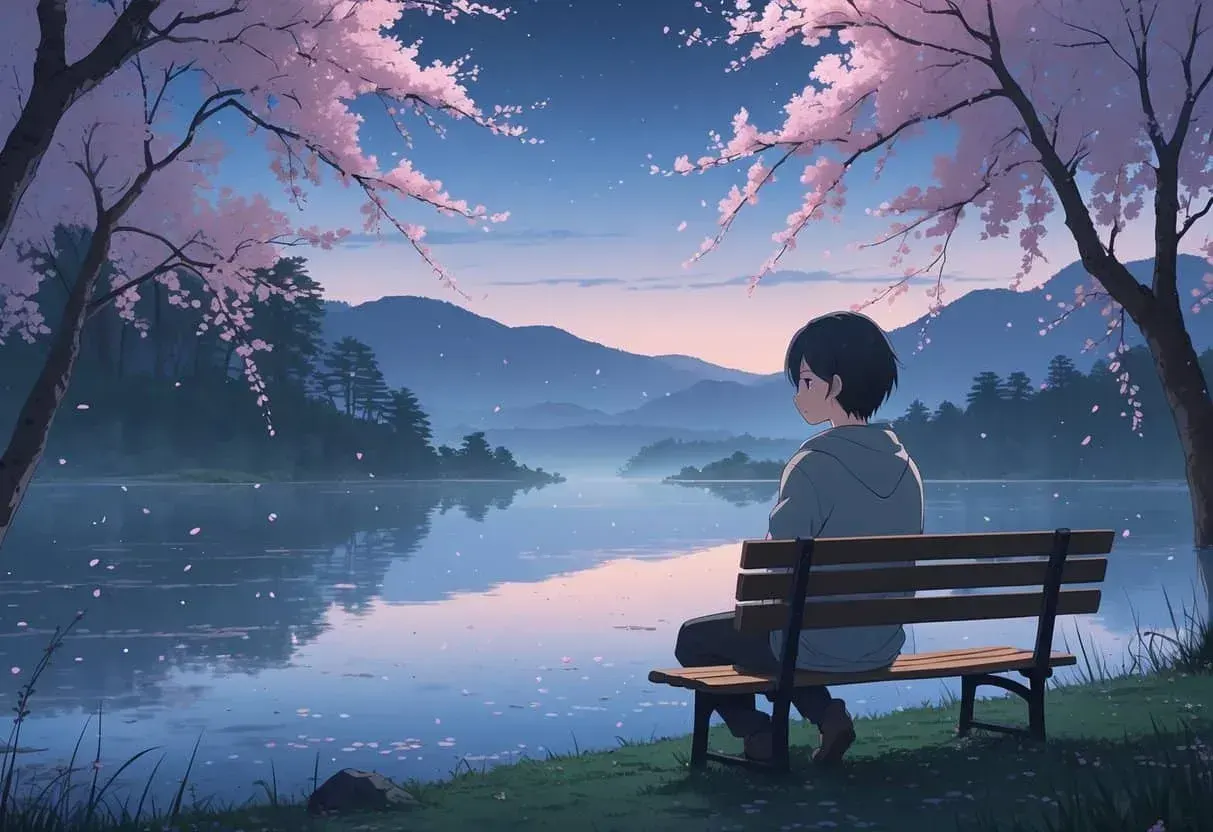
Anime is often celebrated for its rapid-fire dialogue, passionate monologues, and clever banter. But some of the most memorable moments in the medium happen when no one is speaking at all. Anime that use silence and minimal dialogue effectively create strong emotions and meaning through visuals and quiet moments. These scenes don’t just fill time — they draw you into the characters’ inner worlds, letting you feel every unspoken thought. Instead of telling you what to feel, they let the atmosphere, animation, and sound design build the emotional landscape.
This approach shows that wordlessness isn’t a limitation; it’s a storytelling superpower.
Key Takeaways
- Silence pulls viewers closer to a character’s emotional state without relying on exposition.
- Quiet stretches can heighten tension, deepen sadness, or create a sense of peace more powerfully than dialogue.
- Anime that uses minimal speech often leans on detailed facial expressions, body language, and scenery to communicate meaning.
- Scores and sound design become active storytellers, with silence itself acting as a narrative tool.
- This technique crosses genres, appearing in action, drama, comedy, and slice-of-life — proving that stillness has universal appeal.
The Power of Silence in Anime Storytelling
Silence in anime works on multiple levels, shaping everything from character perception to thematic resonance. When words disappear, the audience is invited to engage more deeply with what’s on screen — the soft rustle of leaves, a flicker of an eye, the way light falls across a room. This kind of storytelling trusts you to interpret and fill in the gaps, making the experience deeply personal.
Why Minimal Dialogue Matters
When dialogue drops away, your attention naturally shifts to the other components of a scene. Subtle shifts in posture, the weight of a glance, or the rhythm of a character’s breathing suddenly carry immense narrative weight. This creates a more immersive experience because you’re not being told how to feel — you’re living it alongside the characters. Minimal dialogue also respects the viewer’s intelligence, offering space for reflection and interpretation. In fast-paced media, this stillness can feel like a revelation, reminding us that some truths simply can’t be spoken.
From a writing perspective, trimming dialogue forces creators to refine their visual language. Every frame must convey mood, intent, or conflict without explanatory text. This pressure often results in exceptionally beautiful, layered animation where no motion is wasted. The silence becomes a canvas, and even the smallest gesture — a hand briefly tightening on a railing, a character not turning around when called — tells a story richer than any speech.
Impact on Atmosphere and Themes
In horror or thriller anime, silence can be terrifying. The absence of sound before a jump scare primes you for the shock, making the eventual noise land harder. In dramas, extended quiet moments often signal emotional turning points, allowing grief, longing, or acceptance to bloom without being undercut by dialogue. The atmosphere shifts — a once-bustling schoolyard becomes lonely and oppressive through sheer quiet. Themes of isolation, memory, and connection emerge organically from these soundless spaces, speaking directly to the viewer’s emotions.
Conversely, silence can wrap a scene in comfort. Slice-of-life series frequently use silence to depict everyday contentment: a shared meal where no one needs to speak, a lazy afternoon in a sunlit room, the sound of distant traffic instead of conversation. These moments ground the story, making the world feel lived-in and authentic. The quiet is never empty — it’s full of the things that matter most.
Conveying Emotion Through Visuals
Without the crutch of inner monologues or explanatory dialogue, animators rely on the grammar of the body and the environment. A slight droop of the shoulders, a quivering lip held firm, or the slow collapse of a character into a chair — these visual beats become the primary language. The audience reads the emotion directly, and this “show, don’t tell” approach often triggers a more visceral response. You’re not processing words; you’re feeling through your eyes.
Lighting and color theory also step forward in silent scenes. A character bathed in cold blue shadows feels lonelier; warm golden hour tones can make a wordless reunion feel like a hug. The absence of dialogue invites you to study the details — a cracked window pane symbolizing inner fracture, or reflections in a still puddle mirroring a character’s state of mind. When done well, these scenes linger in memory far longer than any quotable line.
Cultural and Philosophical Roots of Silence
The Concept of Ma in Japanese Art
Silence in anime doesn’t exist in a vacuum; it draws deeply from traditional Japanese aesthetics. The concept of ma — often translated as negative space, pause, or interval — celebrates the meaningful void between objects, sounds, or actions. In music, theatre, and visual art, ma is the silence that gives shape to the noise, the breath that makes the melody possible. Anime inherits this sensibility, treating quiet not as a failure to fill time but as a deliberate, potent element of composition. When characters stand silently beside each other, the space between them speaks about their relationship; when a shot lingers on an empty room, the absence tells its own story.
Nonverbal Language and Social Context
Japanese communication places significant weight on nonverbal cues — a slight bow, an averted gaze, a shared silence can carry volumes of meaning. Anime reflects this cultural nuance, often portraying characters who process emotions internally rather than through direct confrontation. The silence becomes a mirror of real social dynamics: the things left unsaid in a family argument, the quiet understanding between friends, the heavy stillness of regret. By leaning into these unspoken currents, anime resonates with audiences who recognize the power of what is withheld.
Iconic Anime That Masterfully Use Silence
From cyberpunk classics to gentle family films, certain anime have wielded silence with exceptional skill. These works demonstrate that a hush can be as deliberate and impactful as a scream.
Akira (1988): Groundbreaking Silence in Action
Katsuhiro Otomo’s Akira is rightly famous for its explosive action and body horror, but the film’s most tense moments are often its quietest. Before the chaos erupts during Tetsuo’s escape from the hospital, the soundtrack drops away, leaving only the sterile hum of monitors and the drip of an IV. This pregnant pause turns the subsequent destruction into a devastating release. Similarly, the vast, silent shots of Neo-Tokyo at night — neon-drenched streets devoid of human voices — emphasize the isolating scale of the city and the characters’ dislocation. The silence in Akira doesn’t just build anticipation; it underlines the psychological fragility driving the story.
Ghost in the Shell (1995): Atmosphere and Cyborg Introspection
Mamoru Oshii’s Ghost in the Shell is a philosophical meditation wrapped in a cyberpunk shell, and its extended silent sequences form the soul of the film. The famous opening — with Major Motoko Kusanagi’s body being assembled — unfolds without dialogue, accompanied only by a haunting choral score and the ambient sounds of machinery. Later, long stretches of street-level cityscapes show everyday life passing in a muffled haze of rain and static, reinforcing the Major’s existential detachment. These wordless passages invite the viewer to ponder the boundary between human and machine alongside the protagonist, making the philosophical questions feel immediate rather than academic.
The Quiet Magic of Studio Ghibli Films
Studio Ghibli has built its reputation on moments of stillness that celebrate the texture of ordinary life. In My Neighbor Totoro, the scene where Satsuki and Mei wait for their father’s bus under the gentle rain — joined by Totoro in a silent, awed companionship — contains almost no words, yet it’s one of the most beloved sequences in animation history. The rhythmic pitter-patter of droplets on the umbrella, the rustling of leaves, and the soft grunts of the forest spirit create a cocoon of sound that wraps the audience in calm. In Whisper of the Heart, quiet routines of writing, biking through twilight streets, or simply sitting on a porch become miniature revelations. These films teach us that silence can be its own kind of magic, grounding fantasy in the radiant quiet of reality.
Modern Anime Embracing the Unspoken
Recent series continue the tradition, pushing minimal dialogue into new genres and emotional territories. Their work proves that silence is not a niche device but a versatile narrative choice.
A Silent Voice (2016): Healing Beyond Words
Naoko Yamada’s A Silent Voice tackles bullying, disability, and redemption with an astonishing delicacy that relies heavily on what goes unvoiced. The protagonist, Shoya, often withdraws into silence — both self-imposed and situational — and the film uses visual metaphor (the crosses he puts over people’s faces, the muffled audio) to represent his emotional isolation. Pivotal reconciliations happen through gestures, handwritten notes, and the simple act of looking someone in the eye again. The film’s most heart-wrenching moments arrive in the quiet space after an apology, where forgiveness isn’t declared but felt. Here, silence becomes the medium of genuine human repair.
Mushishi: The Sound of Tranquility
Few anime embrace quiet as thoroughly as Mushishi. The series follows Ginko, a wandering “mushi” expert, through rural landscapes steeped in mystery. Each episode is a slow, meditative journey — dialogue is sparse, and the soundtrack often consists of natural ambient sounds, sparse musical accents, and deliberate silences. When Ginko explains the nature of a mushi, his words feel carefully chosen, carrying the weight of ancient wisdom. The visual language — lush forests, still ponds, misty mountains — works in tandem with the quiet to create a hypnotic, almost spiritual atmosphere.
The silence in Mushishi isn’t about absence; it’s about a serene, attentive presence.
Barakamon: Comedy Through Silence
Even comedy can harness the power of a well-placed pause. In Barakamon, a hot-headed calligrapher moves to a rural island and finds his rigid personality upended by playful locals. Many of the show’s funniest beats rely on deadpan reaction shots, prolonged silences during awkward social encounters, or the subtle collapse of the protagonist’s dignity — all conveyed without a word. The timing of these silent moments sharpens the comedy, allowing the absurdity of a situation to settle in fully before the next line lands. It’s a testament to how silence can be as essential to humor as to pathos.
Techniques in Visual and Auditory Minimalism
Achieving this kind of quiet storytelling isn’t accidental. It requires meticulous coordination between sound designers, animators, and directors.
The Interplay of Soundtrack and Silence
Silence in anime is never truly empty. It exists in dialogue with sound — a soft breeze, ambient footsteps, distant traffic, or a single piano note that hangs in the air. Composers like Joe Hisaishi and Yoko Kanno understand that removing music at a critical moment can be more powerful than swelling the orchestra. When a character has a realization and the background track instantly stops, the emotional weight shifts entirely onto the visual moment. This careful choreography of sound and its absence transforms silence into a precision tool, shaping tension, release, and catharsis with surgical accuracy.
Expressive Eye Contact and Gestures
Without dialogue, the eyes become the primary focal point. A lingering gaze can communicate longing, fear, trust, or accusation. Animators invest enormous detail into the way pupils dilate, moisture forms, or eyelids lower fractionally — each subtle shift alters the emotional meaning. Hand gestures, too, take on heightened significance: a character rubbing their thumb against their palm, a hesitant reach, or a hand pulling back before touching. These small movements carry the emotional narrative, allowing viewers to read the subtext without a single line of exposition.
Animation Flourishing Without Words
When dialogue is stripped back, the animation itself must shoulder the story’s emotional arc. Frame timing, the weight of a character’s movement, and environmental details all become essential. A slow pan across a cluttered desk can reveal a character’s state of mind; a subtle change in the background’s color saturation can signal an internal shift. In the quietest scenes, you’re watching the art of animation at its purest — where every frame is a deliberate choice designed to evoke feeling, not just to illustrate a script.
Evolving Trends and Reception
As the anime landscape changes, the role of silence continues to evolve, reaching ever-wider audiences through new platforms and generational tastes.
Streaming Services and Global Reach
Services like Crunchyroll, Netflix, and Amazon Prime have made silent-heavy anime more accessible than ever. International audiences who might have once bounced off dialogue-dense series find themselves drawn to visually driven storytelling that transcends language barriers. This global reach encourages studios to invest in projects where visual poetry and minimalist sound design can stand on their own, knowing that a silent moment will land just as forcefully in São Paulo as it does in Tokyo.
Changing Audience Demographics
Anime’s viewer base has broadened dramatically, with older fans gravitating toward contemplative dramas and younger viewers growing more comfortable with slower pacing. Shows built around quiet reflection — once deemed too niche — now find a receptive audience hungry for emotional authenticity. The success of series like Mushishi and films like A Silent Voice demonstrates that viewers are willing to invest their attention in stillness, provided the craft behind it is strong.
Genre-Defying Experiments
Recently, creators have begun weaving silence into genres where it was once uncommon. Action sequences now occasionally halt for a disorienting beat of stillness before a decisive blow. Romance series use long, silent stretches to build intimacy far more effectively than dialogue. Even horror anime are discovering that sustained quiet — the creak of a floorboard, a held breath — can be more terrifying than any scream. This cross-pollination suggests that silence will only become more central to the language of anime, not less.