Table of Contents
Anime Plot Armor: A Narrative Tool Unpacked
Anime plot armor is the invisible mechanism that ensures a protagonist survives seemingly impossible threats. It’s the safety net woven into storytelling to keep the central character alive, even when logic dictates otherwise. This concept, often debated among fans, can either enrich an anime by deepening our investment or alienate viewers when it undermines the story’s credibility. Plot armor works best when it supports the story and characters without feeling forced or silly. It’s a delicate balance that creators must navigate to maintain suspense and audience trust.
Sometimes, plot armor actually helps build suspense and makes you care more about the main characters. For instance, when a hero like Naruto Uzumaki from Naruto withstands training that should break him, his survival isn’t just luck—it’s a testament to his perseverance. The narrative frames this survival as part of his growth, making his eventual triumphs feel earned. This nuanced application allows viewers to root for the character, knowing that while they might dodge death, their journey is still fraught with genuine emotional and physical trials. In Attack on Titan, Eren Yeager’s initial survival during the Titan invasion feels like a miracle, but it’s later woven into a complex narrative about his Titan-shifting abilities, turning plot armor into a plot point.
Conversely, plot armor can create powerful emotional beats when tied to character relationships. In One Piece, Luffy’s survival isn’t just for his own sake; it’s for his crew, who depend on him. This communal aspect elevates the stakes, making each narrow escape feel like a victory for the entire Straw Hat family. The tension then shifts from "Will Luffy survive?" to "How will Luffy’s survival affect his crew?"—a more engaging question.
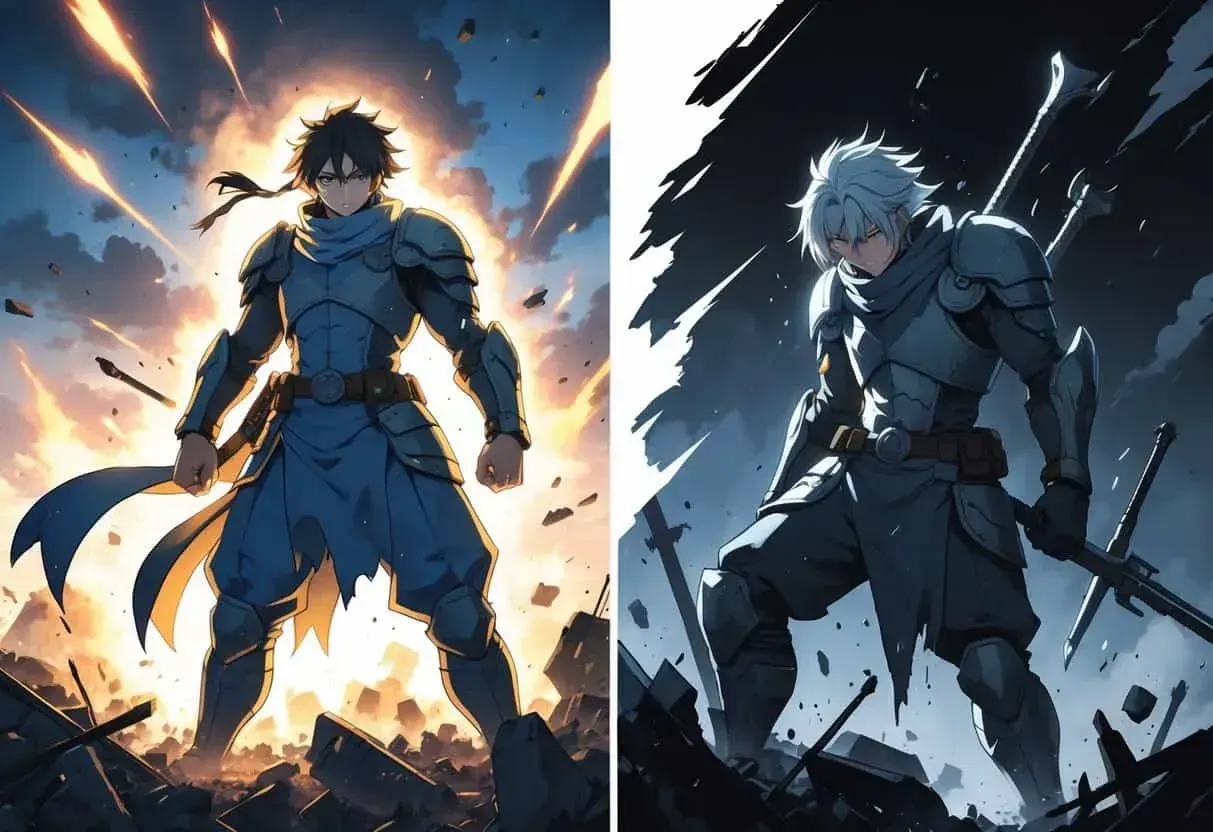
But when plot armor is too obvious or gets used too much, it can break the story’s realism and annoy viewers. You might spot this when main characters survive things that should’ve finished them off, with no real explanation. Classic examples include death-defying falls, energy blasts that only graze the hero, or timely rescues that feel contrived. In long-running series like Dragon Ball Z, Goku’s repeated returns from death via the Dragon Balls, while initially novel, eventually diminished the impact of his sacrifices. Similarly, in Fairy Tail, Natsu Dragneel’s victories often hinge on an unexplained surge of power, leaving viewers wondering why any battle is a threat.
This can strain belief, especially when the surrounding world shows ordinary characters facing dire outcomes.
Knowing how plot armor is used—well or poorly—can totally change how you enjoy an anime. By recognizing its presence, you can appreciate when it serves the narrative’s deeper goals or critique when it becomes a crutch. This article explores the mechanics of plot armor, its iconic uses, and the thin line between effective and ineffective deployment.
Understanding Anime Plot Armor
Anime plot armor means a character survives danger when, honestly, they shouldn’t. It keeps the story moving but sometimes feels a bit much. Let’s look at what plot armor really means, how it’s changed in anime, and how it shows up differently in anime versus manga.
Defining Plot Armor in Storytelling
Plot armor is when a character dodges death or serious harm in situations that should logically be fatal. It happens because the story needs them alive, not because of anything they do. You’ll see main characters walk away from huge battles or disasters that would wipe out most people. That’s plot armor at work. For a deeper dive, the concept is often explained on sites like TV Tropes, where plot armor is a recognized narrative device.
The term points out how writers keep important characters safe just to keep the plot going. It can really affect how believable a story feels, especially in anime where high-stakes combat is common. In some cases, plot armor extends to supporting characters; for example, in Bleach, Orihime Inoue’s healing abilities often function as a form of plot armor for the cast, systematically reducing injuries that should be permanent.
The Evolution of Plot Armor in Anime History
Plot armor’s been around since the early days of anime, especially in action and adventure. In classics like Fist of the North Star, Kenshiro shrugged off wounds that would fell ordinary men, his survival rooted in his martial arts mastery. As anime grew up, stories got more complex and plot armor became less obvious. Series like Cowboy Bebop introduced real consequences, where even beloved characters faced genuine peril—Spike Spiegel’s finale is a stark contrast to invincible protagonists. Some shows now actively try to explain why characters survive crazy stuff—think of Attack on Titan, where Eren’s survival is tied to his Titan powers, or Re:Zero, where Subaru’s Return by Death ability justifies his repeated escapes.
Still, a lot of popular anime lean on plot armor to keep heroes in the game. You’ll especially notice it in long-running shonen series where the story just can’t go on without certain people, like Detective Conan, where Conan Edogawa’s intellect helps him survive countless murder cases.
Plot Armor in Anime vs. Manga
Plot armor can look different in anime and manga. Manga, being the original source, sometimes has fewer instances of impossible survival because the format allows for more detailed exposition. Creators like Eiichiro Oda (of One Piece) often include subtle justifications in the panels—like Luffy’s rubber body limiting damage—that are lost in animated scenes. Anime adaptations, however, tend to amplify moments with dramatic pacing, extended combat sequences, and filler episodes. Animation lets creators stretch the action and the odds, making plot armor more visible.
For example, in the Bleach anime, Ichigo Kurosaki’s recoveries are stretched over multiple episodes, highlighting his near-invincibility, whereas the manga briefly implies his inner Hollow’s role. You might find that manga takes more risks, while anime sometimes pushes believability for the sake of a good scene. Both use plot armor, but the style varies, and savvy fans can compare the two to identify where the adaptation heightened the protection.
Iconic Examples of Plot Armor in Anime
You’ll spot plot armor all over the place in big-name anime, where the story needs to keep certain characters around. Some characters are practically untouchable because the plot depends on them. Others star in famous shows with moments that make their “protection” pretty obvious.
Shonen Icons and Their Unbreakable Survival
Take Goku from Dragon Ball or Naruto from Naruto. They survive fights that really should end them. Their survival feels like plot armor because the story just can’t move without them. Goku has died multiple times but returns thanks to the Dragon Balls, a plot device that ensures his continual presence; his first death against Raditz is tragic, but subsequent deaths become routine, draining their weight. Similarly, Naruto often survives thanks to the Nine-Tails chakra, which doubles as a narrative shield—in the fight against Haku, the Kyuubi’s power activates just in time.
Luffy from One Piece is another classic example. No matter how tough the enemy—like during his clash with Kaido, where he was defeated multiple times—he always finds a way out. Even when he’s outmatched, the plot sort of shields him so the adventure can go on. In Fullmetal Alchemist, Edward Elric faces all sorts of dangerous foes and injuries, but thanks to alchemy and his brother’s support, he rarely stays down for long. That’s plot armor, keeping the focus on his journey.
Other shonen heroes like Ichigo Kurosaki from Bleach also exemplify this: his fusion with his Hollow side often saves him at the last second, a contrivance that the manga acknowledges but the anime exaggerates.
Classic Series and Most Notorious Moments
Some older or classic anime really lean into plot armor, sometimes to a fault. In Saint Seiya, the Bronze Saints repeatedly survive attacks from Gold Saints through sheer willpower, which fans often attribute to plot armor. Pegasus Seiya, in particular, endures blows that should liquefy organs, rising again due to divine protection and the series’ reliance on cosmological symbolism. Shows that aired on Toonami—like Yu Yu Hakusho—featured Yusuke Urameshi surviving multiple near-death experiences without lasting repercussions; his death in the first episode is reversed, setting a precedent for minimal consequence. These moments stand out because they push what’s believable.
Even in iconic films like Akira, Kaneda’s survival in the catastrophic finale feels less like luck and more like a narrative shortcut. For more discussions, check out Crunchyroll’s breakdown of plot armor in popular series. Once you spot it, it’s hard not to notice which scenes feel earned and which feel a little forced.
When Plot Armor Works: Strengthening Story and Characters
Plot armor isn’t always bad. It can actually help a story when it supports character growth, fits the genre, raises tension, and leads to a satisfying ending. When it’s used with care, those big moments feel earned—not just handed out.
Driving Meaningful Character Arcs
Plot armor can be a tool to show a character’s journey. When someone survives a tough situation and comes out changed, you see growth. Consider Eren Yeager from Attack on Titan: his early survival allows him to mature from a vengeful youth to a complex anti-hero. His near-death experiences are framed as catalysts for his transformation. A hero barely escaping death might gain new confidence or insight, making their survival feel deserved, not just lucky.
To keep things believable, their skills and personality should line up with the challenges they face. For instance, Gon Freecss from Hunter x Hunter often relies on his sharp instincts, not random chance, to endure. His fight with Hisoka, where he doesn’t win but survives through cunning, shows how plot armor can highlight a character’s resourcefulness rather than undermine it.
Balanced Use Across Anime Genres
Plot armor isn’t just for action. In romance anime like Clannad, it protects relationships through dramatic conflicts, helping you get more invested in the couple. Tomoya Okazaki’s emotional endurance mirrors a kind of psychological plot armor; no matter how tragic events become, the story’s ultimate goal of emotional catharsis keeps him in a narrative cycle that ends in a literal reset. In sci-fi, like Steins;Gate, Rintaro Okabe survives time-travel anomalies again and again, but the story grounds this in his unique ability to retain memories—a condition called Reading Steiner. Good animation and believable themes make this easier to swallow, but if there’s never any real risk, the tension disappears.
Even in slice-of-life anime, plot armor can preserve a blissful status quo, as seen in K-On!, where the characters traverse high school without lasting failures or accidents.
Elevating Villains and Maintaining High Stakes
Plot armor works best when villains are actually threatening and the stakes stay high. If the bad guy is tough—like Meruem from Hunter x Hunter—main characters need real reasons to survive, like skill or clever plans. That keeps fights interesting. When protagonists face near-certain death and narrowly win, it reinforces the danger. In Death Note, Light Yagami’s survival is constantly threatened by his own hubris and L’s deductive genius; his plot armor is thin, making every encounter a tightrope walk.
If danger feels real, you stay hooked. But if plot armor saves characters for no good reason, villains lose their bite and the story starts to sag.
Crafting a Satisfying Finale Through Plot Armor
In a finale, plot armor can help deliver a satisfying payoff if it shows how far a character’s come. Surviving a final showdown that ties back to earlier struggles makes the ending hit harder. Fullmetal Alchemist: Brotherhood does this beautifully: Ed and Al’s survival in the final battle is earned through years of sacrifice and their learned limitations. The Elric brothers confront God and survive not by brute force but by applying the lessons of equivalent exchange—their plot armor has a philosophical basis. If characters walk away from everything without a good reason, the ending just falls flat.
Animation and themes should back up why the ending matters. When it’s done right, plot armor helps create a finale you’ll actually remember.
When Plot Armor Fails: Consequences and Criticism
Plot armor falls apart when characters survive or escape danger in ways that just don’t add up. It drops the excitement and makes it tough to care what happens next. You’ll see fans get pretty vocal about it, especially in anime circles.
How Plot Armor Can Undermine Tension and Stakes
When plot armor goes too far, it tanks the tension. If you see a character—maybe the armor guy or archer—survive impossible odds just because the writer says so, the danger feels fake. You stop worrying about fights or big moments. For example, in some arcs of Sword Art Online, Kirito’s survival often overrides the game’s deadly rules; in the Aincrad arc, his final stand against Kayaba Akihiko lacks the consequences that would make the world feel real. If supernatural forces or human transmutation are at play but nobody faces real consequences, the story loses its punch.
Major events start to feel pointless, and the drama just fizzles out. This is particularly jarring when side characters die by the dozens, but the main cast walks away with scratches, creating a disconnect in the world’s logic.
Fan Reactions and Critical Reception
Otaku—those hardcore anime fans—are quick to call out bad plot armor. They expect real risks and consequences. Reddit threads like this one on worst plot armor show how passionate viewers become. If a show like Record of Lodoss War or Fushigi Yuugi leans on it too much, fans complain about lazy writing. Sometimes, flashy music or giant robot scenes try to cover up weak story logic, but fans notice.
Online forums light up with debates about characters like Rose or Fujiko getting away with stuff they shouldn’t. It can really hurt a show’s reputation if fans feel cheated; for instance, the Sword Art Online fandom remains divided over Kirito’s plot armor, with many citing it as a reason for the series’ mixed critical reception.
Case Study: Record of Lodoss War and Its Flaws
In Record of Lodoss War, plot armor pops up when heroes walk away from brutal battles with barely a scratch. The high-fantasy setting promises a world of peril, yet Parn’s survival often seems more narrative necessity than skill. Sometimes there’s just no real explanation for how they made it out alive. This kind of thing can really suck the tension out of those big fantasy fights with swords and magic flying everywhere. Sure, quests for things like the philosopher’s stone are supposed to add some weight.
But when characters keep surviving against all odds, it gets tough to feel any suspense. The danger almost feels illusory, reducing the impact of the world’s rules and making the epic journey feel like a guided tour.
Case Study: The Plot Armor Pitfalls of Fushigi Yuugi
Fushigi Yuugi runs into the same snag. Miaka Yūki, the protagonist, repeatedly survives supernatural threats that, honestly, should’ve finished her. The universe’s logic often bends to keep her safe, especially during battles with celestial warriors like Tamahome. When a show ignores its own established rules just to keep someone alive, you can’t help but notice. Survival should come from the world’s rules, not just the writer’s whims.
This reliance on contrived escapes makes the romance and political intrigue feel hollow, as the central conflict loses its edge.
Modern Offenders: Fairy Tail and Black Clover
Newer series also stumble. In Fairy Tail, Natsu Dragneel’s victories often hinge on the “power of friendship,” a trope that critics label as plot armor. Key battles end with Natsu pulling strength from nowhere, undercutting the tension. Similarly, Black Clover features Asta, whose anti-magic abilities sometimes serve as a convenient get-out-of-jail card. While these tools are built into the narrative, their overuse makes conflicts feel low-risk.
In these cases, the plot armor doesn’t ruin the show entirely, but it does detract from the experience, especially for older viewers who have seen similar strategies in shows like Bleach or Naruto.
Mastering the Art of Plot Armor: Final Thoughts
Plot armor is a double-edged sword in anime. When used with restraint, it can amplify emotional investment and drive character arcs, as seen in Fullmetal Alchemist: Brotherhood or early Naruto. However, when overdone, it can weaken the story’s sense of reality, as with Fairy Tail or certain shonen climaxes. Good plot armor supports character development and plot progression, making survival feel like a moral or thematic necessity. The key is for creators to balance the needs of the narrative with the demands of a believable world.
By recognizing how plot armor functions, you can appreciate anime on a deeper level—and maybe forgive a few convenient escapes along the way.
Key Takeaways for Analyzing Plot Armor
- Plot armor can make stories more exciting if used carefully, fitting the themes and powers of the world.
- When overdone, it can weaken the story’s sense of reality, leading to fan backlash and reduced tension.
- Good plot armor supports character development and plot progression, often by grounding survival in the narrative’s logic.