Table of Contents
Anime songs hold a unique place in the hearts of listeners, often transcending the very series they were created for. When a show ends, its opening and ending themes can linger in the cultural consciousness, carrying the emotional weight of key story moments and character arcs. These tracks are not just background music; they become vessels for memory, capable of surfacing on playlists, in karaoke rooms, and across social media years after the final credits roll.
Some anime songs achieve a timeless status because they encapsulate universal feelings—loss, hope, determination—that resonate well beyond the context of the animated narrative.
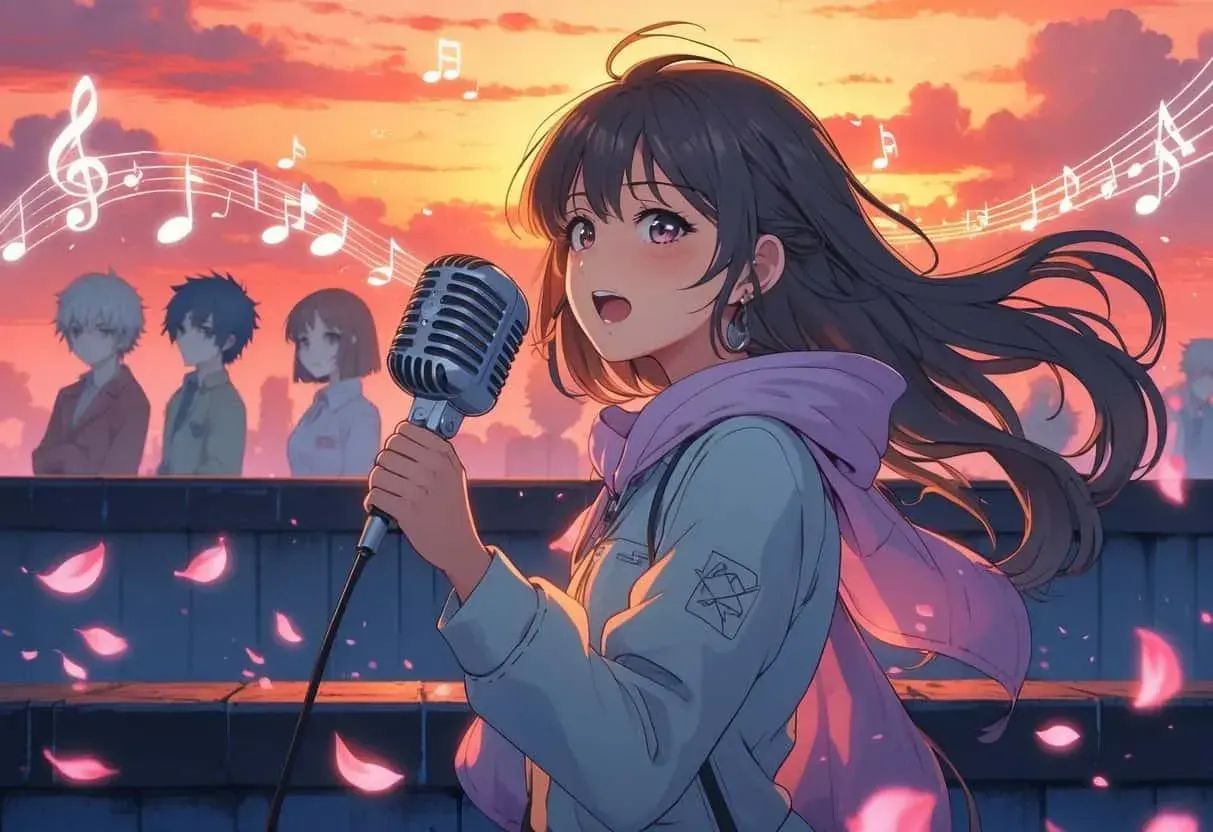
Tunes from series like Clannad and Anohana: The Flower We Saw That Day demonstrate this enduring power. The piano-driven ballads of Clannad: After Story, particularly the ending theme “Torch,” consistently appear on fan-compiled lists of the most emotionally charged anime songs. Similarly, the Anohana ending “Secret Base ~Kimi ga Kureta Mono~” has become a collective touchstone for grief and friendship, often covered by vocalists on video platforms and performed at fan conventions. These songs not only deepen the viewing experience but also shape the way fans interact with the story long after it has concluded. They create a lasting cultural footprint, influencing both music trends and the structure of fandom activities.
When an anime song outlives its source material, it transforms from a promotional tie-in into a standalone piece of art that can recruit new viewers—people who might stumble upon a track online and then seek out the series it represents. This enduring impact underlines how deeply anime music is woven into the fabric of entertainment.
What Makes an Anime Song Timeless?
Not every theme song manages to survive the end of a broadcast run. The ones that do often share specific musical and contextual qualities that elevate them above passing trends. Understanding these characteristics helps explain why certain tracks remain so deeply embedded in fan culture.
Musical Elements That Stick
At the core of every enduring anime song is a strong, hummable melody. Tracks like “Gurenge” by LiSA and “Unravel” by TK from Ling Tosite Sigure exemplify this: their hooks are instantly recognizable, often built on ascending vocal lines or unexpected dynamic shifts that grab attention. The arrangement matters just as much. Layered instrumentation, from orchestral swells to punchy guitar solos, can give a song a cinematic quality that echoes the visual grandeur of the anime itself. Production polish also cannot be ignored.
High-quality mixing and mastering allow a song to sound compelling on everything from cheap earbuds to live concert speakers, helping it remain relevant across multiple playback environments.
Lyrical content plays a major role in longevity. When a song’s words speak to broad, relatable themes—struggle, identity, love—it acquires a universality that survives the specific lore of its series. For instance, the lyrics of “Gurenge” talk about finding strength to move forward, a message that resonates with listeners regardless of whether they have watched Demon Slayer. This capacity to function as a standalone inspirational anthem is a hallmark of songs that refuse to age. Furthermore, vocal performance can turn a competent composition into a classic.
The raw emotional delivery in “Unravel” captures a sense of internal turmoil that feels genuine, encouraging repeated listens and covers that further extend the track’s lifespan.
Emotional Connection with Fans
A song becomes immortal when it acts as a sonic shortcut to a powerful sequence of images and feelings. Hearing the opening chords of “A Cruel Angel’s Thesis” instantly transports many fans to the neon-soaked world of Neon Genesis Evangelion and its psychological complexity. This associative memory is strengthened by the way anime weaves music into its narrative: an insert song during a character’s sacrifice, or an ending theme that plays over a heartbreaking montage, forges a direct link between the auditory and the emotional. Fans carry that link forward, using the song as a means to relive the experience.
Communal reinforcement also deepens this bond. When you hear a track being sung by hundreds of people at an anime convention’s karaoke room or see it trending in social media challenges, that shared energy amplifies your own attachment. The song becomes a badge of belonging, a marker of participation in a larger subculture. This sense of identity is why some tracks become permanent fixtures at events like the Animelo Summer Live concerts, where fan-favorite artists perform songs that debuted a decade or more ago to roaring crowds. The emotional investment moves beyond personal nostalgia and enters the realm of collective ritual.
Iconic Songs That Refuse to Fade
Certain tracks stand as pillars of the anisong genre, their influence spreading wider with each passing year. These songs have proven that an anime opening or ending can become a cultural artifact in its own right, recognized by people who may have never seen the series that spawned it.
“I Will” – A Ballad for the Ages
“I Will” remains a powerful ballad tied to a wave of mid-2000s anime that prioritized emotional storytelling. Its gentle instrumentation and earnest vocal delivery make it a song that feels intimate and expansive at once. Fans connect with its message of unwavering support and resilience, often citing it as a track they turn to during personal hardships. The song’s legacy is visible in the work of contemporary artists like Tia and Asca, whose vocal styles and sentimental compositions carry echoes of that era. By bridging the gap between soundtrack piece and personal anthem, “I Will” demonstrates how a well-crafted theme song can acquire a life completely independent of its original narrative context.
It frequently appears in YouTube compilations of “anime songs that make you cry” and continues to generate millions of streams on music platforms, proof that emotional sincerity never goes out of style.
The Legacy of Kageyama and Anison Pioneers
Hironobu Kageyama is a name synonymous with the golden age of anisong. As the vocalist for “CHA-LA HEAD-CHA-LA,” the iconic opening of Dragon Ball Z, Kageyama brought an electrifying energy that defined the childhoods of an entire generation. His powerful rock-inflected style, often delivered with a charismatic growl, set the template for countless shōnen anime themes that followed. Kageyama’s work with groups like JAM Project further cemented his role as an architect of the anisong union. Tracks from series as varied as Saint Seiya and One Piece carry his signature, and they remain staples at fan events internationally.
His influence stretches into modern acts, encouraging artists to bring a live-performance intensity to studio recordings. You can trace a direct line from Kageyama’s anthems to the grandiose openings of today, making him a foundational figure whose music outlives any single anime.
To stay current with Kageyama’s ongoing contributions, many fans follow his official JAM Project portal, which documents tour dates and new releases that continue to draw from that classic sound.
Openings and Endings That Define Generations
Anime openings and endings often function as time capsules. “Butter-Fly” by Kōji Wada, the opening of Digimon Adventure, is inextricably linked to a sense of childhood wonderment and adventure that still pulls at listeners who are now adults. The song’s undying popularity was poignantly highlighted by the outpouring of tributes following Wada’s passing, with fan-made memorial videos and cover projects keeping the melody alive. Similarly, the ending “Fukashigi no Carte” from Rascal Does Not Dream of Bunny Girl Senpai gained a second life online due to its dreamy atmosphere and the cast’s multi-voice version, which spawned endless remixes and relaxation loops on platforms like YouTube.
Insert songs also leave an indelible mark. The track “Kamado Tanjiro no Uta” from Demon Slayer features a folk-inspired arrangement that intensifies one of the series’ most pivotal battles, turning it into a moment that fans replay through the audio alone. These songs operate as emotional anchors, making the storytelling feel more immediate even on a rewatch years later. The combination of evocative vocals, strategic placement within the episode, and melodic strength ensures that such tracks are dissected in reaction videos and piano tutorials, extending their relevance indefinitely.
The Cultural Reach of Anime Music
Anime songs have breached the confines of television and streaming platforms to influence a wide array of media and live performance spheres. Their reach demonstrates that these tracks are not simply promotional material but integral parts of modern entertainment ecosystems.
Influence on Games and Manga
Video games frequently adopt anime songs to create instant emotional resonance or to tap into a pre-existing fan base. Rhythm games like osu! and Taiko no Tatsujin feature anisong packs that allow players to engage with tracks on a new interactive level. Major console titles on PlayStation, Nintendo Switch, and Xbox, especially those based on anime properties, integrate original soundtracks that borrow stylistic cues from legendary theme songs. This crossover is not limited to adaptations: manga promotions also harness the power of iconic songs. Trailers for new volumes or special editions are often scored with the anime’s most recognizable opening, helping to reignite interest in the source material.
In some cases, manga artists cite specific songs as inspiration for their story arcs, revealing a circular feedback loop where music and illustration fuel each other.
Anime Songs on the Charts and Stage
The commercial performance of anisong tracks on mainstream music charts underscores their widespread appeal. According to data from Billboard Japan, anime songs regularly break into the Hot 100, sometimes outperforming J-pop singles from non-anime contexts. For example, LiSA’s “Homura,” the ending theme for Demon Slayer: Mugen Train, shattered streaming records and topped year-end rankings, proving that an anime tie-in is no barrier to massive commercial success. The Oricon charts frequently reflect similar trends, with openings like “Shinzo wo Sasageyo!” from Attack on Titan experiencing prolonged stays in the top tiers.
Live performances amplify this chart momentum. The annual Animelo Summer Live gathering draws tens of thousands of attendees to watch artists perform songs that may have debuted years earlier. These concerts are not merely nostalgia showcases; they are high-production events complete with synchronized visuals and full backing bands, granting the tracks a new, concert-specific identity. Fan recordings from these events circulate widely, introducing the songs to international audiences who may never attend a Japanese concert in person. This cycle of live performance and digital sharing reinforces the tracks’ presence across borders and generations.
How Enduring Songs Shape Modern Fan Communities
In the digital age, fan communities have become the primary engines that keep anime songs alive beyond their original airing. Social platforms and critical discourse work together to amplify the significance of these tracks, transforming them into touchstones of identity and analysis.
Social Media and the Viral Revival
Sites like TikTok, Twitter, and YouTube have revolutionized how anime songs are rediscovered and shared. A fifteen-second clip of a catchy chorus can spawn a dance challenge or a lip sync trend that introduces a decade-old track to a generation of teenagers who were not even born when the series aired. “Renai Circulation” from Bakemonogatari saw a massive resurgence through such trends, with countless videos remixing its playful delivery into comedic skits and fan animations. This phenomenon not only sustains the song’s popularity but often prompts viewers to track down the original anime, driving a new wave of fandom. Cover artists and music producers further extend a song’s life by posting their own renditions on platforms like YouTube.
These covers range from faithful acoustic interpretations to full metal rearrangements, and they generate discussion threads that dissect the original’s composition in detail. The comments section of a popular cover can become a miniature forum where fans trade memories and recommendations, creating a persistent community around the music itself. Notable examples include the vast number of covers of “Gurenge,” some of which have amassed over 10 million views, as seen on channels like YouTube’s official Crunchyroll Collection.
Critical Acclaim and Editorial Perspectives
Editorial coverage in outlets like Anime News Network and gaming-focused publications frequently highlights how a powerful theme song can elevate an entire series. When game reviews discuss anime-inspired titles, they often single out the soundtrack as a key component of the experience, citing iconic songs that tie into the gameplay or narrative. Critics examine how a well-chosen opening sets the tone before a single line of dialogue is spoken, and they analyze the lyrical depth that might go unnoticed on a casual listen. This serious critical attention validates the art form and encourages long-time fans to re-engage with the music analytically. Articles that rank the “best anime openings of all time” inevitably spark debates and reminiscence, keeping the songs in the public conversation.
The Anime News Network editorial section frequently publishes retrospectives on legendary anime music, offering context about the industry conditions that produced these hits and their long-term influence on both Japanese and global pop culture. Such pieces serve as historical records, ensuring that even after decades, the legacy of these songs is documented and debated by a new generation of enthusiasts.
By traveling through social feeds and editorial pages, timeless anime songs maintain a vibrant, evolving relationship with the public. They act as a bridge connecting old fans with new, and they keep the spirit of their original series alive through every cover, meme, and critical essay. The music becomes a living archive, reminding us that the emotional truths captured in a three-minute track can echo far longer than any single episode.