Table of Contents
A Global Phenomenon: What Makes Demon Slayer Unmissable
Demon Slayer: Kimetsu no Yaiba has rapidly ascended from a promising manga series to an international cultural juggernaut. The anime adaptation, produced by Ufotable, shattered box office records with the film Mugen Train, and the television series consistently ranks among the most-watched and discussed shows worldwide. Even with such acclaim, a common question persists: Is Demon Slayer boring, or is it truly worthy of the hype? The answer is a resounding no. This anime is a masterclass in visual storytelling, emotional depth, and kinetic action. Here are five definitive reasons why you should watch Demon Slayer, explained in detail.
No. 1: The Outstanding Animation
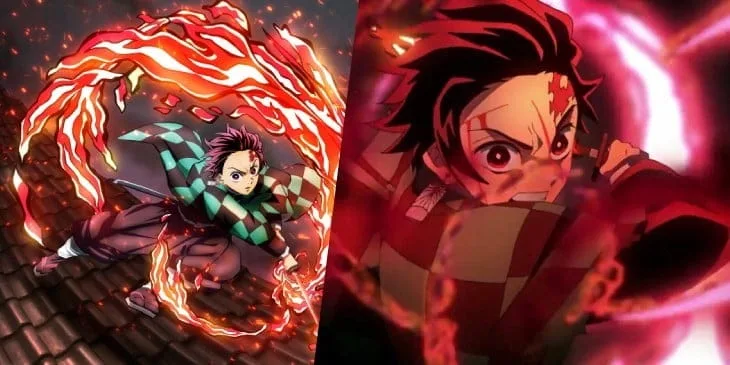
When viewers talk about Demon Slayer, the conversation almost always begins with its visual presentation. Ufotable has long been revered for its ability to merge 2D animation with 3D environments, but this series represents the studio’s peak. The animation is not merely fluid; it is expressive, breathtaking, and integral to the narrative.
Ufotable’s Signature Craftsmanship
Ufotable employs a distinctive approach that blends traditional hand-drawn characters with digitally rendered backgrounds. This hybrid technique creates a sense of depth and immersion that is rare in television anime. Camera movements are dynamic, swooping through forests, across rooftops, and into the heat of battle, giving the viewer a cinematic experience. The attention to detail is staggering, from the intricate patterns on a character’s haori to the subtle reflection of light on a blade. Every frame feels meticulously composed, which elevates even quiet, dialogue-driven scenes into visual feasts.
The Revolutionary Breathing Styles
The heart of the animation’s spectacle lies in the visualization of the Breathing Styles. In the lore, swordsmen use specialized breathing techniques to enhance their physical abilities and channel elemental effects. These are not literal elements, but the animators treat them as such, rendering Water Breathing as crashing, cerulean waves and Flame Breathing as roaring, incandescent infernos. The effect is a dazzling fusion of period-accurate swordplay and supernatural artistry. The famous battle against Rui in the first season's episode 19 stands as a benchmark: the seamless rotation of the camera, the interplay of fire and water, and the raw emotionality packed into a single, continuous cut left the anime community in awe.
It demonstrated that animation could transcend simple motion and become pure poetry.
Emotional Storytelling Through Visuals
Beyond the adrenaline, the animation amplifies the story’s emotional core. Characters’ micro-expressions—a trembling lip, a narrowed eye, a tear carving a path through dried blood—are rendered with such fidelity that the pain and determination feel immediate. The use of color is also symbolic; the cold, blue tones of Tanjiro’s early grief contrast sharply with the warm, fiery hues of his resolve. Ufotable understands that in anime, how a scene looks is often how it feels, and Demon Slayer is a triumph of emotive design.
No. 2: The Characters Are Relatable and Likable
An anime can have the best animation in the world, but it will fall flat without characters worth investing in. Demon Slayer populates its world with a cast that is not only memorable but deeply human—even the literal demons.
Tanjiro Kamado: Empathy as Strength
The quintessential shonen hero is often brash, loud, and naive. Tanjiro subverts that archetype. His defining trait is not a hunger for power but an unyielding kindness. After his family is slaughtered and his sister Nezuko transformed into a demon, Tanjiro’s first instinct isn’t pure revenge—it’s a desperate, loving search for a cure. He treats even his enemies with a startling compassion, recognizing that many demons were once human victims of Muzan Kibutsuji’s manipulation.
This empathy never weakens him; it sharpens his resolve. Watching Tanjiro cry for a dying demon after decapitating it is a profoundly moving juxtaposition, and it sets the tone for the entire series.
The Unbreakable Trio
Tanjiro’s journey is made bearable and often hilarious by his companions. Zenitsu Agatsuma is initially introduced as a shrieking, cowardly mess, terrified of nearly everything. Yet, when unconscious, his true swordsmanship emerges—a lightning-fast, single-form technique that is among the deadliest in the Corps. His unabashed love for Nezuko and his hidden courage create a character arc that is as funny as it is heartwarming. Inosuke Hashibira, a boy raised by boars, wields two serrated swords and a personality as wild as his looks.
He constantly challenges Tanjiro, shouting and charging headfirst into danger, but beneath the bluster is a slowly blossoming respect for friendship. Their bickering, teamwork, and mutual growth form the emotional backbone of the series.
The Tragic Demons and the Mighty Hashira
Even the antagonists are imbued with striking depth. Most demons were vulnerable humans whose desperation or tragedy Muzan exploited. The series often dedicates entire episodes to the bittersweet memories that flash before a demon’s final death, showing the family they lost or the pain they endured. This narrative generosity ensures that battles are not just conflicts of strength but collisions of tragic histories. Meanwhile, the Hashira, the nine elite swordsmen of the Demon Slayer Corps, are introduced with spectacular flair.
From the steadfast flame Hashira Kyojuro Rengoku to the insect Hashira Shinobu Kocho, each Pillar embodies a unique philosophy and fighting style, making every encounter with them an event. Their charisma and distinct designs make the world feel expansive and lived-in.
No. 3: The Battles Are Exciting and Intense
Demon Slayer is action-dense, but it never lets spectacle overshadow substance. Every clash of steel is a high-stakes confrontation where strategy, character growth, and raw emotion converge.
Strategic Swordplay and High Stakes
Fights in this universe are not mindless slugfests. The demons, particularly the Twelve Kizuki (Upper and Lower Moons), possess deadly Blood Demon Arts that can warp perception, manipulate threads, or create pocket dimensions. Defeating them requires more than strength; it demands ingenuity. Tanjiro, Zenitsu, and Inosuke must constantly adapt, using their surroundings, exploiting the demons’ psychological weaknesses, and pushing their own physical limits. The series does not shy away from the brutal reality of their profession.
Characters lose limbs, bleed copiously, and sometimes die. The tension is ever-present because the narrative establishes early that no one is safe simply because they are a protagonist.
The Power System: Total Concentration Breathing
At the core of the combat system is Total Concentration Breathing, a method that drastically boosts a slayer’s blood flow and physical prowess. Mastering it is a grueling process, and the series clearly delineates the skill gap between novices and Hashira. When a character finally achieves a breakthrough—landing a clean hit after being overwhelmed—the payoff feels earned. The visual representation of these techniques, as mentioned, is stunning, but the underlying logic of stamina, recovery, and technique keeps the battles grounded and satisfying.
Humor in the Midst of Horror
One of the series’ most brilliant balancing acts is its comedic timing. Moments after a harrowing, life-or-death exchange, Inosuke might contort his body in an absurd pose, or Zenitsu might awake from a faint and realize he’s soaked in demon blood, prompting a high-pitched meltdown. These beats are never jarring; they feel organically woven into the characters’ personalities, offering the audience a chance to breathe. The humor reinforces the humanity of the corps, reminding us that behind the murderous intent of the demons and the rigorous training, these are still teenagers who find absurdity and light in the darkness.
No. 4: The Story Is Rich and Engaging
Beneath the flashy action, Demon Slayer is a story about family, grief, and the unshakeable will to survive. Its narrative is elegantly structured and thematically cohesive, making it a rewarding watch from start to finish.
A Tale of Revenge and Redemption
The plot is straightforward in the best way: Tanjiro must find a cure for Nezuko and put an end to Muzan Kibutsuji, the progenitor of all demons. This mission becomes a powerful vehicle for exploring the world’s mythology. The series slowly unspools the tragic origins of Muzan, the history of the breathing styles, and the generational trauma inflicted by the demon plague. Every arc—from the selection exam to the battles in the Entertainment District—adds a crucial piece to the puzzle while advancing character development.
Themes of Family and Sacrifice
The bond between Tanjiro and Nezuko is the heart of the series. Nezuko, though transformed, resists her demonic urges and actively protects humans, a rarity that fascinates and threatens the established order. Their sibling connection is a beacon of hope, proving that love can transcend even a monstrous curse. The contrast with Muzan, who views his subordinates as disposable tools, could not be sharper. Other relationships echo this theme: the butterfly sisters, the brothers of the Rengoku family, and even the surrogate families formed within the Corps.
Demon Slayer continually asks what it means to protect someone and what price one is willing to pay, a question that resonates universally.
Immersive World-Building and Lore
The setting, inspired by Japan’s Taisho era (1912–1926), is a rich backdrop. The blend of traditional rural life with encroaching modernity—electric lights, trains, and western clothing—creates a unique aesthetic. The lore is introduced organically through training arcs and encounters, never bogging down the narrative. The hierarchy of the Demon Slayer Corps, the selection process involving Wisteria flowers (which demons detest), and the Hanafuda earrings passed down through Tanjiro’s family all add layers of meaning. This depth rewards attentive viewing and provides a sturdy framework for the story’s more fantastical elements.
No. 5: The Soundtrack Is Amazing
A great anime is often defined by its music, and Demon Slayer’s score is a monumental achievement in its own right, composed by two giants of the industry.
The Dual Genius of Yuki Kajiura and Go Shiina
The soundtrack is the result of a collaboration between Yuki Kajiura, known for her ethereal choirs and sweeping melodies, and Go Shiina, celebrated for his dynamic orchestrations and blending of traditional Japanese instruments with modern arrangements. This fusion is the soul of the series. Shiina’s tracks, heavy with taiko drums and shamisen, channel the rustic, urgent energy of the battlefield, while Kajiura’s vocal arrangements invoke a sense of mythic tragedy. Pieces like “Kamado Tanjiro no Uta” swell with an aching beauty that perfectly underscores the climactic moments of sorrow and triumph.
Iconic Vocal Themes
The opening and ending songs performed by LiSA have become anthems beyond the anime sphere. “Gurenge” captures the fiery determination of the corps with its driving rhythm and passionate vocals, while “Homura” (composed for the Mugen Train film) is a poignant, piano-driven ballad that wrenched tears from audiences worldwide. These songs are not merely promotional tools; they are narrative extensions that reflect the characters’ inner states. The placement of each track is precise, ensuring that the music never overpowers a scene but instead amplifies the intended emotional response—be it shivers of excitement during a power-up or a quiet, reflective sorrow after a loss.
Music as a Narrative Force
Listen carefully, and you will notice how leitmotifs evolve with the characters. Tanjiro’s theme transforms from mournful to resolute. Nezuko’s music box-like melody is delicate but carries an undercurrent of strength. The demon themes are dissonant and eerie, yet often give way to a melancholic strain as their backstories are revealed. This thoughtful composition makes the soundtrack an invisible narrator, guiding the audience’s emotions with masterful precision.
Why the Hype Is Justified
Beyond these five pillars, the series’ record-breaking success is a testament to its universal appeal. It won Anime of the Year at the 2020 Crunchyroll Anime Awards and the Tokyo Anime Award Festival for Best TV Animation, among many other accolades. Its global box office dominance with Mugen Train proved that anime, even those with deeply Japanese cultural roots, could captivate the entire world. Demon Slayer is not overrated; it is a phenomenon that delivers on every front—visual splendor, emotional depth, and a story that makes you want to cheer for its heroes.
So, should you watch Demon Slayer? Absolutely. It offers a complete experience that can entertain a casual viewer and satisfy a dedicated fan of the medium. It demonstrates how courage, kindness, and unwavering love can light up even the darkest nights. This is a series that will make you laugh, cry, and gasp, often within the same episode, and it is an anime that you do not want to miss.
Frequently Asked Questions
Why should anyone watch Demon Slayer?
Anyone who enjoys a blend of action, fantasy, and emotional storytelling should watch Demon Slayer. The series combines breathtaking animation from Ufotable, deeply relatable characters like Tanjiro and Nezuko, and an intense, strategic combat system. Its soundtrack by Yuki Kajiura and Go Shiina elevates every scene. Whether you’re drawn to spectacular fight choreography or a narrative rich with themes of family and redemption, Demon Slayer delivers a thoroughly captivating experience that resonates with audiences of all ages.
Who should watch Demon Slayer?
Demon Slayer is suitable for viewers aged 13 and older, as it contains scenes of violence, blood, and horror related to demonic battles. It is a quintessential shonen series, meaning it will appeal strongly to fans of action-oriented anime and manga, but its emotional nuance and historical Taisho-era setting also make it accessible to a broader audience interested in character-driven fantasy. The story’s emphasis on empathy and resilience crosses demographic boundaries.
Is Demon Slayer anime boring?
No, Demon Slayer is far from boring. The narrative moves at a deliberate but engaging pace, interweaving intense training arcs with high-stakes battles that are as inventive as they are visually spectacular. The comedic timing of characters like Zenitsu and Inosuke provides regular relief, while the tragic backstories of the demons add a layer of poignant depth that keeps the emotional stakes high. Virtually every arc culminates in a sequence that leaves the viewer breathless and eager for more.
Is Demon Slayer anime overrated?
Despite its immense popularity, Demon Slayer consistently earns its acclaim through quality rather than hype alone. It has won major awards including Anime of the Year at the Crunchyroll Anime Awards and the Best TV Animation prize at the Tokyo Anime Award Festival. The series benefits from an exceptional production team, a critically praised soundtrack, and a narrative that treats both its heroes and villains with genuine empathy. Its global fanbase is a direct result of its ability to deliver a masterfully crafted story.
Is it worth watching Demon Slayer?
Absolutely. Watching Demon Slayer is investing time in a series widely regarded as a modern classic. From the crisp, fluid animation of the fight scenes to the tear-inducing musical scores, every aspect of the production has been honed to near perfection. It is a story about the best of humanity persisting in a world overrun by demons, making it both inspiring and deeply entertaining. Few anime in recent years have managed to blend commercial success with such artistic integrity.
Is Demon Slayer interesting?
Demon Slayer is immensely interesting due to its layered world-building and the moral complexity of its characters. The power system of Breathing Styles is cleverly constructed, the historical setting provides a unique flavor, and the central mystery surrounding the first demon, Muzan Kibutsuji, serves as a compelling narrative thread. The series poses thought-provoking questions about human nature, loss, and the cycle of hatred, all while delivering edge-of-your-seat action sequences that make it impossible to look away.