Table of Contents
The Evolving Landscape of Anime Consumption
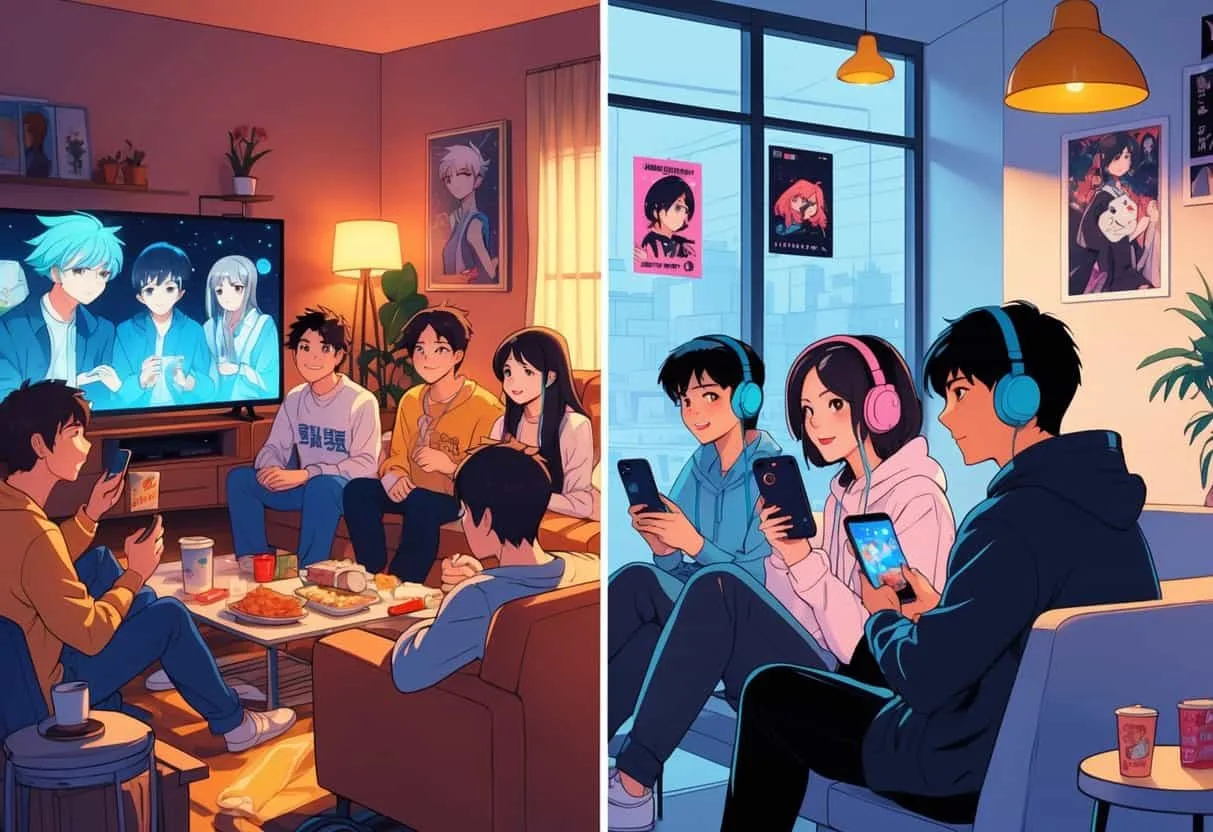
Anime’s global explosion has redefined entertainment, but not all fans experience it the same way. Millennials and Gen Z both fuel the industry’s multi-billion-dollar growth, yet their viewing paths, motivations, and engagement styles diverge sharply. These differences aren’t just about age—they reflect distinct eras of technology, media availability, and social connection.
For Millennials, anime was a subcultural treasure hunted through late-night TV blocks, imported VHS tapes, and early dial-up internet. Gen Z steps into an always-on, algorithm-curated ocean of content on smartphones. This generational gap influences everything from binge rhythms to spending choices and even the stories that resonate most. Understanding these shifts helps studios, marketers, and platforms connect more meaningfully with each audience.
The contrast extends beyond hardware. Millennials grew up with a slower, more deliberate consumption cycle—relying on word-of-mouth or physical magazine reviews to discover what to watch next. Gen Z navigates a reality where content finds them through push notifications and personalized feeds. These differences shape not just what they watch, but how they value and interact with the medium as a whole.
How Millennials Discovered Anime: TV, Bootlegs, and Early Forums
If you came of age in the 1990s or early 2000s, your anime gateway likely involved a television set. Cartoon Network’s Toonami block and Adult Swim’s late-night runs introduced millions to Dragon Ball Z, Sailor Moon, and Cowboy Bebop. Scheduled broadcasts meant you had to be there, remote in hand, or set the VCR. Missing an episode felt like losing a piece of a carefully guarded world.
Physical media dominated: DVDs and VHS box sets were prized possessions, often shared among small friend circles. Fan subs—painstakingly translated by early online communities—circulated on burned discs or via peer-to-peer networks like LimeWire. The effort required to obtain anime created a deep sense of investment and nostalgia. For many Millennials, anime is forever tied to the thrill of the hunt and the feel of a DVD case in a backpack.
Online forums such as Anime News Network’s boards, Gaia Online, or dedicated IRC channels served as the first digital watercoolers. Conversations grew slowly, threads lasting days or weeks. The pace allowed for long-form analysis, but the community remained niche. Millennials often kept their fandom semi-private, a subculture you didn’t broadcast to everyone. Trading fansubs or sourcing rare merchandise from import shops required patience and persistence—traits that became markers of a dedicated fan identity.
Gen Z’s Streaming and Social Media-Driven Anime Experience
Gen Z lives in a radically different reality. Streaming giants like Crunchyroll and Netflix’s anime catalog deliver thousands of titles instantly, often with multiple subtitle and dub options released within hours of the Japanese broadcast. The smartphone is the primary screen—anime fits into commutes, lunch breaks, and late-night scrolling.
Binge-watching is the default. Entire seasons drop at once, and the serialized, cliff-hanger structure of many modern shows feeds a compulsive next-episode loop. But discovery doesn’t happen solely on platform homepages. Apps like TikTok, Instagram Reels, and YouTube Shorts serve as powerful recommendation engines. A 30-second clip of a climactic fight or emotional breakdown can catapult an obscure series into viral fame overnight.
This instant, visual discovery shortens the gap between “never heard of it” and “I’ve watched all 24 episodes.”
Algorithms on both social media and streaming services shape taste. Gen Z often trusts a creator’s reaction or a well-edited AMV more than a traditional review. The cultural conversation around anime is fast, visually dense, and globally interconnected. Memes and trends cross language barriers, turning shows into shared social currency. This generation doesn’t just watch anime; they wear it, remix it, and perform it across digital spaces.
Third-party tools also play a role: apps like MyAnimeList, AniList, and AniDB help Gen Z track what they watch, generate recommendations, and share libraries with friends. These platforms often integrate with Discord bots, allowing for real-time watch parties and automated episode countdowns. The infrastructure around anime is now a seamless extension of daily digital life.
Divergent Storytelling Preferences: Depth vs. Diversity
The narrative DNA that hooks Millennials often differs from what captivates Gen Z. Older viewers frequently gravitate toward sprawling epics with clear heroic journeys—One Piece, Naruto, Fullmetal Alchemist. These series build emotional heft over hundreds of chapters, rewarding long-term commitment. Themes of sacrifice, friendship, and moral absolutism resonate deeply, reflecting a more linear media landscape.
Gen Z, by contrast, shows a strong appetite for shorter, tightly paced series and narratives that challenge conventions. Shows like Chainsaw Man, Odd Taxi, or Beastars thrive on ambiguity, psychological complexity, and genre-blending. There’s a demand for representation that mirrors their diverse, often fluid identities. Mental health, systemic injustice, and the ethical implications of technology surface more frequently. Even romance and slice-of-life anime now probe topics like asexuality, non-binary identities, and chronic anxiety.
Visually, Millennials often savor classic cel animation or the golden age of 2000s digital art. Gen Z embraces bold, experimental visuals—think Mob Psycho 100’s abstract psychic battles or the hyper-saturated palette of Jujutsu Kaisen. The storytelling model itself has changed: Gen Z viewers often prefer stories that feel authentic and immediate, not necessarily epic. A tight 12-episode run that leaves an indelible mark often triumphs over a 300-episode saga.
This shift mirrors broader changes in media consumption. Growing up with endless content libraries, Gen Z tends to sample widely rather than commit deeply. Series that deliver a powerful emotional punch in a single cour (season) win loyal followings, while long-running shonen shows struggle to maintain hype outside of legacy fans. The popularity of anthology-style shows or those with self-contained arcs reflects this preference for digestible, high-impact storytelling.
Community and Fandom in the Digital Age
Millennials built fandom from the ground up. Conventions like Anime Expo or Otakon were (and remain) meccas for meetups, cosplay, and exclusive merch. Fan art circulated on DeviantArt; discussions lived on MyAnimeList and specialized blogs. The barrier to entry meant that being an anime fan was an active participation identity—you created, argued, and archived.
For Gen Z, fandom is seamlessly integrated into daily social media life. Cosplay isn’t just a convention event; it’s a TikTok transformation, an Instagram carousel, a live stream on Twitch. Content creators—anime YouTubers, reacting V-tubers, cosplayer influencers—curate taste and foster micro-communities around specific shows or ships. Platforms like Discord provide real-time, ephemeral gathering spaces where theories evolve by the hour.
The emotional texture of fandom also differs. Millennial communities often emphasize collecting and preserving knowledge—maintaining episode guides, scanning rare art books, and hosting lengthy retrospectives. Gen Z fandom is more fluid and performative, with rapid cycles of hype and nostalgia. Participating in a trending anime challenge on TikTok can feel as meaningful as owning a rare cel. Both forms are valid, but the tools and speed are worlds apart.
Virtual events, like digital concerts for anime music artists or metaverse-style watch parties, further dissolve the boundary between viewer and community.
One notable development is the rise of “simulpub” and “simulcast” culture. Gen Z engages with series as they drop, often discussing spoilers within minutes of an episode release. This real-time discourse creates a shared experience that transcends geography. Millennials, accustomed to waiting for local broadcasts or DVD releases, instead built fandom around delayed gratification and collective anticipation. The difference in pace affects how deeply each generation bonds with narratives and characters.
Monetization and Spending Habits: From Physical Media to Micro-Transactions
How each generation opens its wallet tells a larger story about the anime economy. Millennials retain a collector’s mentality. Limited-edition Blu-ray box sets, high-end figures, and art books represent a tangible connection to beloved series. A recent industry report shows that while physical media sales have declined overall, premium and nostalgia-driven merchandise still thrives, often driven by older fans with disposable income.
Gen Z’s spending leans heavily toward micro-premiums and digital goods. Subscription services are the baseline—monthly fees for Crunchyroll, Funimation, or platform-specific anime channels become routine bills. But the real shift lies in in-app purchases, digital collectibles, and virtual experiences. Many anime mobile games, such as those based on Demon Slayer or My Hero Academia, monetize through gacha mechanics that appeal to the thrill of low-cost, repeated spending.
Flexible payment models are also gaining traction. Some platforms now offer per-episode rental or early-access passes for a small fee, aligning with Gen Z’s preference for affordable, low-commitment transactions. The integration of anime IPs into financial products is another frontier: themed debit cards or crypto wallets tied to anime brands quietly enter the market, merging fan identity with daily finance.
Merchandise itself has adapted. While Millennials covet high-end resin statues, Gen Z gravitates toward “blind boxes” (mystery mini-figures), acrylic standees, and themed apparel. The global market for anime games has surged, with live-service titles generating recurring revenue through battle passes, character skins, and limited-time events. Both generations sustain the industry, but they demand different marketing strategies and product design.
The Globalized Anime Market and Cross-Cultural Impact
Globalization isn’t new, but its texture has changed. When Millennials first connected with anime, cultural references and language often required heavy explanation. Subtitles were a barrier, and understanding Japanese honorifics or festivals was part of the learning curve. Gen Z, however, enters a landscape where anime and Japanese culture are thoroughly mainstream and meme-ified.
Many Gen Z viewers pick up Japanese phrases, follow seasonal trends like cherry blossom viewing through social media, and adopt stylistic elements from anime fashion. The viral success of songs by YOASOBI or eve, often used in anime openings, demonstrates how music and visual culture cross borders effortlessly. This deep cultural interweaving means Gen Z doesn’t look at anime as a foreign product; they see it as part of a global pop culture fabric, alongside K-pop and Marvel.
The market response is massive. Western production companies now co-produce anime, and Netflix invests heavily in original anime content aimed at a global Gen Z audience. The speed of cultural exchange means that a Japanese broadcast can trend worldwide on Twitter within minutes. Market data shows that overseas revenue has surpassed domestic earnings for several major studios, a direct result of this always-connected generation driving demand.
This mainstreaming also influences licensing and localization. Dubs are often released simultaneously with subs, and scripts incorporate culturally adaptive humor rather than direct translations. Marketing campaigns leverage influencers across multiple time zones. The result is a feedback loop: Gen Z’s preferences shape what gets produced and how it’s presented, while Millennials’ nostalgia-driven spending keeps legacy franchises viable.
What the Future Holds: AI, Virtual Reality, and New Frontiers
Emerging technologies will only widen—and in some ways bridge—this generational gap. Millennials may approach AI-generated anime or virtual reality experiences with cautious curiosity, while Gen Z, raised on interactive media and V-tubers, is likely to embrace them as natural extensions of fandom.
Virtual idols like Hatsune Miku already paved the way. Now, AI-powered anime companions, personalized story branching based on viewer emotion, and VR concerts held in fully realized anime worlds are on the horizon. Studios experiment with tools that let fans remix scenes or generate licensed fan art within approved ecosystems, a move that appeals to the participatory nature of Gen Z fandom.
On the practical side, AI is transforming production itself. Automated in-betweening, background generation, and voice synthesis are reducing costs and accelerating release schedules. This may lead to more experimental short-form anime tailored to smartphone-first audiences—content optimized for vertical video, silent viewing with captions, or interactive choose-your-own-adventure formats. Millennials may prefer traditional episode structures, but Gen Z’s appetite for bite-sized, interactive narratives will push boundaries.
Both generations will influence these developments. Millennials, many now in creative or executive roles, will shape production values and storytelling integrity. Gen Z will push for more immersive, socially integrated, and on-demand experiences. The collision of nostalgia-driven demand for legacy franchises and a hunger for cutting-edge interaction will define the next decade.
Ultimately, how you watch anime isn’t just about the screen in front of you. It’s a mirror of your media upbringing, your social world, and your expectations of what stories can do. Millennials and Gen Z may start their anime journeys at different coordinates, but they share the same destination: a love for stories that expand the imagination. Understanding the differences only enriches the conversation and ensures anime’s evolution continues to surprise and unite.