Table of Contents
The Undeniable Allure of Youthful Genius in Anime
Anime prodigy characters command attention the moment they appear on screen. They shatter the ordinary by demonstrating superhuman intellect, combat instincts, or creative mastery while still navigating adolescence. This narrative device does more than flaunt raw talent—it reshapes how audiences engage with the story. A sixteen-year-old strategist outmaneuvering seasoned generals or a middle school musician composing symphonies overnight isn't just spectacle; it’s a direct invitation to imagine untapped potential within ourselves.
The appeal runs deeper than simple power fantasy. By anchoring extraordinary ability in a young frame, creators bridge the gap between aspirational adulthood and the emotional turbulence of growing up. Viewers don’t just watch a prodigy succeed; they watch someone who shares their insecurities, friendships, and first-time experiences operate on a level that reshapes their world. The tension between youthful vulnerability and near-perfect execution keeps the narrative charged. These characters aren’t flawless, and their moments of doubt humanize the brilliance.
The result is a figure who is simultaneously an icon to admire and a reflection of our own formative years.
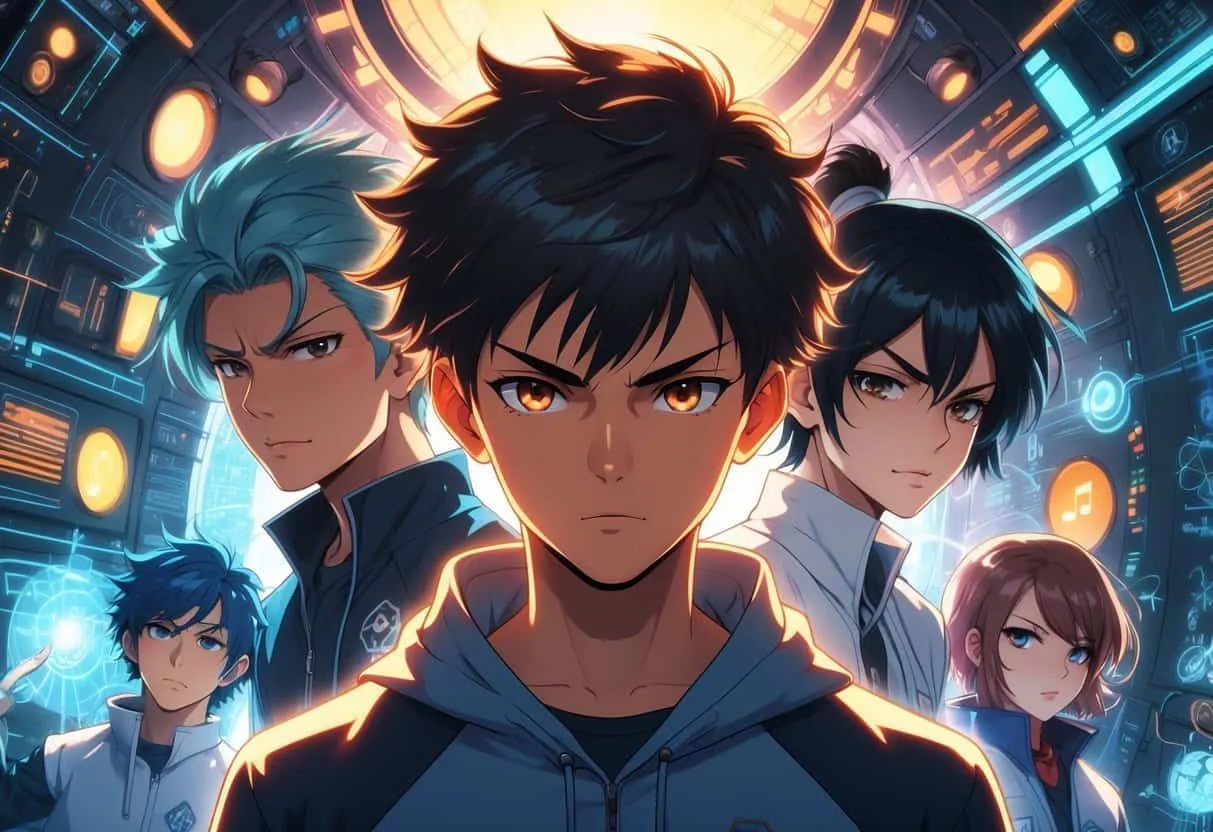
Prodigy characters thrive across demographic lines, but shonen and shojo series weaponize them with particular effectiveness. When a story’s primary audience is teens and young adults, seeing a peer outpace entire institutions becomes a deeply personal viewing experience. The prodigy validates the restless feeling that youth can be more than a waiting room for adulthood. This resonance transforms passive watching into emotional investment. The character’s victories feel earned on behalf of the audience, and their failures sting as shared disappointments.
That bond turns a well-written prodigy into a cultural touchstone long after the final episode airs.
Furthermore, these characters inject kinetic energy into genres that might otherwise settle into predictability. In slice-of-life settings, a prodigy’s accelerated growth compresses years of development into a single season, avoiding stagnation. In battle anime, they raise the ceiling of what’s possible, forcing the entire cast to evolve. Their presence guarantees that the status quo is always under threat. This destabilizing force is essential for long-running series, where viewer fatigue can set in without consistent narrative jolts.
A prodigy character, by their very existence, promises that the next breakthrough is just a training arc away.
Core Traits That Make Anime Prodigy Characters Stand Out
Prodigy characters succeed or fail based on the strength of their defining traits. While raw talent is the entry ticket, it’s the deliberate combination of visible skills, striking design, and layered internal growth that cements their place in viewer memory. A prodigy who is merely powerful becomes forgettable; one whose abilities, aesthetic, and evolution work in harmony becomes immortalized in fan art, debate forums, and cosplay halls.
Exceptional Talent and Abilities
The foundational trait of any anime prodigy is an almost unsettling level of natural aptitude. This manifests in combat genius, strategic brilliance, accelerated learning curves, or artistic creation that dwarfs the efforts of adults who have dedicated their lives to the same craft. The anime doesn’t just tell you they’re talented; it demonstrates it through clear, measurable moments—a chess master calculating fifty moves ahead while barely glancing at the board, a fighter dismantling an elite opponent without breaking a sweat, or a programmer rewriting reality on the fly.
What separates compelling prodigy talent from lazy writing is internal consistency. An exceptionally detailed analysis of child prodigies by developmental psychologists notes that extraordinary ability comes with specific cognitive patterns. Anime often mirrors this by showing how a prodigy’s brain processes information differently. Characters like Shikamaru Nara from Naruto don’t just act smart; their internal monologues reveal a layered thought process that recontextualizes every lazy action. This peek behind the curtain makes the talent feel earned even when it’s presented as natural.
Rapid skill progression is the prodigy’s signature. While a hard-working rival might struggle for episodes to master a technique, the prodigy absorbs it after seeing it once, then optimizes it. This lopsided growth fuels narrative tension. The audience wonders not whether they’ll succeed, but what the ceiling actually is—and what personal cost comes with reaching it. The talent becomes a question as much as an answer, driving the plot forward with each new revelation.
Unique Character Design
Visual language does heavy lifting in establishing prodigy status. Anime designers encode genius into every frame: an unnatural, almost unsettling calm in the eyes, clothing that defies school uniform conventions, or color palettes that contrast violently with the rest of the cast. A character might sport asymmetrical bangs that hint at a mind that doesn’t fit inside standard boxes, or accessories that subtly telegraph their specialty—a scarf that contains hidden tools for a mechanic prodigy, or gloves worn indoors to protect the hands of a virtuoso violinist.
This design philosophy extends beyond static appearance. A prodigy moves differently. Their body language tends toward minimalism: small, precise gestures that betray intense control, or fluid motion that makes complex physical feats look effortless. In a sea of exaggerated reaction faces and flailing limbs, the prodigy’s restraint becomes a visual anchor. It tells you that this character is operating on a different frequency, one where explosive emotion is a choice rather than a compulsion.
The most enduring designs align perfectly with inner personality. A fiery talent might sport sharp, angular features and warm reds to signal passion barely contained. A detached, analytical genius gets cooler tones, sleek silhouettes, and a gaze that seems to evaluate rather than engage. This visual storytelling amplifies the character’s impact, ensuring they remain recognizable in silhouette tests and at conventions. The design isn’t decoration; it’s a shortcut to understanding the prodigy’s core before a single line of dialogue is spoken.
Complex Character Development
Talent alone doesn’t sustain viewer investment. The most memorable prodigy characters face profound internal conflicts that challenge their identity. They grapple with isolation born from being misunderstood, the crushing weight of expectation from family or institutions, or the terror of plateauing while everyone else is still climbing. These crises aren’t side plots; they are the engine that transforms a one-note genius into a multidimensional person.
Anime excels at showing how prodigious skill warps relationships. Peers may oscillate between admiration and resentment. Mentors might push too hard, seeing a vessel for their own unfulfilled ambitions rather than a child. Romantic interests can become complicated when one partner feels permanently overshadowed. These dynamics create rich soil for character evolution.
The prodigy must learn that power without connection is hollow, and that being the best doesn’t automatically make you a good person.
A pivotal tool in this development is the deliberate introduction of failure. Stories often bring a prodigy to their knees not through a stronger opponent, but through a situation that brute talent can’t solve—a moral dilemma, a loss that can’t be outsmarted, or a wall that requires collaboration. The shattering of their self-concept forces growth that no amount of training could achieve. By the time they rise again, they’re not just more skilled; they’re wiser. That earned maturity is what makes viewers weep during climactic scenes and revisit the series years later.
Emotional and Narrative Engine of Prodigy Characters
Prodigy characters operate as powerful narrative engines. Their accelerated journey creates a density of plot that slower-burn protagonists can’t sustain. At the same time, their emotional lives—fraught with pressure, isolation, and the terror of wasted potential—provide the stakes that turn great feats into deeply personal victories.
Relatable Aspirations Underneath Unrelatable Skill
It’s easy to assume that a character who can rewrite a spell matrix at age twelve is impossible to identify with. Yet anime fandom repeatedly proves otherwise. The relatability isn’t in the ability; it’s in the burden. Expectation is universal. The terror of letting down people who believe in you transcends any power scale.
When viewers watch a prodigy crumble under the weight of a parent’s ambition or an institution’s scrutiny, they see their own exam stress, their own fear of disappointing family. The genius becomes a metaphor for the high-achieving student, the gifted athlete, the young artist pushed before they’re ready.
This mirroring is especially potent in the shonen demographic, where the line between fictional coming-of-age and real adolescence is deliberately thin. Series like My Hero Academia explore prodigy burnout through characters like Todoroki, whose elite lineage is as much a cage as a blessing. Viewers don’t need ice powers to understand what it feels like to be defined by someone else’s blueprint. That emotional truth anchors the supernatural spectacle, turning power scaling into a conversation about self-definition.
Dynamic Storytelling Techniques Leveraging Prodigy Characters
From a writing perspective, a prodigy is a pacing cheat code. Because their skill acquisition is rapid, the story can escalate threats dramatically without losing credibility. A normal protagonist might require a hundred chapters to become relevant in a new arc; a prodigy can close that gap in a single training sequence, maintaining a relentless narrative momentum that suits weekly serialization. Many long-running shonen hits rely on this elasticity to keep power levels believable while constantly introducing world-ending threats.
Dialogue is another vector where prodigies shift the storytelling. Their conversations often contain layered meaning—an offhand comment that foreshadows a breakthrough ten episodes later, or a deceptively simple question that dismantles an opponent’s philosophy. This intellectual density rewards attentive viewers and fuels the theory-crafting communities that sustain anime between seasons. The prodigy doesn’t just move the plot; they make the dialogue a puzzle box that fans love dissecting.
Importantly, prodigy characters also let creators explore the dark side of exceptionalism without demonizing intelligence. Stories can delve into the loneliness of being the only one who sees patterns others miss, or the moral vertigo of possessing power that you never asked for. This nuanced treatment elevates the narrative, appealing to older audiences who appreciate psychological depth alongside action spectacle.
Cultural Impact and the Anatomy of Fandom Engagement
Prodigy characters transcend their original stories to become pillars of fan culture. They spark heated forum debates, inspire countless fan works, and shape how communities organize around shared admiration. The intensity of this engagement is no accident—it’s built into the character archetype itself.
Influence on Otaku Culture and Community Identity
Within otaku circles, prodigy characters often serve as cultural shorthand. Mentioning names like Killua Zoldyck or Lelouch vi Britannia immediately signals a set of thematic interests: tactical brilliance, moral ambiguity, or the interplay of youth and monstrous capability. Fan communities form around dissecting these characters’ decisions, analyzing their psychological profiles, and debating power-level rankings with scholarly intensity. This communal analysis transforms passive consumption into active participation, deepening attachment to the source material.
Fan conventions amplify this effect. Cosplayers gravitate toward prodigy designs because they’re visually distinctive and communicate a clear character identity. A meticulously crafted L or Shiro cosplay isn’t just a costume; it’s an argument about what makes the character compelling. Panels dedicated to prodigy archetypes unpack their narrative function, while artist alleys overflow with prints that capture signature moments of genius in action. These physical spaces make the intellectual admiration tangible, reinforcing the character’s legacy across years.
The prodigy trope also intersects heavily with the "chuunibyou" aesthetic—the desire to feel special and powerful in a mundane world. Fans who once saw themselves as misunderstood geniuses connect with these characters on a nostalgic level, re-engaging with anime that shaped their adolescent identities. This lifelong resonance fuels the rewatch value and enduring popularity of series that center a young prodigy’s journey.
Shipping, Relationship Dynamics, and the Prodigy as Romantic Figure
Romantic engagement with prodigy characters forms a massive subdomain of fandom creativity. Shipping—the practice of imagining or endorsing relationships between characters—finds particularly fertile ground with prodigies. Their heightened abilities create natural power differentials that generate tension, while their emotional inexperience makes every romantic step feel monumental. A prodigy who can dismantle a tactical formation might be utterly helpless when faced with genuine affection, and that vulnerability is catnip for shippers.
Common pairings capitalize on specific dynamics. The "prodigy x hard worker" ship explores the friction between natural talent and relentless effort, often resolving in mutual respect and balance. The "rival prodigies" ship thrives on intellectual equality and the thrill of finding someone who can keep up. Even cross-series pairings emerge from fans recognizing complementary genius types—a strategist from one universe with an inventor from another, their combined mental firepower creating a playground for fanfic writers.
Creators are increasingly aware of this engagement and occasionally fuel it with deliberate scenes—lingering glances during strategy meetings, a rare soft smile reserved for one person, or battle formations that place two prodigies in perfect visual symmetry. This isn’t just fanservice; it’s an acknowledgment that relationships humanize the intellectual titan. The shipping discourse becomes another layer of narrative, extending the character’s life far beyond the canon timeline.
Notable Anime Prodigy Characters and Their Enduring Legacy
The prodigy archetype has produced some of the most iconic figures in anime history, each leaving a distinct mark on their respective genres and on the medium as a whole. Examining them reveals the diverse expressions of youthful genius and how they’ve shaped audience expectations.
Legacy Prodigies Across Generations
Early shonen series established templates that still echo today. Vegeta from Dragon Ball Z embodies the noble-born prodigy whose natural superiority is challenged by a low-class warrior’s relentless work ethic. His arc from arrogant genius to humbled protector is a foundational blueprint. Itachi Uchiha from Naruto weaponizes the prodigy label as a tragic burden, his genius enabling a horrific sacrifice that recontextualizes the entire series. The psychological impact of a prodigy forced to choose between the village and his clan resonates in discussions about the cost of ability.
In the realm of tactical genius, Lelouch vi Britannia and Light Yagami stand as twin pillars. Both are prodigies who gain world-altering power and use it to impose their vision of justice. Their intellectual duels—external or internal—cemented the "mind game" subgenre within anime. The appeal here isn’t physical prowess but the terrifying elegance of a young mind operating without moral guardrails. These characters invite viewers to ask themselves what they would do with ultimate insight, a question that has fueled philosophical debate and endless analysis essays.
Itachi’s character profile on MyAnimeList remains one of the site’s most visited, reflecting the enduring fascination with prodigious tragedy. Similarly, Killua Zoldyck’s journey from conditioned assassin to self-determined friend showcases the prodigy’s struggle for autonomy, a narrative that speaks directly to adolescent experiences of breaking free from parental expectation.
Genre Expansion and the Modern Prodigy
Contemporary anime has diversified the prodigy beyond the battle shonen mold. Dr. Stone’s Senku Ishigami applies scientific genius to rebuild civilization from scratch, reframing prodigious ability as collaborative and constructive rather than destructive. His intelligence isn’t used to defeat enemies but to solve communal problems, bringing the archetype into the educational and inspirational domain. This shift represents a broader cultural emphasis on STEM and collective problem-solving.
Studio Ghibli’s approach offers a quieter but equally profound take. Protagonists like Kiki or Sheeta display prodigious talents—flight magic, ancient knowledge—but their arcs prioritize emotional growth and integration into community over raw power escalation. The prodigy here is gentle, their gift a means to connect rather than dominate. This softer expression has influenced a wave of slice-of-life and iyashikei series where youthful genius manifests in crafts, cooking, or heartfelt problem-solving.
The gaming and isekai genres have also evolved the trope. Characters like Kirito or Maple from BOFURI are prodigies within virtual worlds, their rapid skill acquisition serving as a meta-commentary on gamer optimization and the blurry line between talent and exploit. These iterations resonate with a generation raised on MMOs, where mastering a system quickly is its own form of genius. The legacy of classic prodigies thus branches into new subcultures, ensuring the archetype’s relevance for decades to come.
The Psychology Behind Why We Love Prodigies
Understanding the prodigy’s appeal requires a brief look at the psychology of admiration and self-projection. When viewers encounter a young character who excels, multiple cognitive processes activate simultaneously. There’s aspirational mirroring—the brain rehearsing what it might feel like to be that capable. There’s also the protective instinct evoked by their youth, which intensifies emotional responses to their struggles. This dual engagement creates a viewing experience that is both empowering and tender.
Research on child prodigies in real life highlights society’s complicated relationship with early genius. We celebrate it but also feel threatened, fascinated but uneasy. Anime captures this ambivalence by rarely allowing the prodigy a simple happy ending without significant cost. The tension between admiration and concern keeps viewers glued to the screen, wanting both the spectacular display and the emotional resolution.
Additionally, the prodigy taps into the Japanese narrative tradition of the “chosen child,” a figure whose exceptional nature signals a special destiny. This framework is deeply embedded in mythological and folkloric storytelling. Anime modernizes it, replacing divine markings with test scores, latent superpowers, or inherited techniques, but the core appeal remains unchanged: the prodigy assures us that some among us can transcend the ordinary, and perhaps, through representation, we can share in that transcendence.
Conclusion: The Timelessness of the Young Genius
Anime prodigy characters endure not because viewers wish to be inhumanly powerful, but because they offer a map for navigating the tension between potential and limitation. They embody the best and worst of early bloom: the exhilaration of mastery and the isolation it can bring, the desire to be special and the need to be accepted. That dual nature makes them more than plot accelerants; they are emotional anchors that elevate entire series from entertainment to personal touchstone.
As the medium evolves, so will the prodigy—into new genres, new media, and new conversations. But the core appeal will remain: a young person who can do what others can’t, and who must learn that living well matters more than being the best. Until then, we’ll keep watching, debating, shipping, and cosplaying the geniuses who remind us that extraordinary potential lives, however briefly, within the span of a single youth.