Table of Contents
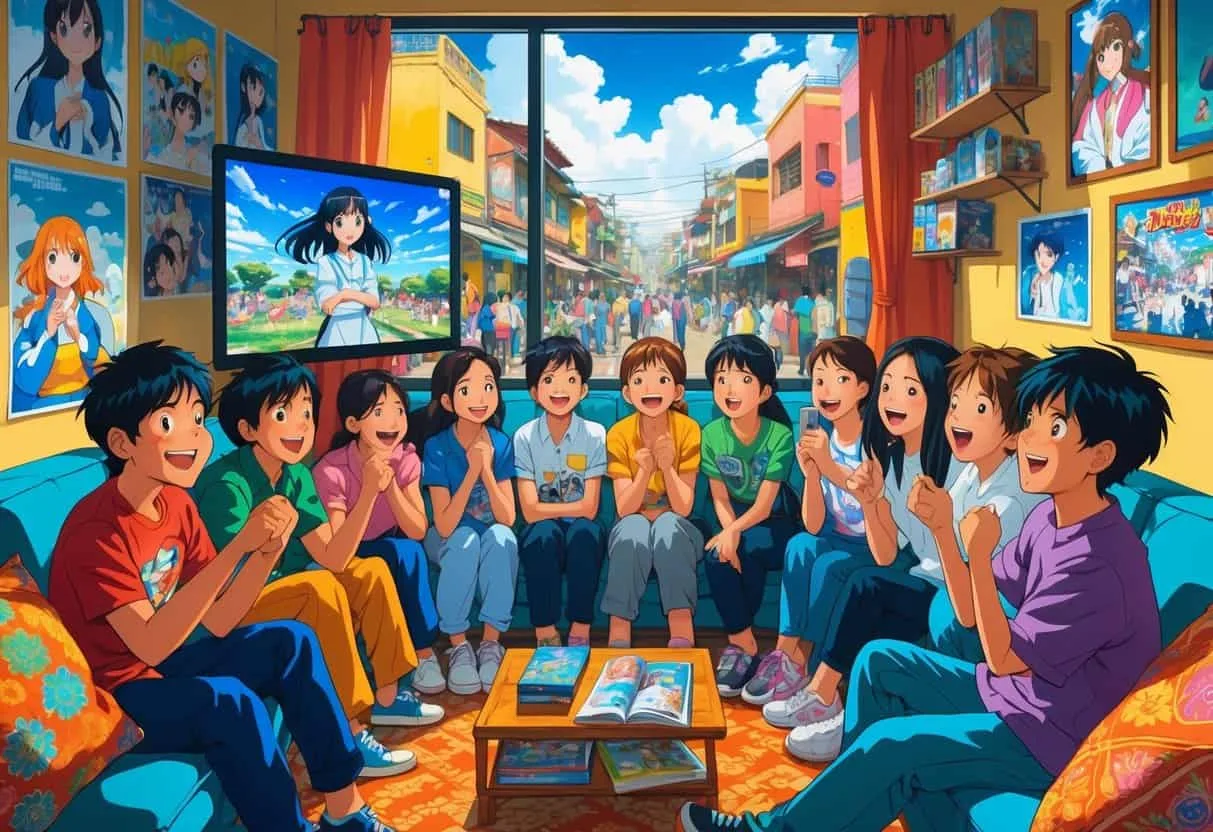
For decades, Japanese animation occupied a niche within South Asia—enjoyed by a passionate few who swapped VHS tapes, caught late-night broadcasts, or downloaded fansubbed episodes from obscure forums. That era has faded dramatically. Today, anime pervades mainstream conversation, from college canteens in Dhaka to WhatsApp groups in Mumbai, propelled by an unprecedented convergence of digital accessibility, cultural affinity, and a hyper-engaged online community. The explosion is not accidental: it rests on shifting infrastructure, shrewd platform strategies, and the timeless appeal of stories that transcend borders. This analysis unpacks the forces turning anime from subculture into a pillar of mass entertainment across India, Pakistan, Bangladesh, Sri Lanka, and Nepal.
The Digital Tipping Point: How Streaming Opened the Floodgates
South Asia’s anime surge maps directly to the region’s connectivity revolution. A combination of plummeting data costs—India alone has some of the cheapest mobile internet on the planet—and widespread smartphone adoption has placed entire libraries of anime into millions of pockets. No longer reliant on erratic TV schedules or heavily censored broadcasts, fans now stream on-demand, unrestricted. Major global platforms have seized the opportunity, tailoring their catalogs to local tastes and languages.
Affordable Data and Always-On Access
In 2016, monthly mobile data prices in India exceeded ₹200 per gigabyte; today, they hover around ₹10-15 per GB. This 90% price drop, mirrored in other South Asian markets, means high-definition streaming is no longer a luxury. For many young viewers, binging a 24-episode season on a phone during daily commutes or late-night breaks is routine. This always-on culture has dissolved the old paradigm of appointment viewing, letting anime become a daily habit rather than a weekly treat.
Platforms Localize and Compete
Global streaming giants now treat South Asia as a priority growth zone for anime. Netflix invests heavily in multi-language subtitles and dubs—Hindi, Tamil, Telugu, Bangla, Urdu—while Crunchyroll, which merged with Funimation, offers a deep catalog specifically curated for regional audiences. YouTube channels like Muse Asia and Ani-One distribute legal simulcasts free of charge, racking up millions of views within hours of Japanese broadcast. Amazon Prime Video and local players such as Airtel Xstream also feature robust anime sections. The result is an ecosystem where a curious 14-year-old in Karachi can sample Demon Slayer with Urdu subtitles within minutes, legally and free.
From Piracy to Paid Subscriptions
Historically, South Asian anime fandom depended on pirate sites and torrent communities. While unauthorized streaming persists, the convenience and quality of official services are steadily converting casual viewers. Low-cost mobile-only subscription plans—like Netflix’s ₹149 tier in India—make premium access affordable. Moreover, platforms simulcast new episodes within hours of Japanese airing, removing the fear of spoilers that once drove fans to illegal uploads. This shift toward legitimate consumption is expanding the region’s measurable anime market size, a fact that attracts more investment.
Cultural Resonance: Why South Asian Audiences Connect Deeply
Beyond access, the emotional core of anime aligns strikingly with South Asian storytelling traditions. The emphasis on familial duty, spiritual struggle, and moral ambiguity mirrors themes entrenched in local epics and cinema, making the foreign feel familiar.
Shared Values: Honor, Sacrifice, and Community
In nations where multigenerational households remain the norm, anime’s relentless focus on protecting one’s family and village resonates powerfully. Naruto’s pursuit of acknowledgment by his village and Demon Slayer’s devotion to a cursed sister touch the same chords as stories from the Mahabharata or the folk poetry of Punjab. Characters who sacrifice personal ambitions for collective good, or who wrestle with destiny, find a ready emotional audience. This cultural adjacency makes the leap from local drama to Japanese animation less jarring than many producers originally assumed.
Spiritual and Mythological Parallels
Anime frequently draws from Shinto and Buddhist cosmology—spirits, reincarnation, elemental forces—that do not feel alien in South Asia. The concept of ki or chakra in shows like Dragon Ball Z and Naruto echoes indigenous terms for vital energy, already embedded in yoga and martial arts discourse. Jujutsu Kaisen’s cursed spirits overlap with beliefs in bhut-pret and unseen malevolent forces. This syncretism reduces the cultural distance, enabling fans to discuss and reinterpret anime mythologies through their own spiritual lenses.
Emotional Depth and Maturity Beyond Western Cartoons
South Asian audiences, long accustomed to melodramatic television and emotionally charged cinema, find anime’s willingness to grapple with loss, depression, and moral failure genuinely mature. Series like Attack on Titan dismantle simplistic binaries of good and evil; Your Lie in April explores grief with unflinching tenderness. Such narratives appeal to adolescents and young adults navigating a region where mental health conversations are still stigmatized. Anime becomes a safe space for complex emotions, elevating it above the “cartoons are for kids” stigma that once limited its reach.
Social Media: The Engine of Discovery and Fandom
The wildfire spread of anime in South Asia cannot be separated from the social internet. Platforms that thrive on visual shorts, meme culture, and creator-led enthusiasm have turned passive viewers into vocal evangelists.
Facebook Groups, WhatsApp, and Regional Memes
Large public Facebook groups—some exceeding 500,000 members—serve as daily hubs for clip sharing, discussion threads, and amateur art. WhatsApp broadcasts circulate memes that splice anime reaction faces with Bollywood dialogues, making the culture instantly accessible even to non-watchers. These micro-communities often organize watch parties, fundraise for convention visits, and translate episode summaries into local scripts, cementing a sense of ownership.
YouTube Reaction Culture and Influencers
South Asian content creators who film themselves reacting to iconic anime fights or tear-jerking finales have built massive followings. Channels in Hindi, Tamil, and Bengali rack up millions of views per video, essentially serving as introductory guides for newcomers. The “reactor” model allows hesitant viewers to pre-sample emotional beats before committing to a series. Collaborations between Indian gaming YouTubers and anime brands further blur the boundaries, introducing titles like Genshin Impact and Honkai: Star Rail to audiences who then seek out the broader anime aesthetic.
TikTok, Reels, and the Cosplay Craze
Short-form video platforms have turned cosplay into a mainstream youth activity. What began as niche convention dressing now floods Instagram Reels and TikTok, with creators donning Kaizen uniforms, Akatsuki cloaks, or Zenitsu’s kimono for dance challenges. The visual appeal of anime outfits, combined with Bollywood music remixes, generates enormous engagement. College festivals in Delhi, Colombo, and Dhaka now routinely feature cosplay competitions, pulling in participants who may never have watched a full series but are captivated by the aesthetic.
Evergreen Titles and the Generational Bridge
Anime’s South Asian boom spans multiple age cohorts because foundational series have been passed down like heirlooms. Long-running epics continue to find new audiences, while seasonal hits inject urgency.
The Unshakable Classics
Dragon Ball Z, Pokémon, and Naruto remain gateways for millions. Their earlier television broadcasts on Cartoon Network and local channels in the 2000s created a generation of fans who now introduce these series to younger siblings and children. The completion of Naruto Shippuden and the ongoing saga of One Piece—now crossing 1,100 episodes—provide an almost infinite content well for binging. Each new generation discovers Goku’s first Super Saiyan transformation or Luffy’s vow to his crew with the same wide-eyed wonder, ensuring a continuous renewal of the base.
New Wave Phenomena
Contemporary titles arrive with cinematic production values that rival blockbuster films. Demon Slayer: Mugen Train shattered box-office records globally and ran in South Asian multiplexes with subtitled and dubbed versions, drawing audiences unfamiliar with anime. Jujutsu Kaisen and Chainsaw Man generate trending hashtags on Twitter India within hours of episode drops. Attack on Titan’s final season spawned public viewing events, think pieces, and even debates on political interpretation, demonstrating anime’s capacity to permeate intellectual culture.
Transmedia Ecosystem: Manga, Gaming, and Merchandise
The anime boom is not confined to screens. A thriving transmedia loop—from page to game controller to shelf—reinforces fan loyalty and multiplies revenue streams.
Manga Goes Digital and Local
Official manga apps like Shueisha’s Manga Plus and Viz Media now offer simultaneous English chapters for free, often on the same day as Japan. While English literacy varies across South Asia, a growing segment of urban youth consumes manga in English, building anticipation for anime adaptations. Independent local publishers and fan-scanlation groups further bridge the gap, producing unofficial translations in Hindi and Bengali that circulate on Telegram channels. This reading habit deepens engagement far beyond the weekly episode, stoking curiosity about source material and future plot points.
Gaming as a Gateway and Amplifier
Video games entwined with anime franchises serve as durable entry points. Dragon Ball FighterZ, the Naruto Ultimate Ninja Storm series, and mobile titles like BLEACH Brave Souls draw competitive gamers into the narrative universe. Even games not directly based on an anime—like HoYoverse’s Genshin Impact—adopt the visual language and character-driven storytelling that anime fans adore. South Asian gaming cafes, online tournaments, and streamers frequently blend game play with anime commentary, cross-pollinating audiences. A casual mobile gamer in Lahore who enjoys Genshin Impact’s art style becomes a prime candidate for binging a full series like Fate/Stay Night.
Merchandise and the Tangible Fandom Economy
From unauthorized street-market T-shirts to officially licensed figurines sold through Amazon and specialty stores, merchandise anchors the community. E-commerce platforms report steady growth in anime-related product searches across India and Bangladesh. Local startups now design and sell posters, hoodies, and phone cases featuring popular characters, often blending anime motifs with regional script or landmarks. This low-cost entry into ownership—a ₹300 Naruto keychain—transforms casual liking into identity expression, encouraging sustained investment in the broader anime culture.
Economic Ripple Effects and Local Industry Growth
The surge in anime consumption has begun reshaping creative and commercial landscapes within South Asia. No longer just a market of passive consumers, the region increasingly participates in the production and localization value chain.
Animation Outsourcing and Co-Production
Indian and Bangladeshi animation studios have long provided outsourced services for international projects. Now, the anime boom is accelerating specialized work in in-betweening, background art, and CGI for Japanese studios. Toei Animation and other firms have outsourced select production tasks to South Asian vendors, drawn by competitive costs and improving technical skill. Co-production frameworks—such as the 2023 India-Japan animation collaboration agreement—aim to develop original IP that fuses anime aesthetics with South Asian folk tales, potentially birthing a distinct hybrid genre.
Job Creation in Dubbing, Localization, and Events
The demand for high-quality Hindi, Tamil, and Bangla dubs has created a niche industry. Voice actors, many of whom previously worked solely in regional cinema, now find steady work dubbing anime. Localization-testing teams ensure cultural references translate without offense, while event managers organize increasingly large-scale conventions. Comic Con India, Mumbai Anime Con, and Dhaka Anime Festival draw tens of thousands of attendees, fueling a micro-economy of vendors, cosplay designers, and food stalls.
Market Sizing and Revenue Growth
While precise South Asia-specific anime market data remains fragmented, Grand View Research estimates the global anime market size at over $28 billion in 2023, with Asia-Pacific being the fastest-growing region. Within South Asia, streaming subscription revenue, merchandise sales, and advertising on anime-related content are all trending upward. Local venture capital is tentatively funding anime-focused platforms and studios, signaling confidence that the current boom is a structural shift, not a fad.
Challenges: Piracy, Localization, and Bandwidth Hurdles
Sustained growth will require navigating persistent obstacles that temper the region’s anime euphoria.
The Piracy Undertow
Pirated anime sites, often hosted in jurisdictions with lax enforcement, continue to attract millions of South Asian users who either lack payment methods or are unwilling to pay for multiple subscriptions. These sites damage the revenue that creators depend on and dilute the incentive for platforms to invest further in the region. While legal simulcasting has eroded some piracy, the problem remains significant, particularly for catalog titles not featured on major services.
Localization and Cultural Sensitivity
Not all dubs or subtitles meet audience expectations. Complaints about unnatural phrasing, lip-sync mismatch, or outright censorship spoil the experience. Some governments in South Asia have previously demanded cuts to content showcasing violence, supernatural elements, or romantic subplots deemed inappropriate, frustrating purists. Balancing cultural norms with creator intent is a tightrope that platform partners must walk carefully to avoid alienating core fans while complying with local regulations.
Infrastructure Disparities
While cities enjoy 4G and emerging 5G networks, vast rural populations still struggle with inconsistent 2G/3G connectivity. Anime’s visual richness often demands moderate bandwidth; buffering on older networks can break immersion. Bridging this digital divide is crucial for converting the remaining potential audience, particularly in countries like Nepal and Bangladesh where rural internet penetration is still climbing.
The Future of Anime in South Asia
All indicators suggest that the anime wave will swell further, propelled by deeper platform investments, youth demographics, and a self-sustaining fan culture. Regional streaming services may soon commission original anime-influenced series, much as Netflix’s Indian division has explored animated originals. Collaborations between Japanese studios and Bollywood composers or voice talents could produce bespoke content that cements anime as a locally resonant art form rather than an import.
Moreover, as South Asian diaspora communities in the Gulf, Southeast Asia, and the West continue to consume anime, they will feed trends back home, ensuring a constant churn of recommendations and memes. The anime community’s resilience—built on shared watch parties, fan art, and heated online debates—will likely outlast any single hit show. For a region historically overlooked by the global anime industry, the current rise is not just a consumer trend; it is a cultural reclamation, proving that the stories of ninja, pirates, and demon slayers can feel as close to home as the epics etched into temple walls.