Table of Contents
What is Shoujo Anime?
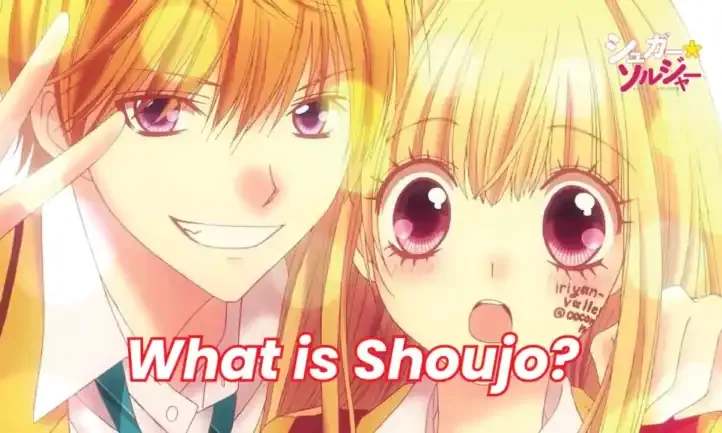
Shoujo anime is a category of Japanese animation crafted primarily for a young female audience. The word shoujo (少女) translates literally to "young girl" in Japanese, and the stories in this genre place emotional life, personal relationships, and romantic experience at their center. While anime as a whole spans every imaginable theme, shoujo titles are immediately recognizable for their delicate art, introspective protagonists, and the way feelings are given as much weight as plot.
Classic and modern entries give a clear picture of the spectrum. Fruits Basket blends family curse drama with healing romance, Ouran High School Host Club parodies gender roles inside a high school club, and Sailor Moon became a worldwide symbol of the magical girl framework. More recent series such as My Little Monster keep the tradition alive by focusing on the awkward, tender steps of first love. These examples share a common thread: an invitation to understand characters from the inside out, whether they are fighting supernatural battles or simply figuring out how to speak to a crush.
The Origins and Evolution of Shoujo Anime
Shoujo anime grew out of the shoujo manga tradition, and that tradition owes its shape to Osamu Tezuka, often called the God of Manga. In the 1950s and 1960s, Tezuka began telling stories that moved away from the dominant boys' adventure narratives. His manga Princess Knight (Ribbon no Kishi) is widely regarded as the first shoujo manga. It starred a princess who had to navigate a world of sword fights and court intrigue while holding onto her own heart’s desires—a template that planted the seeds for everything that followed.
The 1970s saw a creative explosion driven by the Year 24 Group, a collective of female manga artists who revolutionized the medium. They introduced deeper psychological exploration, mature romance, and historical drama that were previously absent from girls' comics. Their innovations directly influenced anime adaptations in the subsequent decades. By the time Naoko Takeuchi created Sailor Moon in the early 1990s, shoujo had mastered the art of fusing friendship, romantic longing, and action into a single narrative. The series became a global phenomenon and proved that a story about a clumsy schoolgirl who transforms into a cosmic warrior could resonate far beyond its intended demographic.
Over time, shoujo anime continued to branch out. High school romance became a staple, but it was joined by historical fantasy, science fiction, and quiet slice-of-life portraits. Every new wave reflected changing societal norms and audience expectations, ensuring the category never felt frozen in the past.
Related: 19 Top IMDb-Rated Shoujo Anime Series
Core Characteristics of Shoujo Storytelling
Shoujo anime operates with a distinct emotional language. It prizes the interior world just as much as external events. A small gesture—a shared glance, a carefully chosen word—can carry the weight of an entire action sequence, and the narrative gives these moments room to breathe.
Several hallmarks appear across decades of shoujo productions:
- Emotional interiority: Characters often voice their thoughts through extended inner monologues, allowing the audience to inhabit their anxieties, hopes, and confusions.
- Romantic and platonic relationships: Love is a frequent engine, but friendships, rivalries, and family ties are treated with equal seriousness.
- Detailed, expressive art: Expect large sparkling eyes, elaborate hair, flowing fashion, and symbolic backgrounds filled with flowers, bubbles, or stars that externalize a character’s mood.
- Character growth: Protagonists rarely stay the same. They learn to speak their truth, to forgive, to assert themselves, or to accept loss.
- Gentle pacing: While moments of drama are intense, shoujo often allows the story to unfold at a rhythm that honors reflection over constant momentum.
These traits do not mean shoujo is light or simple. Works like Nana dissect toxic relationships and broken dreams with unflinching clarity, while Revolutionary Girl Utena uses surreal imagery to question gender norms and power structures. The genre toolkit is capable of both a soft whisper and a bold, intellectual challenge.
Shoujo vs. Shounen: Understanding the Differences
Demographic labels in anime are more about the intended magazine readership than a strict gender cage, but they still shape storytelling conventions. Shoujo aims at young female readers and viewers, while shounen anime targets a young male audience. The contrast emerges clearly when you compare their typical priorities:
- Narrative focus: Shoujo centers on relationships, emotional landscapes, and personal discovery. Shounen emphasizes action, competition, and physical struggle.
- Protagonists: Shoujo frequently features a female lead navigating interpersonal and romantic challenges. Shounen usually follows a male protagonist striving toward a tangible goal.
- Character development: In shoujo, growth often means learning to communicate or to understand oneself. In shounen, it often arrives through training, battle, and rivalry.
- Art style: Shoujo art leans into ornamental beauty, delicate linework, and symbolic backgrounds. Shounen art generally favors bold, dynamic motion and clear fight choreography.
- Tone: Shoujo can be comedic, tragic, or quiet, but it rarely builds its spine around endless combat. Shounen may have emotional beats, but those usually serve the larger arc of conflict and triumph.
None of these boundaries are absolute. Many series borrow freely from both sensibilities, and audiences of any gender enjoy titles from each pool. Still, recognizing the conventions helps explain why a story feels the way it does.
Subgenres and Themes Within Shoujo
Shoujo anime is not a single storytelling mode. Over the decades, it has given rise to distinct subgenres, each with its own loyal following.
Magical Girl
The magical girl subgenre is among the most iconic exports of shoujo. Sailor Moon, Cardcaptor Sakura, and Tokyo Mew Mew show ordinary girls who transform into heroines, balancing supernatural duty with school and romance. The best of these series use magical battles as metaphors for growing up.
High School Romance
Daily life in a Japanese high school provides the backdrop for countless shoujo romances. Series like Kimi ni Todoke, Lovely Complex, and Kubo Won’t Let Me Be Invisible explore the sweet agony of misunderstandings, unspoken feelings, and the slow burn of mutual affection.
Historical and Fantasy Drama
Not all shoujo stays in the modern world. Yona of the Dawn follows a princess who grows from a sheltered girl into a warrior, while The Story of Saiunkoku blends court politics with a heroine determined to become the empire’s first female official. These stories often layer romance with larger political stakes.
Slice-of-Life and Healing Anime
Quiet, reflective stories fall under the iyashikei or healing umbrella, and shoujo embraces them wholeheartedly. Natsume’s Book of Friends, though often published in a shoujo magazine, treats loneliness and kindness through encounters with spirits. Insomniacs After School captures the shared stillness of two teens who find comfort in each other’s company under the night sky.
Notable Shoujo Series That Shaped the Conversation
A handful of titles keep being recommended because they define what shoujo can achieve. Fruits Basket (both the 2001 and 2019 adaptations) turns a zodiac curse into a profound exploration of abuse, acceptance, and unconditional love. Ouran High School Host Club dismantles class and gender expectations through razor-sharp comedy. Nana chronicles two young women whose friendship is tested by fame, jealousy, and damaged hearts. And Princess Jellyfish celebrates a group of socially awkward women fighting to save their communal home, proving that shoujo can be quirky, feminist, and fiercely kind all at once.
Shoujo Anime and Romance: A Special Connection
The link between shoujo and romance is so tight that many viewers treat the terms as synonymous. In practice, romance is the most common emotional engine of shoujo, but it is not the only one. Even when love is central, the best shoujo romances are never just about the couple getting together. They examine what it means to be vulnerable, to accept imperfection, and to grow alongside another person. My Little Monster thrives on the messy, contradictory nature of infatuation, while The Angel Next Door Spoils Me Rotten slowly builds a relationship out of everyday kindness.
When shoujo anime does step away from romance, it often turns to friendship as an equally powerful bond. K-On!, though serialized in a seinen magazine, borrows heavily from shoujo aesthetics and emotional warmth, while shoujo manga like A Sign of Affection prove that a story about a deaf college student finding love can be delicate and uplifting without ever losing sight of the characters’ inner worlds.
Is Shoujo Anime Only for Girls?
Demographic tags can be misleading. Shoujo is created with a young female audience in mind, but the audience that actually shows up is far broader. Surveys and community polls consistently indicate that a significant minority of shoujo viewers are male, and many adult women remain lifelong fans. The storytelling tends to be emotionally literate, and emotional literacy has no gender. A boy watching Insomniacs After School may recognize his own nighttime anxieties in Ganta just as quickly as any female viewer.
In fact, the cross-demographic appeal helps explain why shoujo-inspired series sometimes appear in shounen magazines and vice versa. Creators mix ingredients freely because their ultimate goal is to tell a human story, and human stories belong to everyone.
6 Modern Shoujo Romance Anime to Watch
The following titles showcase the range of contemporary shoujo romance, from theatrical cinema to quiet late-night series. Each brings its own emotional fingerprint.
1. Suzume
While Suzume is often discussed as a Makoto Shinkai film rather than a pure shoujo property, its emotional core sits squarely in shoujo tradition. High school girl Suzume Iwato follows a mysterious young man to an abandoned spa resort and stumbles into a hidden world of doors that prevent catastrophic earthquakes. What begins as a supernatural road trip becomes a meditation on grief, responsibility, and the courage to close the doors on personal trauma. The relationship that develops between Suzume and the “Closer” Souta feels intimate and deeply shoujo in its delicacy. Watch the trailer for its sweeping visuals.
2. Insomniacs After School
Ganta Nakami’s insomnia isolates him from his classmates. His escape to the abandoned observatory leads him to Isaki Magari, a girl who shares the same sleepless condition and a far brighter personality. Together they revive the school’s astronomy club and discover something neither expected: the quiet comfort of lying next to someone who understands. Insomniacs After School is a masterclass in atmosphere, using starry skies and soft lighting to make every small step in their relationship feel monumental. Watch the trailer to see its gentle mood.
3. A Galaxy Next Door
Ichiro Kuga is a struggling shoujo manga artist raising his younger siblings after their father’s death. When his agent brings him a talented assistant named Shiori Goshiki, his deadline worries vanish—until Shiori announces she is a princess from the Star People and that they are engaged through an ancient stinger-based pact. The series balances everyday domestic warmth with whimsical sci-fi, and the romance develops with a sincerity that never mocks its own absurd premise. Watch the trailer for a glimpse of its quirky charm.
4. Kubo Won’t Let Me Be Invisible
Junta Shiraishi is so unremarkable that his presence fades into the classroom background—until Nagisa Kubo decides to change that. Her playful teasing pulls him out of his shell one interaction at a time. The series is a pure high school romance where the magic lies in the tiny details: a shared juice box, a sideways smile, a seat pushed just a little closer. It understands that being truly seen by someone is a radical, transformative act. Watch the trailer to catch its sweet tone.
5. The Dangers in My Heart
Kyotaro Ichikawa begins the story as a boy nursing dark fantasies about the popular Anna Yamada. But as he watches her, he starts to notice the cracks behind her confidence—the quirky snacks she devours in secret, the childish curiosity she hides from others. His fascination curdles into affection, and the series becomes one of the most nuanced coming-of-age romances in recent memory. It tackles self-loathing and vulnerability without ever losing its sense of humor. Watch the trailer to see the slow shift from distance to closeness.
6. The Angel Next Door Spoils Me Rotten
Amane Fujimiya and Mahiru Shiina are neighbors and classmates who barely exchange a word—until a rainy afternoon compels him to lend her an umbrella. Her repayment takes the form of home-cooked meals and housekeeping, and what starts as a transactional arrangement blooms into a tender, heart-fluttering romance. The series leans hard into the domestic fantasy of being cared for, and it executes that fantasy with a gentle sincerity that makes every shared meal feel like a love letter. Watch the trailer for its cozy atmosphere.
The Global Impact of Shoujo Anime
Shoujo anime’s influence stretches far beyond Japan. Sailor Moon became an entry point for a generation of Western viewers, shaping how young fans drew their own comics and formed early internet fan communities. The series also demonstrated that female-led action stories could command massive international merchandise sales. Later titles like Fruits Basket and Ouran High School Host Club solidified shoujo’s place on North American DVD shelves and streaming services, proving that American audiences would embrace stories centered on emotional nuance rather than combat.
Today, conventions around the world host shoujo-focused panels and cosplay gatherings. The aesthetic language of shoujo—soft pastel palettes, exaggerated emotional symbols, introspective narration—has infiltrated Western animation and graphic novels. Young creators growing up on Cardcaptor Sakura are now publishing their own works that carry the same DNA. In a media landscape that often undervalues stories about feelings, shoujo anime insists that what we feel is worthy of grand, beautiful storytelling.
The Art of Seeing the Heart
Shoujo anime is not a narrow demographic checkbox. It is a narrative tradition built on the belief that quiet moments, fragile first loves, and earnest friendships are as compelling as any world-saving battle. From the ink of Osamu Tezuka’s Princess Knight to the streaming premieres of today, shoujo has grown into a global language of emotional generosity. Anyone willing to look closely will find a mirror inside its stories—and perhaps a kinder way to understand their own heart.