Table of Contents
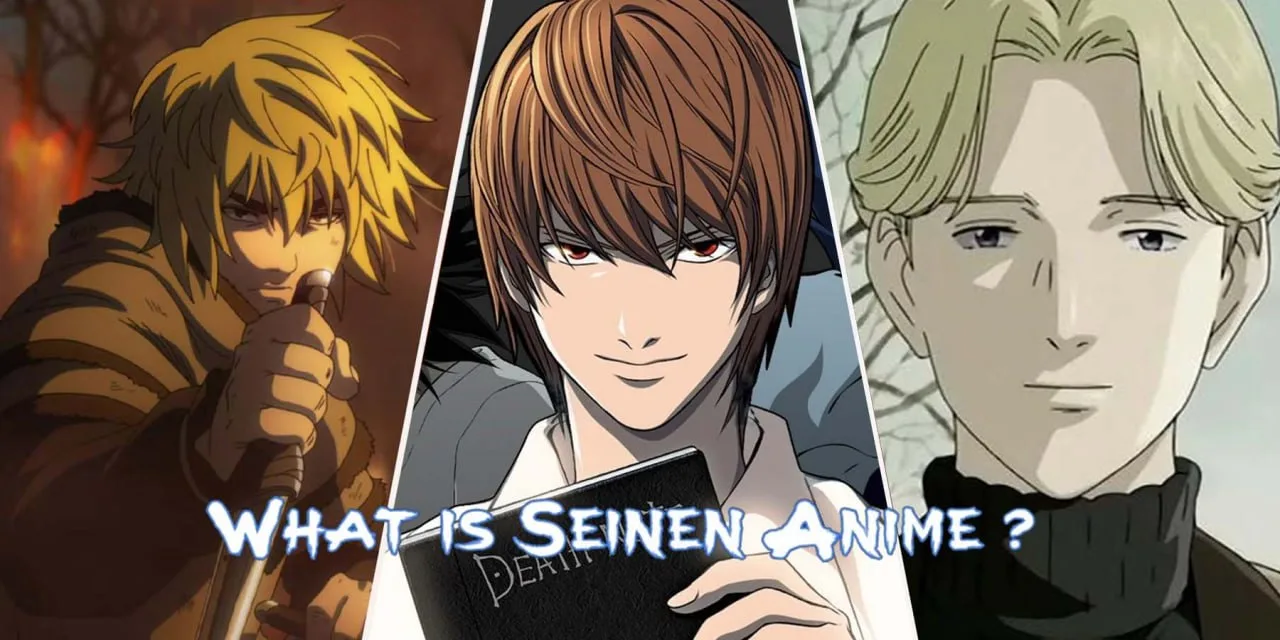
What is Seinen Anime?
The Japanese word seinen (青年) translates to "youth" or "young man," but in the world of anime and manga, it signifies far more than just an age bracket. Seinen anime defines a category of works specifically created for an adult male audience—typically viewers aged 18 to 40. Unlike the broader all-ages appeal of shonen titles, seinen stories embrace a mature lens, tackling complex themes with psychological realism, moral ambiguity, and often a stark visual style. These series and films refuse to shy away from the gritty truths of life, weaving narratives that explore politics, philosophy, existential dread, violence, and adult relationships with an unflinching eye. The result is a storytelling landscape that treats its viewers as intellectual equals, delivering entertainment that challenges as much as it captivates.
The Origins of Seinen Anime
The seinen label first emerged in the manga industry as publishers sought to distinguish titles aimed at young adults from those meant for children or teenagers. The pioneer of this movement is widely considered to be Golgo 13, created by Takao Saito in 1968. The series, following the cold-blooded professional assassin Duke Togo, introduced readers to a morally grey world where geopolitics, sex, and violence collided—a radical departure from the heroic tropes of the time. This manga set the template for what seinen could achieve.
Seinen anime began to gain mainstream recognition in the late 1980s and early 1990s, as studios adapted these complex works for the screen. The 1995 release of Ghost in the Shell became a turning point. Director Mamoru Oshii’s philosophical cyberpunk thriller asked profound questions about identity, consciousness, and the soul in a digitized world, cementing the idea that animation could handle topics once reserved for literature or live-action cinema. Around the same time, titles like Akira (though based on a seinen manga, its film adaptation blurred lines) and later Black Lagoon, with its mercenary crew navigating moral chaos in the South China Sea, proved that adult-oriented, action-packed stories had a massive international appetite. Today, seinen stands as a pillar of the medium, home to some of the most critically acclaimed series ever produced.
Shonen vs. Shoujo vs. Seinen
To grasp what makes seinen distinct, it helps to compare it with the other major demographic categories. Each targets a specific audience, but the lines can blur when a series achieves cross-demographic popularity. The table below breaks down the core differences.
| Shonen Anime | Shoujo Anime | Seinen Anime |
|---|---|---|
| Primarily targets young boys (ages 12–18) | Primarily targets young girls (ages 12–18) | Primarily targets adult men (ages 18–40) |
| Highlights action, adventure, friendship, and coming-of-age triumphs | Focuses on romance, emotional relationships, and personal growth | Explores political intrigue, psychological depth, moral dilemmas, and realistic violence or sexuality |
| Examples: Naruto, Dragon Ball, One Piece, My Hero Academia | Examples: Fruits Basket, Ouran High School Host Club, Sailor Moon, Natsume's Book of Friends | Examples: Berserk, Monster, Death Note, Vinland Saga, Cowboy Bebop |
While shonen frequently celebrates idealism and overcoming obstacles through sheer will, seinen often interrogates the cost of those victories. Characters are allowed to fail permanently, and happy endings are not guaranteed. This narrative honesty is what draws many adults to the genre.
Key Characteristics of Seinen Anime
Seinen isn’t a genre in itself—it’s a demographic marker. Within it, you’ll find horror, sci-fi, historical drama, psychological thriller, slice-of-life, and even romance. However, most works share identifiable traits that set them apart from youth-oriented anime.
Philosophical and Psychological Depth
Seinen stories often wrestle with big ideas. Monster by Naoki Urasawa is less a thriller about a serial killer and more a meditation on the nature of evil, redemption, and whether all lives are of equal value. Ergo Proxy plunges into questions of self-awareness and the dehumanizing effect of technology. These series demand active engagement, rewarding audiences who enjoy peeling back layers of meaning.
Moral Ambiguity and Flawed Protagonists
Gone are the straightforward heroes of shonen. In seinen, the line between right and wrong is perpetually smudged. Guts from Berserk is a rage-fueled mercenary whose quest for vengeance leaves a trail of collateral damage. Thorfinn in Vinland Saga begins as a vengeful boy and slowly evolves into a man grappling with the very concept of violence. Such characters are deeply human, making their journeys all the more gripping.
Realistic World-Building and Consequences
Actions have lasting weight. Black Lagoon drops its salaryman protagonist into a criminal underworld where idealism is a fast track to a shallow grave. The injuries, trauma, and betrayals that characters experience are not reset by the next episode. This grounded approach makes the stakes feel authentic and the drama more compelling.
Subtle Depiction of Adult Relationships
Romance in seinen is often messy, complicated, and painfully realistic. It acknowledges that love doesn’t always conquer all and that partners carry emotional baggage, careers, and conflicting desires. This nuanced view extends to friendships, rivalries, and family dynamics, painting a picture of social interaction that resonates with viewers who have lived through similar complexities.
Seinen Romance: Love Through a Grown-Up Lens
When people ask, “What is seinen anime romance?” they are really asking about a subcategory that handles love with maturity and authenticity. While shoujo romance might emphasize the thrill of first love and emotional purity, seinen romance digs into the endurance of relationships, the pain of separation, and the scars left by past traumas.
A standout example is Nana, Ai Yazawa’s masterwork. The story follows two women, Nana Komatsu and Nana Osaki, who meet by chance and end up sharing an apartment. Their intertwined lives explore romantic obsession, codependency, ambition, and heartbreak in ways that feel devastatingly real. The series never pretends that love is simple or that people always make the right choices.
Equally notable is Honey and Clover, which chronicles a group of art college students grappling with unrequited love, the fear of the future, and the loneliness of creative pursuit. The series captures the quiet ache of watching someone you love fall for another, and the harsh reality that talent doesn’t pay the bills. It’s a slow, introspective ride that speaks directly to anyone who has felt lost in their twenties.
Other notable titles include Nodame Cantabile, which balances classical music passion with an unconventional romance, and Rec, a short but poignant look at a developing relationship between a voice actress and a salaryman. These stories don’t just entertain; they offer a mirror to the viewer’s own experiences with love and ambition.
Seinen Anime Movies That Redefine Adult Animation
The film format allows seinen creators to craft concentrated bursts of narrative intensity. The following five movies exemplify the range and ambition of the category, each offering a distinct flavor for mature audiences.
1. Perfect Blue (1997)
Satoshi Kon’s directorial debut remains a landmark of psychological horror. The film follows Mima Kirigoe, a pop idol who leaves her music career to become an actress, only to find her sense of identity crumbling under the pressure of an obsessive fan and the exploitative entertainment industry. Perfect Blue blurs the line between reality and delusion so seamlessly that viewers are left questioning every scene. Its commentary on celebrity culture, voyeurism, and the fragmented self has only grown more relevant with the rise of social media. Kon’s meticulous editing and haunting visual style make this a must-watch for anyone who appreciates cinema that dares to unsettle.
2. The Case of Hana & Alice (2015)
Directed by Shunji Iwai, this prequel to his live-action film Hana and Alice uses rotoscope animation to tell a gentle yet poignant mystery. Teenager Alice moves to a new town and teams up with the reclusive Hana to investigate a school urban legend about a boy named Judas. What begins as a whimsical detective game slowly transforms into a story about bullying, loneliness, and the small lies we tell to protect ourselves. The soft, watercolor-like visuals and naturalistic dialogue give the film an air of quiet melancholy that stands in stark contrast to the louder fare often associated with seinen, proving the demographic’s capacity for tenderness.
3. Promare (2019)
Studio Trigger’s incendiary spectacle Promare may wear the colorful skin of a mecha action flick, but its themes run deeper. In a world where a mutation gave rise to flame-wielding humans known as Burnish, society’s fear leads to oppression and persecution. Firefighter Galo Thymos becomes an unlikely ally to the radical Burnish leader Lio Fotia, and together they uncover a government conspiracy rooted in genocide. The film’s kinetic energy and bold geometric art style package a strong anti-discrimination message, making it an exhilarating ride that doesn’t talk down to its adult audience.
4. Ride Your Wave (2019)
Masaaki Yuasa, known for his fluid and inventive animation, delivers an emotionally charged romantic drama in Ride Your Wave. College student Hinako, a surfer, falls in love with firefighter Minato after he rescues her from a blazing apartment. Their idyllic romance is shattered when Minato drowns while saving a stranger. Devastated, Hinako discovers that singing a particular song summons his spirit in the water, leading to an ethereal but ultimately healing connection. The film navigates grief, acceptance, and learning to live for oneself with extraordinary sensitivity.
Yuasa’s characteristic visual flair elevates the emotional beats, creating a profoundly moving experience about the courage required to move forward after loss.
5. Demon Slayer: Mugen Train (2020)
While Demon Slayer originates from a shonen manga, its Mugen Train arc operates with a maturity that resonates deeply with seinen sensibilities. The story traps Tanjiro and his comrades in a dream-manipulating demon’s trap aboard a speeding locomotive, forcing each character to confront their deepest desires and regrets. The film’s centerpiece—the blazing battle against the formidable Akaza—is not just a spectacle of sakuga animation but a meditation on mortality, legacy, and the weight of promises made to the dead. The unflinching emotional devastation of its climax, coupled with Rengoku’s unwavering spirit, elevates this theatrical entry into a space where adult viewers will find as much tragedy as inspiration.
Why Seinen Anime Commands an Adult Following
Seinen’s popularity among grown-ups isn’t accidental. The category respects its audience’s intelligence and life experience, offering narratives that resonate on levels beyond simple escapism.
- Relatable Struggles: Characters in seinen often deal with workplace burnout, financial stress, fractured relationships, and existential doubt—issues that mirror the daily lives of adult viewers.
- Intellectual Engagement: Series like Legend of the Galactic Heroes present political chess matches with no clear villains, requiring sustained attention and rewarding strategic thinking.
- Emotional Catharsis: By depicting loss, failure, and moral fallout with honesty, seinen provides a safe space to process difficult emotions and feel less alone in one's own hardships.
- Aesthetic Maturity: Realistic character designs, muted color palettes, and detailed background art create an atmosphere that feels grounded and credible.
Seinen vs. Josei: Understanding the Counterpart
It’s worth briefly distinguishing seinen from josei, the demographic that targets adult women. While both categories share a preference for realistic storytelling and psychological insight, josei tends to center on female protagonists and explore themes like workplace misogyny, motherhood, and complex female friendships with particular intimacy. Titles like Nana sometimes straddle the line, but josei anime such as Showa Genroku Rakugo Shinju or Paradise Kiss speak directly to women’s lived experiences. Both demographics reject oversimplification, proving that mature anime is not a monolith but a rich tapestry of perspectives.
Conclusion
Seinen anime stands as a testament to the artistic breadth of Japanese animation. It refuses to be boxed in by the misconception that cartoons are for children, instead delivering narratives of startling depth, unvarnished emotion, and intellectual vigor. From the cybernetic philosophy of Ghost in the Shell to the heartbreaking romance of Nana and the visceral trauma of Berserk, the seinen label houses some of the medium’s most enduring masterpieces. For viewers ready to move beyond power-ups and high school dramas, seinen offers a world where every action has a price, every shadow hides a question, and every story leaves a mark that lingers long after the credits roll.