Table of Contents
What Makes an Anime Social Media Challenge Go Viral?
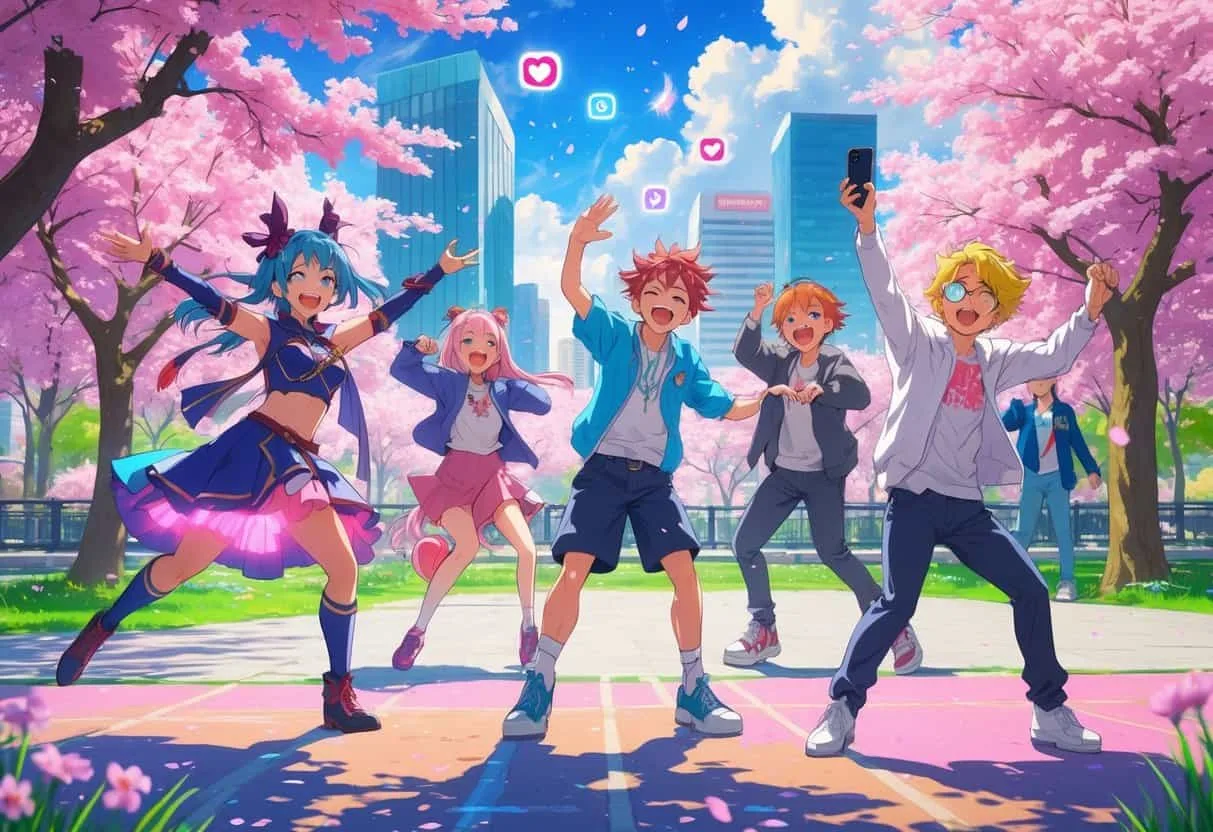
Anime-themed social media challenges transform casual scrolling into active participation. At their core, they invite you to reinterpret a specific visual moment, an iconic character pose, or a signature animation style from your favorite series. Unlike generic video trends, anime challenges tap into deep-seated nostalgia, vibrant aesthetics, and a built-in global fanbase that spans every continent. The most successful ones share a common DNA: they are visually striking, repeatable with minimal resources, and trigger immediate peer validation through likes, shares, and duets.
These challenges typically follow a clear structure. You might be asked to redraw a single anime frame, perform a short choreographed dance from an opening theme, or use a custom augmented-reality filter that applies a hand-drawn look to your selfie. The rules are simple enough that a newcomer can join within minutes, yet the creative ceiling is high enough that professional artists and cosplayers happily invest hours. The result is a continuous loop of fresh takes flooding TikTok, Instagram Reels, and YouTube Shorts, each version fueling the next wave of participation.
Platform algorithms accelerate this cycle. When a challenge uses a recognizable hashtag or audio clip, recommendation engines quickly serve it to anyone who has previously interacted with anime content. That precision targeting, combined with the visceral appeal of anime’s exaggerated expressions, bright color palettes, and emotional storytelling, makes it almost impossible for the trend to stay local. A challenge born in Tokyo or Los Angeles can dominate feeds in São Paulo, Lagos, and Mumbai within 48 hours.
The demographic sweet spot is Gen Z and younger Millennials, but the best anime challenges jump generations. A nostalgia-soaked remix of a 1990s classic can capture older fans who then share it with their children. This cross-generational reach makes anime challenges a unique cultural bridge, one that marketers, platform strategists, and content creators are now actively cultivating. For you as a participant, understanding the mechanics behind the virality helps you craft posts that genuinely stand out while staying true to the community’s creative spirit.
2025’s Most Engaging Anime-Themed Challenges
The current landscape is dominated by a handful of challenge formats that have proven their staying power while spawning continuous variations. Here are the pillars you’ll see flooding your feeds this year.
TikTok Anime Dance Challenges
TikTok remains the engine room of anime dance virality. The formula is straightforward: a snippet of an anime opening or ending theme—often a high-tempo J-pop or rock track—provides the soundtrack, and a creator choreographs a 15- to 30-second routine that mimics the animation’s key movements. The “Idol” dance inspired by Oshi no Ko and the sharp gestures from the Jujutsu Kaisen Kaikai Kitan ending have collectively racked up billions of views. You don’t need professional dance training; the tutorial format, where the original creator breaks down the moves in slow motion, lowers the barrier drastically.
These dances spread because they act as a visual handshake. When you post your version using the same audio and hashtags, you’re signaling membership in a passionate, global enclave. The best entries incorporate anime-accurate facial expressions—wide eyes, determined stares, playful winks—and often add inexpensive costume pieces like a school uniform tie or a character’s signature hair clip. To boost your visibility, study the TikTok trends hub for breakout anime sounds and hop on them within the first few days of emergence. Many creators also cross-post to Shorts and Reels, using platform-specific captions and timing to maximize organic reach without diluting the original energy.
Studio Ghibli AI Art Filters
One of the most explosive trends of 2024 and 2025 is the use of AI-powered filters that transform real-world photos and videos into frames that look like they were pulled from a Hayao Miyazaki film. Tools like generative image models and dedicated smartphone apps apply soft pastel palettes, painterly skies, and the rounded character designs synonymous with Spirited Away or My Neighbor Totoro. The Studio Ghibli filter phenomenon initially went viral on Instagram and then flooded X (Twitter) and TikTok, with millions of users converting their pet photos, wedding portraits, and cityscape snapshots into Ghibli-esque scenes.
The appeal is twofold. First, it personalizes a beloved art style, allowing you to see your own world through the lens of Studio Ghibli’s gentle magic. Second, it sparks conversation about AI ethics and artistry, which only intensifies the trend’s staying power. To participate authentically, you can use filter apps that credit the underlying training data, or take an extra step by manually painting over your filtered image to add original details. Many fan communities have launched concurrent redraw challenges where you take the AI output as a base and hand-illustrate improvements, blending technology with human craftsmanship.
The result is a vibrant, layered trend that feels both futuristic and profoundly nostalgic.
Meme Remix and Nostalgia Waves
Anime meme challenges thrive because they require almost zero technical skill while delivering maximum shareability. A classic clip from a 1990s or early 2000s show—think Dragon Ball Z’s screaming transformations, Pokémon’s Team Rocket blasting off, or Sailor Moon’s transformation sequences—gets recontextualized with modern captions about work, relationships, or daily struggles. You’ll often see a grid of four panels with the original animation paired with stark, humorous text that contrasts the epic stakes of the source material with mundane reality.
The nostalgia factor cannot be overstated. When you scroll past a meme using Cowboy Bebop or Hunter x Hunter footage, your brain lights up with recognition, and you’re primed to tag friends who share that memory. This collective reminiscing creates dense comment sections where fans swap trivia, debate character arcs, and often organize watch parties. Brands have successfully integrated by asking followers to caption a blank anime template, turning a simple engagement tactic into a community ritual. To join, all you need is a screen-capture tool and a caption that blends dry humor or heartfelt sentiment with the source material’s tone.
The key is respecting the original scene’s emotional weight; the funniest remixes often stem from a deep understanding of why that moment mattered to fans in the first place.
Cosplay Transformation and Redraw Contests
Cosplay transformation challenges are among the oldest and most resilient formats. A creator starts in street clothes, snaps their fingers or covers the lens, and then reveals a meticulously crafted costume, wig, and makeup that replicates an anime character. In 2025, these clips often incorporate transition effects that mimic anime editing techniques—speed lines, screen shakes, and stylized onomatopoeia—to amplify the illusion. The “Anime to Real Life” hashtag regularly trends on Reels and Shorts, with participants ranging from beginners using closet cosplay to professionals who spend weeks on a single costume.
Running parallel are redraw challenges. The most enduring is the Sailor Moon Redraw Challenge, originally sparked by a single frame of Usagi that thousands of artists interpreted in wildly different styles—from hyper-realistic digital painting to minimalist cartoons, horror variants, and even claymation recreations. That template has expanded to include frames from Neon Genesis Evangelion, Chainsaw Man, and Frieren: Beyond Journey’s End. The beauty is that every participant sees the same starting point but produces something uniquely their own. The challenge fosters a supportive environment where artists credit each other, share process videos, and offer constructive feedback.
If you’re new to art, this is a perfect entry point: even a simple sketch with colored pencils will be welcomed by the community, especially if you post it with the appropriate hashtag and a genuine caption about your love for the series.
AI-Generated Anime Avatar Challenges
Beyond filters, a new breed of challenge asks you to generate a full anime-style avatar using text-to-image generators or dedicated avatar apps. Users describe their personality, favorite colors, fashion sense, and even their “power level” or “magical attribute,” and the AI creates a character sheet worthy of a fantasy anime. The resulting images often depict a stylized self that can be used as a profile picture across platforms. This trend has given rise to niche communities where people build entire fictional backstories, complete with rivalry charts and joint universes.
To join responsibly, use reputable services that have clear terms regarding data usage and copyright. Avoid uploading sensitive personal photos to unknown generators. After generating your avatar, you can layer a challenge on top: record a video revealing the anime version of yourself for the first time, or ask followers to choose which archetype suits you best. The combination of personalization, fantasy, and easy creation tools makes this a consistently high-engagement format throughout 2025.
How to Join Anime Challenges Responsibly
Participating in viral anime challenges is exhilarating, but the public nature of social platforms demands that you take practical steps to protect your identity, your data, and your mental well-being. A small investment in preparation prevents long-term regret and makes the experience purely positive.
Consent and Privacy Settings
Before you post any image or video that includes other people—whether friends at a cosplay meetup or strangers in a public park background—confirm that you have explicit permission. In many jurisdictions, filming and sharing without consent can expose you to legal complaints, especially if minors are involved. Even if the platform’s terms technically allow public photography, community norms in anime fandoms lean heavily toward courtesy and respect. Tagging someone in a challenge without their agreement can damage friendships and reputations.
Adjust your account’s privacy settings before joining a high-visibility challenge. On TikTok and Instagram, you can switch to a private or friends-only posting mode for initial attempts, then make the final version public only after you’re comfortable with the content. Review the platform’s community guidelines so you understand what qualifies as harassment or spam. If your challenge involves children, ensure the post is set to “only me” or a trusted circle, and never disclose school names, home addresses, or identifiable routines. The goal is to celebrate anime without sacrificing the safety of those you care about.
Strengthening Account Security
Anime challenge hashtags attract massive traffic, including bots and bad actors looking to exploit popular content. Set up two-factor authentication on every account you’ll use for posting. Avoid using the same password across your anime fan account and your primary email or banking apps. When participating in challenges that require third-party apps—like AI filters or avatar generators—review the app’s cookie policy and permissions. Many free tools collect more data than necessary, including your location, contact list, and browsing history.
Restrict permissions to the bare minimum, and delete the app afterward if you don’t plan to use it regularly.
Scammers often lurk in comment sections, sending direct messages that promise exclusive collaboration deals or free merchandise in exchange for personal information. Treat every unsolicited link as potentially malicious. Copy the URL and check it against known phishing databases before clicking. The excitement of a viral moment can make you lower your guard, but a momentary lapse can lead to account takeover, identity theft, or financial loss. Stay informed by periodically checking your platform’s security blog for updates on new scam techniques.
Managing Negative Interactions
High visibility invites both admiration and hostility. You may encounter spam, derogatory comments about your appearance or skill, or targeted harassment from trolls who dislike a particular anime fandom. The first rule is simple: do not engage. Trolls thrive on emotional reactions; a curt reply or a defensive video fuels their campaign. Instead, use the platform’s built-in tools to filter, mute, or block abusive accounts.
Most social networks now allow you to set a list of banned keywords so that comments containing slurs or personal attacks are automatically hidden.
Preserve evidence of severe harassment by taking screenshots that include timestamps and usernames. If the abuse crosses into threats or coordinated hate campaigns, report it to the platform and, if necessary, to local authorities. Many anime communities have volunteer moderation teams on Discord or Reddit that can offer support and help you navigate reporting processes. Maintaining your mental health is just as important as maintaining your account. Take breaks from notifications, and remember that a challenge is meant to be joyful, not a source of anxiety.
The Business and Community Impact of Anime Challenges
Anime challenges are far more than fleeting internet fun; they have reshaped merchandise markets, audience analytics, and the strategic roadmaps of entertainment brands worldwide. Every like and share translates into actionable data that drives real-world decisions.
Merchandise and Fan Community Expansion
When a specific character or show dominates a challenge, demand for related merchandise spikes within hours. You see online retailers quickly adjusting their inventory, pushing plushies, apparel, and limited-edition figures to the front page. In 2025, the trend extends to on-demand print services that allow you to create custom T-shirts featuring your own redraw challenge art, sometimes even licensed through snap partnership deals that capitalize on the viral moment. Physical fan communities benefit as well: meetup organizers use geolocation data from challenge hashtags to plan events in cities where participation is highest, turning online excitement into real-world gatherings.
Brands that engage authentically with these challenges—by sponsoring a specific hashtag or providing official assets for redraw contests—see heightened loyalty. You aren’t just buying a product; you’re buying into a shared experience that the brand helped enable. This emotional bond often outlasts the trend itself, converting one-off challenge participants into long-term customers who feel genuinely connected to the company’s story.
Audience Insights and Strategic Growth
Every interaction within an anime challenge generates data that reveals precisely who you are and what keeps you tapping the screen. Platforms and brands use aggregated information like IP address-derived locations, watch time, and share patterns to build detailed audience personas. That intelligence informs decisions about which anime titles to license next, what merchandise to develop, and even what time of day to schedule content for maximum engagement.
Content measurement tools allow marketers to track the performance of challenge-related posts across regions and demographics. A surge in Chainsaw Man redraws from Southeast Asia, for instance, might prompt a regional pop-up event or a localized merchandise line. Even traditional media such as radio stations and Yahoo creative partnerships have tapped into this data stream, commissioning custom anime-style ads that run alongside popular challenge hashtags. The result is a finely tuned feedback loop where your creative output directly influences the products and content that come your way.
Future Trends: AI, Geolocation, and Personalized Challenges
The next evolution will blend generative AI with real-time data to create hyper-personalized challenge experiences. Imagine filters that change your anime avatar based on the weather at your IP location, or challenges that adapt difficulty levels to your skill set gleaned from previous posts. AI-driven script tools already help creators draft short-form anime parody voiceovers, but soon they’ll combine with geolocation to suggest local landmarks as backdrops for your transformation clip, deepening the connection between your physical world and the anime universe.
Brands are investing in services development that integrates these capabilities directly into social apps, making high-quality effects accessible without leaving the platform. As regulations around data privacy tighten, users will have greater control over what information is shared, and the most successful challenges will be those that prioritize transparent consent while still delivering a seamless, magical experience. For you, this means more opportunities to shape the direction of anime culture, to see your creations influence the media giants, and to do so with tools that respect your privacy and amplify your voice.