Table of Contents
The Unique Landscape of Anime Fandom in India and Africa
Anime enthusiasm in India and Africa is not just a pastime—it is a gateway to global storytelling that resonates with local youth. However, fans encounter barriers that their counterparts in Japan, the United States, or Europe rarely face. From government-mandated censorship to the scarcity of official streaming services, the path to enjoying anime involves navigating a maze of cultural, legal, and technological hurdles. These factors collectively shape how content is consumed, shared, and celebrated within these communities. These regions, with their vast populations and growing digital engagement, represent an untapped frontier for the anime industry.
Yet, systemic barriers persist, rooted in economic inequality, conservative social norms, and infrastructural deficits. This article explores the top challenges, offering insights into how fans adapt and thrive despite the odds.
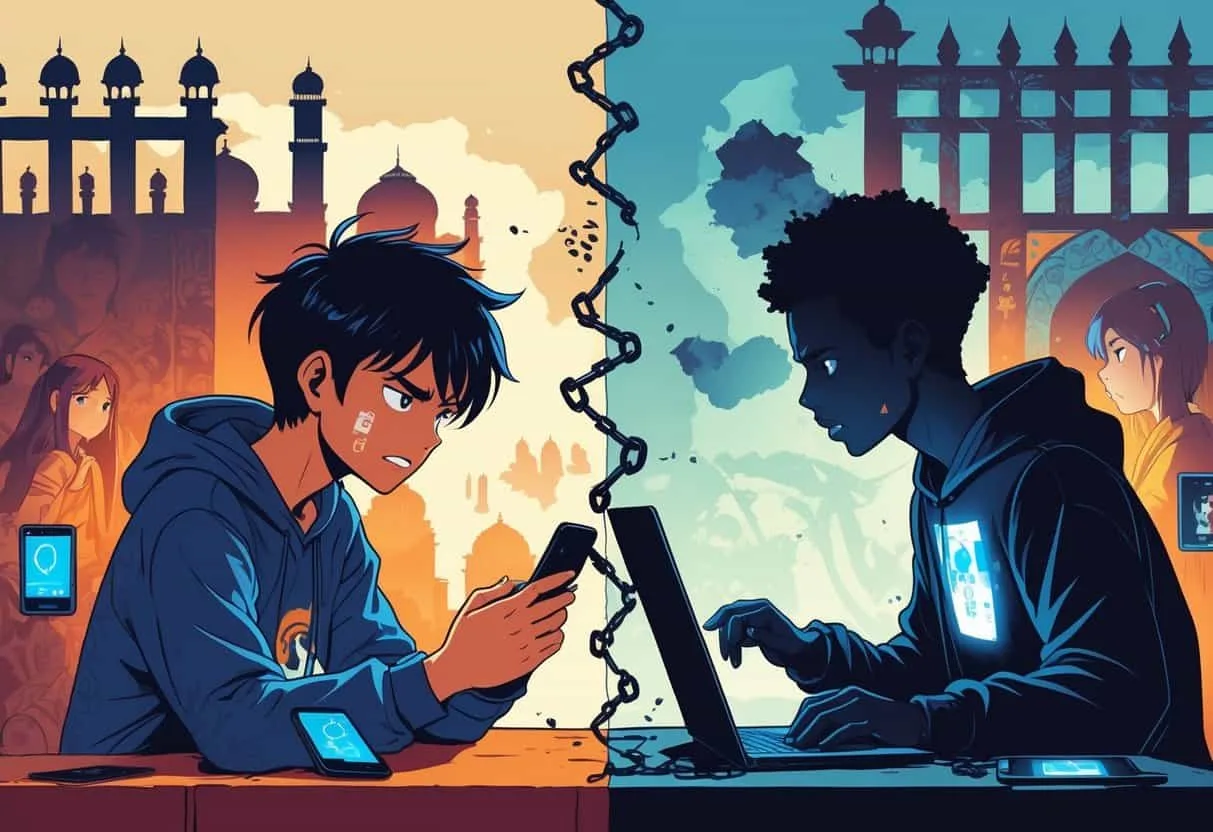
The experience is not monolithic. In India, the tension between rapid digital adoption and conservative media policies creates a shaky foundation. Across Africa, diverse nations like Nigeria, Kenya, and South Africa grapple with infrastructure gaps while also contending with colonial-era censorship laws. Yet, beneath these challenges lies a vibrant, resourceful fan base that leverages technology and creativity to build connections. Understanding this duality is key to appreciating the anime fandom's resilience and the need for inclusive solutions.
Censorship and Cultural Gatekeeping
Censorship in India and Africa often stems from a desire to protect public morality, but its implementation can frustrate anime fans. Governments and cultural institutions wield significant power in determining what content is acceptable. This section examines the layers of control that affect anime availability, from legal statutes to religious influences, and how they distort creative consumption.
Government Regulations and Content Moderation
In India, the Central Board of Film Certification (CBFC) mandates that all televised content adhere to strict guidelines. Anime scenes depicting extreme violence, suggestive themes, or political dissent are frequently edited or banned outright. For example, the 2020 broadcasting code in India prohibited "indecent or obscene visuals," leading to cuts in Demon Slayer fight scenes that altered their intensity. Shows like Attack on Titan have faced edits to graphic sequences, altering narrative impact. Similarly, in African nations like South Africa, the Film and Publication Board can reclassify anime, restricting viewing to age-appropriate audiences, which may lead to streaming services geo-blocking titles altogether.
In Kenya, the Kenya Film Classification Board has warned against LGBTQ+ themes in anime, aligning with conservative laws. These policies, while rooted in societal protection, often result in a fragmented viewing experience where fans miss critical story arcs.
Legal frameworks vary widely. Nigeria’s National Film and Video Censors Board (NFVCB) scrutinizes content for anti-government sentiments or sexual innuendo, leading to outright bans of series like Death Note in some broadcast outlets. This push-and-pull between regulation and artistic freedom creates a constant state of uncertainty for fans and distributors alike. Enforcement is inconsistent, with rural areas sometimes relying on informal community standards that add another layer of unpredictability.
Religious and Moral Sensitivities
Religious doctrine heavily influences media choices in both regions. In India, conflicts arise when anime incorporates Hindu imagery or mythology in unorthodox ways, as seen with some Fate/Stay Night adaptations. Hindu nationalist groups have lobbied for content removal, citing offense. In predominantly Islamic African nations like Egypt or Sudan, anime featuring pantheistic themes or perceived blasphemy may be blocked. For instance, series that depict deities or afterlife concepts can spark controversies, with local clerics issuing fatwas against them.
These sensitivities force streaming platforms to self-censor, often by skipping entire seasons or altering dialogue. Crunchyroll and Netflix have limited library offerings in these areas to comply with local laws, as documented in their regional availability page. Fan reactions range from frustration to organized online petitions, though success is rare.
The Impact on Creative Expression
Persistent censorship stifles not only viewer experience but also local artists. Aspiring animators and fan fiction writers in these regions often avoid mature or controversial topics to bypass potential backlash. This self-censorship limits the depth of fan-made content and hinders the emergence of a truly local anime-inspired industry. In India, some creators have shifted to abstract or comedic genres to evade scrutiny, while in Africa, storytellers rely on allegory to touch on taboo subjects. Fans frequently turn to underground networks to access uncut versions, which can expose them to legal risks and unreliable sources.
The cycle of restriction and circumvention underscores a fundamental challenge: nurturing a creative ecosystem while respecting cultural boundaries. Educational initiatives that promote media literacy could help reframe anime as a tool for dialogue rather than a threat.
The Access Divide: Streaming, Licensing, and Technology
Access to anime is a digital battlefield. Even when censorship is not a factor, the logistics of streaming content in India and Africa introduce layers of frustration. This section breaks down the key access issues, from platform limitations to infrastructure woes, that define the fandom's daily reality.
Legal Streaming: A Limited Landscape
Global platforms like Netflix, Amazon Prime Video, and Crunchyroll operate in these regions, but their anime catalogs are often sparse. Licensing agreements with Japanese studios prioritize Western markets, leaving Indian and African fans with incomplete or outdated libraries. A 2023 report by Media Partners Asia highlighted that less than 40% of new anime releases are licensed for African territories. For Indian fans, payment methods pose another hurdle; many platforms require credit cards that are not universally held, sidelining those without banking access. Local payment systems like UPI have improved things, but international services lag in integration.
According to a 2023 Dataxis report, Africa has the lowest per-capita streaming service penetration, with many fans resorting to shared accounts or VPN workarounds.
Moreover, subscription costs are prohibitive for many. A monthly Crunchyroll subscription might cost 799 Indian rupees, which is a significant expense relative to average incomes. This economic reality pushes fans toward free, ad-supported tiers that often exclude the latest episodes, or worse, toward piracy. In Nigeria, where the minimum wage is around 30,000 naira, spending on entertainment is a luxury, so anime is often a communal viewing activity on borrowed devices.
Intellectual Property and Licensing Quagmires
The anime industry’s complex licensing web directly impacts regional availability. Japanese licensors often bundle rights, leading to high costs that deter local distributors. In Africa, the absence of domestic anime distributors means relying entirely on international platforms. This gap has created a thriving market for illegal streaming websites, which are accessed by over 70% of anime consumers in countries like Kenya, according to a 2022 GeoPoll study. Piracy not only undermines the industry but also exposes users to malware and legal threats.
Efforts by initiatives like Anime News Network to track licensing deals show that coverage remains uneven, with sub-Saharan Africa being particularly underserved. The economics of anime distribution favor large, homogeneous markets, leaving niche audiences in limbo.
Internet Infrastructure and Mobile Constraints
High-speed internet is a luxury in many parts of India and Africa. The Internet World Stats 2023 data indicates that in Africa, average broadband speeds are often below 10 Mbps, making HD or 4K anime streaming impractical. Mobile data, while more common, is expensive and slow for video content. In rural India, 4G networks are inconsistent, forcing fans to rely on lower-quality streams or downloads. Over 80% of anime viewing in these regions happens on smartphones, yet many streaming apps are not optimized for low-data modes, leading to buffering and heavy battery drain.
Mobile data costs compound this: in sub-Saharan Africa, 1GB of data can cost over $3, a prohibitive expense for regular streaming. This technological mismatch alienates potential fans and limits engagement, prompting some to download episodes at cybercafés or communal hotspots.
Forging Communities in Fragmented Markets
Despite obstacles, anime communities in India and Africa have blossomed through ingenuity. This section explores how fans build networks and create content in resource-constrained environments, from online hubs to offline meetups and creative projects.
The Power of Online Platforms
Social media and messaging apps like WhatsApp, Discord, and Reddit have become vital hubs. In India, Facebook groups dedicated to anime boast over 2 million members, facilitating discussions and fan theories. For African fans, Twitter and TikTok serve as platforms for trending anime moments, often using creative hashtags to bypass language barriers. These online spaces compensate for the lack of local fan clubs, offering a sense of belonging that is essential for fandom sustainability. However, connectivity issues mean that many can only participate intermittently, leading to a digital divide even within communities.
During network outages, fans rely on offline apps to save content, but this fragments real-time interaction.
Offline Gatherings and Conventions
Physical meetups, though rare, are growing. Events like Comic Con India occasionally feature anime screenings, attracting thousands of visitors. In Africa, South Africa’s ICON Comics and Games Convention includes anime panels, while smaller gatherings in Lagos or Nairobi rely on word-of-mouth. These events provide a platform for cosplay, merchandise trading, and networking, yet their frequency and scale pale in comparison to Western counterparts. Travel costs and safety concerns further limit attendance, pushing organizers to host virtual components alongside physical events.
For instance, post-pandemic, hybrid models have emerged, but technology gaps can undercut inclusivity.
Fan Creativity as a Driving Force
Where official content is lacking, fans step in. Translation groups create subtitles in Hindi, Swahili, or Amharic, making anime accessible to non-English speakers. This collaborative effort, often done for free, sustains interest in series that would otherwise remain obscure. In South Africa, fan-produced zines and digital magazines like Otaku Africa have gained traction, though funding remains precarious. Fan art and local memes also integrate anime into cultural contexts, such as reimagining Naruto characters in traditional African attire.
This grassroots creativity not only fills gaps but also shapes how anime is perceived and consumed locally. Platforms like YouTube host fan-made explainer videos, though they face copyright strikes that complicate visibility. Such work underscores the community’s role as a cultural bridge, blending global media with local identity.
Socioeconomic and Educational Influences
Economic realities and educational systems profoundly affect anime fandom. This section analyzes the broader societal factors at play, including income disparities, curricula, and youth movements that intersect with anime culture.
The Cost of Being a Fan
Affordability is a persistent barrier. Official merchandise, such as figurines or apparel, is often imported and priced beyond reach. A Naruto hoodie might cost 5000 Indian rupees, equivalent to a week’s salary for many. In Africa, where disposable income is even lower, fans opt for homemade or bootleg items. This economic exclusion reinforces reliance on free, often pirated, content and limits participation in the official fandom economy.
Crowdfunding for local events or projects, while innovative, rarely scales due to low capital. The informal market for anime goods thrives, but it lacks quality control and often violates copyright, creating a parallel system that sidesteps legal channels.
Education and Anime Literacy
School curricula in India and Africa rarely explore anime as an art form or cultural export. Media studies programs focus on Hollywood or Bollywood, overlooking Japanese animation’s global impact. This educational gap means that critical analysis of anime themes is left to informal online forums. In some African countries, art classes might touch on animation techniques, but they seldom address storytelling or sociopolitical commentary. Expanding cultural studies to include anime could boost literacy and appreciation, potentially reducing stigma.
Initiatives by organizations like UNESCO have begun promoting digital content in education, but anime-specific programs are still nascent. Without formal recognition, anime remains a "low-brow" hobby in the eyes of many parents and educators, often dismissed as childish rather than recognized as a complex medium.
Youth Movements and Cultural Integration
Anime fandom intersects with youth-led social movements. In India, student protests in 2020 used anime iconography to express dissent, showcasing its role as a visual language. African youth similarly deploy anime references in online activism, from climate change to gender equality. This fusion transforms anime from entertainment into a tool for identity formation and resistance. However, cultural gatekeepers sometimes view this as Western cultural invasion, leading to pushback.
The dynamism of these movements suggests that as youth demographics grow—Africa has the youngest population globally, with a median age of 19—anime will only gain traction. Local adaptations, such as anime-inspired comic books addressing social issues, demonstrate how fandom can evolve into a platform for advocacy.
Future Outlook: Bridging the Gaps
Addressing the challenges for anime fans in India and Africa requires multi-stakeholder effort. Streaming platforms could expand payment models and invest in local dubbing to build trust, reducing the appeal of pirated sources. Governments might adopt more nuanced censorship frameworks that balance protection with creative freedom, perhaps through tiered content ratings like those in the EU. Educational institutions could incorporate anime into media literacy, fostering a deeper understanding of global cultures. As internet penetration rises—predicted to reach 60% in Africa by 2025—and streaming giants eye expansion, there is cautious optimism.
Grassroots movements continue to push for change, from online petitions against unfair censorship to scaling fan conventions. Fans and communities are already pioneering solutions through grassroots organization and digital innovation. The future of anime in these regions hinges on recognizing their potential value as emerging markets and cultural hubs, where local and global narratives can coexist and enrich the medium.