Table of Contents
The Rise of Anime Culture in Latin America
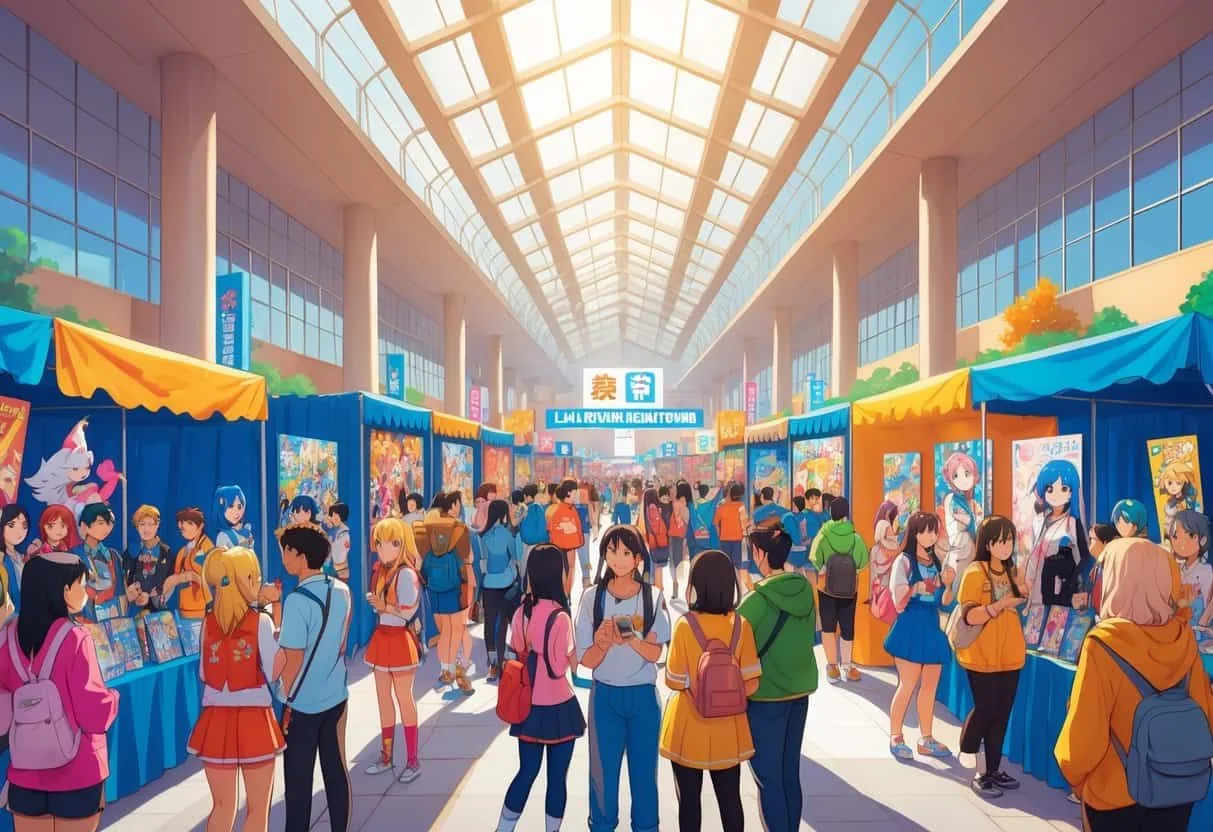
Anime conventions in Latin America have transformed from modest fan gatherings into monumental cultural events that rival the scale of major international festivals. Over the past decade, the region has experienced a breathtaking surge in the popularity of Japanese animation, fueled by affordable high-speed internet, the proliferation of streaming platforms, and a fanbase that approaches fandom with extraordinary passion and creativity. These conventions now draw tens of thousands of attendees across multiple days, offering a vibrant mix of competitive cosplay, exclusive premiere screenings, massive gaming tournaments, and rare direct access to the creators and voice actors who shape the industry. More than commercial marketplaces, these events have become essential institutions for community building, artistic development, and cross-cultural exchange between Latin America and Japan.
The growth of anime fandom in the region did not happen overnight. It traces back to the 1980s and 1990s when television networks across Latin America broadcast dubbed versions of Saint Seiya, Dragon Ball Z, Sailor Moon, and Captain Tsubasa. These shows became generational touchstones, creating a shared vocabulary of heroic archetypes, emotional story beats, and iconic musical scores that still resonate at conventions today. The transition from passive TV viewing to active convention participation was a natural evolution, as fans sought spaces to express their enthusiasm openly and connect with like-minded peers. The result is a convention scene that feels deeply personal, wildly energetic, and unmistakably Latin American in its warmth and expressive joy.
The Big Four: Largest Anime Conventions in Latin America
While dozens of anime conventions dot the calendar across Central and South America throughout the year, four events stand out for their sheer scale, international guest rosters, and production quality. Each one brings a distinct flavor that reflects the local culture while honoring the Japanese pop art that unites them. Understanding the character of each convention helps attendees choose the experience that best fits their interests.
Anime Friends (Brazil)
Anime Friends, held annually in São Paulo, is widely considered the largest anime event in Latin America. The convention routinely draws more than 100,000 visitors over a single weekend, transforming the city into a hub for anime culture. What sets Anime Friends apart is its sheer ambition in programming. The main stage hosts everything from professional cosplay competitions with cash prizes to live concerts featuring Japanese guest artists and Brazilian cover bands that have perfected the art of performing anime openings and endings. The vendor hall is a sprawling marketplace where exhibitors from Japan, the United States, and across South America offer rare figures, limited-edition manga volumes, and official merchandise that cannot be found anywhere else.
Workshops cover topics as varied as stop-motion animation, mecha model building with Gundam kits, and digital illustration techniques. The energy at Anime Friends peaks during the night concerts, when thousands of fans wave synchronized glow sticks and sing along to theme songs in Japanese, Portuguese, and English. The convention also features a dedicated gaming pavilion where tournaments for Dragon Ball FighterZ, Street Fighter 6, and League of Legends draw serious esports talent from across the region. For international visitors, Anime Friends offers a crash course in Brazilian hospitality, with food stalls serving pão de queijo and coxinha alongside takoyaki and ramen. The event is managed by Anime Friends with a professional organization that has only improved with each edition.
Expo TNT (Mexico)
Mexico City hosts Expo TNT, a multi-genre convention that seamlessly blends anime, video games, comic books, and pop culture into a single immersive experience. Unlike conventions that focus exclusively on Japanese animation, Expo TNT embraces a broader nerd culture umbrella while giving anime a prominent place in its core programming. The convention is known for its extensive interactive zones, including virtual reality experiences, retro arcade halls, and sprawling board game libraries. Cosplay at Expo TNT reaches theatrical levels, with participants constructing elaborate stage sets and performing scripted skits that draw inspiration from both anime and Mexican folklore. The convention also places a strong emphasis on the dubbing industry, inviting the voice actors who gave Spanish voices to characters from Dragon Ball, Naruto, and Attack on Titan.
These sessions often become emotional reunions between fans and the voices that defined their childhoods. Expo TNT also hosts professional portfolio reviews, where aspiring animators and illustrators receive direct feedback from industry veterans. The convention floor is organized into themed districts, each dedicated to a different genre or era of anime history, making navigation both intuitive and visually stimulating. Expo TNT's official site is Expo TNT, where attendees can find ticket information, guest announcements, and detailed scheduling.
J'n'B (Argentina)
Buenos Aires hosts J'n'B (Juegos y Animé Buenos Aires), a convention that has carved out a loyal following by focusing on grassroots community engagement and the promotion of local talent. While J'n'B may start smaller than its Brazilian and Mexican counterparts in terms of raw attendance numbers, its impact on the Argentinean fandom is significant. The convention's programming emphasizes the intersection of Latin American cultural identity and anime aesthetics, with panels that explore how Argentinean artists reinterpret Japanese storytelling conventions through their own cultural lens. The artist alley at J'n'B is a vibrant showcase of homegrown illustrators, zine creators, and independent comic artists, many of whom got their start by selling prints at this very convention. Fighting game tournaments at J'n'B are particularly intense, attracting competitive players from across Argentina, Chile, and Uruguay who compete for regional bragging rights in titles like Guilty Gear Strive and Tekken 8.
The convention also features a strong music lineup, with local bands performing covers of anime classics and original compositions inspired by Japanese rock and pop. J'n'B operates with a community-first ethos that keeps ticket prices accessible and programming focused on fan participation rather than passive consumption. The intimate scale of the event allows for genuine connections between attendees, guests, and organizers, creating an atmosphere that many larger conventions struggle to replicate.
Anime Summit (Chile)
Chile's Anime Summit has gained a reputation for its inclusive atmosphere and emphasis on cultural education. The convention goes beyond the standard cosplay and merchandise offerings to include language workshops, calligraphy classes, lectures on Japanese cinema history, and even traditional tea ceremony demonstrations. The programming is designed to appeal to both casual fans and serious students of Japanese culture. Anime Summit has also been a pioneer in accessibility within the Latin American convention scene, providing sign language interpretation for main stage events, designating quiet zones for attendees with sensory sensitivities, and implementing crowd management strategies that reduce overcrowding in high-traffic areas. The cosplay competition at Anime Summit is known for its focus on craftsmanship, with judges who have formal training in costume design and textile arts providing detailed feedback to participants.
The vendor hall features a strong contingent of local Chilean artisans who create handmade merchandise that blends anime motifs with Mapuche and Andean design elements, creating unique collectibles that cannot be found anywhere else. The convention's commitment to education and inclusion has made it a model for other events in the region looking to expand their programming beyond pure entertainment.
Regional Flavors: How Local Culture Shapes Each Convention
The most fascinating aspect of Latin American anime conventions is how they reflect the distinct cultural identities of their host countries. No two events feel identical, even when they share the same basic structure of cosplay, panels, and vendor halls. Brazilian conventions tend to be the largest and most exuberant, with a carnival-like atmosphere that embraces spectacle and noise. Mexican conventions integrate the country's rich tradition of artisan craftsmanship into the merchandise and cosplay scenes, with handmade textiles and embroidery appearing in character designs. Argentinean conventions carry a more intellectual and artistic tone, with deeper dives into the theory and practice of animation as an art form.
Chilean conventions prioritize accessibility and education, reflecting a broader societal emphasis on social inclusion and cultural enrichment. These regional differences mean that attending multiple conventions across the region offers a vastly different experience each time, even when the same guest artists or exhibitors appear. The fusion of Japanese pop culture with local traditions produces something genuinely new, a hybrid art form that speaks to the globalization of fandom while celebrating what makes each community unique.
Cosplay: The Heart of the Convention Experience
Cosplay in Latin America is not a side attraction. It is the central pillar around which the entire convention experience is built. Latin American cosplayers have earned international recognition for their craftsmanship, performance skills, and the emotional depth they bring to their portrayals. Conventions dedicate massive halls and outdoor spaces to cosplay gatherings, where fans organize by anime series for photo shoots that can last three hours or more. The scale of these meetups is staggering; a single Demon Slayer gathering can feature hundreds of participants, each wearing meticulously crafted costumes that took months to complete.
The masquerade competitions are theatrical showdowns, often featuring group skits with full choreography, custom lighting rigs, and fiber-optic costumes that push the boundaries of what is possible with wearable technology. What makes the Latin American cosplay scene particularly special is the strong culture of mentorship. Veterans actively seek out newcomers, sharing sewing techniques, armor-making methods using EVA foam and thermoplastics, and advice on how to embody a character's mannerisms and emotional range. Social media platforms like Instagram and TikTok serve as year-round workshops, with cosplayers posting progress photos, tutorial videos, and behind-the-scenes content that builds anticipation for the next convention. The month leading up to a major event sees a surge of collaborative activity, with cosplayers pooling resources to share materials, tools, and workspace.
The result is a community that is simultaneously competitive and supportive, where the goal is not simply to win but to elevate the entire art form.
Beyond the Costume: Panels, Workshops, and Interactive Zones
Convention programming has expanded dramatically in recent years, with multi-track schedules that cater to a wide range of interests. The days of conventions offering only a vendor hall and a single screening room are long gone. Modern Latin American anime events feature structured programming that rivals academic conferences in depth and variety.
- Panels and Industry Talks: Directors, animators, and manga editors travel from Japan and the United States to explain storyboarding techniques, digital coloring pipelines, and how to break into the animation industry. Q&A sessions at these panels often extend well past the scheduled time because the audience engagement is so passionate and the questions are genuinely insightful. Fans want to understand not just the finished product but the creative process that produces it.
- Gaming Zones: Entire pavilions are dedicated to retro arcade machines, modern console free-play areas, and virtual reality booths. Competitive tournaments for games like Dragon Ball FighterZ, Genshin Impact, and Valorant draw serious esports crowds, with live commentary delivered in both Spanish and Portuguese to accommodate the international audience. Prize pools for major tournaments can reach thousands of dollars, attracting top-ranked players from across the region.
- Screenings: Theatres run curated anime blocks that range from beloved classics like Cowboy Bebop and Neon Genesis Evangelion to world premieres of upcoming seasonal titles that have not yet been licensed for distribution in Latin America. Some conventions offer outdoor giant screens for evening viewings, with audiences sprawled on inflatable cushions and picnic blankets under the stars, creating a communal viewing experience that mimics outdoor cinema traditions.
- Workshops: Hands-on classes teach manga illustration fundamentals, Japanese language basics for travelers, traditional crafts like koto playing and origami, and even the etiquette of the Japanese tea ceremony. These sessions give attendees a deeper appreciation for the cultural context behind the animation they love, bridging the gap between entertainment and education.
Meeting the Creators: Industry Guests and Voice Actors
The opportunity to interact with talent from Japan and Latin America's own booming dubbing industry is a major draw that consistently drives ticket sales. Voice actors who have lent their voices to Spanish and Portuguese dubs of iconic series enjoy rock-star status at these events. When a voice actor steps onto the main stage to perform a live dialogue reenactment, the audience responds with the kind of fervor usually reserved for concert headliners. These live performances are often the emotional highlight of the convention, as fans hear their favorite characters speak directly to them in their native language. Guests from Japanese production companies offer portfolio reviews for aspiring artists, providing direct feedback on character design, storyboarding, and visual development.
Autograph sessions create intimate moments where fans can express how a particular show impacted their lives, with many attendees visibly moved as they meet the people behind the characters that shaped their childhoods. These connections humanize the animation industry and often lead to long-term mentorship relationships, with established artists returning year after year to check in on the progress of fans they met at previous conventions. The Latin American dubbing industry is particularly respected within the global anime community, and conventions provide a rare opportunity for fans to meet the local talent that makes anime accessible to millions of Spanish and Portuguese speakers across the region. The dubbing panels often reveal fascinating behind-the-scenes stories about casting decisions, recording sessions, and the unique challenges of adapting Japanese humor and cultural references for Latin American audiences.
The Vendor Hall: Merch, Manga, and Handmade Goods
Navigating the vendor hall is an adventure that requires strategy and patience. The floor is a labyrinth of booths selling everything from official Bandai figures imported directly from Japan to locally produced bootleg keychains that parody popular series in clever ways. Sharp-eyed shopping is essential, as prices can fluctuate wildly between stalls and many vendors operate on a cash-only basis. Coming prepared with small bills and a clearly defined budget gives you a significant advantage over the impulsive shopper.
Local artisans fill a substantial portion of the vendor space, offering handmade plushies, resin-crafted jewelry, enamel pins, and prints that reinterpret anime characters in distinctly Latin American settings. A print might show a Studio Ghibli character walking through a Brazilian favela, or a One Piece crew member wearing traditional Mexican embroidery. These hybrid artworks are often the most cherished purchases, as they cannot be found anywhere outside the convention where they were purchased. Limited-edition collaborations between international brands and local designers are another highlight, with products that sell out within hours of the convention opening. For serious collectors, the real treasures lie in the used-item sections where fans trade pre-loved figures, rare out-of-print DVDs, and manga volumes that have been carefully preserved.
Bartering is common in these areas, and the negotiation itself becomes part of the experience. Talking with sellers often reveals the history of an item, a much-loved Naruto gashapon that traveled from a store in Akihabara to a shelf in Buenos Aires, now looking for its next home. The vendor hall is also a place where trends become visible; watching which series dominate the booths each year provides a real-time snapshot of what is resonating with Latin American fans.
Music and Live Performances
No Latin American anime convention feels complete without a live concert component. The main stages host everything from professional cover bands that have perfected every note of Demon Slayer and Attack on Titan openings to original Japanese artists who travel exclusively for the Latin American convention circuit. The audience participation transforms these sets into interactive spectacles. Fans wave coordinated light sticks in patterns that have been choreographed in advance on social media, shout callbacks in Japanese at precisely the right moments, and sometimes bring custom flags and banners that they wave during the most emotional songs. Groups like SUG and local sensation Akatsuki have built loyal followings through these convention circuits, and the shared musical experience often becomes the defining memory that attendees carry home.
Sound quality has improved immensely in recent years, with venues investing in concert-grade audio systems that do justice to the intricate orchestral compositions of Yuki Kajiura and the high-energy rock arrangements of Hiroyuki Sawano. Some conventions now offer VIP concert packages that include early entry, exclusive merchandise, and meet-and-greet opportunities with performers. The musical programming often extends beyond anime theme songs to include J-pop, J-rock, and even traditional Japanese instrumental performances, providing a broader cultural experience for attendees who want to explore Japanese music beyond its connection to animation.
Community and Social Connection
The sense of belonging that these conventions cultivate cannot be overstated. For many fans, the convention represents the one space where their passion is met with enthusiasm rather than confusion or dismissal. Social media platforms like Twitter, Instagram, TikTok, and Discord serve as year-round connective tissue, with groups forming around specific romantic pairings, art styles, or niche genres. When the convention finally arrives, those online connections become real-world friendships that often persist long after the event ends. Cosplay meetups are organized through dedicated Discord servers, fan projects like fanzine launches happen in designated lounge areas, and bring-your-own-art swap meets pop up spontaneously in hallways and outdoor spaces.
The community is self-sustaining and remarkably inclusive, actively welcoming younger fans and providing safe spaces for LGBTQ+ attendees and people with disabilities. Many conventions now have dedicated staff and volunteer teams focused on harassment prevention and attendee well-being, ensuring that the welcoming atmosphere is protected. The social aspect of conventions extends beyond the event itself, with many local fan groups organizing monthly meetups, movie nights, and charity drives that keep the spirit of the convention alive throughout the year.
The Impact of Streaming and Digital Accessibility
The surge in convention attendance across Latin America correlates directly with the rise of legal streaming platforms that have made hundreds of anime series available with Spanish and Portuguese subtitles, often simultaneously with their Japanese broadcast. Services like Crunchyroll and Netflix dismantled the old reliance on fansubs and bootleg DVDs, bringing in a wave of new fans who could follow weekly seasonal releases and join global conversations on social media in real time. The timing was perfect. As streaming normalized anime consumption across a broader demographic, the desire for in-person communal experiences grew proportionally. Conventions became the physical manifestation of a fandom that had previously been practiced largely in isolation, a place to celebrate collectively what was so often enjoyed alone in front of a screen.
This digital accessibility also diversified the fanbase, bringing in older viewers who had drifted away from the hobby and younger fans who discovered anime through algorithmic recommendations rather than word of mouth. The result is a convention audience that spans multiple generations and tastes, from fans of classic 1990s shonen series to enthusiasts of niche slice-of-life dramas that would never have found an audience in the pre-streaming era.
Navigating Post-Pandemic Conventions
The COVID-19 pandemic forced every major Latin American anime event to cancel, postpone, or pivot to virtual formats during 2020 and 2021. Organizers responded with creativity and resilience, offering livestreamed panels, digital artist alleys where fans could purchase prints and commissions through online marketplaces, and online cosplay contests judged via video submission. While these virtual components lacked the tactile buzz of a live crowd, they broadened access for fans in remote towns and rural areas who could never afford the travel and accommodation costs required for in-person attendance. Since live events returned, a hybrid model has persisted at many conventions. Attendees now have the option to purchase a digital pass that includes access to recorded panels and exclusive live streams of main stage events.
Health measures remain visible at in-person events, hand-sanitizing stations are ubiquitous, optional mask zones have been maintained in many venues, and some organizers have chosen to keep capacity slightly reduced to ease crowding. The overall atmosphere at post-pandemic conventions is noticeably more relaxed and intentional. Attendees seem to appreciate the event with a renewed sense of gratitude, taking more time to savor moments rather than rushing through the schedule. The pandemic also accelerated the adoption of digital ticketing systems, cashless payments, and real-time crowd tracking apps, improvements that have made the convention experience smoother and more convenient for everyone involved.
Tips for First-Time Attendees
If you are planning to attend a Latin American anime convention for the first time, a little preparation can make the difference between an overwhelming experience and an unforgettable one.
- Plan Your Schedule: Study the panel and event list in advance. Identify the one or two must-see sessions and prioritize them, but leave open blocks of time to explore the vendor hall and stumble upon spontaneous cosplay gatherings. The best moments often happen outside the official programming.
- Budget Wisely: Conventions are cash-consuming environments. Allocate a fixed amount for merchandise, food, autograph fees, and any paid workshops. ATM lines inside venues are notoriously long and sometimes run out of cash entirely, so bring more local currency than you think you will need. Keep small bills handy for small purchases.
- Dress for Comfort and Endurance: If you are cosplaying, test your outfit for mobility and heat management well before the event. Many convention halls reach tropical temperatures due to crowding, so breathable fabrics, comfortable footwear, and a backup change of clothes are essential. Pack a small repair kit with safety pins, fabric glue, and thread for emergency fixes.
- Stay Hydrated and Fed: Excitement and adrenaline can mask the physical signs of dehydration and hunger. Carry a refillable water bottle and pack non-perishable snacks like granola bars or dried fruit. Food court lines are longest between noon and 2 p.m., so plan your meals during off-peak hours to avoid wasting time.
- Respect the Space and the People: Always ask for permission before photographing cosplayers. Respect room capacity limits and follow staff instructions without argument. A considerate attitude helps maintain the welcoming environment that makes these events special. Support the community by purchasing from local artists and leaving constructive feedback on their work.
The Future of Anime Conventions in Latin America
The trajectory of Latin American anime conventions points toward even greater integration of technology, culture, and year-round community engagement. Augmented reality treasure hunts are already being tested at several major events, where attendees scan QR codes hidden in cosplay props or embedded in vendor displays to unlock exclusive digital art and discounts. Esports stages are growing rapidly, with dedicated pavilions that rival the main event halls in size and production value, drawing sponsorship from major gaming hardware brands and energy drink companies. Sustainability initiatives are gaining momentum, with reusable cup programs, digital program guides replacing printed schedules, and organized cosplay swap meets that reduce fabric waste and extend the life of handmade costumes. The line between annual convention and year-round community center continues to blur, with local chapters hosting monthly mini-events, drawing workshops, and charity drives that maintain momentum between the big gatherings.
More conventions are partnering with Japanese cultural organizations to offer official language certification exams and study-abroad scholarship opportunities, transforming fandom into educational pathways. The heart of it all remains the same, a celebration of creativity, identity, and connection. As long as there are stories that inspire, Latin American fans will find ever more inventive ways to bring them to life, share them with others, and weave them into the rich cultural fabric of their own traditions. The conventions are not just growing in size, they are deepening in meaning, becoming spaces where fans not only consume culture but actively participate in creating it.