Table of Contents
Cosplay sits at the fascinating intersection of artistry, fandom, and cold, hard cash. What began as a niche expression of devotion to anime and sci-fi characters has quietly grown into a sprawling global economy where fans collectively spend billions of dollars each year. A few yards of fabric and a pair of foam armor plates might not look like the gears of a market, but they absolutely are—driving demand for materials, conventions, professional services, and an endless stream of digital content.
Cosplay is no longer just a weekend hobby. It’s a serious financial commitment for millions of people, rooted in creative passion and community. Whether you’re hand-stitching a gown from a fantasy series or ordering a complete outfit from an online maker, every choice you make feeds a dynamic ecosystem of sellers, event organizers, and independent artists. In this article, we’ll break down exactly how cosplayers spend their money, what drives those spending habits, and the larger economic impact of the phenomenon.
The Global Cosplay Market: More Than Just a Hobby
Cosplay’s economic footprint has expanded well beyond the convention floor. A report from Allied Market Research estimated the global cosplay costume market alone at over $4.6 billion in 2023, with projections to surpass $10 billion by 2032. That figure doesn’t even account for wigs, props, makeup, photography, travel, or ticket sales—all of which multiply the real number significantly. When you dress as your favorite character, you’re participating in a legitimate, fast-growing creative industry.
Part of this growth comes from the massive international popularity of Japanese pop culture, but the appeal is now truly global. Statista notes that North America and Europe have seen a steady rise in cosplay participation and spending, fueled by streaming platforms, social media, and Hollywood’s embrace of comic-book franchises. Events like San Diego Comic-Con, Anime Expo, and MCM London have turned into major economic drivers for their host cities, packing hotels, restaurants, and retail shops with fans eager to spend.
Even smaller, regional conventions now draw thousands of attendees. The economic ripple effect is measurable: a 2022 study by the Events Industry Council found that a mid-sized pop-culture convention can inject $5–$10 million into a local economy over a single weekend. Cosplay is the engine behind much of that activity—attendees often prepare for months, spending on materials and services, and then travel to showcase their work.
Spending Patterns: Where the Money Goes
Understanding cosplay economics means looking at the specific buckets where fans put their cash. The breakdown is rarely neat, because some people spread costs across a dozen projects while others sink a huge budget into one masterpiece per year. Still, the main spending categories are remarkably consistent across the community.
Costumes and Construction Materials
Costumes are the heart of the spend. A basic, off-the-rack outfit might cost as little as $40–$80, but most serious cosplayers quickly move into higher territory. A mid-range, custom-sewn costume with decent fabric, wig, and basic accessories typically runs between $200 and $600. High-end builds, especially those involving armor, thermoplastics, or intricate embroidery, can easily exceed $1,500 per project. According to a recent survey of over 3,000 cosplayers, the median annual spend on costumes alone is $1,200, with top-tier creators spending $5,000 or more each year.
Craftsmanship is a major cost driver. Many cosplayers insist on making their own outfits because it lets them control quality and achieve screen-accurate looks. That choice, however, means regular trips to fabric stores, specialty foam suppliers, and online marketplaces for findings like zippers, buttons, and thermoplastics. Big craft retailers like JOANN have reported noticeable sales bumps during convention season, as cosplayers clear shelves of specific colors and materials. Small independent sellers on platforms such as Etsy and Arda Wigs have built entire businesses around the demand for cosplay-specific supplies.
Accessories, Props, and Tech
A great costume is rarely complete without the right accessories. Wigs alone have become a major submarket, with lace-front wigs in character-precise colors selling for $60 to $300. Props—from plastic swords to LED-lit staffs—add another layer of expense. 3D printing has democratized prop making but also introduced new costs: a quality printer, resin or filament, post-processing tools, and paint. It’s common for a cosplayer to spend $200–$500 on props for a single character, particularly when electronics and custom paint jobs are involved.
Many fans also invest in photography and videography. Hiring a professional convention photographer for a 30-minute shoot can cost $100–$300. Some cosplayers maintain long-term relationships with photographers for portfolio-building, often paying for studio time on top of the shoot fee. This side of the hobby blurs the line between cost and investment, because high-quality images can attract sponsorship or Patreon support for those looking to monetize their craft.
Convention and Event Costs
Tickets, travel, and accommodation add up fast. A three-day badge for a major convention like Anime Expo or New York Comic Con averages $150–$250. Adding airfare or gas, a hotel for three nights, and meals can easily push the weekend total past $1,000 before a single costume is even considered. A 2023 survey by Eventbrite found that 64% of cosplayers attend two to four conventions per year, with average total trip expenses around $800 per event. Multiply that by a few events, and the annual number becomes significant enough to rival other serious hobbies like skiing or scuba diving.
Beyond attendance, many events now offer VIP packages and paid workshops. A half-day armor-making class might cost $75–$150, and cosplayers who want to compete—either in craftsmanship contests or performance skits—often spend extra on registration fees, specialized materials, and even coaching. Competition is fierce, and the promise of recognition or a cash prize can motivate people to spend well beyond their usual limits.
Economic Drivers and Fan Motivations
Why do cosplayers spend so much? The obvious answer is passion, but underneath that lie several psychological and social forces that shape buying behavior in predictable ways.
Creative Fulfillment and Craftsmanship Pride
For many, cosplay is a form of applied art. The satisfaction of building something with your own hands—and then having it recognized by thousands of peers online or in person—is a powerful motivator. This quest for creative expression often pushes spending into higher-quality materials and tools. A sewer might upgrade to a professional serger; an armor builder invests in a heat gun, a 3D printer, and an airbrush setup. Each upgrade improves the final product and deepens the hobbyist’s skill set.
In this sense, cosplay spending mirrors other craft-intensive hobbies like woodworking or custom car modification.
Social Belonging and Community Validation
Cosplay is inherently social. Whether you participate in group cosplays with friends or join an online build group, the community aspect creates both support and subtle pressure. You see someone’s jaw-dropping build on Instagram or a YouTube tutorial, and suddenly you want to tackle a more ambitious project. This peer effect drives spending as people try to keep up with fast-evolving standards. It’s not just about outdoing others—it’s about being part of the conversation and earning the respect of creators you admire.
Fandom research shows that cosplayers who feel deeply connected to a character’s story are willing to spend significantly more. They’re not just buying materials; they’re investing in an emotional experience. That’s why a new season of a popular anime or a blockbuster movie release can trigger a sudden spike in demand for specific fabrics, wigs, and props. Sellers on AliExpress and Amazon often report surges in orders for character-specific items within days of a trailer drop.
The Rise of Professional Cosplay and Influencer Culture
The blurring line between hobby and career has introduced a new economic dynamic. Professional cosplayers—who earn income through brand deals, sponsored posts, Patreon subscriptions, and convention appearance fees—treat spending as a business investment. A cosplayer with 500,000 followers might budget $3,000–$10,000 for a single costume because the resulting content can generate tens of thousands of dollars in ad revenue and sponsorships. This professionalization raises the bar for everyone, creating a tiered market where high-end commissioned costumes can cost anywhere from $2,000 to $20,000.
These professionals also drive secondary markets. They promote specific wig companies, thermoplastics brands, and even sewing machine manufacturers. A single tutorial featuring a “favorite” product can move inventory overnight, demonstrating how cosplay’s economic influence extends far beyond the convention hall.
The Business Side: How Cosplay Fuels a Growing Industry
Cosplay’s money doesn’t just flow from fans to big-box craft stores. A vibrant ecosystem of small businesses, independent makers, and content platforms has emerged to serve the community.
Independent Makers and Commission Artists
Crafting custom costumes and props for other cosplayers has become a viable full-time job for thousands of artisans. Platforms like Etsy, Instagram, and Ko-fi allow makers to find clients worldwide. A skilled prop maker can charge $500–$1,500 for a single replica weapon, while a seamstress specializing in complex gowns might command $3,000 and up. These micro-entrepreneurs often operate with razor-thin margins, but the passion economy allows many to earn a comfortable living doing what they love.
Convention Economics and Sponsorship
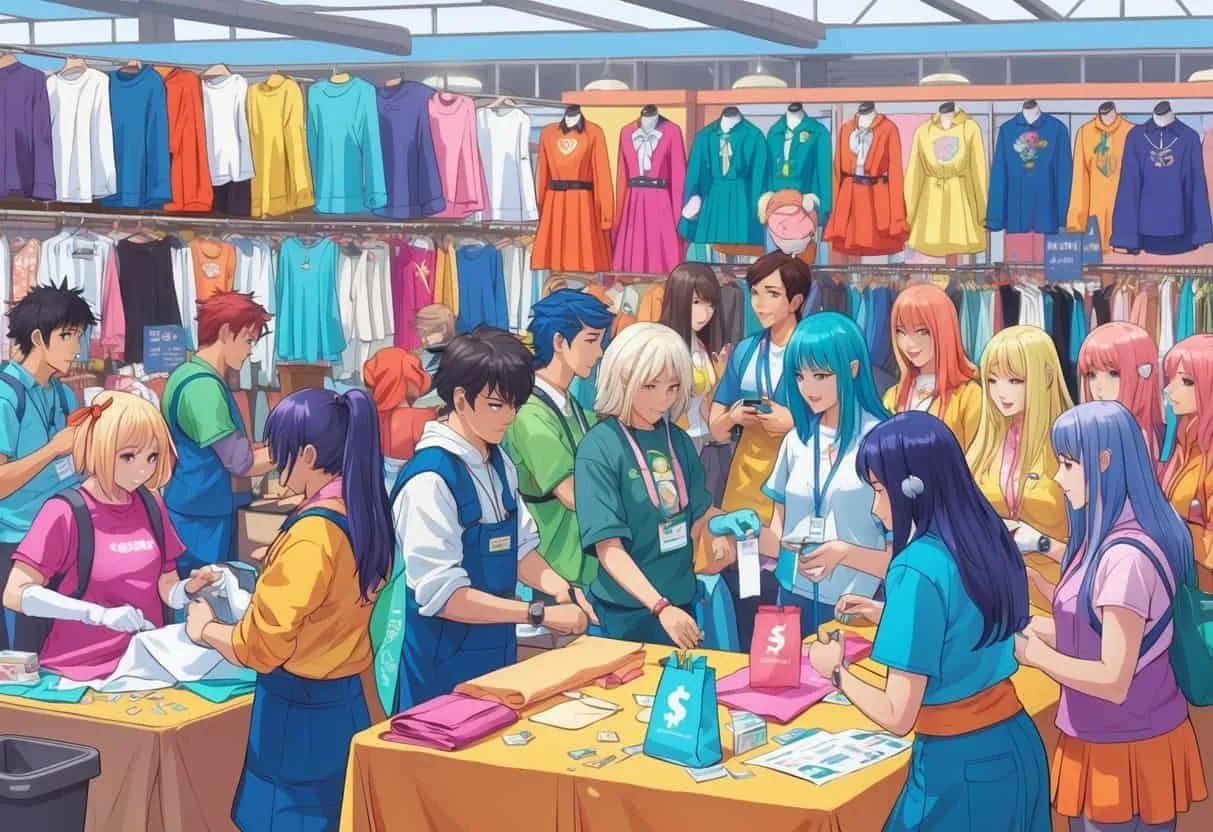
Conventions themselves are big business, and cosplay is a major draw for both ticket sales and vendor purchases. Vendors selling wigs, costumes, and accessories report that foot traffic during big events often accounts for 30–50% of their annual revenue. Sponsorship money flows, too. Brands like Singer sewing machines, Dremel rotary tools, and even energy drink companies have started sponsoring cosplay competitions and creating dedicated product lines for cosplayers. The message is clear: cosplayers are a desirable consumer demographic with disposable income and a high degree of brand loyalty.
Digital Content and Monetization
YouTube tutorials, Patreon build books, and TikTok transformation clips are all part of the cosplay economy. A medium-sized cosplay channel can generate $2,000–$5,000 per month in ad and sponsorship revenue. Some cosplayers sell digital patterns, STL files for 3D printing, and instructional eBooks. This intellectual property stream diversifies income and encourages even higher spending on original builds, because the uniqueness of a costume directly correlates with its content value.
Challenges, Responsible Spending, and Consumer Awareness
With so much money changing hands, cosplayers face real challenges around budgeting, quality, and ethical consumption. Passion can easily override financial common sense, leading to debt or burnout. It’s important to approach the hobby with clear eyes.
Budgeting Without Killing the Fun
Smart cosplayers treat the hobby like any other serious pastime: they set annual budgets and prioritize projects. Many track materials costs in spreadsheets and factor in event expenses months in advance. A helpful rule of thumb is to allocate no more than 5–10% of your take-home pay to cosplay in a given year, though that number will vary based on income and goals. Some fans choose to fund their hobby through side hustles—selling old costumes, offering commission slots, or creating content—making the spending feel more sustainable.
The Hidden Costs of Cheap Costumes
A $50 mass-produced costume from a fast-fashion platform might be tempting, but it often comes with ethical and quality trade-offs. Poor labor practices, environmental waste, and unrealistic expectations of fit and durability are common. Many cosplayers argue that investing in higher-quality materials—even if more expensive upfront—results in longer-lasting, more satisfying builds that ultimately save money. Additionally, supporting small makers and ethical suppliers aligns with the community-driven values that cosplay represents.
Safety, Consent, and Event Integrity
Financial decisions also intersect with personal security. Conventions aren’t free to run, and the cost of proper security—bag checks, trained staff, and anti-harassment policies—is built into ticket pricing. Cosplayers should feel confident that their investment in travel and costumes is protected by a safe environment.
On the flip side, attendees must respect boundaries. The phrase “cosplay is not consent” has become a standard reminder at events. Touching someone’s expensive, handcrafted costume without permission, or demanding photos without a respectful approach, creates an unsafe atmosphere that can ultimately drive people away—hurting the very economy everyone benefits from. A culture of mutual respect helps sustain the community and ensures that the money you spend on a ticket and a costume leads to a positive experience.
Future Trends: Where Cosplay Spending Is Headed
The economics of cosplay are evolving rapidly, influenced by technology, cultural shifts, and macroeconomic pressures.
Inflation and Price Sensitivity
Rising material and travel costs have bitten into cosplayer budgets over the last few years. Fabric prices, especially for specialty imports, have climbed by 10–20% in some markets. Hotel rates in convention cities have surged. Yet the community proves resilient. Cosplayers adapt by recycling older costumes, traveling in groups to split lodging, or focusing on fewer but higher-impact builds.
Affordability hasn’t dampened enthusiasm; it’s simply made people more strategic.
Virtual Cosplay and the Metaverse
The pandemic accelerated a shift toward digital cosplay—using VRoid Studio, 3D modeling, and platforms like VRChat to create and wear costumes in virtual spaces. This trend is surprisingly affordable: a fully customized 3D avatar can be made for a fraction of the cost of a physical costume. For some, it’s a substitute; for others, it’s an additional revenue stream. Digital cosplay is carving out its own economic niche, with artists selling commissions for custom avatars and virtual accessories.
Sustainability as a Market Force
Environmental awareness is starting to reshape buying habits. More cosplayers are seeking secondhand materials, upcycling old costumes, and buying from suppliers with transparent supply chains. Some event organizers are introducing green booth certifications and encouraging waste reduction. This ethical pivot could slowly shift spending away from disposable, mass-market items toward durable, handcrafted pieces—reinforcing the craft-first ethos that has always been at the heart of cosplay.
In the end, the economics of cosplay reflect a delicate balance between emotion and expense. Every dollar spent represents a choice to support creativity, community, and personal expression. As long as characters continue to inspire, fans will find ways to bring them to life—and the vibrant, multi-billion-dollar cosplay economy will keep growing right along with them.