Table of Contents
The Quiet Revolution in Animation
There's a peculiar magic that happens when an anime episode decides to go nearly silent. The familiar rhythm of dialogue fades, the rapid-fire exchanges that normally drive scenes forward vanish, and you're left alone with the characters in a way that feels almost uncomfortably intimate. These episodes represent some of the boldest creative risks in the medium—and when they work, they become the installments fans remember decades later.
Silent episodes operate on a counterintuitive principle: by removing the tool most storytellers rely on most heavily, they actually intensify the emotional weight of everything that remains. Every glance carries extra meaning. The rustle of fabric against skin becomes significant. A character's hesitation before reaching for a door handle speaks volumes about their internal state. You stop being a passive consumer of narrative information and become an active interpreter, scanning each frame for the emotional truth that dialogue would normally hand you directly.
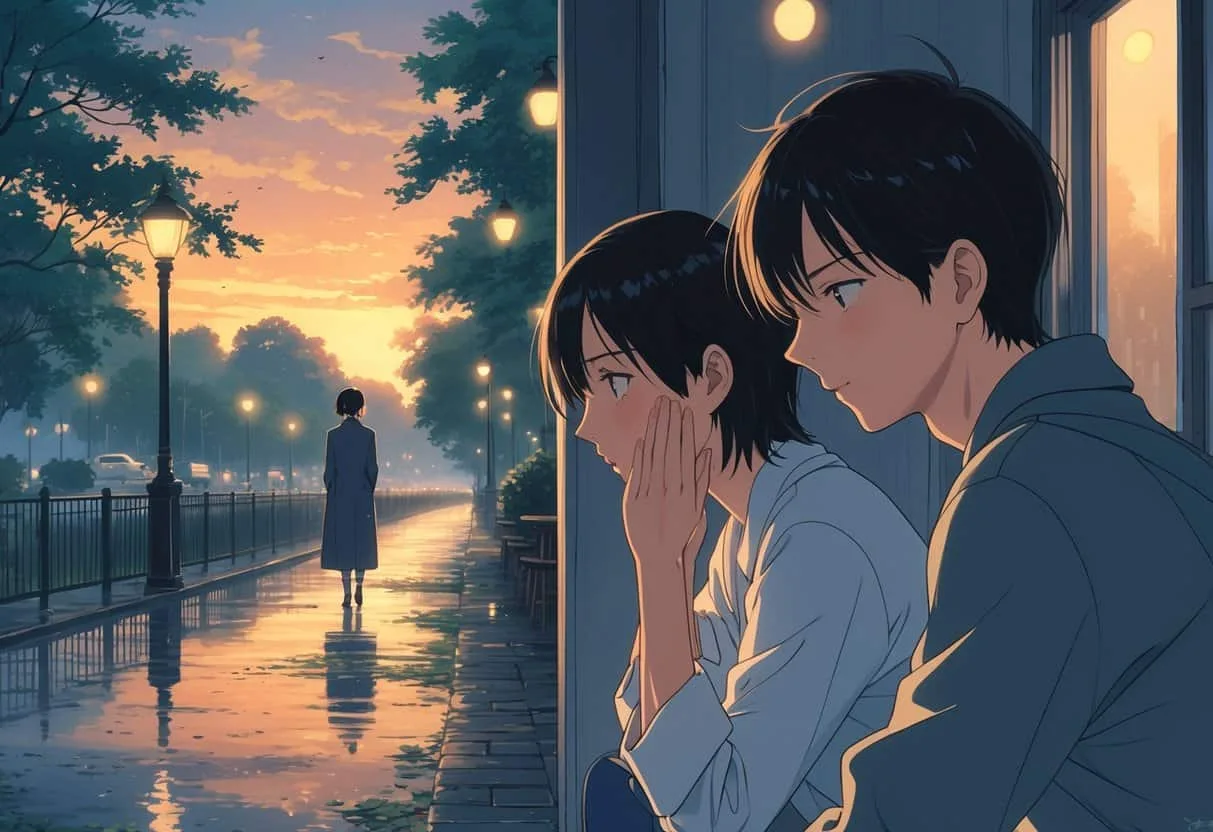
This approach to storytelling isn't just a stylistic flourish. It represents a philosophy about what animation can accomplish when it trusts its audience to pay attention. The best silent episodes don't feel like experiments—they feel like revelations, peeling back layers of character and theme that words might have obscured. For viewers accustomed to dialogue-driven narratives, encountering a well-executed silent episode can fundamentally reshape how they understand visual storytelling.
What Makes an Episode Truly Silent
The term "silent episode" covers more territory than you might expect. It's not necessarily about absolute silence—most of these episodes still incorporate music, ambient sound, and occasional vocalizations. What defines them is the deliberate minimization or elimination of spoken dialogue as the primary vehicle for advancing plot and character.
Some episodes commit fully to the concept, containing only a handful of words across their entire runtime. Others use selective silence, letting long stretches of wordless action punctuate moments of necessary exposition. The unifying thread is intentionality—every second of quiet serves a purpose, whether it's building tension, deepening a relationship, or forcing both characters and audience to sit with uncomfortable emotions they'd rather escape through conversation.
The Mechanics of Wordless Storytelling
When dialogue disappears, other elements of the production step forward to fill the gap. Character animation becomes extraordinarily precise, with animators lavishing attention on micro-expressions that might go unnoticed in a talkier episode. The way a character's shoulders slump after receiving bad news, the slight widening of eyes that signals dawning recognition, the unconscious way fingers grip fabric during moments of stress—these become the vocabulary of silent storytelling.
Sound design assumes an elevated role as well. Foley artists work overtime creating textures that ground silent scenes in physical reality: footsteps on different surfaces, the subtle creak of floorboards, the distant hum of city traffic, the intimate sound of breathing. Music directors often treat silent episodes as opportunities for extended compositions that shift and evolve alongside the visual narrative. The streaming era has made these episodes more accessible than ever, allowing viewers to revisit and analyze the craft behind them.
Why Creators Take the Risk
Choosing to produce a silent episode carries significant creative and commercial risk. Networks and production committees can be hesitant about installments that break format so dramatically. Voice actors, whose performances typically anchor audience engagement, find themselves sidelined from the primary storytelling mechanism. Yet directors continue pursuing these projects because the payoff can be extraordinary.
A successful silent episode generates conversation—not just among fans but within the industry. It demonstrates creative confidence and a commitment to pushing the boundaries of what television animation can achieve. For directors like Shinichiro Watanabe and studios like Kyoto Animation, silent episodes serve as calling cards, proof that their teams can deliver nuanced, emotionally sophisticated work that transcends language barriers and genre expectations.
Landmark Silent Episodes in Anime History
Several anime series have produced silent or near-silent episodes that stand as reference points for what the technique can accomplish. Each approaches the challenge differently, reflecting the show's broader aesthetic and thematic concerns while proving that silence adapts remarkably well across genres.
Cowboy Bebop: The Power of Absence
While Cowboy Bebop isn't typically discussed primarily for silent episodes, certain installments demonstrate how effectively the series used quiet to build atmosphere. The show's jazz-inflected storytelling often lets extended sequences play out with minimal dialogue, trusting Yoko Kanno's score and the characters' body language to carry the emotional weight. In episodes like Ballad of Fallen Angels, the quiet moments between action beats tell you more about Spike's internal landscape than any monologue could.
The series understood that silence creates space for reflection. After frenetic chase sequences or gunfights, the deliberate quiet lets both characters and viewers process what just happened. This rhythm—action giving way to stillness—became one of Cowboy Bebop's signature storytelling techniques, influencing countless series that followed.
Ergo Proxy: Existential Stillness
Ergo Proxy's Dead Calm episode represents perhaps the most philosophically ambitious use of silence in anime. The series, already dense with questions about identity, consciousness, and what it means to be human, uses the quiet episode format to strip away distractions and force confrontation with its core themes. Characters drift through eerily empty environments, their isolation made palpable by the absence of conversation.
What makes Dead Calm particularly effective is how the silence mirrors the show's philosophical concerns. If identity is constructed through interaction with others, what happens when those interactions cease? The episode doesn't answer this question directly but lets you sit with the discomfort of the question itself. It's challenging television that trusts its audience to engage with ambiguity rather than demanding resolution.
A Silent Voice: Redefining Communication
Naoko Yamada's A Silent Voice (Koe no Katachi) takes the concept of silent storytelling to its logical extreme by centering a deaf protagonist whose primary mode of communication isn't spoken language. The film—and its thematic approach to silence—demonstrates how the absence of dialogue can actually enable more honest forms of connection. Characters who struggle to articulate their feelings verbally find other ways to reach each other, whether through sign language, written notes, or simply being present.
Yamada's direction emphasizes the physical and emotional weight of silence. The bullying Shoko experiences, the guilt Shoya carries, the tentative steps toward reconciliation—all of it unfolds through careful observation rather than exposition. Kyoto Animation's character work shines in these quiet moments, with facial expressions and body language communicating complex emotional states that dialogue might flatten into simple statements.
How Directors Build Worlds Without Words
Directing a silent episode requires a fundamentally different approach to shot composition, pacing, and performance direction than conventional episodes demand. Every creative decision carries heightened significance because there's no dialogue to redirect attention or clarify intent.
Visual Grammar and Shot Selection
Directors working on silent episodes often rely on visual techniques borrowed from silent film and art cinema. Extended close-ups let you study characters' faces for the emotional shifts that replace spoken lines. Wide shots establish isolation or connection by showing how characters position themselves in physical space relative to each other. The distance between two people in a room can communicate more about their relationship than pages of dialogue.
Camera movement takes on narrative significance as well. A slow push-in might signal growing intensity or dawning realization. A static frame that refuses to follow a character leaving the scene can emphasize abandonment or finality. These choices, always present in animation, become the primary vocabulary when words disappear.
The Enhanced Role of Color and Lighting
Color palettes and lighting design often shift noticeably in silent episodes. Directors use warmer or cooler tones to signal emotional registers without verbal cues. Harsh shadows might indicate danger or internal conflict, while soft, diffuse light suggests safety or emotional openness. The color grading choices that normally operate in the background of your perception come forward as active storytelling elements.
Some productions create distinct visual languages for their silent episodes—muted palettes, unusual aspect ratios, or experimental animation techniques that differentiate these installments from the series' standard look. This visual shift primes audiences to engage differently, signaling that the usual rules of consumption don't apply here.
Sound as Narrative Architecture
Paradoxically, silent episodes often feature more intricate sound design than dialogue-heavy installments. Every ambient noise becomes potentially meaningful. The sound of rain against a window might underscore loneliness. The distant hum of machinery could emphasize the oppressive nature of an environment. A sudden absence of background noise can be more jarring than any musical sting.
Composers approach these episodes as opportunities for extended musical storytelling. Without dialogue to compete with, scores can become more complex and emotionally direct. Leitmotifs that normally play beneath conversations can emerge fully, developing and transforming across an episode's runtime in ways that parallel the visual narrative.
Performance Without Words
The actors and animators bringing silent episodes to life face unique challenges. Without dialogue to define their contributions, every element of physical performance must carry narrative weight.
Voice Acting at the Edges of Language
Voice actors in silent episodes operate at the boundaries of their craft. Rather than delivering lines, they provide the small vocalizations that punctuate silence: sharp intakes of breath, soft sighs, startled gasps, exhausted exhalations. These sounds, seemingly minor, require precise emotional calibration. A sigh that's too heavy reads as melodramatic; one that's too light fails to communicate the intended weight.
The best performances in silent episodes understand that these marginal sounds are the raw material of emotional expression. Before we learn to speak, we communicate through these pre-verbal vocalizations. Returning to them strips away the social polish of language and accesses something more fundamental about how humans express inner states.
Character Animation as Acting
Animators working on silent episodes essentially function as actors, building performances frame by frame through movement and expression. The subtlety required is extraordinary—a slight tremor in the hands, a momentary loss of composure in the eyes, the way someone's posture gradually collapses under emotional weight. These aren't broad, theatrical gestures but intimate physical details that reward close attention.
Production schedules sometimes accommodate the additional demands of silent episodes by allocating more resources to key animation. Studios recognize that these installments live or die on the quality of their character work and invest accordingly. The results can be breathtaking—sequences of pure visual performance that rival live-action acting in their emotional sophistication.
Silence Across Genres
Different genres leverage silence for distinct purposes, exploiting the technique's flexibility to achieve effects that range from terrifying to transcendent. Understanding how silence functions across genre boundaries reveals the technique's remarkable versatility.
Horror: The Terror of What You Can't Hear
Horror anime finds perhaps its most natural ally in the silent episode format. Fear thrives on uncertainty, and nothing creates uncertainty like the removal of the verbal information stream audiences rely on to orient themselves. When characters can't—or won't—speak, your imagination fills the void with possibilities far more disturbing than anything dialogue could specify.
The mechanics of horror silence differ from dramatic silence. Horror uses quiet to build anticipation for scares that may or may not arrive. The absence of speech makes you hyperaware of potential threats in the environment. Every creak becomes a possible monster. Every shadow might contain something watching.
This sensory amplification, combined with the narrative disorientation of not hearing characters process events verbally, creates a uniquely immersive fear experience.
Science Fiction: The Emptiness of Space
Science fiction anime uses silence to literalize the void. Space, after all, is silent—sound waves can't propagate through vacuum. But beyond this literal application, sci-fi silence communicates existential isolation. Characters drift through environments that dwarf human scale, their smallness emphasized by the absence of conversation to fill the emptiness.
Shows exploring artificial intelligence and transhumanism find silence useful for questioning what makes communication human. If a character can convey meaning without speech, what does that suggest about the nature of consciousness? These philosophical dimensions of silence align naturally with sci-fi's speculative interests.
Fantasy: Wonder Beyond Words
Fantasy silent episodes tend toward awe rather than fear. When characters encounter magic, mythical creatures, or sublime natural landscapes, dialogue can feel intrusive—an unnecessary mediation of experiences that resist verbal capture. Silence in fantasy contexts suggests that some things exceed the capacity of language to describe.
These episodes often feature the most elaborate visual sequences, as studios invest in creating worlds and phenomena that feel genuinely wondrous. The absence of dialogue frees animators to construct extended sequences of pure visual imagination, trusting that the images themselves will generate the intended emotional response without requiring characters to explain what you're seeing.
Western Television's Parallel Tradition
Anime didn't invent the silent episode, and Western television has produced its own landmark examples that demonstrate the technique's cross-cultural appeal. These episodes provide useful context for understanding anime's approach while highlighting what animation specifically brings to wordless storytelling.
Buffy the Vampire Slayer: Hush and Its Legacy
Joss Whedon's "Hush" remains the most famous Western silent episode, and for good reason. The Buffy installment strips voices from its characters through a supernatural premise—monstrous figures called The Gentlemen steal the town's ability to speak—and then explores how communication fractures and adapts under that constraint. The episode won awards and cemented its place in television history as proof that mainstream genre shows could execute high-concept formal experiments.
What makes "Hush" instructive for understanding anime's silent episodes is its demonstration that silence forces new kinds of storytelling. Without dialogue, the episode must convey exposition, character development, and emotional beats through visual means alone. The Gentlemen themselves—grinning, floating, impeccably dressed nightmares—embody the principle that images can terrify more effectively than any description. The series demonstrated that audiences would embrace formal experimentation when it served genuine narrative and emotional purposes.
Cross-Pollination Between Traditions
Anime directors working on silent episodes often cite Western influences, from silent film comedians like Buster Keaton to experimental television like "Hush." The conversation flows both ways—Western animators and showrunners regularly reference anime silent episodes as inspiration for their own experiments with wordless storytelling. This creative exchange has enriched both traditions, producing work that treats silence as a legitimate and powerful narrative mode rather than a limitation to overcome.
The Emotional Architecture of Quiet
Silent episodes tend to cluster around certain emotional experiences that words handle poorly. Grief, awe, nascent love, profound shame—these states resist easy verbalization, making silence the more honest storytelling choice.
Masculinity, Vulnerability, and What Can't Be Said
Anime silent episodes frequently examine masculine characters struggling with emotions their social conditioning has taught them to suppress. The silence becomes doubly meaningful: it represents both the external absence of dialogue and the internal silencing of emotional expression. Male characters who can't articulate their feelings—because they lack the vocabulary, because they fear vulnerability, because they've been taught that real men don't—find themselves exposed in these quiet episodes.
Watching a stoic character's composure crack in a silent sequence can be devastating precisely because the usual defenses aren't available. He can't deflect with humor, can't minimize through casual language, can't retreat behind the social shield of conversation. The silence strips away the performance of masculinity and reveals whatever lies beneath, whether that's tenderness, fear, loneliness, or desperate need for connection.
Relationships in the Space Between Words
The early stages of romantic connection benefit especially from silent treatment. Before relationships have the vocabulary to define themselves, before feelings have been named and categorized, silence captures the uncertainty and possibility more accurately than dialogue could. Glances held a moment too long, the electric awareness of physical proximity, the careful choreography of not-quite-touching—these wordless interactions build romantic tension that explicit declarations might dissipate.
Established relationships find different value in silence. Long-term couples develop communication systems that transcend words—shared looks that contain entire conversations, comfortable quiet that signals security rather than distance, physical gestures that have accumulated meaning over years of repetition. Silent episodes can showcase this depth by letting you observe relationships functioning outside the verbal register where most television keeps them confined.
Why These Episodes Stay With You
There's a neurological dimension to why silent episodes leave such lasting impressions. Processing visual information without the organizing framework of language engages different cognitive pathways. You're not just receiving story information; you're actively constructing meaning from raw sensory data. This additional cognitive investment creates stronger memory encoding, which explains why scenes from silent episodes often remain vivid years after the dialogue from conventional episodes has faded.
The emotional impact compounds this memory effect. Silent episodes tend to arrive at moments of high narrative significance—climactic confrontations, devastating losses, hard-won reconciliations. The convergence of formal distinctiveness and emotional intensity creates perfect conditions for durable memories. You remember not just what happened but how it felt to watch it happen, the peculiar quality of attention that silence demanded.
Animation as a medium possesses unique advantages for silent storytelling. Live-action silent episodes must contend with the physical limitations of actors and sets. Animation faces no such constraints. An animator can push an expression beyond naturalism into heightened emotional territory, can design environments that externalize internal states, can control every visual element with a precision that live-action directors can only approximate. The best anime silent episodes exploit this total control to create sequences of pure emotional communication that would be impossible in any other medium.
For creators considering whether to attempt a silent episode, the historical record offers encouragement. The episodes that take the biggest risks—that trust their audience most completely—tend to become the ones fans celebrate longest. There's something deeply satisfying about a story that respects your intelligence enough to stop talking and let you draw your own conclusions. In an era of increasingly dense and rapid-fire content, the willingness to embrace silence may be the boldest creative choice available. The creators who make that choice find themselves contributing to one of animation's richest traditions, proving once again that sometimes the most powerful thing you can say is nothing at all.
For those looking to explore these episodes, comprehensive anime databases offer extensive catalogs with user reviews that can guide you toward the silent masterpieces most likely to resonate with your sensibilities.