Table of Contents
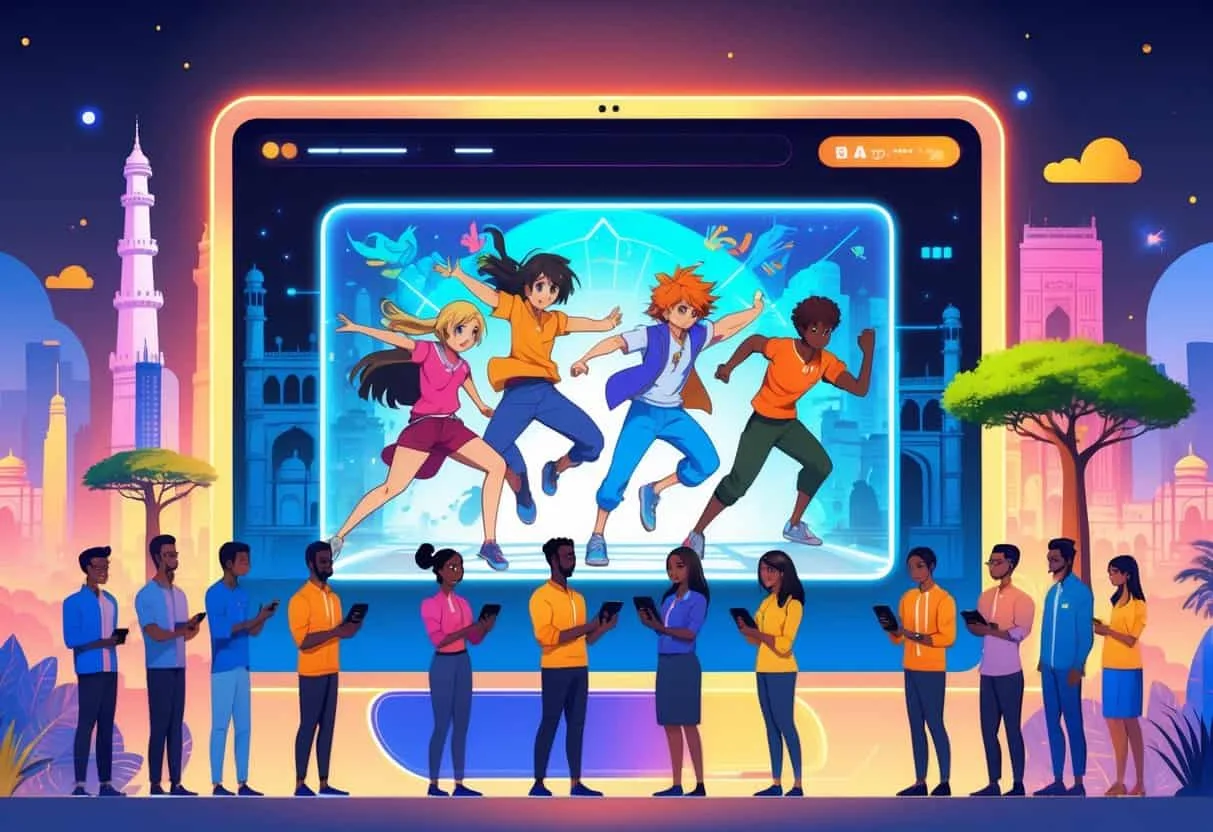
The way you watch anime in India and Africa has transformed dramatically over the last few years. Gone are the days of depending on unreliable fan subs or shady websites. A growing number of legal streaming platforms now offer dedicated anime libraries, smooth playback, and regional accessibility that simply didn’t exist a decade ago. Whether you’re in Mumbai, Nairobi, Lagos, or Johannesburg, the combination of affordable mobile data and aggressive platform expansion means anime is more accessible than ever. Still, the experience varies widely depending on where you live and which service you choose.
Understanding the landscape helps you get the best value, avoid geo-blocks, and enjoy your favourite series without constant buffering or missing content.
Overview of the Anime Streaming Market in India and Africa
Anime consumption in these two regions has evolved differently but shares a common thread: a young, tech-savvy audience hungry for high-quality storytelling. India’s market, already one of the fastest-growing entertainment sectors in the world, is projected to see anime-specific revenue climb at a compound annual growth rate of around 13% through 2028, driven largely by deeper smartphone penetration and some of the cheapest data plans on the planet. Africa, while earlier in its journey, is seeing a surge of interest that mirrors the early days of mobile money adoption – a grassroots movement fuelled by social media, local fan communities, and increased availability of subtitled content in English and French.
India: A Booming Market
India’s anime boom isn’t just about metro cities anymore. Tier‑2 and Tier‑3 towns are contributing significant viewership, thanks to the spread of 4G and the availability of platforms that support Hindi, Tamil, Telugu, and other regional language subtitles. Big events like Crunchyroll’s Anime Awards and theatrical screenings of films like Demon Slayer: Mugen Train have proven that mainstream Indian audiences are ready to embrace anime. Major services now treat India as a priority market, frequently securing local licensing deals that guarantee day‑and‑date simulcasts of new episodes. For the viewer, this means that waiting months for subtitled versions is largely a thing of the past.
Africa: Rapid Growth and Infrastructure
Africa’s anime audience is equally passionate but faces a different set of challenges. While countries like South Africa, Kenya, and Nigeria boast decent broadband, many areas still rely on mobile internet that can be inconsistent. Payment infrastructure also plays a role – not every platform supports local mobile money solutions like M‑Pesa or bank cards common in the region. Nevertheless, services are adapting. Netflix has invested in African server infrastructure to reduce latency, and Crunchyroll is steadily expanding its catalogue in more African nations.
The result is a growing, reliable streaming experience that encourages fans to move away from piracy and toward legitimate sources.
Top Streaming Platforms in India
When it comes to watching anime in India, you have several strong options, each with a different focus. Your choice should depend on whether you want the deepest catalogue, regional language support, or the convenience of a service you already pay for. Below are the four paths most Indian anime fans take.
Crunchyroll: The Anime Specialist
Crunchyroll remains the gold standard for anime purists. With a library that exceeds 1,300 shows and regular simulcasts from Japan, it covers everything from heavyweight titles like Jujutsu Kaisen and One Piece to niche slice‑of‑life series. The platform offers subtitles in multiple Indian languages for select shows, which is a significant advantage if you prefer watching in Hindi or Tamil. A free ad‑supported tier gives you a taste, but the premium plan starting at ₹79 per month removes ads and unlocks offline downloads and early access to new episodes. The interface is clean, and the app runs smoothly on everything from budget Android phones to Fire TV Stick.
For anyone who is serious about anime, this is almost a no‑brainer. You can explore the full catalogue at Crunchyroll’s official site.
Netflix: Variety and Original Anime
Netflix’s role in India’s anime scene is that of a powerful curator. While the total number of anime titles is smaller than on Crunchyroll, the selection is carefully chosen and often includes high‑profile exclusives like Cyberpunk: Edgerunners, Vinland Saga, and a growing slate of Netflix‑originals such as Baki Hanma and The Seven Deadly Sins: Grudge of Edinburgh. The platform also hosts classic Studio Ghibli films, which broadens its family appeal. Dubbing quality in Hindi and English is generally excellent, and the adaptive streaming engine ensures smooth playback even on slower connections. The biggest draw is convenience – if you already pay for Netflix for movies and series, anime becomes an added bonus.
Plans start at ₹149 per month, and with the crackdown on password sharing, services have become more personalised.
Amazon Prime Video: Added Perks
Amazon Prime Video isn’t the first name that comes to mind for anime, but its collection has grown noticeably. You’ll find popular titles like Death Note, Dr. Stone, and Mob Psycho 100 tucked among the wider catalogue. The real advantage is that a Prime membership includes not only video streaming but also music, free delivery on Amazon orders, and exclusive gaming benefits. For the ₹1,499 annual fee, it’s a solid secondary source of anime – especially if you’re already embedded in Amazon’s ecosystem. Picture quality is reliable, and multiple user profiles help keep your recommendations separate from the rest of the family.
Free and Niche Services: Muse Asia, Ani‑One, and Others
Not everyone wants to commit to a monthly subscription, and that’s where free legal options step in. YouTube channels like Muse Asia and Ani‑One upload entire series, often with high‑quality subtitles, supported by ads. The catalogue is more limited and tends to focus on newer or mid‑tier shows, but you can legitimately watch titles like Mushoku Tensei or That Time I Got Reincarnated as a Slime at no cost. Beyond YouTube, some local telecom operators occasionally bundle anime content with data packs, so it’s worth checking your operator’s premium apps. Always verify that the source is officially licensed – it protects your device and supports the creators.
Streaming Anime in Africa: Platform Availability
Africa’s streaming landscape is more fragmented, but the core players are making serious inroads. The main concern for many users is not just content availability but whether the service accepts local payment methods and performs well on mobile networks.
Netflix Africa’s Expanding Library
Netflix has become the default streaming service for many African households, and its anime segment is no exception. The platform has made a deliberate effort to improve infrastructure across the continent, deploying servers that cache popular content closer to users. This dramatically reduces buffering in cities like Accra, Cape Town, and Nairobi. The anime catalogue, while not as vast as in Japan or the U.S., includes heavy hitters like Attack on Titan, My Hero Academia, and a rotation of Ghibli films. Crucially, Netflix supports a wide range of African payment methods, from Visa and Mastercard to local mobile wallets, removing a major friction point.
The mobile‑only plan at $2.99 per month is particularly popular among smartphone‑first viewers.
Crunchyroll’s Pan‑African Reach
Crunchyroll is available across an increasing number of African countries, and where it is present, it offers the full global library. The service has made strides in licensing agreements that cover the entire region, although some geo‑blocked series still exist due to legacy deals. Simulcasts reach most major African markets within a few hours of the Japanese broadcast. Subtitles are primarily in English and sometimes French, reflecting the linguistic landscape. The free tier is functional, but paying the premium fee – typically around $7.99 per month depending on the country – unlocks downloadable episodes, which is a game‑changer in areas with intermittent internet.
Check country‑specific availability directly at Crunchyroll’s homepage.
Local and Emerging Platforms
Beyond the global titans, a handful of African‑focused video‑on‑demand services are beginning to experiment with anime. Platforms like Showmax (backed by MultiChoice) occasionally license a small batch of popular anime alongside their local soap operas and sports. While these titles are limited, they often come bundled with a broader entertainment package that includes DStv subscriptions, making them a cost‑effective add‑on. Telecom‑led initiatives are also worth monitoring; for example, Safaricom in Kenya and MTN in Nigeria have flirted with short‑term partnerships that give users free data to stream selected content. As the continent’s middle class grows and data costs drop, expect more localised services to carve out a niche.
Technical Considerations: Devices, Quality, and Security
Your anime experience is only as good as the device you use and the platform’s ability to deliver a stable, secure stream. Indian and African viewers consume anime in distinctly mobile‑first patterns, which shapes how services design their apps.
Devices That Dominate
Smartphones are the undisputed kings of streaming in both regions. Budget and mid‑range Android devices from brands like Xiaomi, Samsung, and Tecno handle most anime without breaking a sweat. iOS users have equal support, though a smaller market share. The rise of smart TVs and affordable streaming sticks such as the Amazon Fire TV Stick and Xiaomi Mi Box has introduced larger‑screen viewing to many households. Casting from a phone to a Chromecast is another common method. Importantly, apps like Crunchyroll and Netflix are optimised to consume less battery and data, and they allow video quality adjustments – from 480p to 4K – so you can tailor the experience to your connection speed.
Streaming Quality and Bandwidth
Adaptive bitrate streaming is the technology that keeps your anime flowing even when network speed fluctuates. Most platforms now offer you the ability to set a data saver mode, capping resolution at 480p or 720p. That’s useful when you’re on a mobile plan with a tight data cap. In urban areas with fibre or stable 4G, full HD and even 4K HDR streams are becoming the norm for supported titles. The key metric to watch is latency – a laggy server can ruin a fight scene.
Netflix’s investment in local content delivery networks across Africa, and Crunchyroll’s globally distributed server architecture, both aim to minimise this. According to Akamai’s state of the internet reports, average connection speeds in Sub‑Saharan Africa have tripled since 2018, making high‑quality anime streaming more practical than ever.
Security and Data Safety
Legal platforms invest heavily in encryption and secure sign‑in. When you use a service like Crunchyroll, Netflix, or Amazon Prime, your payment data is protected by the same protocols that banks use. They also shield you from malware often distributed through illegal streaming sites. Two‑factor authentication is now an option on most accounts, adding another layer of defence. As a viewer, the simple habit of not sharing passwords and logging out from shared devices keeps your account safe.
The peace of mind is worth the small monthly fee – there’s no need to worry about phishing links or hidden crypto‑mining scripts that run your phone hot.
How to Choose the Right Platform for You
Picking a platform isn’t about finding the “best” one; it’s about matching the service to your habits. Here’s a quick mental checklist:
- Content depth: If you watch anime almost every day and want the newest episodes simultaneously with Japan, Crunchyroll is unmatched.
- Language preferences: If Hindi, Tamil, or Telugu dubs are important, Netflix and Crunchyroll’s regional subtitling efforts have made significant progress recently.
- Existing subscriptions: If you already pay for Amazon Prime for shopping, give their anime section a serious look before shelling out for another service.
- Budget constraints: Free legal sources like Muse Asia on YouTube are ideal for casual viewers. In Africa, the Netflix mobile plan is hard to beat on price.
- Payment options: Check whether the platform accepts your preferred method – mobile money, local debit cards, or carrier billing – before you sign up. This is especially relevant in African markets.
Future Trends: Personalisation and Beyond
Anime streaming platforms are beginning to lean heavily on artificial intelligence to refine your recommendations. The algorithms now look beyond simple genre tags, analysing plot pacing, visual styles, and even the emotional tone of a series. This means that the more you watch, the more accurate the suggestions become – effectively becoming your personal anime curator. Some services are experimenting with interactive elements, similar to what Netflix did with Black Mirror: Bandersnatch, which could eventually find its way into anime storytelling. Watch party features are also on the rise, allowing geographically separated friends to sync playback and chat in real time, something that became popular during the pandemic and never really went away.
Sustainability is another quiet but real trend, with major providers pledging to power their data centres with renewable energy. As a viewer in India or Africa, you’ll benefit from these backend improvements through faster, more reliable streams and interfaces that feel increasingly tailor‑made for your preferences.
A Safer, Richer Anime Experience
The evolution of legal anime streaming in India and Africa represents a win for both creators and fans. The days of scouring the internet for unstable fan subs are fading fast. Today, you can watch a crisp HD simulcast on your phone during a lunch break, follow along with subtitles in your native language, and discover gems through intelligent recommendations – all while knowing that your data is safe and your viewership directly supports the studios you love. The infrastructure is still maturing, and not every region has equal access yet, but the trajectory is unmistakable. Explore what each platform offers, take advantage of free trials, and build your own custom anime lineup that fits your life and your wallet.