Table of Contents
Anime fans love a passionate debate, and few matchups spark as much discussion as Naruto Uzumaki from Naruto versus Ichigo Kurosaki from Bleach. These two iconic shonen protagonists rose to prominence during the same golden era of anime, each showcasing unique powers, transformative character development, and unforgettable story arcs that captivated millions worldwide.
But when it comes to a hypothetical one-on-one showdown—or a deeper analysis of their respective legacies—who really comes out on top? The answer isn't as straightforward as many fans assume.
This comprehensive guide breaks down the Naruto vs Ichigo debate across multiple dimensions: combat abilities, character growth, narrative impact, and cultural influence. Whether you're team Hidden Leaf or team Soul Society, you'll find detailed analysis that respects both characters' incredible journeys while exploring what makes each protagonist uniquely powerful.
Why the Naruto vs Ichigo Debate Matters
The comparison between Naruto and Ichigo transcends simple power scaling. These characters represent different philosophies about heroism, growth, and what it means to protect others. Analyzing their similarities and differences reveals broader themes about shonen storytelling and why certain character archetypes resonate so powerfully with audiences.
Both protagonists started as underdogs with mysterious origins and hidden potential. Both faced discrimination and loneliness in their early years. Both formed bonds that transformed them from isolated individuals into leaders willing to sacrifice everything for their friends and communities.
Yet their paths diverged significantly. Naruto's journey emphasizes visible growth through training montages, explicit power-ups, and community building. Ichigo's journey focuses on internal identity struggles, sudden power awakenings, and the weight of involuntary responsibility.
Understanding these differences helps explain why fans passionately defend their favorite, often prioritizing different values: strategic thinking versus raw power, explicit character development versus mysterious cool factor, ninja tactics versus spiritual swordplay.
Naruto Uzumaki: The Ninja Who Became Hokage
Naruto started his journey as the village outcast—a loud, brash kid who failed the academy exam multiple times and was secretly reviled by adults who saw him as the vessel containing the Nine-Tailed Fox that once devastated their village. Through sheer determination, refusal to give up, and his unique ability to connect with others, Naruto transformed from dead-last to the most powerful shinobi of his generation.
Naruto's Core Abilities and Power System
Chakra forms the foundation of Naruto's abilities. This life energy combines physical stamina with spiritual energy, allowing shinobi to perform superhuman feats. Naruto's initial advantage came from his enormous chakra reserves—a combination of Uzumaki clan heritage and the Nine-Tails sealed within him.
Shadow Clone Jutsu became Naruto's signature technique, allowing him to create thousands of physical copies. Unlike illusions, these clones can fight independently, gather information, and even accelerate training by sharing experiences when dispelled. This technique showcases Naruto's tactical creativity—using overwhelming numbers to exhaust enemies, gather intelligence, or practice techniques at accelerated rates.
Rasengan and its variations represent Naruto's progressive mastery. The base Rasengan concentrates rotating chakra into a sphere of destructive energy. The Rasenshuriken adds wind nature transformation, creating microscopic chakra blades that damage enemies at the cellular level. Later variations include elemental combinations with Kurama's chakra, planetary-scale Rasengans, and instantaneous formations.
Sage Mode granted Naruto access to natural energy, dramatically amplifying his physical abilities, sensory perception, and jutsu power. This transformation required perfect stillness and balance—ironic for someone as hyperactive as Naruto—forcing him to develop patience and awareness.
Kurama Chakra Mode evolved Naruto's relationship with the Nine-Tails from hostile imprisonment to genuine partnership. This golden-flamed transformation provides immense speed, strength, durability, and chakra reserves. The visual design brilliantly symbolizes Naruto's growth—where once the fox's power threatened to consume him, now he wears it as armor representing mutual respect.
Six Paths Sage Mode represents Naruto's peak transformation, granted by Hagoromo Ōtsutsuki himself. This godlike power includes truth-seeking orbs capable of nullifying ninjutsu, flight, tremendous healing abilities, and sensory powers that detect malicious intent across vast distances.
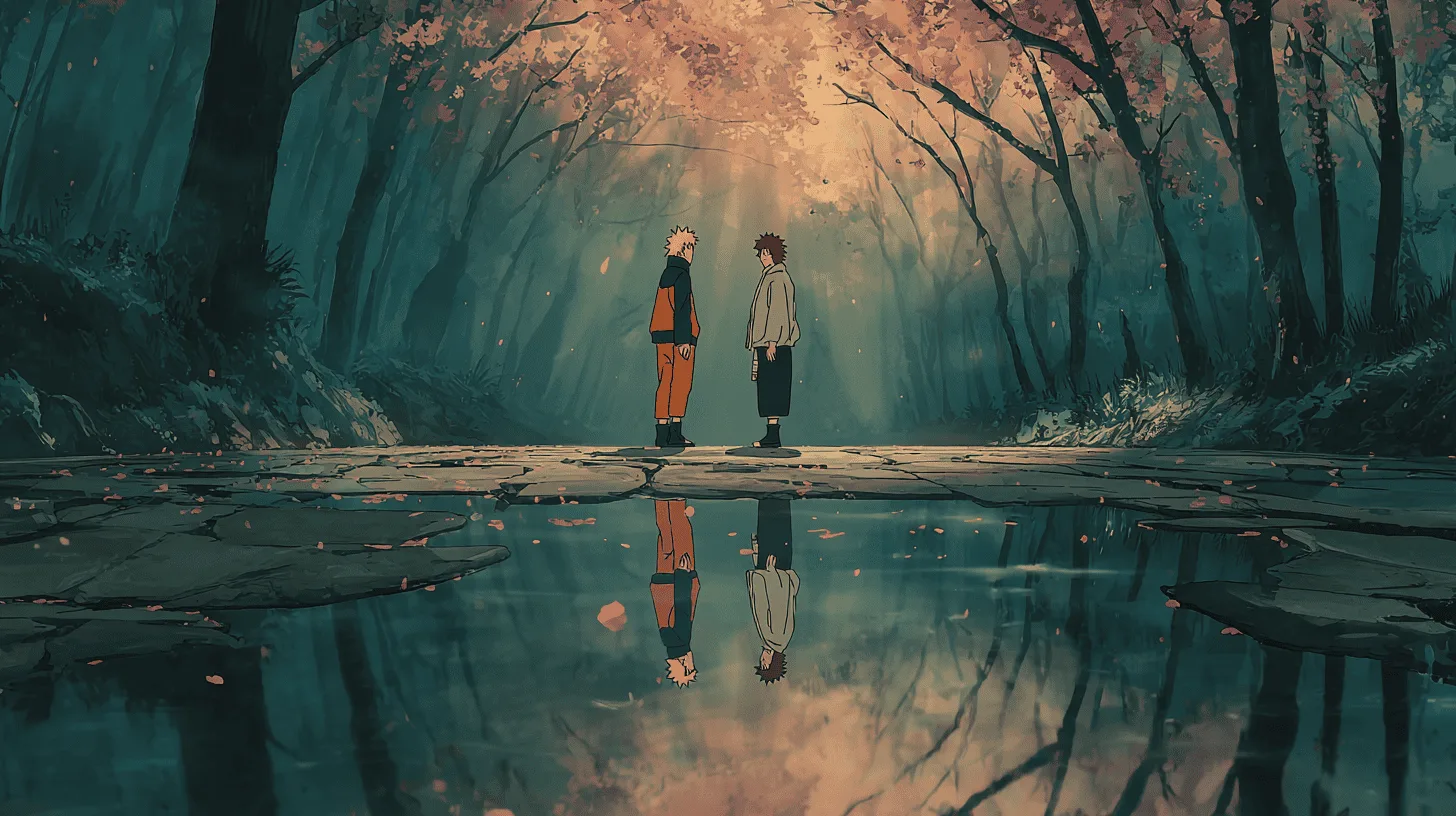
Naruto's Combat Style and Strategic Thinking
Naruto's fighting approach combines overwhelming force with clever misdirection. His thousands of clones create chaos on the battlefield, forcing enemies to waste energy destroying copies while the real Naruto prepares decisive attacks.
His tactical adaptability improves dramatically throughout the series. Early Naruto relied on instinct and stubbornness. By the war arc, he coordinates massive battlefield strategies, identifies enemy weaknesses, and adjusts tactics mid-combat based on new information.
Naruto excels at turning enemies into allies through combat—a unique strength that goes beyond physical power. His ability to understand opponents' pain and motivations often proves more decisive than his jutsu arsenal. Pain, Obito, and even Sasuke ultimately succumbed not to Naruto's strength but to his unwavering belief in redemption.
His endurance borders on supernatural even by anime standards. Naruto routinely fights multiple high-tier opponents consecutively without significant rest. During the Fourth Shinobi World War, he battled for days straight while sharing his chakra with thousands of allied shinobi.
Naruto's Weaknesses and Limitations
Despite his overwhelming power, Naruto has notable vulnerabilities. His recklessness sometimes endangers himself and others. His reluctance to give up on people occasionally becomes a tactical liability when enemies exploit his compassion.
His dependency on Kurama means that defeating or separating the Nine-Tails severely weakens him—a vulnerability smart opponents like Momoshiki attempted to exploit. Without Kurama, Naruto loses access to his most powerful transformations.
Naruto's limited versatility compared to versatile shinobi like Kakashi or Sasuke means he typically approaches problems with overwhelming force rather than specialized techniques. While effective, this straightforward approach can be predictable against sufficiently intelligent opponents.
Ichigo Kurosaki: The Hybrid Soul Reaper
Ichigo began as an ordinary high school student who could see ghosts—an ability he viewed as both gift and burden. After receiving Rukia's Soul Reaper powers, Ichigo was thrust into a world of spiritual warfare he never asked to join. His journey became defined by constant identity crises as his true nature—a fusion of Soul Reaper, Hollow, Quincy, and human—gradually revealed itself.
Ichigo's Hybrid Power System
Reiatsu (spiritual pressure) forms the foundation of Ichigo's abilities. Unlike chakra's balance between physical and spiritual, reiatsu represents pure spiritual energy that can be so intense it physically affects the environment and crushes weaker beings.
Zangetsu serves as both Ichigo's sword and spiritual manifestation. The weapon's true nature remained mysterious for much of the series—what Ichigo believed was his Soul Reaper power was actually his Hollow and Quincy powers suppressing his true Zanpakuto spirit.
Getsuga Tenshō became Ichigo's signature attack—a concentrated wave of spiritual energy launched from his blade. This versatile technique can be used defensively, offensively, at range, or in close combat. Its power scales with Ichigo's emotional state and spiritual pressure.
Bankai: Tensa Zangetsu compresses Ichigo's massive spiritual power into a sleek, speed-focused form. Unlike traditional Bankai that display overwhelming size and spectacle, Tensa Zangetsu emphasizes precision and velocity, perfectly matching Ichigo's aggressive combat style.
Hollowfication represents Ichigo's internal struggle made manifest. The Hollow mask grants explosive increases to strength, speed, durability, and spiritual pressure—but risks overwhelming Ichigo's consciousness. This power visualizes his constant battle between control and raw instinct.
True Shikai and True Bankai finally revealed Ichigo's actual Soul Reaper powers after millennia of suppression. The dual-blade design represents the fusion of his Quincy (Zangetsu) and Soul Reaper (true Zangetsu) powers working in harmony rather than conflict.
Quincy Powers inherited from his mother include Blut Vene (defensive blood enhancement), Blut Arterie (offensive enhancement), and potential access to other Quincy techniques. These abilities provide passive defense and attack boosts that stack with his other powers.
Ichigo's Combat Style and Instinctive Fighting
Ichigo's fighting style emphasizes overwhelming speed and aggression. He closes distance instantly, delivers devastating strikes, and overwhelms opponents before they can mount effective defenses. This straightforward approach lacks Naruto's tactical complexity but proves terrifyingly effective.
His instinctive combat sense allows him to adapt mid-battle without conscious strategy. Ichigo reads opponents through experience rather than analysis, responding to threats with split-second timing that suggests his various powers guide him on unconscious levels.
Explosive power growth defines Ichigo's progression. Where Naruto's development follows relatively linear training arcs, Ichigo experiences sudden exponential jumps when pushed to his limits. Near-death experiences, protecting loved ones, or confronting inner demons trigger transformations that multiply his power dramatically.
Ichigo's spiritual pressure itself becomes a weapon. At his peak, merely releasing his full power can immobilize weaker opponents, shatter dimensions, and force even powerful enemies to take him seriously. This passive intimidation factor gives him psychological advantages before fights even begin.
Ichigo's Weaknesses and Limitations
Ichigo's greatest weakness is his reactive rather than proactive nature. He rarely seeks power for its own sake, only fighting when others are threatened. This means he often enters conflicts underprepared, relying on mid-battle growth spurts that don't always materialize in time.
His identity confusion plagued him throughout the series. Not fully understanding his own powers meant Ichigo couldn't access his complete potential until very late in the story. Enemies like Yhwach exploited this confusion by manipulating what Ichigo believed about himself.
Limited versatility in technique variety means Ichigo typically solves problems through direct confrontation. Unlike Naruto's thousands of shadow clones or Sasuke's diverse jutsu library, Ichigo mostly relies on hitting harder and moving faster—effective but occasionally insufficient against esoteric abilities.
His emotional volatility makes Ichigo predictable to opponents who understand human psychology. Threatening his friends or family guarantees aggressive responses that smart enemies can exploit through traps or misdirection.
Naruto vs Ichigo: Direct Power Comparison
Comparing these characters requires examining multiple categories since their power systems operate on different fundamental principles.
Raw Destructive Power
Naruto at his peak can create planet-scarring attacks. His Tailed Beast Rasenshuriken combinations, Super Tailed Beast Rasenshuriken, and collaboration techniques with Sasuke display continental-scale devastation potential. The Six Paths Chibaku Tensei that sealed Kaguya could potentially destroy the moon.
Ichigo's destructive output focuses more on precision than area coverage. However, his spiritual pressure at full release affects dimensional boundaries, and techniques like Mugetsu (Final Getsuga Tenshō) erased Aizen's transcendent form along with mountains in the background. His battle with Yhwach threatened Soul Society's dimensional stability.
Edge: Naruto for area devastation, Ichigo for concentrated power and dimensional impact.
Speed and Mobility
Naruto in Kurama Chakra Mode and Six Paths Sage Mode demonstrates faster-than-eye tracking, dodging light-speed attacks from Madara, and crossing battlefields instantaneously. His combat speed reached levels where only elite shinobi could perceive his movements.
Ichigo with Bankai uses flash step (Shunpo) to move so quickly he appears to teleport. His speed against Byakuya, Grimmjow, and later Yhwach showed him creating afterimages, moving faster than opponents could track, and attacking from impossible angles.
Edge: Roughly equal at their peaks, with different applications—Naruto's speed works across massive battlefields while Ichigo's facilitates close-quarters dominance.
Durability and Endurance
Naruto's healing factor, enhanced by Kurama and Six Paths chakra, lets him recover from injuries that would kill normal shinobi. He can survive being impaled, poisoned, or having chakra extracted. His stamina allows days of continuous combat while supporting thousands of allies.
Ichigo's durability stems from overwhelming spiritual pressure and Blut Vene defense. He's survived being cut in half, having holes punched through vital organs, and dimensional attacks. His healing factor activates during extreme stress, particularly when his Hollow powers surface.
Edge: Naruto for sustained endurance and healing consistency; Ichigo for surviving catastrophic single injuries.
Versatility and Adaptability
Naruto possesses incredible tactical versatility through shadow clones, sensor abilities that detect malice, multiple elemental techniques, sealing jutsu, and the ability to combine powers with allies. His strategic creativity allows approaches beyond straightforward combat.
Ichigo's versatility comes from his hybrid nature—switching between Soul Reaper precision, Hollow aggression, Quincy defense, and combinations thereof. However, his actual technique variety remains limited compared to Naruto's arsenal.
Edge: Naruto for tactical options and battlefield control; Ichigo for adapting his fundamental power expression.
Special Abilities and Hax
Naruto can sense negative emotions, create truth-seeking orbs that nullify ninjutsu, use sealing techniques passed down from Uzumaki clan, and share his chakra to empower thousands simultaneously. His talk-no-jutsu ability to convert enemies mid-battle might be his most broken power.
Ichigo resists spiritual manipulation due to his chaotic hybrid nature, can damage opponents at the spiritual level (affecting even regenerators), and possesses latent Quincy abilities that might include resistance to powers that manipulate the future—though this remains partially unexplored.
Edge: Naruto for variety; Ichigo for spiritual-level damage that bypasses conventional durability.
Character Development: Naruto's Journey From Outcast to Hokage
Naruto's character arc represents one of anime's most thorough explorations of turning pain into purpose. His childhood isolation could have fostered bitterness, but instead cultivated his determination to be acknowledged and his deep empathy for others' suffering.
Early Development: Learning Connection
Young Naruto's loud persona masked deep loneliness. His pranks represented desperate attempts to be noticed—negative attention seeming preferable to invisibility. Meeting Iruka began his healing, showing that someone could see past the Nine-Tails to recognize Naruto as an individual.
His bond with Sasuke established Naruto's pattern of refusing to abandon people he considered precious. This relationship drove much of his development, forcing Naruto to confront whether friendship means respecting others' choices or imposing your own beliefs about their wellbeing.
Middle Development: Understanding Strength's Purpose
Training with Jiraiya taught Naruto that power without purpose breeds destruction. Watching Jiraiya's genuine care for his students while struggling with past failures showed Naruto that even the strongest people carry regrets and doubts.
Confronting Pain forced Naruto to examine revenge versus justice. Nagato's similar background—isolation, suffering, and desire for recognition—created a mirror that challenged Naruto's simple moral framework. Choosing forgiveness over vengeance represented enormous growth from the boy who once embraced hatred.
Late Development: Becoming the Leader
The Fourth Shinobi World War transformed Naruto from powerful individual to inspirational leader. His willingness to share his chakra literally and emotionally connected him to thousands of shinobi, embodying his dream of ending the cycle of hatred.
Befriending Kurama represented Naruto's ultimate validation. The beast that symbolized his ostracism became his most trusted partner, proving Naruto's belief that understanding can bridge any divide—even between human and demon.
Becoming Hokage fulfilled his stated goal but required accepting leadership's burdens: making difficult decisions, prioritizing the village over personal desires, and shouldering responsibility for others' wellbeing. Adult Naruto in Boruto shows both the rewards and costs of achieving his dream.
Key Character Traits
Persistence defines Naruto absolutely. He never abandons goals, people, or beliefs regardless of obstacles. This trait enables his growth but occasionally becomes stubbornness that complicates situations.
Empathy lets Naruto understand enemies' motivations without excusing their actions. He sees the human behind the villain, making his forgiveness earned rather than naïve.
Growth mindset means Naruto constantly seeks improvement. His training with shadow clones, learning Sage Mode despite initial failure, and eventually mastering Six Paths powers all demonstrate his refusal to accept limitations.
Loneliness transformed into connection represents his core arc—using the pain of isolation to fuel his determination to ensure others never feel abandoned.
Character Development: Ichigo's Journey of Identity and Duty
Ichigo's character arc explores accepting identity despite never asking for it. His journey questions whether we choose our responsibilities or whether fate chooses them for us—and whether that distinction matters if people need saving.
Early Development: Reluctant Hero
Ichigo initially fought because circumstances forced his hand. Rukia's near-death transferred powers he didn't request, thrusting him into Soul Society's conflicts. This reluctance made him relatable—he wasn't born special or driven by grand ambitions, just a teenager wanting to protect his family.
His protective instinct for his sisters stemmed from his mother's death—an event that instilled both guilt and determination. This trauma made Ichigo someone who couldn't ignore others' suffering, even when self-preservation argued otherwise.
Middle Development: Identity Crisis
The Hollow within Ichigo represented his repressed rage, fear, and instinct for survival. Rather than being purely evil, this Hollow—later revealed as his Quincy power's manifestation—showed that Ichigo's true nature was more complex than simple heroism.
Discovering his Soul Reaper powers were actually Hollow and Quincy abilities suppressing his real Zanpakuto created existential questions: If his understanding of himself was fundamentally wrong, who was he really? This identity crisis prevented him from accessing his true potential for most of the series.
His relationship with Zangetsu (actually his Quincy powers) showed how misunderstanding yourself can still lead to growth. Even false beliefs can contain truth if they motivate positive action. The "Old Man Zangetsu" genuinely cared for Ichigo despite deceiving him about their true relationship.
Late Development: Embracing Complexity
Accepting his hybrid nature meant Ichigo stopped trying to compartmentalize different aspects of himself. He wasn't Soul Reaper OR Hollow OR Quincy—he was all of them simultaneously, and that complexity made him unique rather than broken.
His final battle with Yhwach forced Ichigo to fight for the right to have an uncertain future. Yhwach's power to see and alter all possible futures represented determinism—the idea that free will is illusion. Ichigo's victory symbolically defended the value of choosing your path even without guarantees.
Post-series Ichigo appears in Bleach: Can't Fear Your Own World and epilogue chapters as someone who's made peace with his dual existence. He protects both the human world and occasionally assists Soul Society, having found balance between his various responsibilities.
Key Character Traits
Protective instinct drives all Ichigo's major decisions. He enters conflicts to shield others from harm, rarely seeking power for personal ambition.
Emotional honesty means Ichigo doesn't hide behind false personas. His straightforward nature makes him trustworthy but sometimes tactless.
Reluctant responsibility shows someone who accepts duties not from desire but from recognition that his unique position leaves him no ethical choice but to act.
Identity struggle defines his arc—moving from confusion about who he is to acceptance of his inherent complexity.
Narrative Role and Story Structure
Naruto's Role in His Story
Naruto functions as the ideological center of his series. The story examines whether cycles of hatred can be broken through understanding and whether the next generation can surpass their predecessors' failures.
His presence transforms nearly every major antagonist. Pain, Obito, even Madara to some extent—they all face the possibility of redemption through Naruto's influence. This pattern reinforces Naruto's thematic purpose: proving that empathy and persistence can change even the most hardened hearts.
The series structure follows clear progression arcs—Academy, Chunin Exams, Sasuke Retrieval, Timeskip, Akatsuki Encounters, War Arc. Each phase shows explicit power growth and character development, making Naruto's journey satisfyingly linear despite complexity.
Ichigo's Role in His Story
Ichigo serves as the audience surrogate thrust into supernatural conflicts. Where Naruto was born into his world's power system, Ichigo discovers hidden worlds most humans never perceive. This positioning makes Bleach somewhat more accessible—we learn alongside Ichigo.
His journey follows a reactive structure where external forces create conflicts he must resolve. Soul Society arrests Rukia, so Ichigo invades. Aizen threatens reality, so Ichigo trains. Yhwach attacks Soul Society, so Ichigo intervenes. This reactive pattern reinforces Ichigo's character but means less proactive goal-setting.
The series explores identity and belonging through Ichigo's hybrid nature. He exists between worlds—human and Soul Reaper, living and dead, order and chaos. This liminal position creates isolation but also unique perspective that ultimately proves essential to resolving threats conventional Soul Reapers cannot handle.
Cultural Impact: How Naruto Shaped Anime
Naruto's influence on global anime culture cannot be overstated. As part of the "Big Three" alongside One Piece and Bleach, Naruto introduced millions of Western viewers to anime during the 2000s boom.
Mainstream Penetration
Naruto's broadcast on Cartoon Network's Toonami brought anime into American households that might never have otherwise engaged with the medium. The iconic orange jumpsuit became instantly recognizable even to non-fans.
The series popularized ninja aesthetics in Western media, influencing video games, movies, and other anime. Hand seals, headbands, and chakra became part of pop culture vocabulary.
"Believe it!" and running with arms back entered the cultural lexicon as Naruto references immediately understood across demographics.
Inspiring the Next Generation
Modern shonen series openly acknowledge Naruto's influence. My Hero Academia, Black Clover, Demon Slayer, and countless others utilize story structures, power systems, and character archetypes that Naruto popularized or refined.
The franchise spawned extensive multimedia expansion: multiple movies, video games, stage plays, novels, and the sequel series Boruto: Naruto Next Generations, ensuring Naruto's universe continues expanding decades after the original manga concluded.
Community and Fandom
Naruto's fandom created extensive community infrastructure: wiki databases, power-scaling debates, fanfiction communities, cosplay cultures, and analysis content. The series gave fans shared language and references that built online communities.
The emotional investment in Naruto and Sasuke's relationship generated endless discussions about friendship, redemption, and whether certain bonds should be maintained or released. These debates showcased how effectively the series made fans care about character relationships beyond battles.
Cultural Impact: How Bleach Influenced Anime Aesthetics
Bleach's influence manifests more subtly than Naruto's but proves equally significant in specific domains. The series excelled at creating iconic visual design and atmospheric storytelling that influenced anime aesthetics broadly.
Visual Innovation
Bleach's character designs set trends that persist today. Tite Kubo's fashion-forward approach, dramatic poses, and distinctive art style made every character instantly memorable. The emphasis on style and cool factor over practical design influenced how later series approached character creation.
Swordplay and spiritual combat gained prominence partly due to Bleach's success. The Zanpakuto system—personalized weapons with unique abilities—inspired similar systems in later series like Black Clover, Fire Force, and Demon Slayer.
The Hueco Mundo arc's gothic aesthetic, with its endless white desert and night-eternal sky, created unforgettable imagery that demonstrated anime could achieve artistic sophistication beyond typical battle shonen conventions.
Musical Legacy
Bleach's soundtracks, particularly opening themes by artists like Orange Range, UVERworld, and Aqua Timez, became anthems of the anime community. Songs like "Asterisk" and "Number One" remain beloved decades later.
The series proved that music could enhance narrative atmosphere powerfully. Ichigo's theme variations, Hueco Mundo's haunting background tracks, and battle crescendos showed how audio design elevates emotional impact.
The Thousand-Year Blood War Revival
The anime adaptation of Bleach's final arc in 2022 reignited interest after nearly a decade, proving the franchise's enduring appeal. The revival demonstrated that well-executed adaptations can resurrect seemingly concluded series, potentially influencing production decisions for other properties.
This comeback allowed new audiences to discover Bleach while satisfying longtime fans who never received proper anime closure. The high production values and faithful adaptation showcased how modern technology could realize Kubo's vision more completely than early 2000s budgets allowed.
Leadership and Influence: Naruto's Diplomatic Legacy
Naruto's ultimate achievement wasn't simply becoming powerful—it was transforming the entire shinobi world's political landscape. His philosophy of mutual understanding and cooperation ended centuries of cyclical warfare between hidden villages.
Building Peace Through Understanding
Naruto's approach to conflict resolution emphasized addressing root causes rather than symptoms. He recognized that revenge perpetuates cycles, that power differences breed resentment, and that lasting peace requires mutual respect.
His befriending of Gaara—another jinchūriki who suffered isolation—created a diplomatic alliance based on genuine understanding rather than political convenience. This relationship proved instrumental during the Fourth Shinobi World War when Gaara's leadership rallied the Allied Shinobi Forces.
Hokage Responsibilities
As Seventh Hokage, Naruto navigated unprecedented challenges: integrating former enemy villages into cooperative frameworks, managing technological advancement that threatened traditional shinobi culture, and preparing the next generation for a world fundamentally different from his own.
Boruto shows the costs of this leadership—Naruto's dedication to the village sometimes means sacrificing time with his family, creating tension with his son who craves his father's attention. This complexity adds nuance to the "achieving your dream" narrative.
Changing the Ninja World
Naruto's influence established Shinobi Union meetings where kages discuss issues diplomatically before resorting to military action. This institutional change represents concrete progress toward his goal of ending the cycle of hatred.
His willingness to forgive and seek redemption for former enemies—Sasuke, Orochimaru (conditionally), even Obito in his final moments—set precedent that power should serve understanding rather than domination.
Combat Philosophy: Different Approaches to Battle
Naruto's Strategic Combat Mindset
Naruto approaches battles as puzzles to solve rather than simply contests of strength. His tactical thinking evolved from creating chaos with shadow clones to coordinating complex multi-person strategies that exploit enemy weaknesses.
His collaborative combat style leverages allies' strengths. Against powerful opponents like Madara, Pain, and Kaguya, Naruto worked with Sasuke, Kakashi, Sakura, and others, recognizing that teamwork multiplies effectiveness beyond individual power levels.
Understanding through combat became Naruto's unique ability—fighting someone revealed their pain, motivations, and humanity. This empathic connection often proved more decisive than his strongest jutsu.
Ichigo's Instinctive Fighting Style
Ichigo treats battles as tests of conviction rather than tactical exercises. He overwhelms opponents through sheer determination, spiritual pressure, and willingness to push beyond apparent limits.
His individual combat focus means Ichigo rarely coordinates with allies mid-battle. He takes responsibility for defeating major threats personally, seeing this as his burden rather than something to share.
Protecting through strength drives Ichigo's growth—he becomes stronger specifically to prevent the helplessness he felt watching his mother die. This trauma-based motivation creates explosive power increases when loved ones are threatened.
Power Scaling: Comparing Peak Forms
Naruto's Six Paths Sage Mode
At his absolute peak, Naruto wields power comparable to the Sage of Six Paths himself. This form grants:
- Truthseeking orbs that nullify ninjutsu
- Flight capabilities
- Sensory abilities detecting malicious intent across continents
- Enhanced healing and durability
- Access to all five nature transformations plus Yin-Yang Release
- Combination techniques with other Six Paths power users
His combat effectiveness in this form defeated Kaguya Ōtsutsuki (with Sasuke and Team 7's help), sealed multiple reincarnated Hokage-level threats, and fundamentally shifted the power ceiling in his universe.
Ichigo's True Bankai
Ichigo's final form, briefly shown against Yhwach, supposedly surpasses even Aizen at his peak. This transformation includes:
- Fusion of Soul Reaper, Hollow, and Quincy powers working harmoniously
- Dual-blade configuration representing balanced internal powers
- Spiritual pressure sufficient to concern Yhwach (who could see all possible futures)
- Speed and strength exceeding all previous forms
- Potential abilities never fully explored due to Yhwach immediately breaking the form
The frustrating aspect of Ichigo's peak power is we never saw its full capabilities—Yhwach destroyed it immediately, leaving fans to speculate about what True Bankai could accomplish given time to demonstrate its potential.
Hypothetical Battle Analysis: Who Would Win?
Analyzing this hypothetical fight requires establishing parameters since the characters operate in fundamentally different power systems with different rules.
Scenario One: In-Character First Encounter
If Naruto and Ichigo met without prior knowledge, both would likely start cautiously. Naruto would attempt communication first—his instinct is always talking before fighting. Ichigo would respond to threats against friends but wouldn't attack unprovoked.
Initial exchanges would favor Ichigo's speed advantage—his flash step and Bankai speed would close distance before Naruto could deploy shadow clones effectively. However, Naruto's sensory abilities would detect Ichigo's approach.
Mid-battle, Naruto's tactical versatility would begin countering Ichigo's straightforward aggression. Shadow clones would force Ichigo to waste energy destroying copies, while Naruto analyzed his spiritual pressure and fighting patterns.
If the fight escalated to peak transformations, Naruto's Six Paths Sage Mode would provide defensive options (truth-seeking orbs) against Getsuga Tenshō, while Ichigo's spiritual pressure might actually affect Naruto's chakra flow if spiritual energy can interact with life energy.
Likely outcome: Stalemate leading to mutual respect and conversation—very shonen protagonist behavior.
Scenario Two: Bloodlusted With Full Knowledge
If both entered maximally aggressive with complete information about each other's abilities, the fight becomes more clearcut.
Naruto would immediately deploy thousands of shadow clones, enter Six Paths Sage Mode, and coordinate multi-directional attacks while using sensory abilities to predict Ichigo's movements. His truth-seeking orbs would provide both offense and defense.
Ichigo would activate Hollowfication and Bankai simultaneously, using overwhelming speed to eliminate shadow clones while targeting the real Naruto through spiritual pressure detection. His Quincy defenses would activate automatically via Blut Vene.
The decisive factors would be:
- Can Ichigo's spiritual attacks affect chakra-based defenses?
- Can Naruto's truth-seeking orbs nullify spiritual pressure?
- Does Naruto's healing factor outpace Ichigo's damage output?
- Can Ichigo's speed overcome Naruto's sensory prediction?
Most likely outcome: Naruto's superior endurance and tactical options give him the edge in extended combat. Ichigo might dominate initial exchanges through speed and aggression, but Naruto's stamina, healing, and battlefield control would eventually secure victory.
Scenario Three: Idealized Peak Power
If both accessed their absolute maximum power with no limitations:
Naruto would combine Six Paths Sage Mode with full Kurama partnership, potentially accessing techniques we never saw him need to use in canon.
Ichigo would utilize True Bankai at full potential—something we never witnessed—alongside perfected integration of all his hybrid abilities.
This scenario is essentially impossible to call since Ichigo's peak remains largely hypothetical while Naruto's was thoroughly demonstrated.
Themes and Messages: What Each Character Represents
Naruto's Thematic Core
Naruto's story emphasizes perseverance despite adversity. The series argues that circumstances don't determine destiny—choices do. Naruto could have become villainous given his treatment, but he chose to prove his worth through protecting others.
Breaking cycles represents another central theme. The show examines how hatred perpetuates itself across generations and whether individuals can choose forgiveness over revenge. Naruto's success comes from refusing to continue patterns that previous generations accepted as inevitable.
The power of connection argues that relationships multiply strength beyond individual capability. Naruto's greatest victories come through bonds with others—Kurama, Sasuke, his mentors, and even former enemies.
Ichigo's Thematic Core
Ichigo's journey explores identity despite contradictions. He embodies multiple natures that theoretically shouldn't coexist—order and chaos, life and death, human and supernatural. Rather than tearing him apart, these contradictions make him uniquely positioned to bridge different worlds.
Accepting responsibility you didn't choose becomes crucial to Ichigo's growth. He never asked for Soul Reaper powers, never wanted to fight wars between spiritual factions, but recognized that his unique position created moral obligations.
Protecting others defines your identity more than bloodlines represents Bleach's answer to questions about nature versus choice. Ichigo's hybrid heritage matters less than his decision to use that power protectively.
FAQ: Common Questions About Naruto vs Ichigo
Who is stronger, Naruto or Ichigo?
At their respective peaks, Naruto likely edges out Ichigo due to demonstrated feats, superior endurance, and tactical versatility. However, Ichigo's hybrid powers and dimensional-level spiritual pressure make it closer than many fans assume.
Can Ichigo's spiritual attacks hurt Naruto?
This depends on whether spiritual energy interacts with chakra. If yes, Ichigo's soul-level damage could bypass conventional durability. If they're incompatible energy systems, Ichigo's attacks might prove less effective than in his own universe.
Who is faster, Naruto or Ichigo?
Both achieve comparable speeds at their peak. Ichigo's flash step and Bankai provide instant movement over short distances. Naruto's enhanced speed covers massive battlefields. Different applications make direct comparison difficult.
Has Naruto ever fought someone like Ichigo?
Not really. Naruto's opponents primarily use chakra-based ninjutsu, while Ichigo's powers derive from spiritual energy. The closest parallel might be Sasuke, who shares Ichigo's preference for sword-based combat and lightning-fast attacks.
Could they defeat each other's main villains?
Naruto vs Yhwach: Naruto's truth-seeking orbs might counter The Almighty's future manipulation if they nullify spiritual powers. However, Yhwach's ability to see and alter all futures makes him extremely difficult for anyone to defeat.
Ichigo vs Kaguya: Ichigo's straightforward combat style might struggle against Kaguya's dimension-hopping and instant-kill techniques. Without sealing jutsu knowledge, he'd need to rely on overwhelming force—which might not suffice.
Which character has better development?
This is subjective. Naruto's development is more explicit and linear—we see every step of his growth. Ichigo's development is more internal and subtle—his character changes manifest through acceptance rather than visible training.
Who would make a better friend?
Naruto would be an incredibly loyal friend who never gives up on you, but might not respect boundaries when he thinks he knows what's best for you.
Ichigo would be a protective friend who respects your choices, but might not offer much advice unless you're in immediate danger.
Why do these characters generate such passionate debates?
Both represent the peak of 2000s shonen protagonists who defined anime for millions of fans. Comparing them means comparing formative viewing experiences, favorite power systems, and preferred narrative approaches—making it personal beyond simple character analysis.
Additional Resources and Further Reading
For those wanting to dive deeper into these iconic characters:
Explore comprehensive character analyses and power system explanations at Anime News Network, which provides detailed databases for both series.
Check out Crunchyroll's articles on shonen evolution to understand how Naruto and Bleach influenced modern anime.
Final Verdict: Appreciating Both Legends
The Naruto vs Ichigo debate ultimately reveals more about what we value in storytelling than about which character is "objectively" superior. Both protagonists achieved legendary status by resonating with different aspects of the human experience.
Naruto represents the triumph of persistent optimism, the belief that understanding can overcome hatred, and the power of community to transform individuals. His journey from outcast to leader inspires anyone who's felt overlooked or underestimated.
Ichigo embodies reluctant heroism, the struggle to accept complex identity, and the conviction to protect others regardless of personal cost. His journey resonates with anyone who's felt caught between different worlds or obligations.
In terms of raw combat capability, Naruto's demonstrated feats, superior endurance, tactical versatility, and variety of abilities give him the edge in most battle scenarios. His Six Paths Sage Mode represents more thoroughly explored peak power than Ichigo's briefly-shown True Bankai.
In terms of narrative impact and character appeal, both characters achieved equal success through different means. Naruto built a legacy of peace and understanding that reshaped his world's political landscape. Ichigo protected both living and spiritual realms while accepting his unique position between them.
Winner by demonstrated power: Naruto
Winner by unexplored potential: Ichigo
Winner by cultural impact: Naruto (slightly, due to broader mainstream penetration)
Winner by aesthetic design: Ichigo (fashion-forward character design and visual storytelling)
Rather than declaring one definitively superior, perhaps the healthiest conclusion recognizes that both characters succeeded magnificently at what their respective stories needed them to accomplish. They represent different ideals, different power fantasies, and different approaches to heroism—all valid, all inspiring, all worthy of celebration.
The next time you revisit either series, appreciate how each protagonist's unique journey contributed to anime's golden age. Whether you're team Hidden Leaf or team Soul Society, we're all fortunate these characters existed to inspire millions and spark passionate discussions that persist decades after their stories concluded.
