Table of Contents
The Duel of Two Unforgettable Anime: Why Both Hold a Special Place
Anime is a medium that thrives on contrast—action against introspection, horror next to humor, and the supernatural woven into the mundane. Few comparisons embody this better than the face-off between Mob Psycho 100 and Zom 100: Bucket List of the Dead. On the surface, these series could not be more different: one centers on an introverted psychic teenager striving for self-improvement, the other on an overworked office drone finally living life after a zombie outbreak. Yet both have captured the imagination of global audiences, each carving out a unique niche in the anime landscape. If you are standing at the crossroads, unsure which title to queue next, this deep dive will give you everything you need to make an informed—and exciting—choice.
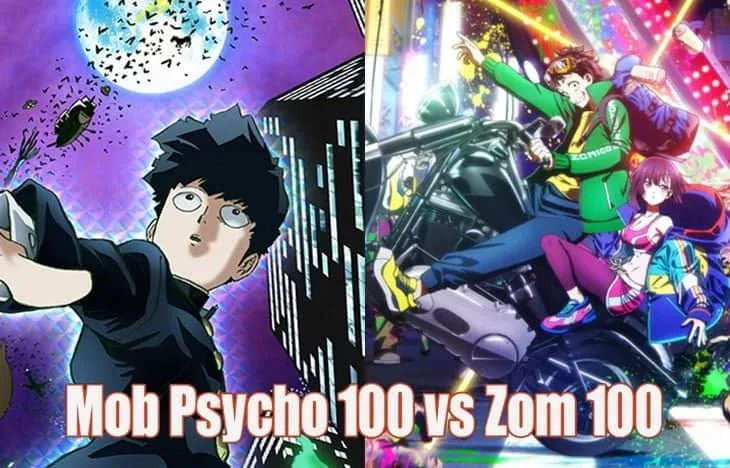
While search trends may show Zom 100 pulling ahead in raw global interest around its debut, the confusion remains: which of these two standout series deserves your weekend binge? The answer is not as simple as trend charts suggest. It lies in your mood, your appetite for emotional storytelling, and what you truly want from an anime experience. Let's unravel the layers.
Unpacking the Narratives: Plot and Premise
Mob Psycho 100: Growing Up with Overwhelming Power
Created by ONE, the mastermind behind the viral sensation One Punch Man, Mob Psycho 100 introduces us to Shigeo Kageyama—affectionately nicknamed Mob. He is an unassuming middle school boy who happens to be the most powerful esper the world has ever seen. But unlike many protagonists with earth-shattering abilities, Mob’s deepest desire isn’t fame or conquest; he just wants to impress his crush, get better at reading social cues, and maybe join the Body Improvement Club to become physically stronger. The show’s genius lies in using his explosive psychic powers as a metaphor for adolescent emotion, reminding us that true strength isn’t about domination but understanding oneself and others.
Arlongitudinal nemeses like the con-artist Reigen Arataka, who runs a fraudulent psychic business yet provides Mob with surprisingly genuine life advice, act as the anchors that keep the narrative grounded. The plot moves through escalating psychic threats, from rogue espers to the menacing organization Claw, but its heart remains firmly fixed on Mob's personal journey—his internal struggle to accept every emotion as valid, even the ones that terrify him. The series delicately balances laugh-out-loud comedy, supernatural spectacle, and moments of profound empathy, making it a genre-bending masterpiece.
Zom 100: Bucket List of the Dead – Reclaiming Life in an Apocalypse
On the opposite end of the spectrum sits Zom 100: Bucket List of the Dead, penned by Haro Aso and illustrated by Kotaro Takata. The protagonist, Akira Tendo, has spent three years in a soul-crushing corporate job where overtime and abuse crushed his spirit. When a zombie apocalypse suddenly empties the city and frees him from his desk, his first reaction isn’t terror—it’s euphoria. He crafts a bucket list of 100 things he wants to do before becoming a zombie himself, and the story becomes a vibrant, often hilarious road trip through a collapsing world.
This isn’t your standard survival horror. Instead of grim endurance, Zom 100 treats the apocalypse as a catalyst for rediscovering joy. Its episodic adventures—from grabbing a beer with an old friend to learning to fly a hang glider—are infused with satirical jabs at work culture and modern society. The underlying message is unmistakable: do not postpone your life. In a twisted way, the zombies become the background noise to a tale about self-liberation, making the series as life-affirming as it is goofy.
The core appeal of both lies in transformation. Mob transforms through self-acceptance; Akira transforms by breaking free from societal chains. Where Mob Psycho 100 often meditates on the weight of emotional outbursts, Zom 100 celebrates the release of repressed desires. The question for you is: do you want to cry a little while feeling inspired, or do you want to laugh out loud while feeling alive?
Character Development: From Arcs to Antics
The Depth of Mob and His Companions
Mob Psycho 100 is a clinic in character writing. Mob isn't a static wallflower; his growth is measurable across three seasons, from a boy who suppresses his emotions to someone who learns to channel them healthily. His relationship with Dimple, a self-serving spirit who gradually becomes a genuine ally, shows how the series even humanizes its villains. Reigen, the charismatic fraud with a heart of gold, stands as one of anime's most celebrated adult figures because he mentors Mob not through power, but through everyday wisdom. The series makes you care deeply about a cast that includes an ex-Claw esper searching for redemption, a telekinetic girl seeking family, and a muscle-obsessed club that radiates pure positivity.
Every supporting character serves a purpose in Mob's internal conflict. The emotional climaxes—especially the confrontation in Season 2’s “Mogami Arc”—are a direct result of the extensive groundwork laid by these relationships. It’s rare for an action-comedy to make you reflect on self-worth, but Mob Psycho 100 manages it repeatedly.
Akira Tendo and the Colorful Cast of Zom 100
Zom 100 opts for a more straightforward character design built around comedic archetypes. Akira himself is instantly lovable: a wide-eyed idealist who laughs in the face of doom. His transformation from corporate drone to bucket-list adventurer is cathartic, and his struggle against the lingering trauma of workplace exploitation adds a layer of realism beneath the neon-colored gore. Kencho, his best friend and former college buddy, serves as the perfect foil—cautious yet loyal, and constantly dragged into Akira’s chaotic plans.
While the character arcs are simpler than those in Mob Psycho 100, they fit the tone impeccably. The series doesn’t attempt to deliver sprawling internal monologues; instead, it lets its characters' actions—like stopping a zombie shark just to cross off “see the ocean” from the bucket list—speak volumes about living without regrets. The trade-off is clear: less psychological depth, but a massive injection of relatable, feel-good energy.
Visual Artistry and Animation Styles
Studio Bones and the Abstract Brilliance of Mob Psycho 100
Animation studio Bones delivered a visual language for Mob Psycho 100 that is nothing short of revolutionary. The series breaks free from conventional anime design with its fluid, watercolor-like textures, distorted facial expressions, and mind-bending psychic battles rendered in a psychedelic palette. The action sequences—particularly when Mob hits 100% emotional intensity—are spectacles of surrealist art, where geometry twists and colors bleed across the screen. Hand-drawn techniques blend seamlessly with digital effects, but the soul of the animation is deeply analog; the raw linework and intentionally “messy” frames convey emotion far beyond what polished realism could ever achieve.
The studio also creates striking contrast: mundane school corridors are rendered in plain strokes, while psychic explosions erupt into jaw-dropping oil-painting explosions. This visual dichotomy mirrors the story’s core tension between normalcy and overwhelming power. Every frame feels intentional and full of life.
Bug Films and the Vibrant Chaos of Zom 100
Zom 100’s visual identity is helmed by Bug Films, a newer studio that has poured exuberant creativity into the zombie apocalypse. The color palette is aggressively bright: acrylic reds for blood, neon pinks for gore, and sun-drenched yellows for the open world. During notable sequences—like the rooftop declaration scene where Akira shouts his bucket list to the empty city—the animators use a desaturated world that literally blooms into color as his spirit awakens, a visual metaphor for breaking free from depression. The character designs are exaggerated yet charming, and the action sequences lean heavily into slapstick fun, with zombies often serving as the punchline rather than the threat.
Comparing the two, Mob Psycho 100 aims for avant-garde beauty that can leave you awestruck, while Zom 100 prioritizes kinetic, comic-book-style thrills. Both are visual triumphs in their own right, but they target entirely different aesthetic nerves.
Themes and Emotional Core
At the emotional center of Mob Psycho 100 lies a powerful thesis: your feelings, even the ugly ones, are valid. The series dismantles toxic positivity by showing that true maturity means acknowledging jealousy, grief, and anger without letting them define you. Its depiction of mental health, friendship, and self-improvement has resonated across age groups, earning it praise as a therapeutic watch.
Zom 100, on the other hand, shouts a single exhilarating message: you don’t have to wait for the end of the world to start living. It is a satire of workaholic culture and a homage to the dreams we shelve. The undead become a literal reminder of what it means to be alive—if you’re not chasing what makes you happy, you’re already one of them. Its emotional resonance comes from catharsis rather than introspection, making it a perfect pick when you need motivation wrapped in laughter.
Fan Reception and Critical Acclaim
The audience response to both series paints a vivid picture. Mob Psycho 100 boasts a stellar 8.49/10 on MyAnimeList and an 8.6/10 on IMDb, with its second season often hailed as one of the greatest anime sequels ever made. It has swept animation awards and continues to be recommended as a modern gateway anime due to its universal themes and artistic bravery.
Zom 100 arrived with a strong 7.8/10 on MyAnimeList and an 7.4/10 on IMDb, reflecting a more polarized but still enthusiastic reception. Fans praise its originality, visual humor, and feel-good satire, while some detractors felt the narrative pacing wobbled in later episodes. Yet its cultural impact—particularly the viral rooftop scene—solidified its place as a memorable summer anime that hits differently for anyone who’s ever dreamed of quitting a terrible job in spectacular fashion.
Soundtracks and Audio Direction
A subtle but significant factor in picking your next watch is the audio experience. Mob Psycho 100 uses its soundtrack like an emotional compass. Composer Kenji Kawai blends electronic beats, orchestral swells, and unsettling synth during psychic battles, then strips everything back to a gentle piano when Mob confronts his inner turmoil. The opening themes, especially “99” and “99.9” by MOB CHOIR, are explosive anthems that perfectly encapsulate the show’s energetic soul.
Zom 100 leans into playful chaos. Its jazzy, big-band inspired score transforms zombie chases into carnival rides. The sound design emphasizes comic timing—the squelch of a zombie being used as a surfboard, the deadpan delivery of a bucket list item checked off—all of which make the series feel like a party you never want to leave.
The Final Recommendation: Which Should You Watch?
If you want a series that will stay with you for years, that will make you reflect on your own growth and friendship, and that delivers some of the most artistic animation ever put to screen, then Mob Psycho 100 is the unmistakable choice. It is deep, emotionally intelligent, and endlessly rewarding on repeat viewings.
If, however, you crave a vibrant palette cleanser—something hilarious, edgy in its satire, and brimming with life-affirming chaos—then Zom 100: Bucket List of the Dead will not disappoint. It’s a short, adrenaline-fueled ride that speaks directly to anyone who has ever felt trapped by routine.
The honest truth? Both are worth your time. The deciding factor is your current mood. But if you can only commit to one at this moment, and you want the show with the greater overall impact and craftsmanship, the nod goes to Mob Psycho 100. Its narrative layers, character depth, and artistic innovation set a standard that few anime achieve.
Whichever you choose, you’re in for a memorable journey. Share your own pick in the comments and let fellow anime fans know which bucket list item—or emotional breakthrough—you connected with most.
Frequently Asked Questions
Is Zom 100 a spin-off or related to Mob Psycho 100?
No, the two series have no connection whatsoever beyond the superficial “100” in their titles. Zom 100 is a comedy-horror about a man embracing life during a zombie outbreak, while Mob Psycho 100 follows a young psychic’s emotional and moral development. They were created by entirely different authors and studios.
Which anime is better for someone new to anime?
Both are excellent entry points, but for different reasons. Mob Psycho 100 showcases the emotional depth and artistic freedom anime can offer, while Zom 100 demonstrates how anime can turn a dark premise into pure fun. If you prefer character-driven stories with awe-inspiring action, start with Mob Psycho 100. If you want a short, energetic comedy that mocks workplace culture, begin with Zom 100.
Are the English dubs as good as the original Japanese audio?
For Mob Psycho 100, the English dub has been widely praised for capturing the nuances of Mob’s quiet voice and Reigen’s charismatic bluster. The Zom 100 dub features energetic performances that match the show’s comedic timing well. Both are solid options, though experiencing the original Japanese voice acting—especially Mob’s explosive emotional shifts—is often recommended for maximum impact.
How many episodes do I need to commit to?
Mob Psycho 100 spans three complete seasons (37 episodes total) plus a few OVAs, offering a full, satisfying narrative arc. Zom 100 currently consists of one season of 12 episodes. If you have limited time, Zom 100 is the quicker binge, but Mob Psycho 100 is a richer long-term investment.
What other anime could I enjoy after watching these?
If you loved Mob Psycho 100, consider March Comes in Like a Lion for more emotional depth, or One Punch Man from the same creator for a satirical superhero spin. If Zom 100 captured your heart, try High School of the Dead for another fresh zombie survival take, or Grand Blue Dreaming for a similarly hilarious outlook on seizing life.