Table of Contents
The gaming landscape has quietly undergone a transformation, one that trades explosive set-pieces for the gentle rhythm of daily life. A generation of indie developers has looked not to blockbuster action films or epic fantasy novels for inspiration, but to the quiet storytelling of slice-of-life anime. This genre, beloved for its focus on character relationships, emotional subtlety, and the beauty of ordinary moments, has become a powerful blueprint for interactive experiences that feel deeply personal and profoundly relatable. These games don’t ask you to save the world; they invite you to live in one.
The shift represents a maturing of the medium. Not every player seeks adrenaline; many crave connection, reflection, and a space to breathe. Slice-of-life anime, with its unhurried pacing and affection for the mundane, offers a perfect emotional template. Indie developers, unburdened by the demands of AAA spectacle, have translated those aesthetic and narrative principles into games that feel like inhabiting a quiet episode of your favorite show. The result is a growing library of titles where simple gameplay mechanics serve emotional truth, and every small interaction deepens your bond with a virtual community.
Key Takeaways
- Slice-of-life anime inspires indie games to prioritize character depth and quiet storytelling over action or complex mechanics.
- Games in this vein use slow pacing, everyday settings, and emotional resonance to create immersive, personal experiences.
- Titles like Stardew Valley, Coffee Talk, and A Short Hike demonstrate how anime aesthetics and narrative philosophies shape game design.
- The trend is expanding opportunities for developers who want to explore thoughtful, low-pressure gameplay and universal themes.
The Gentle Pulse of Slice-of-Life Anime
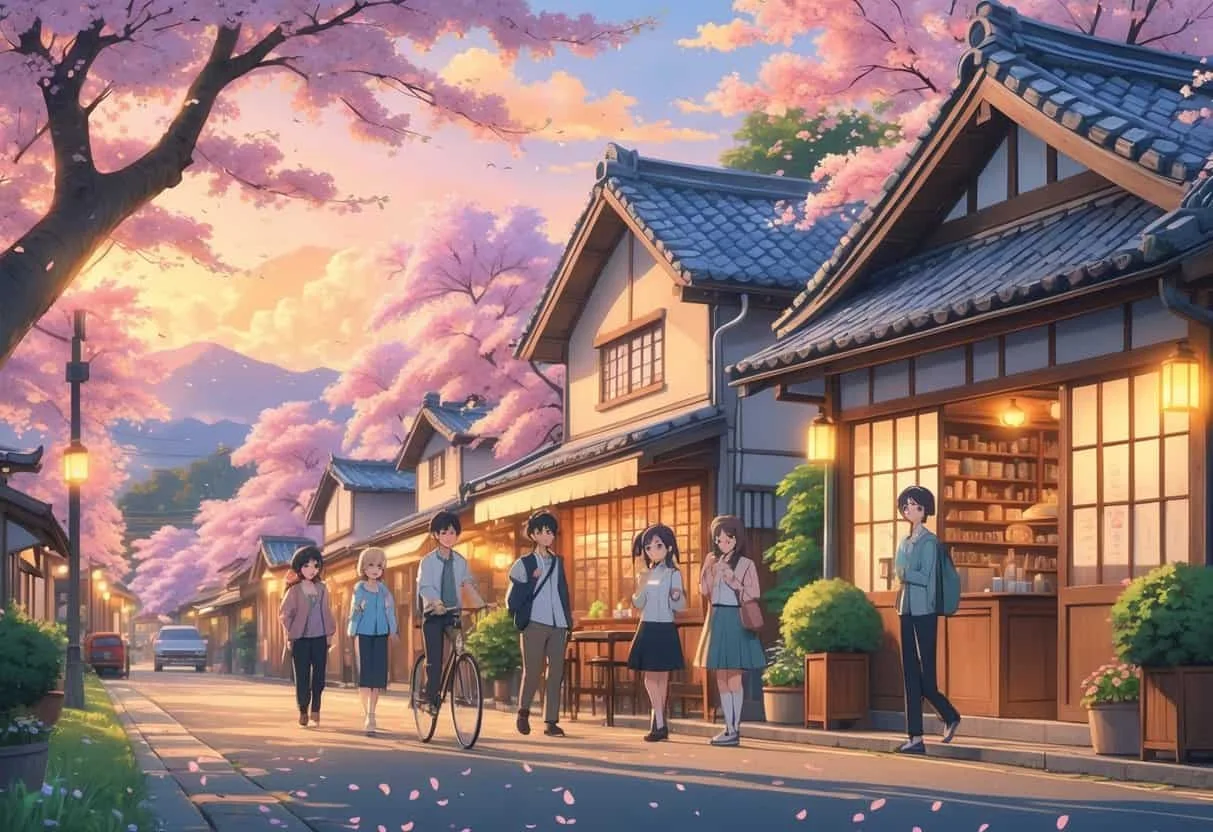
Before tracing its influence on games, it’s worth defining what makes slice-of-life anime so distinct. At its core, the genre rejects grand conflict in favor of observation. Shows like Natsume’s Book of Friends, Barakamon, or K-On! don’t hinge on world-ending stakes; they derive their power from small, character-driven moments—a shared meal, a walk home under cherry blossoms, an awkward conversation that slowly builds intimacy. Conflict arises from internal growth, misunderstandings among friends, or the subtle ache of nostalgia. The emotional palette is wide but refined, spanning gentle humor, bittersweet farewells, and the quiet satisfaction of a day lived well.
This narrative philosophy teaches us that life’s meaning often hides in its smallest corners. The visual language reinforces this: soft pastel color palettes, meticulously drawn domestic backgrounds, and expressive character animation that captures the weight of a sigh or the sparkle of a sudden smile. Sound design, too, leans into ambient noise—wind chimes, distant trains, the scratch of a pen—to anchor the viewer in a tangible, soothing world. For indie game creators, these elements are not just aesthetic choices; they are a storytelling toolkit that can transform a simple virtual space into an emotional sanctuary.
How Indie Developers Translate Anime Tranquility into Interactive Experiences
Bringing the soul of slice-of-life anime into an interactive format requires careful design choices. Developers must balance player agency with the meditative pacing that defines the genre. The most successful adaptations treat gameplay not as a series of challenges, but as a canvas for daily rituals and personal discovery.
Storytelling Through Everyday Moments
In a slice-of-life game, plot often emerges from routine. You might help a neighbor carry groceries, practice piano in an empty music room, or listen to a friend’s worries over a cup of tea. These small events, strung together, build a rich tapestry of relationships and personal history without ever resorting to dramatic cutscenes or urgent quest text. The storytelling is environmental and social, much like a Studio Ghibli film where the setting itself tells a story. A dusty bookstore, a rain-soaked park bench, a character’s hesitant body language—all contribute to a narrative that the player uncovers at their own speed.
This approach trusts players to find significance in the mundane. It echoes the anime tradition of “mono no aware,” the bittersweet awareness of impermanence, where a fleeting moment holds immense weight. In game form, a simple unlock like a new dialogue option after a character has opened up feels like a major milestone—not because it grants a power-up, but because it deepens a bond. The result is an emotional progression system that rewards patience and empathy, aligning perfectly with the way we form real-world relationships.
The Power of Pacing and Player Agency
Pacing in slice-of-life games is deliberately slow. There is no timer ticking down, no fail state lurking. You set your own rhythm. In A Short Hike, you can linger by a river, fish for hours, or just glide across the island’s peaks for the joy of it. The Steam description never mentions urgency; it invites exploration.
This mirrors how anime often lingers on a character’s face during a sunset, letting the emotion breathe. Player agency here isn’t about combat mastery; it’s about choosing how to spend your time and which connections to cultivate.
This design challenges conventional game design wisdom, which often equates engagement with constant stimulation. Yet the quiet moments are precisely what make these games engrossing. By removing the pressure of optimization, developers create a safe space for reflection. You might sit on a bench in Stardew Valley just to watch the leaves fall, and that act of idleness feels meaningful. The game trusts you to find your own path, much like a slice-of-life anime trusts its audience to appreciate stillness over spectacle.
Visual and Auditory Aesthetics: Painting Worlds with Calm
The sensory language of a game heavily shapes its emotional impact. Indie titles that draw from slice-of-life anime often adopt distinct art and sound styles that reinforce the desired mood of warmth and tranquility.
Art Styles Echoing Anime Serenity
You can spot the influence immediately in the soft, hand-drawn look of characters and environments. Coffee Talk, for example, uses a pixel-art style that captures the neon glow of a late-night café while retaining the expressive, large-eyed character designs typical of anime. Backgrounds are layered with delicate details: steam rising from a mug, a flickering streetlamp outside a rain-streaked window. The color palettes favor muted pastels and warm earth tones, avoiding the high-contrast saturation of action games. This creates a visual cocoon that feels instantly welcoming.
Many developers cite specific anime as direct references. The pastoral charm of Non Non Biyori can be felt in the rolling hills of farming sims, while the cozy, cluttered interiors in Laid-Back Camp inspire the inventory and crafting menus of survival-lite adventures. The art direction often prioritizes character expressiveness over geometric realism. A raised eyebrow, a blush, a shy glance—these tiny animations carry the narrative load that bigger games might assign to voice acting or cinematics. This economical, emotive style is a hallmark of both indie games and the anime that inspire them, proving that budget constraints can foster artistic intimacy.
Soundtracks that Breathe with the Story
Audio in these games functions as an emotional guide. Light, acoustic guitar strums, gentle piano melodies, and ambient nature sounds replace booming orchestral scores. The soundtrack for Stardew Valley, composed by ConcernedApe, uses seasonal variations to mirror the in-game calendar, reinforcing the feeling of passing time and the comfort of routine. In Coffee Talk, a lo-fi hip-hop beat plays softly in the background, blurring the line between the game’s audio and the music you might genuinely play while studying or relaxing. This diegetic-adjacent approach strengthens immersion, making the game environment feel like an extension of your own cozy space.
Dynamic audio also underscores quiet storytelling. A character’s hesitant voice line might be accompanied by a single, resonant note. Footsteps on gravel or the creak of a door become musical elements. This careful soundscaping, inspired by anime’s use of silence and ambient foley, deepens the player’s emotional connection. It’s an approach that treats audio not as background filler but as a fundamental component of the narrative experience, one that the player carries with them long after they shut down the game.
Emotional Resonance and the Art of Quiet Reflection
At its heart, the slice-of-life genre is a vehicle for empathy. Games that adopt this philosophy invite you to sit with a character’s loneliness, celebrate a friendship’s tentative growth, or mourn a season that has passed. They don't prescribe a single emotional response; they create conditions under which genuine feelings can surface naturally. This is a radical act in a medium often driven by scoreboards and achievement badges.
Spiritfarer, though incorporating some management elements, leans heavily into the quiet, character-driven goodbye that defines many slice-of-life arcs. You play as a ferrymaster for the deceased, but the game focuses on building a final, meaningful relationship with each spirit—cooking their favorite meal, giving a hug, listening to their last story. The pacing is meditative, the emotional weight cumulative. There’s no combat; the only boss is the impending farewell. This echoes the anime Anohana: The Flower We Saw That Day, which uses ghostly encounters to explore grief and forgiveness without horror.
Both works understand that emotional resolution doesn’t come from defeating an enemy but from accepting loss and embracing connection.
Even lighter titles contain these reflective undercurrents. A Short Hike ends with a quiet moment of personal insight. The climactic vista isn’t a trophy room but a place to breathe. These games treat your time as precious not because it’s limited by a countdown, but because the characters you meet and the small acts of kindness you perform accumulate into a resonant whole. The takeaway isn’t a high score but a feeling—sometimes a lump in your throat, sometimes a gentle smile.
That’s the legacy of slice-of-life anime, translated into interactive form.
Notable Indie Games that Wear Their Anime Inspirations Proudly
Several standout titles have not only borrowed surface-level anime aesthetics but have internalized the genre’s core values. These games offer clear examples of how slice-of-life sensibilities can shape a project from the ground up.
Stardew Valley remains the gold standard. What begins as a farming simulator quickly reveals itself as a community-building narrative. Each villager has a life, a schedule, and deeply personal struggles that unfold through repeated, casual interaction. The game’s refusal to rush you—you can ignore the farm and just fish or gift amethysts to someone you like—embodies the slice-of-life spirit. Its pixel art, while not directly anime-styled, carries a nostalgic, gentle charm that players often associate with the warmth of shows like Silver Spoon, where rural life becomes a source of healing.
Coffee Talk takes the concept of a “listening game” and sets it in an alternate Seattle where fantastical creatures gather over warm drinks. The gameplay is minimal: you brew beverages and listen. Yet the branching dialogues, influenced by the drinks you serve, feel ripped from a late-night anime episode where strangers become confidants. Its lo-fi aesthetic and inclusive cast reflect the community-driven storytelling found in series like Rokuhōdō Yotsuiro Biyori, where a café serves as a nexus for human (and non-human) connection.
A Short Hike distills the slice-of-life essence further. As a bird named Claire, you hike to the top of a mountain not to defeat a villain but to get cell reception for a personal call. Along the way, you meet fellow hikers, race a feisty squirrel, and discover hidden waterfalls. The experience mirrors a compact, contemplative anime film—perhaps Whisper of the Heart—where a personal journey becomes a gentle adventure. The lack of fail states and the open-ended exploration create a sandbox of calm, proving that a game can be profound without being punishing.
Other titles like Wandersong and Night in the Woods incorporate slice-of-life beats within broader narratives, using daily routines and relationship-building to anchor their metaphysical themes. The common thread is a respect for the ordinary, a belief that the drama of a broken friendship can be as compelling as any cosmic threat. These games succeed because they treat you not as a hero, but as a neighbor, a friend, a listener—roles that slice-of-life anime has celebrated for decades.
The Shifting Landscape of the Games Industry
The popularity of these indie gems signals a broader change in player expectations and developer ambitions. The idea that a game must be “fun” in the traditional sense—fast-paced, competitive, mechanically dense—is being challenged. Calm, emotionally rich, and mechanically gentle titles are carving out a significant niche, and the industry is taking notice.
Trends and Opportunities for Developers
The accessibility of slice-of-life-inspired games opens doors for smaller teams. Heavy scripting, rich but low-poly art, and atmospheric sound design can be achieved without enormous budgets. The emphasis on writing and character design rewards indie strengths. Developers who can craft authentic, relatable characters and build worlds that feel lived-in find a receptive audience, particularly on storefronts like Steam and itch.io, where community curation celebrates niche experiences.
This trend also aligns with growing conversations around mental health and gentle play. Games that offer a comforting space and low-stakes interaction provide therapeutic value without being explicitly marketed as wellness apps. A game that lets you water flowers and talk to a lonely ghost can be a balm for a tired mind, much like slipping into a favorite anime after a long day. Developers who embrace this intentional design can reach audiences that have felt excluded from traditional gaming culture, expanding the market while staying true to artistic values.
Future Directions for Slice-of-Life Inspired Games
Looking ahead, the fusion of slice-of-life aesthetics with other genres will likely deepen. We already see elements in survival games that prioritize coziness over combat, or in visual novels that simulate daily timetables. The concept of “iyashikei,” or healing anime, could directly translate into game mechanics that monitor a character’s emotional state or introduce gentle gameplay loops focused on mindfulness. Imagine a game where you play as a cat in a small Japanese town, your only goals being to nap in sunbeams and deliver small items to townsfolk—a premise that would feel right at home in an anime yet remains mostly unexplored in interactive form.
Technology like hi-res 2D animation and responsive AI-driven dialogue could make these worlds even more immersive. A game that learns your conversation style and adjusts character responses could recreate the unpredictable, evolving friendships seen in long-running slice-of-life series. As more developers from animation backgrounds enter game development, the cross-pollination will only intensify. The result will be a richer ecosystem where a game can be a warm blanket, a quiet memory, or a gentle nudge to appreciate the sun coming through your window. The industry is learning that sometimes the greatest adventure is just learning to be still, and that lesson comes straight from the heart of slice-of-life anime.