Table of Contents
Anime opening and ending sequences do more than bookend an episode. They are carefully calibrated emotional anchors, brand identifiers, and marketing tools. The right song can become inseparable from the show it represents, elevating an already compelling narrative or even rescuing a mediocre one. Yet the path from a demo track to a fully animated credit sequence is rarely straightforward. It involves production committees, record labels, directors, composers, and artists all aligning their goals.
Understanding how these songs are chosen reveals a complex interplay of creative vision and commercial strategy.
In most cases, the music is not simply licensed after the anime is finished. Instead, the theme songs are developed alongside the production, often with the artist receiving detailed character sheets, plot outlines, and even color scripts before writing a single lyric. This symbiosis is what makes a great opening or ending feel like an organic extension of the story rather than a promotional afterthought.
The Dual Purpose of Opening and Ending Themes
Openings and endings work in tandem to shape your emotional response. While they share the goal of enhancing the viewing experience, they operate on different psychological wavelengths. Recognizing this division helps explain why selection criteria can differ so dramatically between the two.
Opening Themes as Narrative Trailers
The opening theme serves as a condensed preview of what’s to come. In just 90 seconds, it must establish the show’s visual language, introduce key characters, tease upcoming conflicts, and – most importantly – hook the audience. The tempo is almost always brisk; even slice-of-life anime often opt for upbeat pop tracks that communicate warmth and energy. The animation team frequently times character reveals and action beats to the song’s structure, creating a rhythmic synergy that makes the opening rewatchable. A well-crafted sequence can even become a ritual for fans, a signal that it’s time to settle in for the episode.
Ending Themes as Emotional Codas
Where openings generate anticipation, endings provide resolution. These themes are generally slower, more melodic, and sometimes melancholic. After a cliffhanger or an emotionally draining scene, the ending song acts as a soft landing, allowing viewers to process what they’ve just witnessed. The visuals accompanying endings are often more abstract or character-focused, favoring mood over plot exposition. For example, many endings use minimal animation – a character walking alone, falling cherry blossoms, a spinning umbrella – to evoke a specific feeling.
This stylistic contrast reinforces the sense that the episode is closing and that the journey has paused.
Who Decides? The Anatomy of the Selection Process
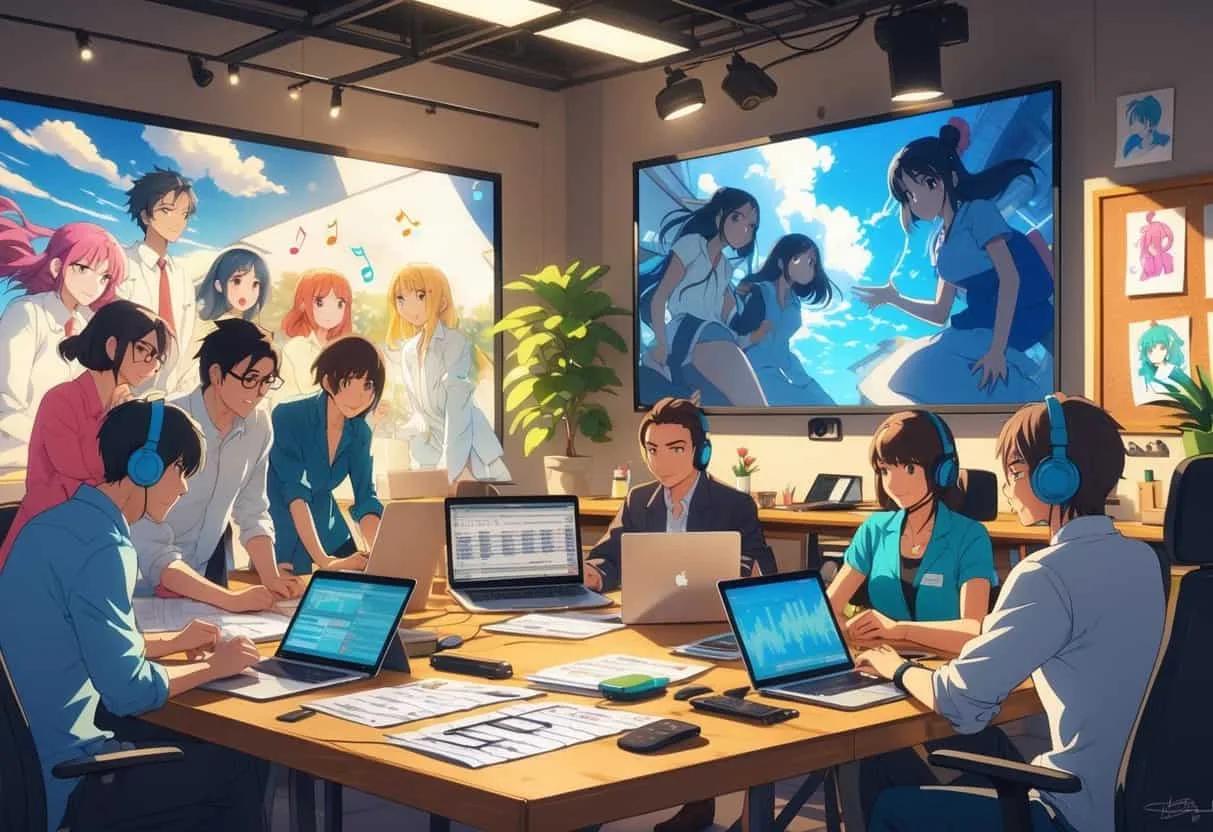
Choosing a theme song is never a unilateral decision. It’s the product of negotiations and creative alignment among several stakeholders, each with their own priorities. A producer might push for a chart-topping artist to guarantee visibility, while a director insists on a lesser-known band because their sound perfectly mirrors the show’s atmosphere. The final choice often represents a compromise that serves both art and commerce.
The Production Committee’s Strategic Oversight
An anime is typically funded by a production committee – a consortium that includes the animation studio, manga publisher, TV network, and sometimes a video distributor or toy manufacturer. This committee holds the ultimate authority over major decisions, including music. Their primary concern is maximizing the property’s return on investment, which means the theme song must appeal to the target demographic and stand a strong chance of generating music sales and streaming revenue. A high-profile artist like LiSA or Radwimps can bring a built-in fanbase, essentially marketing the anime through the artist’s existing platform. Because of this, the committee often initiates contact with record labels early in pre-production to secure a commitment.
Record Labels as Creative Partners and Investors
Music labels are more than suppliers; they frequently co-finance the anime and share in its success. A label like Sony Music or Lantis will present a shortlist of artists from their roster whose brand aligns with the project. They then oversee the contractual side, from recording schedules to royalty structures, and coordinate publicity campaigns that tie the single’s release to the anime’s broadcast. Labels also invest in the production of high-quality music videos for the opening and ending themes, which are then used as promotional material on platforms like YouTube. This dual role as investor and curator gives labels significant sway in the final selection.
The Director and Composer: Guardians of Artistic Integrity
While the committee and label focus on marketability, the series director and composer are tasked with ensuring the music serves the story. The director will articulate the emotional arc they want the opening to convey – perhaps a sense of looming dread, childlike wonder, or defiant hope. The composer, who is usually responsible for the background score, may also be involved in evaluating how well a candidate song complements the existing orchestral palette. In some cases, the composer creates the instrumental backbone that the vocal artist then layers lyrics and melody over. This collaborative dynamic is especially common in anime like Made in Abyss, where composer Kevin Penkin’s ethereal soundscapes drove the selection of a vocalist who could blend seamlessly with the world.
Criteria That Filter the Candidate Pool
When a label submits demo tracks, the creative team evaluates them against a short list of questions:
- Tonal congruence: Does the energy, instrumentation, and lyrical tone reflect the anime’s genre and themes?
- Demographic resonance: Will this song appeal to the core audience? A shonen battle series might demand aggressive rock or electronic rock, while a shojo romance would lean toward acoustic pop or gentle ballads.
- Lyrical adaptability: Can the lyrics be tweaked to include references to the show without sounding forced? Many artists rewrite sections after being shown the storyboards.
- Timing and structure: Is the song around 1 minute 30 seconds in its TV-size edit, with clear peaks for visual highlights?
- Promotional potential: Can the artist’s existing fame or the song’s catchiness drive social media engagement and single sales?
Tailoring a Song to Fit the Anime’s Worldview
Rarely does a song emerge fully formed from a demo. Once a track is selected, it undergoes a process of customization that aligns it more tightly with the narrative. This integration is what separates a generic pop track from a piece that feels born of the show’s universe.
Lyrical and Musical Refinements
Artists often receive a “world bible” – a document containing character backstories, thematic keywords, and even color palettes. A lyricist might then incorporate specific motifs, such as a recurring phrase from the dialogue or a metaphor that references the story’s central conflict. For example, the lyrics of Unravel by TK from Ling tosite sigure, the opening for Tokyo Ghoul, directly channel the protagonist’s fractured identity with lines like “I’m breakable, unbreakable.” The vocal delivery, starting as a fragile whisper and erupting into a piercing scream, mirrors the character’s transformation. On the instrumental side, arrangements can be altered to include instruments associated with the setting – a shamisen for a historical drama, synthesizers for cyberpunk, or a full orchestra for epic fantasy.
Visualizing the Soundtrack: How Animation Meets the Beat
The animation for the opening is typically produced after the song has been finalized, not before. The director and storyboard artist map out key action beats to the track’s tempo and dynamics. A sudden guitar riff might coincide with a character’s sword slash, while a quiet bridge could linger on a close-up of a tearful face. This tight synchronization creates an almost music-video-like experience that can make the sequence iconic. Attack on Titan’s opening “Shinzou wo Sasageyo!” by Linked Horizon exemplifies this, with its marching drumbeats perfectly underscoring the Survey Corps’ charge.
The ending sequence receives similar treatment but with a focus on stillness and atmosphere, often using slow pans and environmental shots that echo the song’s relaxed tempo.
The Artists Who Shape Anime Music
Certain bands and solo acts have become inextricably linked with the medium, their names alone generating excitement for a new project. While some specialize in a particular sound, others revel in versatility, adapting their style to fit the anime’s demands.
Rock and Metal Energy: coldrain, Unravel, and Beyond
Action and dark fantasy series frequently turn to rock and metal for their openings. Bands like coldrain have contributed high-voltage tracks to shows like Bastard!! and Fire Force, matching the intense, fast-paced animation. The 2022 revival Bastard!! -Heavy Metal, Dark Fantasy- made an unapologetic choice by commissioning an original theme from coldrain that channeled 80s thrash metal, instantly signaling the show’s nostalgic yet brutal tone. Similarly, Unravel remains a benchmark for how a song’s emotional volatility can amplify a protagonist’s internal chaos, earning billions of streams across YouTube and Spotify long after the anime ended.
J-Pop, Jazz, and the Art of Contrast
Not every theme needs to pummel the listener. Artists like sayuri and luck life deliver more introspective sounds. Sayuri’s acoustic-driven pop, used in endings for Scum’s Wish and Eden, often weaves delicate melodies with sharp lyrical observations about human fragility. Luck life, with their piano-infused rock, have become synonymous with Bungou Stray Dogs, where their songs balance the series’ literary references and existential dilemmas. The avant-garde pop unit cö shu nie provided the unsettling, syncopated ending for Bungou Stray Dogs season three, further proof that an ending can be just as memorable as an opening when it genuinely reflects the source material’s darker psychology.
Idol Groups and Cross-Media Synergy
The idol industry also plays a significant role. Groups like GENERATIONS from EXILE TRIBE have lent their slick, danceable pop to Sword Art Online, tapping into the franchise’s massive young audience. Such collaborations are mutually beneficial: the anime gains the group’s promotional machine, while the group strengthens its otaku fanbase. This cross-media pollination often extends to live events, where the idols perform the theme in full cosplay, further blurring the line between the fictional and real worlds.
How Fans and Digital Platforms Shape Theme Song Choices
The relationship between anime music and its audience has been transformed by the internet. Where once a song’s popularity was measured only by CD sales and TV ratings, today streaming data, social media trends, and user-generated content exert measurable influence on decision-making.
The Feedback Loop of Social Media
Within hours of a new opening’s debut, Twitter and Reddit light up with reactions. Fans dissect the lyrics, frame-by-frame analysis of visual symbolism, and instantly produce memes and remixes. This rapid feedback can be a double-edged sword: a universally panned song might prompt the committee to switch endings partway through a season, while a viral hit can lead to extended chart longevity. Platforms like Anime News Network frequently report on these trends, documenting how fan enthusiasm directly influences merchandise announcements and concert tie-ins.
Streaming Platforms as Market Barometers
Streaming services such as Spotify and Apple Music, along with YouTube, now serve as the primary discovery engines for anime themes. A song that racks up millions of views within its first week sends a clear signal to production committees and labels: this artist has cross-over potential. The opening theme from Demon Slayer: Kimetsu no Yaiba, “Gurenge” by LiSA, became a historic example, dominating the Billboard Japan Hot 100 for weeks and cementing LiSA’s status as an anime music superstar. Committees actively monitor MyAnimeList and other databases to gauge which openings are being favorited and shared most, using that intelligence to guide future music partnerships.
The Rise of Reaction Culture and Cover Songs
YouTube reaction channels and cover artists further amplify a song’s reach. A heartfelt cover by a popular YouTuber can introduce an anime to an audience that might never have watched it. Labels now recognize this; some even provide official instrumental stems to facilitate legal cover distribution. This grassroots marketing, combined with official anime music charts on platforms like Spotify’s “Anime Now” playlist, creates a self-sustaining ecosystem where audience engagement directly fuels production decisions.
A Look Forward: The Evolving Role of Theme Songs
The fundamentals of pairing music with animation remain rooted in emotional storytelling, but the landscape is shifting. Streaming-first productions and global co-productions are encouraging more experimental collaborations. We are beginning to see Western artists contributing original songs to Japanese anime, and international hits being repurposed as endings for exclusive platform releases. Additionally, the line between score and theme song continues to blur, with some series opting for ambient vocal tracks that function as both atmosphere and credit sequences.
Yet, the core creative tension – balancing artistic fit with commercial appeal – will persist. A song chosen for anime must resonate with a dedicated fanbase while standing on its own as a piece of music. When that balance is struck, the result is a piece of pop culture that lives far beyond the final episode, in playlists, concerts, and the collective memory of viewers. The next time you find yourself humming an anime opening days after watching it, you’ll know there was a small army of creatives and strategists laboring to make that moment happen.