Table of Contents
Anime storytelling is rarely linear. Just when a scene reaches a tipping point, the screen often ripples and pulls you into the past. That’s the power of the flashback — a narrative device that’s practically woven into the DNA of the medium. From sprawling shōnen epics to tightly wound psychological dramas, flashbacks do more than break chronology; they reshape how you understand every character and every choice.
When used effectively, a flashback reveals the invisible architecture of a character’s mind. It fills gaps, explains motivations, and adds emotional weight — without dragging down the main plot. This delicate balancing act is what separates masterful storytelling from clunky exposition. The best anime flashbacks feel like discoveries, not interruptions.
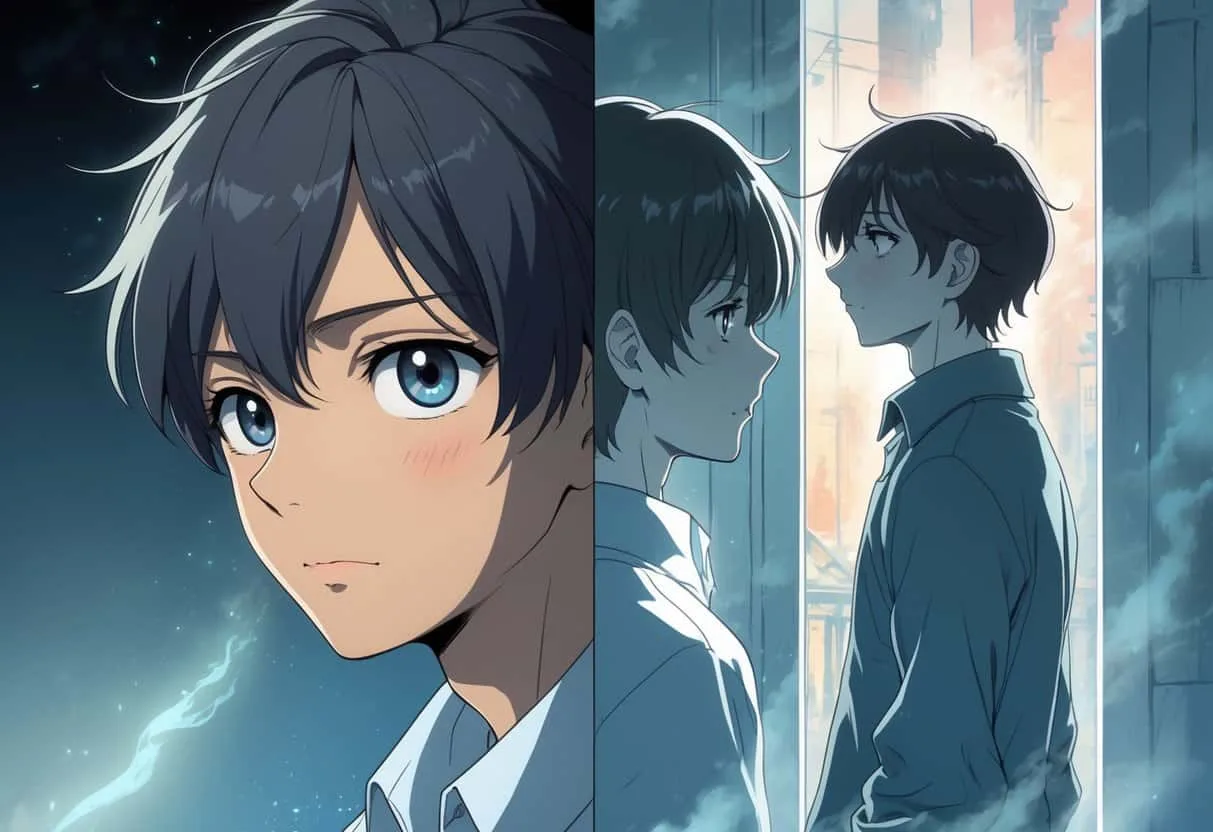
You’ll notice that flashbacks are rarely random inserts. They’re timed to arrive just before or during critical moments, when the present-day stakes are already high. By injecting context and empathy at peak tension, creators amplify the emotional resonance of a battle, a confession, or a breakdown. The past doesn’t simply inform the present — it collides with it.
In long-running series, flashbacks also serve a practical role. They welcome new viewers by recapping formative moments without tedious exposition, while dedicated fans get a refreshed emotional connection to key plot points. When the story is paced over hundreds of episodes, these memory fragments function as narrative anchors. By weaving past and present together, creators craft a storytelling tapestry that feels richer, more interconnected, and remarkably human.
Core Functions of Flashbacks in Anime Storytelling
Flashbacks aren’t just decorative pauses. They’re structural tools that shape how you perceive every event, relationship, and theme. In anime, they fill three foundational roles: revealing backstory, enriching the narrative structure, and foregrounding the ideas that matter most. These functions turn a simple “meanwhile, in the past” into a powerful engine of meaning.
Revealing Character Backstories
Think of the most compelling anime characters you’ve encountered. Their present behavior rarely makes complete sense until you’ve glimpsed what came before. Flashbacks open that locked door. Childhood tragedies, buried humiliations, first loves, impossible promises — these memories humanize even the most stoic warriors or monstrous villains.
Take characters like Itachi Uchiha from Naruto. His actions are baffling and cruel until a series of carefully placed flashbacks invert your entire understanding. Suddenly, every murderous choice is recast as a sacrifice. This technique doesn’t just alter your opinion; it forces you to reconsider every earlier scene in a new light. The same goes for villains whose backstories expose systemic injustice or personal torment — flashbacks don’t excuse their actions, but they explain them.
That nuance is what transforms a flat antagonist into a tragic figure.
Enhancing Narrative Structure
Linear storytelling can feel like a straight road. Flashbacks add scenic overlooks. They fracture the timeline just enough to create a rhythm of tension and release. A well-placed memory break can answer a pressing question, or better yet, deepen the mystery. By intercutting past and present, anime creates a layered narrative where every moment echoes with earlier meaning.
Consider how Attack on Titan uses flashbacks. A key conversation between Grisha and the Owl, revealed seasons after the fact, doesn’t just fill a plot hole — it shatters the show’s political and moral framework. The story’s structure becomes a puzzle, with flashbacks acting as the missing pieces that retroactively change the entire picture. This kind of design rewards attentive viewing and turns rewatches into a completely different experience.
Conveying Themes and Motifs
Anime often revolves around abstract concepts: the cycle of hatred, the weight of legacy, the redemptive power of connection. Flashbacks make these ideas tangible. By showing, not telling, they transform thematic statements into lived experiences. A repeated memory — say, a mother’s lullaby or a friend’s final words — becomes a motif that evolves each time it appears, accumulating emotional density.
In Violet Evergarden, the flashbacks to Violet’s time as a weapon of war aren’t just backstory; they are the thematic core of the series. Each memory of the Major’s final words deepens your understanding of what it means to love, to lose, and to learn empathy. The flashbacks function as the emotional spine of the story, linking disparate episodes into a cohesive meditation on trauma and healing.
Techniques and Artistic Approaches to Flashbacks
Anime has developed a distinct visual and rhythmic language to signal “we’re in a memory now.” This goes beyond a simple caption reading “ten years earlier.” Through shifts in art style, color grading, and pacing, studios sculpt the viewing experience so that you don’t just learn the past — you feel its texture and distance.
Visual and Artistic Distinctions
A flashback’s aesthetic often does the storytelling before a single line of dialogue is spoken. Softened color palettes — muted browns, dusty golds, desaturated blues — immediately evoke nostalgia or sorrow. Character designs might become simpler, rounder, reflecting youth or a less complicated world. Backgrounds often blur or dissolve into vignettes, pulling focus onto raw emotion rather than objective detail.
Some series push these cues further. A brief change to a choppy, lower frame rate can mimic the fragmented quality of a traumatic memory. Extreme close-ups on eyes or hands isolate the sensory core of a past moment. In Monogatari, flashbacks are rendered as rapid-fire impressionistic stills, almost like shards of a broken mirror. These artistic choices make the internal external, pulling you directly into a character’s subjective recollection.
Use of Pacing and Timing
Flashbacks rarely announce themselves arbitrarily. They’re triggered — by a sound, a scent, a phrase, or a sudden confrontation. This sensory bridge between past and present creates a seamless psychological transition. When a character hears an old song and the screen wavers into a sepia-hued memory, you accept the shift because it feels emotionally true.
Inside the flashback itself, pacing usually decelerates. The story lingers on quiet moments — a shared meal, a tearful goodbye — because that’s where the true weight lies. Then, just as you’re fully immersed, the narrative snaps back to the present with renewed urgency. An episode might dedicate half its runtime to a single memory, but if the emotional payoff is right, that investment never feels indulgent. When done poorly, flashbacks trip the pacing; when done well, they are the very heartbeat that drives the present action forward.
Impact of Flashbacks on Character and Plot Development
Character actions in anime can seem extreme — unshakable resolve, sudden cowardice, inexplicable tenderness. Flashbacks contextualize these behaviors by exposing the root cause. They bridge the gap between who a character is and why they became that way, turning abstract personality traits into earned history.
Motivations in Battles and Fighting Scenes
Why does a swordsman push beyond his physical limits, or a magical girl stand firm against impossible odds? The answer is almost never simple power scaling. A flashback to a childhood vow, a fallen mentor, or a brutal defeat reframes the physical conflict as a spiritual one. The fight isn’t just between bodies; it’s between past and present, regret and redemption.
In Demon Slayer, Tanjiro’s memories of his slaughtered family surface repeatedly during combat. Each recollection isn’t a distraction but a source of fuel. You understand that his gentle nature is not weakness but a disciplined response to unspeakable loss. This layering makes each swing of his blade heavy with personal meaning, turning standard shōnen battles into character-defining crucibles.
Unveiling Trauma, Accidents, and Dramatic Events
Anime often mines the past for trauma, and flashbacks are the primary excavation tool. These scenes don’t just disclose that something bad happened — they immerse you in the sensory and emotional reality of the event. The screech of tires, the silence before a confession, the cold hospital hallway. You don’t just learn about a character’s pain; you experience a version of it.
Consider how Ghost in the Shell (the reference in the original text is slightly off, but the sentiment stands) and other cyberpunk anime use flashbacks to question the reliability of memory itself. If a character’s past can be hacked or fabricated, what does that say about their identity? This philosophical edge elevates flashbacks from simple exposition into a commentary on human consciousness. Even in less cerebral series, witnessing a pivotal tragedy — like Asuka’s childhood in Neon Genesis Evangelion — makes later psychological breakdowns feel inevitable and devastating.
Influencing Relationships and High School Dynamics
Slice-of-life and romance anime thrive on the quiet earthquakes of interpersonal history. Flashbacks to a shared umbrella moment or a middle school misunderstanding explain why characters now freeze up or overcompensate around each other. These aren’t grand revelations; they’re delicate, often wordless scenes that let you interpret subtle shifts in behavior.
In a show like Fruits Basket, the Sohma family’s abusive past is unveiled through carefully timed flashbacks that re-contextualize every present-day interaction. A character’s casual cruelty suddenly reads as learned survival, and a moment of hesitant kindness becomes a monumental act of courage. Similarly, in series focused on teenage friendships, a flashback to a forgotten promise can make a seemingly trivial school festival arc feel loaded with significance. These glimpses into the past make the social web feel authentic, layered with unspoken loyalties and wounds.
Cultural and Genre-Specific Uses of Flashbacks
While flashbacks are a universal storytelling device, anime genres deploy them with distinct priorities. Understanding these differences reveals how memory is tailored to audience expectations and thematic goals.
Differences in Shōnen, Shōjo, and Seinen Anime
| Genre | Flashback Focus | Purpose |
|---|---|---|
| Shōnen | Training, battles, rivalries | Build excitement, show growth |
| Shōjo | Emotions, relationships | Deepen emotional context |
| Seinen | Character motivations, past | Explore complex themes |
Shōnen anime uses flashbacks as motivational accelerants. Memories of grueling training arcs or a rival’s taunting smirk directly feed into the next power-up or comeback. The past is a forge, and you watch the hero step out of it stronger. This pattern is so consistent that a flashback mid-battle has become a beloved, if sometimes predictable, signal that victory is near.
Shōjo anime leans into the emotional interior. Flashbacks don’t often feature world-breaking battles; instead, they zero in on a gentle touch, a harsh word, a moment of overwhelming loneliness. The focus is on emotional causality — how one rainy day shaped a decade of guarded behavior. When a character finally breaks down, you’ve been given the blueprints to understand why.
Seinen anime often problematizes the very idea of a reliable flashback. Memories might be fragmented, contradictory, or deliberately distorted. This genre uses the past to explore philosophical and psychological quagmires: the nature of regret, the impossibility of redemption, the question of whether we are ever more than the sum of our traumas. The flashback isn’t just information; it’s a conversation the character (and the viewer) must wrestle with actively.
Fanservice and Audience Engagement
Long-running series face a unique challenge: keeping a viewer invested through hundreds of episodes. Flashbacks become a vital engagement tool. When the main plot decelerates for a slice-of-life beach episode or a tournament arc lull, a well-timed memory can restore emotional momentum. It reminds you why you started caring about these characters in the first place.
Some flashbacks double as fanservice in the most narrative sense — they replay iconic moments, not just for plot clarity but for the sheer nostalgic thrill. Watching a hero’s origin scene again, re-contextualized by recent events, can create a cathartic loop of emotion. This technique also helps newer viewers who might be binge-watching; a subtle memory cue prevents confusion without resorting to a “Previously on…” segment. While heavy-handed use can feel repetitive, strategic flashbacks keep the sprawling narrative accessible and the emotional stakes from fading into white noise.
The Craft of Effective Flashback Integration
Even a powerful flashback can fall flat if it’s jammed awkwardly into the story. The most memorable anime treat the past not as a disconnected clip show but as an organic extension of the present. Here are some principles that guide the best implementations.
Avoiding the Exposition Dump
Amateurish writing often uses flashbacks to deliver heaps of information all at once. You’ve probably experienced a scene where a character stands still for five minutes while a narrated slideshow of their tragic past plays out. This kills pacing and dissolves tension. In contrast, skilled creators seed details sparingly. A brief visual flicker, a half-heard phrase, and then a return to the crisis.
The full flashback may only come later, once you’re already desperate to know.
The rule is simple: flashbacks should answer a question the audience is already asking, not preemptively dump backstory on a disengaged viewer. When you’re burning with curiosity about a character’s obsession, that’s the precise moment when the memory hits hardest.
Linking Memory to Present Action
The most gripping flashbacks don’t just interrupt the present; they reshape it. A character recalls a lesson right before making a decisive move. A villain’s cruel laughter in the past syncs with an identical sound in the now. This connective tissue makes the transition feel seamless. The memory literally bleeds into the current moment, so the timeline shift becomes a psychological event rather than a technical one.
Anime like Mob Psycho 100 excel at this. Mob’s emotional explosions are often preceded by rapid flashes of past kindnesses or cruelties that visually and sonically merge with his current outburst. The result is a cathartic climax that feels earned because you’ve just lived through the accumulated pressure in seconds.
Varying Flashback Length and Style
Not every memory needs a five-minute sequence. A one-second flicker of a blood-splattered hand can convey more than a lengthy monologue. The best directors use a mixed approach: quick sensory impressions for ongoing tension, longer vignettes for major revelations. The unpredictability keeps you attentive. You never know when a stray glance will unlock an entire episode’s worth of hidden history.
This variety also respects the viewer’s intelligence. You become an active participant, assembling the fragments into a coherent backstory. When the full picture finally clicks into place, the satisfaction is immense — and it’s a satisfaction that linear exposition can rarely replicate.
Potential Pitfalls and How Anime Overcomes Them
Flashbacks are not without their critics. The “anime flashback filler” complaint arises when series use memories to pad runtime rather than deepen narrative. Shows caught in adaptation limbo sometimes stretch a single panel of a manga into a five-minute recap of something you saw two episodes ago. This breeds frustration and breaks immersion.
The countermeasure is economy. Modern audience attention spans are short, and the best studios know this. They’ve shifted toward tighter, more impressionistic flashbacks that trust the viewer to infer much from little. Additionally, some series turn the flashback into a narrative puzzle — revealing information out of order, forcing you to actively reconstruct the timeline. This transforms a potential weakness into an interactive strength.
Another risk is tonal whiplash. A comedic series that suddenly plunges into a ten-minute dark flashback can feel jarring. The solution lies in transitional craftsmanship: an emotional gradient that slowly shifts the mood, or a framing device that signals the change. When executed smoothly, the comedic and tragic can even amplify each other, making the highs funnier and the lows more piercing.
The Psychology of Memory in Storytelling
Why do flashbacks affect us so deeply? From a psychological perspective, memories and storytelling are intrinsically linked. Research on narrative identity suggests that we construct our sense of self by weaving past experiences into a coherent life story. Anime mirrors this process externally. When a character’s past is revealed, we understand them as more complete human beings — and we often reflect on our own memories in parallel.
Furthermore, the visual language of flashbacks taps into how our own minds recall the past: in fragments, with altered colors, focusing on salient emotional details. By mimicking this cognitive reality, anime makes the device feel natural rather than artificial. As discussed in psychology research on narrative identity, memory reconstruction is inherently selective and meaning-driven. Good flashbacks respect that truth.
Conclusion: The Lasting Resonance of a Well-Told Past
At their best, anime flashbacks are anything but a lazy crutch. They’re the invisible scaffolding that gives a story its shape and its soul. They transform a simple action sequence into a reckoning with childhood, and a tearful confession into the payoff of years of silent suffering. By respecting the complexity of memory and weaving it into the present with care, creators build worlds that feel lived in and characters that feel known.
So the next time an anime screen dissolves into soft focus and the soundtrack shifts to a minor key, lean in. You’re not being dragged away from the story — you’re being given the key to its deepest chambers.