Table of Contents
Anime opening songs have transcended their original purpose as television introductions to become global phenomena, largely driven by TikTok’s ability to turn brief musical moments into viral sensations. These tracks, once confined to niche fan circles, now dominate social feeds and streaming charts, capturing the attention of listeners who may never have watched the associated shows. The platform’s algorithm, which prioritizes engaging audio clips, has made it possible for a 15-second snippet from an anime theme to reach millions of users overnight.
TikTok’s short video format enables anime tunes to spread rapidly through user-generated content, from dance challenges to emotional montages, fundamentally altering how music gains popularity in the digital age.
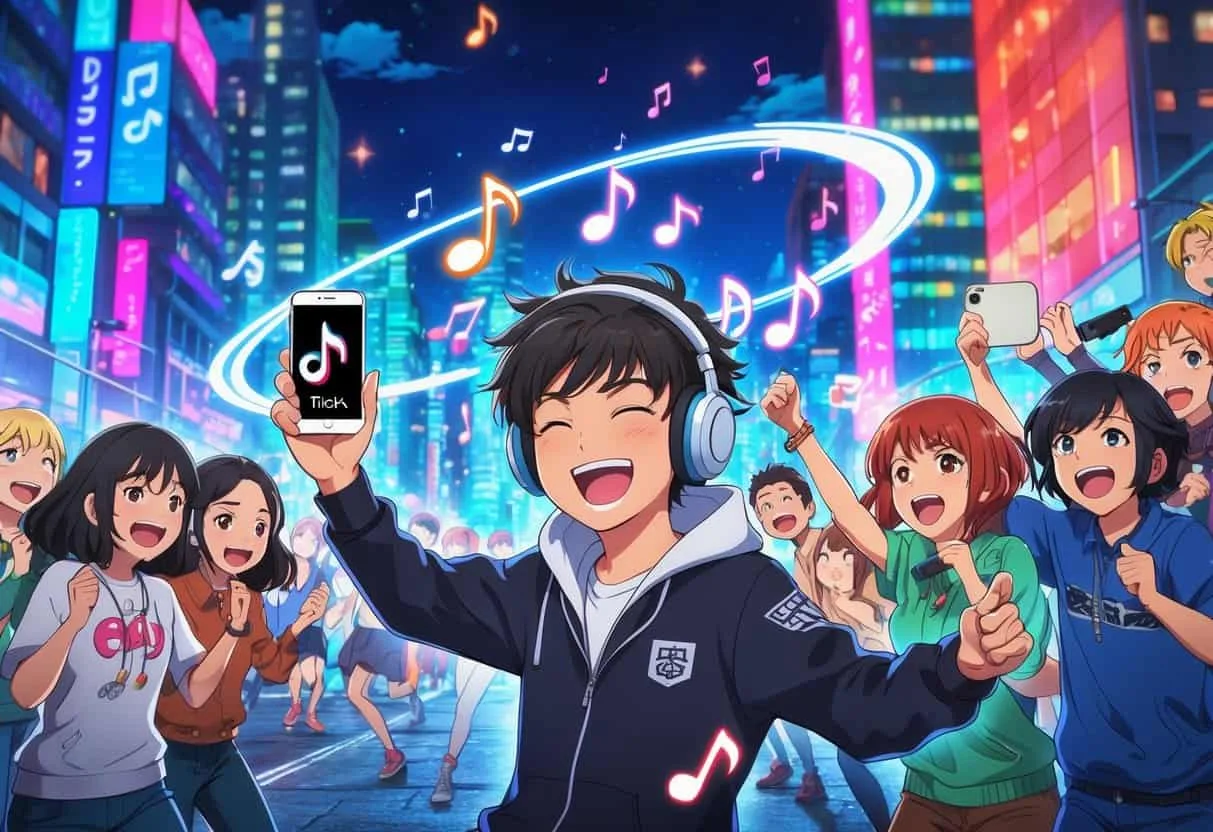
You might have scrolled past videos set to tracks from classic series like Cowboy Bebop or modern hits like Jujutsu Kaisen, often accompanied by creative visuals that breathe new life into the music. This phenomenon isn't random; it's a structured synergy between platform mechanics and fan creativity. TikTok’s editing tools, sound search features, and trend-driven culture work together to amplify these songs, turning them into staple background music for everything from cosplay reveals to reaction videos.
This intersection of anime music and social media represents a broader shift in entertainment consumption. It isn’t just about catchy hooks; it’s about how communities form around shared audio experiences. As these tracks climb the Billboard Global 200 and populate curated playlists on Spotify, they cement anime openings as a legitimate force in mainstream pop culture. The ripple effects extend to music production, marketing strategies, and even the way studios design theme songs for maximum shareability.
Key Takeaways
- TikTok has transformed niche anime music into global chart-toppers through organic trends.
- Viral anime songs often lead to increased viewership for the associated series and artists.
- The platform’s engagement model influences how music is produced and promoted across borders.
The Evolution of Anime Opening Songs in the Digital Age
Anime opening songs have undergone a remarkable evolution, shifting from simple TV jingles to complex musical pieces that stand alone as pop culture artifacts. This progression reflects changing production values, global distribution, and the growing influence of digital platforms. To understand their viral potential on TikTok, you need to examine their origins and the forces that shaped them.
Anime Openings: From Japan To The World
Historically, anime opening themes were crafted exclusively for Japanese audiences, serving as promotional tools for the series and its musicians. Early examples from the 1980s and 1990s, like the space opera anthems of Macross or the energetic rock of Dragon Ball Z, were confined to domestic airwaves and imported VHS tapes. However, the rise of dedicated streaming services in the 2010s, such as Crunchyroll and Netflix, democratized access. Suddenly, a viewer in Brazil could experience the same opening sequence as someone in Tokyo, creating a shared global moment.
This shift was critical for the viral ecosystem. When TikTok emerged, it inherited a fan base already primed to engage with these songs. Platforms allowed tracks from Naruto or One Piece to become nostalgic anchors, while newer shows like Oshi no Ko benefited from instant worldwide recognition. The ease of sharing short clips meant that a memorable hook could bypass traditional gatekeepers, reaching audiences through peer-to-peer recommendations rather than radio play. This democratization of distribution made every anime opening a potential viral candidate.
Rise of J-pop and Its Impact on Openings
J-pop, with its polished production and melodic emphasis, became the dominant soundtrack for anime by the early 2000s. Bands and solo artists from Japan’s music industry collaborated with studios to create theme songs that doubled as commercial releases. This partnership ensured a high standard of composition, with artists like L’Arc~en~Ciel and Asian Kung-Fu Generation delivering tracks that resonated beyond the screen. The result was a catalog of anime openings that functioned as standalone pop songs.
On TikTok, this J-pop foundation is a key ingredient for virality. The structure of these songs—typically featuring a climactic chorus within the first 30 seconds—aligns perfectly with the platform’s preference for quick emotional peaks. You see this in how users sync their videos to the most dynamic part of a track, whether it’s a drum crash or a vocal belt. Additionally, the international success of J-pop groups like YOASOBI has blurred the line between anime music and mainstream pop. Their songs often chart on Apple Music alongside Western hits, proving that language barriers dissolve when the melody is strong enough.
The Influence of Manga and Anime Adaptations
The relationship between an anime opening and its source material is often deeply intertextual. When a popular manga is adapted, such as Demon Slayer or Chainsaw Man, the theme song is crafted to reflect narrative arcs, character emotions, or thematic symbols. This connection enhances the listener’s experience, as fans associate specific lyrics or musical flourishes with pivotal story moments. For TikTok, this adds a layer of meaning that fuels creative responses, like fan edits that sync action scenes to the opening track.
For instance, when Oshi no Ko’s “Idol” played during its high-energy opening animation, it captured the duality of the entertainment industry portrayed in the manga. On TikTok, fans dissected these lyrics in video essays, while others used the song for cosplay clips that visually recreated key visuals. This symbiotic relationship means that the success of an adaptation can catapult its opening to viral status. As manga readership grows worldwide through platforms like Viz Media, more viewers arrive at an anime with pre-existing emotional ties, making them more likely to share and propagate the music online.
How TikTok Catalyzed the Virality of Anime Songs
TikTok didn’t just happen to host anime songs; it actively engineered an environment where they could thrive. The app’s architecture, which revolves around sound-centric discovery and participatory challenges, transformed passive listening into active creation. This section details the mechanisms that turned anime openings into ubiquitous social currency.
Trends and Challenges Driving Engagement
The core engine of TikTok’s virality is its trend and challenge culture. Anime songs become popular when they are attached to a replicable activity that lowers the barrier for participation. You might remember the “Renai Circulation” meme, where users recreated a cute dance from the Bakemonogatari opening, or the “Gurenge” empowerment trend, where people shared before-and-after transformations set to the Demon Slayer theme. These trends often start organically when a creator discovers an anime song through the platform’s music library and pairs it with an inventive action.
Once a challenge gains traction, the hashtag system amplifies it. A tag like #AnimeOpeningChallenge can aggregate thousands of videos, exposing the song to the For You pages of millions who don’t follow anime content. The algorithm then rewards high-engagement sounds by promoting them further, creating a feedback loop. This system benefits both timeless classics and new releases; for example, the 1990s hit “A Cruel Angel’s Thesis” from Neon Genesis Evangelion has seen periodic resurgences as younger users discover it through memes. This cyclical nature ensures that anime songs remain a renewable resource for content creators.
Role of Video Editing and User Creativity
TikTok’s built-in editing suite empowers users to elevate anime songs beyond their original context. Features like speed controls, green screens, and audio syncing allow creators to match visuals precisely to beats or lyrics. You see this in “anime lip-sync” accounts that isolate vocal phrases to create comedic sketches, or in AMV (anime music video) enthusiasts who compress entire series into 30-second tributes. This creative software turns a simple audio clip into a storytelling medium.
User innovation also drives the visual identity of a viral track. When “Idol” by YOASOBI went viral, creators layered clips of idol performances, fan art, and drama reactions over the song’s syncopated rhythm. Some edited themselves into iconic scenes from Oshi no Ko, while others used text overlays to explain the song’s narrative. This customization makes the song feel personal to each creator, increasing the likelihood that they’ll share it with their community. The result is a participatory culture where the anime opening becomes a collaborative project, constantly reinterpreted and reimagined.
Cross-Platform Promotion With Instagram and YouTube
While TikTok serves as the ignition point, the virality of anime songs is sustained through cross-platform sharing. Creators often repost their TikTok videos to Instagram Reels and YouTube Shorts, where different audience demographics may engage. This migration keeps the song in circulation longer than a single platform’s trend cycle. For instance, a sound that peaks on TikTok might later drive compilation videos on YouTube, which in turn fuel Spotify streams.
Artists and record labels actively monitor this spread. When an anime opening like “Kaikai Kitan” by Eve starts trending, labels may release official instrumental versions or behind-the-scenes content on YouTube to capitalize on the interest. This coordinated strategy leverages TikTok’s rapid dissemination with the more stable viewership of other platforms. For you as a listener, this means that an anime song can follow you across your digital life, appearing in a friend’s Instagram story or a Spotify Discover Weekly playlist. The interconnectedness of these services ensures that anime music achieves enduring relevance.
Iconic Viral Hits and Chart-Topping Success
Several anime opening songs have emerged as definitive viral hits, achieving levels of success that rival mainstream pop singles. Their trajectories offer a case study in how TikTok can turn a niche track into a chart phenomenon, with data from streaming platforms and Billboard confirming their global impact.
YOASOBI’s ‘Yoru ni Kakeru’ Phenomenon
YOASOBI’s debut single “Yoru ni Kakeru” was originally based on a short story and released in 2019, before the Beastars connection it later adopted. Its piano-driven melody and singer Ikura’s emotive delivery made it a perfect candidate for TikTok’s emotional storytelling trends. Users paired the song with narratives of loss, achievement, and nostalgia, catapulting it to the top of Japan’s 2020 charts. You can still find thousands of videos under its hashtag, many featuring cinematic shots or animated skits.
The track’s crossover success was unprecedented for a Japanese-language song. It ranked on the Billboard Global 200 Excl. U.S. chart for months, demonstrating the power of organic social media promotion. This phenomenon also boosted YOASOBI’s subsequent releases, establishing a template for how anime-adjacent music could achieve mainstream recognition. The song’s journey from a digital single to a viral staple highlights how TikTok can invert the traditional promotion model, where popularity on the platform precedes radio airplay.
‘Idol’ from Oshi no Ko: A Breakout TikTok Success
“Idol” by YOASOBI, the opening theme for Oshi no Ko, became a defining viral moment in 2023. Within weeks of the anime’s premiere, a dance challenge using the song’s upbeat chorus had generated millions of user videos. The dance, characterized by sharp hand gestures and quick footwork, was replicated by K-pop idols, gaming streamers, and celebrities, breaking out of the anime echo chamber. This cross-industry adoption was key; when a song is performed by a famous TikTok dancer, its reach extends into demographics that might never click on an anime clip.
The track’s performance on AWA, a prominent Japanese music streaming service, and its placement on global Spotify Viral 50 charts confirmed its ubiquity. You could hear “Idol” in grocery stores and gyms, not just online, as it became a defacto summer hit. The song’s lyrical theme, which critiques the duality of fame, resonated with teenage audiences navigating social media personas, making it a compelling soundtrack for personal expression. This deep cultural resonance, paired with TikTok’s amplification, made “Idol” a watershed moment for anime music.
Anime Songs on Spotify, Apple Music, and AWA
Streaming platforms have become primary arenas where viral success is measured and sustained. On Spotify, official anime playlists aggregate trending openings, acting as a discovery tool for casual listeners. Curated mixes like “Anime Now” introduce tracks to users based on their existing preferences, often sandwiching a classic Saint Seiya theme between a new Jujutsu Kaisen track. This algorithmic pairing normalizes anime music within the broader pop landscape.
In Japan, AWA remains a crucial barometer for domestic popularity, often reflecting TikTok trends before international charts catch up. When a song like “KICK BACK” by Kenshi Yonezu—the Chainsaw Man opener—trends on AWA, it signals deep engagement from local fans, which then exports to global Apple Music listeners. These platforms provide the data that Billboard uses for its rankings, creating a feedback loop: more streams mean higher chart positions, which generates press coverage, ultimately leading to more streams. For you as a consumer, this ecosystem makes it easier than ever to incorporate anime openings into your daily listening habits.
Billboard Rankings and Global Recognition
The presence of anime opening songs on international charts is a testament to their crossover appeal. In 2023, Idol peaked at number 7 on the Billboard Global 200, a position previously unimaginable for a Japanese anime theme. This achievement placed it alongside tracks from Taylor Swift and Bad Bunny, signaling a shift in cultural boundaries. Other entries, like “The Rumbling” by SiM from Attack on Titan, have also pierced the Hot 100, driven by heavy metal’s universal energy.
Billboard’s data incorporates streams and sales from over 200 territories, meaning that these rankings reflect genuine global consumption. This recognition has tangible effects: record labels invest more in anime tie-ins, and artists gain international touring opportunities. For the anime industry, a charting theme song translates to increased box office and merchandise revenue. It marks a departure from the era when anime music was a subculture—now, it’s a mainstream force that regularly competes with Western pop giants.
Lasting Impact on Anime, Music, and Global Pop Culture
The viral migration of anime songs onto TikTok has permanently altered multiple industries, from music video production to fan engagement strategies. These changes are not fleeting trends but foundational shifts in how sonic content is created, distributed, and valued.
Influence on New Music Videos and Openings
The visual language of TikTok has begun to influence the creation of anime openings themselves. Modern sequences, such as the vibrant Spy x Family season 2 opening, are designed with sharable moments in mind—quick cuts, expressive character animations, and beat-synced transitions that scream to be clipped for a video. Directors now understand that an opening must work not just as a cohesive film but as a collection of GIF-ready highlights. This has led to a renewed emphasis on kinetic energy and visual symbolism that can be decontextualized for social media.
Similarly, official music videos for anime songs now often incorporate vertical formats or minimalistic backgrounds that facilitate user edits. For example, the official video for Eve’s “Fight Song” includes sequences of the artist that are easy to isolate for duets. This trend shows a mutual adaptation: anime studios and musicians are not just passive beneficiaries of TikTok virality but active participants who tailor their outputs to maximize shareability. The final product is a rich multimedia experience that invites you to remix and reinterpret.
Changing Landscape of Music Promotion
Traditional music promotion, which relied on radio tours, talk show appearances, and physical album launches, has been supplemented—and in some cases replaced—by viral marketing campaigns. Labels now track TikTok trends to decide which anime themes to push as lead singles. They may even commission shorter “TikTok edits” of songs, prepackaged with a catchy dance or visual cue, to seed user-generated content. This strategy reduces costs and accelerates the path from release to recognition.
For independent artists, this democratized landscape offers unprecedented access. A talented composer can have their song adopted by an anime fan community on TikTok without a major label deal, potentially leading to a collaborative request from a studio. The path of a hit like “Useewa” by Ado, which gained traction on TikTok before being used in anime tie-ins, exemplifies this bottom-up model. The focus has shifted from buying airtime to earning shares, making authenticity and hook memorability the primary currencies of success.
The First Time: How Trends Ignite
Every viral wave begins with a single post, often from an ordinary user. That initial video, where an anime song is used in a novel way, acts as a spark. The timing of this “first time” is critical; it must align with cultural moments, platform algorithm shifts, or even seasonal moods. When a song like “Blizzard” from Mashle catches that initial spark, the community around it activates rapidly, stitching and dueting until the sound is ingrained in the collective awareness.
This ignition process highlights the democratic nature of TikTok. You don’t need a marketing budget to start a trend—just a compelling idea. The platform’s structure then amplifies that idea through its recommendation system, which promotes content based on engagement rather than follower count. Subsequent waves of creators add layers, turning a simple lip-sync into a complex intertextual web. This organic growth makes the trend feel personal and earned, which is why it resonates so deeply with global audiences and often endures far longer than traditional ad campaigns.
| Key Points | Details |
|---|---|
| Music Video Style | Quick cuts, catchy hooks, anime-inspired visuals designed for sharing |
| Promotion Shift | Viral clips and user engagement replacing traditional radio and TV marketing |
| Trend Ignition | Early viral moments start chain reactions through the algorithm and community |