Table of Contents
Anime memes are far more than a collection of humorous screenshots or clever captions. They function as a digital tapestry that weaves together the threads of everyday emotion, personal struggle, and collective understanding. Each meme pulls a familiar facial expression, an iconic scene, or a snippet of dialogue from a beloved series and transforms it into a mirror reflecting the inner lives of viewers around the world. Whether you are grappling with anxiety, navigating loneliness, or simply surviving a long work week, an anime meme likely exists that speaks directly to that experience. This phenomenon has quietly reshaped how we communicate vulnerability, pain, and hope in online spaces.
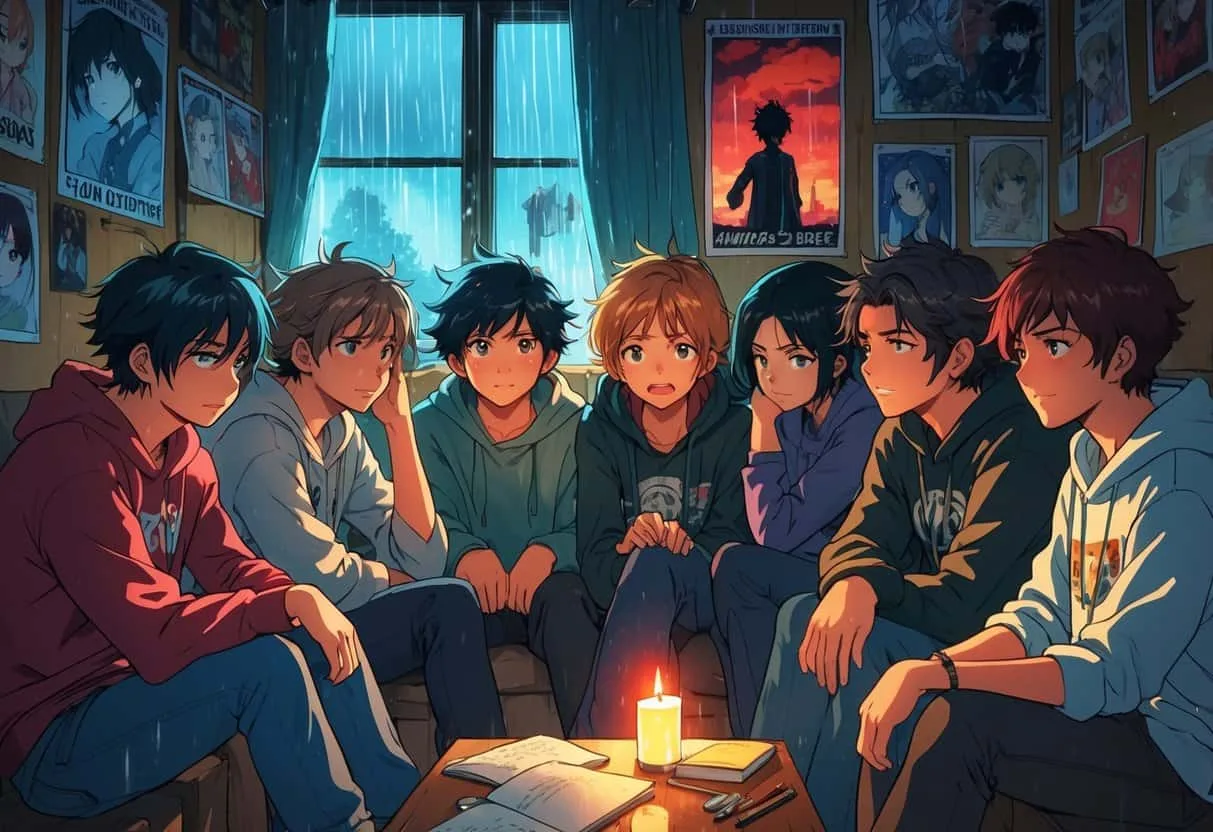
What makes these memes so effective is their ability to compress complex emotional states into a single, shareable image. A character slumped over a desk with the caption “Me after three hours of meetings” can instantly communicate exhaustion and futility. That same image, repurposed for another context, might express grief or burnout. This flexibility allows the meme to act as a shorthand for emotions that are often difficult to articulate. And because anime characters often express their feelings in heightened, theatrical ways, the visual language is exceptionally well-suited to dramatizing the internal chaos we sometimes feel.
Key Takeaways
- Anime memes translate real-world feelings like anxiety, isolation, and burnout into relatable visual stories.
- Sharing these memes creates a sense of community and emotional validation across digital platforms.
- The fusion of humor, culture, and technology in anime memes opens conversations about mental health and personal growth.
- Understanding the creative and legal dimensions of meme-making helps you participate more thoughtfully in the meme economy.
The Emotional Architecture of Anime Memes
Why Relatability Matters
At the heart of every successful anime meme is a kernel of truth you recognize instantly. Perhaps it is the wide-eyed panic of a character facing an impossible deadline, or the hollow stare of someone who has just been asked “Are you okay?” when they are clearly not. These scenes are plucked from narratives designed to explore human emotion, so they come pre-loaded with a depth that simple reaction images often lack. When you encounter a meme featuring Shinji Ikari from Neon Genesis Evangelion curled up in a chair, it evokes not just sadness but the specific texture of depression and avoidance. That specificity makes the meme land.
You do not just see the joke; you feel it.
Anime memes also reframe everyday frustrations in a way that makes them bearable. A popular format uses Saitama from One-Punch Man responding to yet another epic threat with a bored, unimpressed expression. This captures the weariness of facing the same trivial drama over and over again, whether at work or in social circles. The humor comes from the gap between the character’s godlike power and his mundane annoyance, but the emotional core is intensely relatable. You have likely felt that same flatness when confronted with a problem you have already solved a hundred times.
Anime Characters as Vessels for Daily Struggles
Beyond simple mood captions, anime memes often tackle specific real-world challenges. Memes about social anxiety frequently feature characters hiding in corners, enveloped in dark auras, or delivering monologues about how terrifying it is to talk to strangers. Images from Watamote or the more introspective moments of March Comes in Like a Lion appear again and again because they give visual form to an internal dread that can otherwise feel invisible. Seeing your own anxiety mirrored in a character who is both pitiable and endearing transforms shame into a shared joke.
Similarly, the crushing weight of school and workplace pressure is a recurring theme. Memes showing students buried under an avalanche of textbooks or office workers staring at an impossible stack of paperwork often draw from series such as Aggretsuko, where a mild-mannered red panda channels her rage through death metal karaoke. This blend of exaggerated visuals and raw emotion lets you acknowledge how overwhelming life can get without having to compose a long, vulnerable post. The meme does the heavy lifting, and in doing so, it offers the first step toward emotional release.
Humor as a Gateway to Healing
When you laugh at a meme that exposes your deepest insecurity, you are engaging in a form of cognitive reappraisal. The joke does not erase the problem, but it reframes it as something that can be observed, shared, and ultimately survived. Self-deprecating anime memes, in which characters dramatically fail at basic tasks or wallow in existential dread, are popular precisely because they normalize imperfection. A screenshot of a character dramatically crying over spilled noodles can become a symbol for the daily disasters we all face. This collective laughter builds resilience.
Dark humor memes also play an important role for those dealing with heavier issues. A panel from Death Note or Attack on Titan repurposed to comment on intrusive thoughts or the absurdity of existence can serve as an outlet for feelings you might otherwise suppress. The recognition that others find the same dark imagery comforting creates a silent bond. In a digital landscape where mental health discussions can still feel stigmatized, anime memes offer a backdoor into honest conversation—one that starts with a laugh and gradually builds trust.
How the Digital World Amplifies Anime Memes
The Participatory Power of User-Generated Content
Anime memes thrive because they are not made by marketers or studios; they are made by fans like you. Screenshots are captured during streaming sessions, gifs are clipped from YouTube videos, and millions of remixes emerge on apps like Imgflip or Kapwing. This participatory culture means that the community constantly replenishes its own language. You do not need artistic skill; you just need a clever observation and the right frame. As platforms like r/Animemes and dedicated Discord servers show, the barrier to entry is low, and the reward is engagement from people who instantly understand the reference.
The creative remixing goes beyond simple image macros. Many users repurpose entire scenes, adding subtitles, audio, or visual effects to create elaborate joke structures. A trend might start with a single frame from Jujutsu Kaisen and evolve into a multi-layer format that comments on everything from student debt to global politics. Each new layer deepens the emotional resonance because it connects a specific fictional moment to an ever-widening circle of real-life experiences. You are not just consuming content; you are actively shaping the emotional vocabulary of your online tribe.
Social Media Platforms as Distribution Engines
The life cycle of an anime meme is often shaped by the platform on which it is shared. TikTok prioritizes short, looping videos that can pair dramatic anime clips with trending audio, allowing a meme to ride a viral wave to millions of views in hours. YouTube, through channels that compile weekly meme roundups, extends the shelf life of these creations and adds a layer of commentary that enriches the joke. Instagram and Twitter (X) serve as rapid-fire galleries where a simple panel can accrue thousands of likes and retweets, functioning as a real-time barometer of collective mood.
Reddit remains a particularly powerful incubator because its threaded, upvote-driven format encourages dialogue. A post on a subreddit like r/anime_irl (anime in real life) typically captures a situation so painfully accurate that the comment section becomes a support group in miniature. Users share their own stories, offer sympathy, or simply reply with an “same.” The platform turns a solitary viewing experience into a communal one, reinforcing the idea that the struggles depicted in anime are neither fictional nor isolated.
Viral Trends and the Meme Economy
Once an anime meme reaches critical mass, it enters what some commentators call the “meme economy.” Popular formats gain cultural currency, and their spread influences everything from the language you use in group chats to the types of merchandise that pop up on Redbubble. This economy rewards creativity but also reflects the collective emotional state. When memes about exhaustion and burnout go viral, they signal that a huge number of people are feeling overwhelmed. The virality itself validates those feelings.
Some memes evolve into durable archetypes. The “Are you winning, son?” format, overlaid with a deeply concerned anime father figure, has been repurposed to comment on everything from procrastination to the state of one’s mental health. The “This is fine” dog is an icon, but when combined with an anime character surrounded by literal flames, it gains a new layer of theatrical despair. These persistent formats serve as emotional infrastructure—you can reach for them whenever you need to express a feeling that words alone cannot fully convey.
Cultural Bridges and Social Dynamics
Building Community Through Shared Symbols
Anime memes are a form of social glue. They create an immediate sense of belonging among fans who might otherwise have little in common. When you post a meme referencing a niche show like Serial Experiments Lain, you are not just hoping for likes; you are signaling your identity and inviting connection with others who share your taste. This shared symbolic language can reduce social anxiety in online spaces, as the meme itself becomes the icebreaker. Communities built around these references often develop their own jargon, in-jokes, and support rituals, turning a loose collection of strangers into a genuine network.
Even outside hardcore fandom circles, anime memes act as entry points. Someone who has never seen Fullmetal Alchemist might still recognize the “Ed…ward” meme and feel a pang of sadness. That spark of recognition can lead them to explore the original work, and in doing so, they join a broader cultural conversation. The meme serves as a bridge between casual internet users and dedicated fan communities, expanding the emotional reach of anime far beyond its original audience.
Globalization and Cross-Cultural Exchange
Anime memes are one of the most effective vehicles for Japanese cultural export. Through them, elements of Japanese language, humor, and narrative sensibility infiltrate daily digital life worldwide. A meme referencing the honorifics used in Kaguya-sama: Love Is War might teach you a bit about Japanese social dynamics without any formal lesson. Visual cues like the sweatdrop, the popping vein, or the depressed cloud of gloom are now part of a global visual language that transcends borders.
This cross-cultural flow is bidirectional. Western fans often remix anime scenes with local slang, political references, or music, creating hybrid memes that resonate in multiple cultural contexts. A meme featuring a character from Spy x Family can comment on American parenting culture just as easily as it can on Japanese work-life balance. The result is a rich, layered dialogue in which anime becomes a universal canvas for human experience. Reports on the globalization of anime memes highlight how these images now shape everything from advertising to political cartoons.
Political Engagement Through Symbolic Imagery
Though memes are often dismissed as frivolous, anime memes have proven capable of carrying serious political and social commentary. An image of a character facing an overwhelming foe can symbolize the fight against systemic injustice. Scenes of rebellion from Code Geass or Akame ga Kill! are frequently repurposed to express dissatisfaction with government policies or corporate greed. Because the visuals are already charged with dramatic tension, they lend emotional weight to the message without needing lengthy explanation.
This indirect approach can be especially effective for reaching audiences who might tune out traditional news or activism. A well-crafted meme can slip past emotional defenses, planting a seed of curiosity or solidarity. During global protests or moments of crisis, anime meme formats have been used to coordinate information, raise awareness, and express grief. They become a form of visual protest that is accessible, shareable, and deeply human.
Legal, Ethical, and Technological Frontiers
Copyright and the Art of Transformation
Creating anime memes almost always involves using copyrighted material, and that raises important legal questions. Under U.S. law, many memes qualify as transformative fair use because they add new meaning, context, or commentary to the original work. A single screenshot from Demon Slayer that becomes a metaphor for crushing deadlines is not merely a copy; it is a reinterpretation. However, the line between fair use and infringement can be blurry. If you strip away all commentary and simply repost a high-quality clip or image for commercial gain, rights holders may take action.
Fair use guidelines suggest that the purpose, nature, amount, and effect on the market all matter.
Most fan creators operate in a gray area. While anime studios generally tolerate non-commercial meme culture because it fuels fandom and free promotion, this tolerance is not guaranteed. Some large corporations have become more aggressive with takedowns, especially when memes generate ad revenue or are sold as physical products. To stay safer, you should focus on adding obvious commentary, using only as much of the original as needed, and crediting the source when reasonable. The ethical dimension extends to respecting the emotional context you are borrowing: using a scene of genuine trauma to make a cheap joke without sensitivity can alienate the very community that sustains meme culture.
Artificial Intelligence and the New Meme Landscape
Tools like Midjourney, Stable Diffusion, and dedicated AI meme generators are reshaping creation. You can now type a prompt such as “an anime character overwhelmed by emails in the style of Satoshi Kon” and receive a custom image in seconds. This speeds up production exponentially and allows for hyper-specific, highly personalized memes. But it also introduces complex questions about ownership. If an AI model was trained on copyrighted anime images, does the generated meme infringe?
Who holds the copyright—the user, the platform, or the original artists whose work contributed to the model? These are unresolved legal puzzles that courts around the world are only beginning to address. The World Intellectual Property Organization has noted the need for updated frameworks.
From an ethical standpoint, AI-generated memes can dilute the participatory culture that gives anime memes their soul. When you simply input a prompt, you remove the act of spotting a resonant moment in an existing story—an act that is itself a form of emotional engagement. The human eye for recognizing that a scene from Clannad perfectly captures the grief of losing a pet is what gives the meme its punch. Automated factories of content risk flooding communities with shallow, context-less images that do not carry the same weight. As a creator, maintaining a balance between technological convenience and genuine human insight will be one of the defining challenges of the next decade.
Where Anime Memes and Emotional Expression Go Next
Looking ahead, anime memes will likely become even more integrated into daily communication. As younger generations who grew up with anime and internet culture mature, these visual references will replace the stale stock photography of corporate emails and mental health brochures. We may see formalized systems of emotional expression borrowing from meme formats—therapies that invite clients to find or create anime memes that reflect their state of mind, or social media platforms designed around mood-based sharing anchored in animated imagery.
At the same time, the ethical and legal frameworks around meme creation will need to evolve. A symbiotic relationship between studios and fan creators—similar to how some musicians now embrace remix culture—could lead to official channels where anime art is licensed for meme use, ensuring artists are compensated while fans retain creative freedom. The emotional resonance of these memes depends on a cultural ecosystem that values both the original art and the personal meaning fans attach to it.
Ultimately, anime memes endure because they remind us that even our most private struggles are shared. That moment of flashing recognition when you scroll past a meme and think, “That’s me,” is a small but profound bridge out of isolation. In a world where expressing vulnerability can still feel risky, these digital artifacts offer a gentle entry point into honesty, humor, and connection. They are not just internet jokes; they are the modern diary entries of a generation learning to talk about how they really feel.