Table of Contents
Anime and Japanese video games share a creative DNA that has shaped the global entertainment landscape. The visual flair, emotional storytelling, and rich world-building that define anime don’t just sit on a screen—they pour directly into the structure and soul of Japanese games. From the earliest 8-bit adventures to sprawling modern epics, anime’s fingerprint is unmistakable, making titles from Japan instantly recognizable and deeply immersive.
You’ll see how anime inspires game worlds, character development, and even the way stories unfold in games.
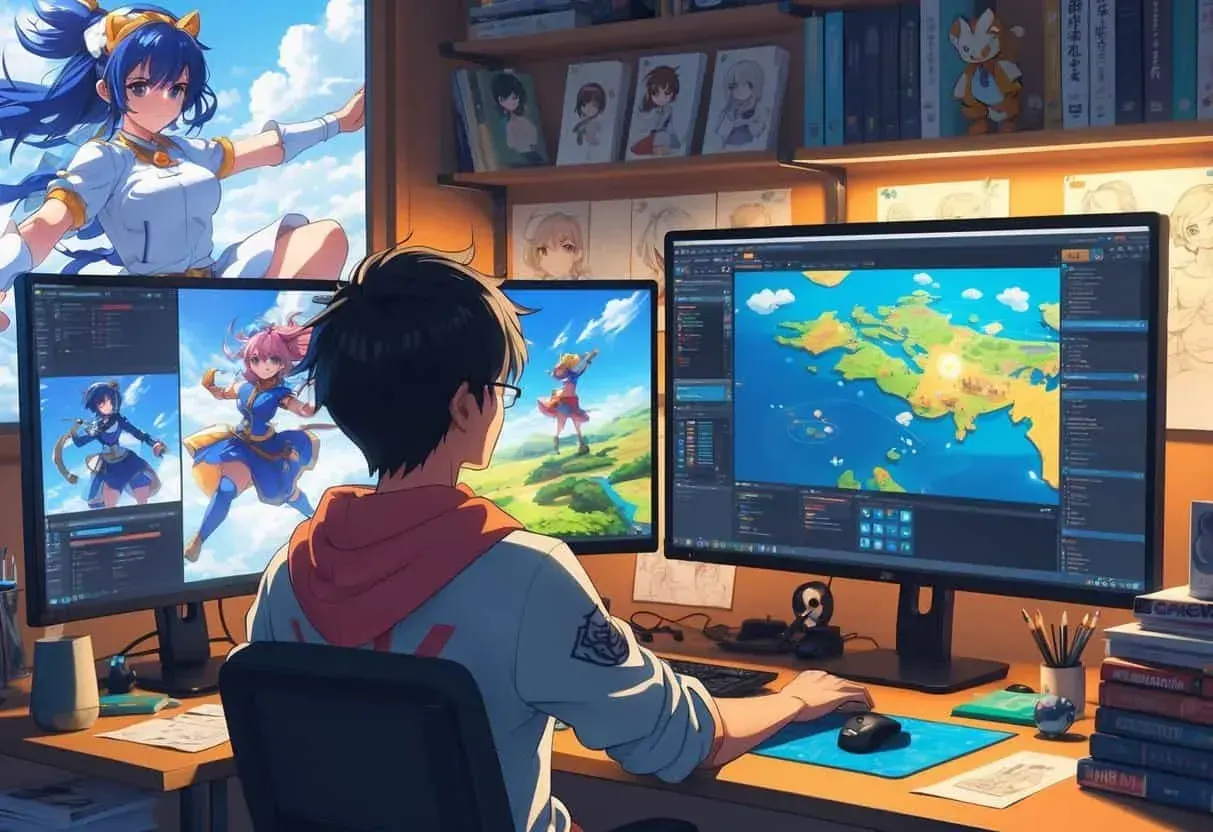
Many developers grew up with Astro Boy, Mobile Suit Gundam, and Sailor Moon. Those experiences laid the foundation for a design language that values expressive eyes, dramatic camera angles, and stories that swing confidently between melancholy and joy. This cross-pollination runs so deep that you can often trace a game’s lineage back to a specific anime studio or manga artist. Games like the Persona series wear their anime influences on their sleeve, while titles such as Ni no Kuni collaborated directly with Studio Ghibli to craft a living, breathing cartoon universe.
Japanese games also borrow storytelling tricks from anime, like complex characters and layered plot lines. Instead of treating the player as a passive observer, they pull you into a narrative that often feels like a serialized TV show—complete with mid-season twists, slow-burn rivalries, and friendships that evolve over dozens of hours. This approach makes the experience more emotional, more memorable. The visual style of anime shapes art direction too, giving every location and interface a look that’s both nostalgic and cutting-edge. Players worldwide have responded by turning these games into cultural juggernauts.
Key Takeaways
- Anime’s aesthetic directly molds the visual identity and tone of Japanese games.
- Storytelling techniques born in manga and anime create emotional depth and narrative complexity in interactive media.
- Japan’s cultural heritage and constant media innovation drive game design forward, blending tradition with bold new ideas.
The Roots of Influence: Anime’s Role in Japanese Game Design
Understanding how anime shaped games starts with looking at the symbiotic relationship between these two mediums. It’s not a simple case of one borrowing from the other; they grew up together, fueled by the same artistic ambitions and economic realities. Key creators, technological leaps, and a media ecosystem where manga, anime, and games constantly feed into one another turned anime-inspired design into a default rather than an exception.
Historical Foundations and Key Figures
The seeds were planted by visionaries like Osamu Tezuka, whose work on Astro Boy in the 1960s defined the visual shorthand of anime. Tezuka’s characters—large, emotive eyes, simple yet expressive features—became a template for how game sprites would later be drawn. When early developers at Nintendo and Sega sat down to design heroes for limited-resolution hardware, they reached for that same clarity. Shigeru Miyamoto has often cited classic manga and anime as influences, and the clean, iconic silhouettes of Mario and Link owe as much to Tezuka’s philosophy as to technological constraints.
Later, figures like Yoshiyuki Tomino (creator of Gundam) and Leiji Matsumoto (Space Battleship Yamato) showed that serialized drama and mature themes could thrive in animation. Game studios took note. Role-playing games on the Famicom and Super Famicom began to adopt long-form stories, permanent character death, and morally ambiguous factions—echoes of what anime audiences had already embraced. By the time Final Fantasy VII arrived in 1997, its pre-rendered cinematics and brooding protagonist felt like a direct descendant of Neon Genesis Evangelion’s psychological intensity.
The Evolution of Animation and Technology
Anime technology has never stood still, and each advance rippled into gaming. The shift from cel animation to digital production in the late 1990s gave animators new freedom to experiment with camera movement, lighting, and color palettes. Game engines soon followed suit. The cel-shaded graphics of The Legend of Zelda: The Wind Waker (2002) and the Tales of series were deliberate attempts to make playable anime. Instead of chasing photorealism, these titles embraced a living illustration aesthetic that has aged remarkably well.
Motion capture and real-time rendering now push the boundaries even further. Games like Guilty Gear Strive use 3D models that trick the eye into seeing hand-drawn 2D animation, while Genshin Impact (though Chinese in origin) proves the global appetite for anime-style open worlds. Each technological jump allows developers to deepen immersion—not just through spectacle, but by making characters emote in ways that were once exclusive to theatrical anime films.
Interplay Between Manga, Anime, and Games
The “media mix” strategy in Japan means that a hit manga rarely exists in isolation. It spawns an anime adaptation, which in turn fuels a video game, drama CDs, and merchandise. This cycle creates a shared narrative universe where fans expect the game to capture the same emotional beats and visual fidelity as the anime. Developers therefore don’t just license a property; they internalize its storytelling grammar.
Consider the Dragon Ball Z: Kakarot action RPG. It doesn’t simply retell the anime’s storyline—it mimics its pacing, its iconic camera shakes during power-ups, and even its moments of quiet filler where characters fish or eat. Similarly, the Sword Art Online games create original story arcs that sit between anime seasons, requiring writers to match the established tone and character voices perfectly. This deep interplay trains designers to think like anime directors, not just game makers.
Iconic Crossovers in Media
Cross-media blockbusters like Naruto Shippuden: Ultimate Ninja Storm, One Piece: Pirate Warriors, and the Persona series showcase how anime storytelling translates into interactive formats. These games treat boss battles like climactic anime episodes—complete with dramatic zoom-ins, internal monologues, and splashy super moves. They also weave in elements of Japanese folklore and culture that give them an exotic, yet grounded texture. Okami, while not a direct anime adaptation, uses sumi-e ink wash painting and Shinto myth to create a world that feels like an Ukiyo-e scroll come to life. In every case, collaboration between anime studios and game developers elevates both industries, pushing visual and narrative boundaries.
Storytelling Techniques Borrowed from Anime
Anime doesn’t just provide a pretty coat of paint for games. It offers a storytelling toolkit that includes unconventional narrative arcs, deep world-building, and emotionally driven character growth. When Japanese developers adopt these techniques, they create experiences that resonate on a level far beyond simple gameplay loops.
Narrative Structures and Genre Conventions
Anime rarely commits to a single genre. A show might start as a light school comedy, then veer into supernatural horror, political thriller, and tearful romance—all within a single season. Games like NieR: Automata emulate this fluidity. Yoko Taro’s masterpiece blends bullet-hell shooters, philosophical text adventures, and action RPG combat into a narrative that constantly subverts expectations. The story’s multiple endings and unreliable narrators mirror the fragmented storytelling found in series like Serial Experiments Lain or The Tatami Galaxy.
Flashbacks, in-media-res openings, and even entire arcs seen from a different character’s perspective are standard anime tools now deeply embedded in game design. Final Fantasy X begins with the protagonist telling a story around a campfire, then jumps back to unravel how he ended up there. That narrative framing device owes a debt to episodic anime structure, keeping players hooked by dangling questions that only later episodes answer.
World-Building and Unique Storytelling
Anime worlds are not just backdrops; they are intricate systems with their own logic, politics, and history. Xenoblade Chronicles, for instance, sets its entire saga on the bodies of two colossal, dead titans. That premise, reminiscent of the surreal landscapes in Made in Abyss, turns exploration into a narrative act. Every cliff face and blade of grass whispers backstory. The attention to environmental storytelling—crumbling civilisations, ancient machines, weather that affects both mood and mechanics—stems from anime’s love of “show, don’t tell.”
Japanese developers also excel at blending the futuristic with the traditional. Ghost of Tsushima, while inspired by samurai cinema, channels the visual poetry of anime like Samurai Champloo and Rurouni Kenshin. Its wind-guided navigation and black-and-white Kurosawa mode aren’t just aesthetic choices; they’re narrative techniques that make the player feel like a character in a living painting. By anchoring strange concepts in believable emotional truths, anime-influenced games make even the wildest fantasy worlds feel accessible.
Character Development and Personal Growth
If there’s one thing anime excels at, it’s making you care about a fictional person. Japanese games borrow this fully, building arcs around personal transformation. Persona 5 Royal dedicates dozens of hours to exploring its protagonist and confidants’ inner demons, mirroring the deep character studies found in March Comes in Like a Lion or Your Lie in April. Each social link is a miniature anime episode, complete with tension, revelation, and a new ability to use in battle. The gameplay and story become inseparable.
Sacrifice, the weight of legacy, and the search for identity are themes anime handles with nuance, and games amplify that through player agency. In Fire Emblem: Three Houses, you guide students through a war that forces them to make heartbreaking choices—choices the player helps shape. That intersection of character growth and player decision-making turns a tactical RPG into an anime drama you can’t look away from. By the time credits roll, you’ve lived through losses and victories that feel earned, not scripted.
Cultural and Economic Impact on Japanese Games
Beyond the creative sphere, anime’s influence profoundly affects the business, global reach, and social life of Japanese games. This synergy transforms titles into cultural exports, fuels massive cross-media franchises, and builds fervent communities that sustain the industry.
Anime as a Cultural Phenomenon and Export
Anime has long functioned as Japan’s cultural ambassador. The soft power of Studio Ghibli films and long-running shōnen series familiarized international audiences with Japanese visual language, humor, and values before they ever picked up a controller. When games like Dragon Quest or Chrono Trigger appeared on Western shelves with character designs by Akira Toriyama, fans of Dragon Ball instantly felt at home. That aesthetic shorthand reduced the barrier to entry for Japanese titles in markets dominated by Western realism.
Now, global streaming services beam anime into millions of households, often with subtitles released the same day they air in Japan. This constant exposure means that when an anime-styled game like Genshin Impact launches, its audience already speaks the visual language. The art style signals a certain kind of narrative depth and emotional honesty that fans have come to expect. As a result, Japanese games can sell millions of copies overseas without sacrificing their cultural identity—in fact, that identity is the primary selling point.
Globalization, Cross-Media Adaptation, and Popular Culture
The media mix machine now operates on a global scale. An anime series might premiere simultaneously on Crunchyroll, trend on Twitter, and launch a companion mobile game in 150 countries within the same month. Demon Slayer: Kimetsu no Yaiba – The Hinokami Chronicles arrived fresh off the anime’s record-breaking film and sold millions because it let fans step directly into the breathtaking water-and-flame battles they had just watched. The game didn’t need to build an audience; the anime had already done that.
Conversely, original games now inspire anime adaptations that introduce the title to an even wider crowd. Danganronpa, Valkyria Chronicles, and Persona 5 the Animation all took this route, turning niche interactive hits into mainstream sensations. This two-way cultural exchange ensures that anime and game aesthetics are never stagnant; each feeds the other new ideas, character archetypes, and narrative experiments. The global popularity of Japanese pop culture has turned once-regional art forms into a worldwide conversation, and games sit at the heart of it.
Fan Communities and Merchandise Consumption
The passion of fan communities can’t be overstated. Conventions like Anime Expo in Los Angeles and Comic Market (Comiket) in Tokyo draw hundreds of thousands of attendees, many of whom dress as their favorite game or anime characters. These gatherings aren’t just celebrations—they’re economic engines. Limited-edition figures, soundtracks on vinyl, and high-end replicas of in-game weapons move off shelves because the emotional connection is that strong. Games like Hololive’s VTuber collaborations or Idolmaster blur the line between virtual performance and real-world merchandise, turning every character into a potential brand.
Fan-created content also strengthens the ecosystem. Artists and streamers produce their own comics, animations, and analysis videos that keep the conversation alive between official releases. This sustained engagement makes anime-styled games less susceptible to the boom-and-bust cycles that plague other genres. A fan who collected every One Piece figure is almost certain to buy the next One Piece game, and they’ll evangelize it to friends, creating an enduring, self-perpetuating market.
Modern Trends and the Future of Anime-Inspired Game Design
Today’s landscape is being shaped by streaming, global accessibility, and the ongoing battle against piracy. These forces aren’t just logistical—they directly influence how games are created, translated, and distributed, ensuring anime’s storytelling magic reaches an ever-larger audience.
Streaming Services and Digital Distribution
Platforms like Crunchyroll, Netflix, and HIDIVE have transformed anime from a niche interest into a global pastime, and their influence now extends into gaming. Crunchyroll Game Vault, for instance, offers a curated selection of mobile titles tied to popular anime, removing friction for fans who want to jump from watching to playing. Netflix has invested heavily in anime-style interactive experiences like The Dragon Prince tabletop game adaptations, signaling that the line between streaming show and downloadable game will continue to blur.
Digital storefronts such as Steam, the Nintendo eShop, and PlayStation Network have democratized distribution. Small Japanese studios like Vanillaware (13 Sentinels: Aegis Rim) or Falcom (Trails series) can now find an international audience without a massive physical print run. This lets developers take creative risks—a surreal visual novel or a niche tactical RPG—knowing they can reach the exact fans who will appreciate it. Regular patches, downloadable content, and seasonal events keep the game alive in a way that mirrors the unfolding episodic nature of an ongoing anime series.
International Influence and Language Learning
As anime games find homes outside Japan, studios invest more deeply in localization. It’s no longer enough to translate text; voice acting is often recorded in multiple languages, and cultural references are adapted with care. Yakuza: Like a Dragon’s English dub brought in well-known anime voice actors, while the Judgment series went a step further by localizing entire substories so that their humor landed globally. This effort builds trust with international players and makes them feel like first-class citizens rather than an afterthought.
A fascinating side effect is the role these games play in language learning. Many fans keep the Japanese voice track on and use in-game subtitles to pick up vocabulary and sentence structure. The Phoenix Wright: Ace Attorney series, with its text-heavy courtroom drama and Japanese cultural nuance, has become a favorite tool for learners. At events like Anime Expo, language panels often recommend specific games for immersion practice. Developers are increasingly aware of this hidden educational value and now design menus and codex entries to be useful for bilingual exploration.
Piracy, Translation, and Accessibility
Piracy remains a persistent challenge. Unauthorized emulation of older titles and fan-translated ROMs siphon revenue that could fund new projects. However, the industry has begun turning this threat into an opportunity. Companies like Sega have released classic Sakura Wars and Phantasy Star titles with official English translations, giving fans a legal, higher-quality alternative to fan patches. Square Enix’s remaster of Live A Live brought a Super Famicom cult classic to a worldwide audience for the first time, proving that official, accessible releases can be profitable.
Accessibility features are also expanding. Developers now routinely include colorblind modes, remappable controls, and extensive difficulty options. This inclusivity opens anime-inspired games to players who might otherwise be locked out—and it mirrors anime’s own recent trend toward broader representation. As cloud gaming services reduce hardware barriers, the next generation of anime games will likely be playable on anything from a smart TV to a tablet. The goal is clear: get these rich stories into as many hands as possible, while respecting the creative vision that made them special in the first place.
Balancing that accessibility against piracy and preservation will define the next chapter of anime-influenced game design.