Table of Contents
Digital anime collectibles have surged in popularity as fans seek new ways to own, trade, and interact with the characters and stories they love. Instead of physical shelf space, collectors are now building portfolios of virtual goods — authenticated art, 3D figurines, and exclusive digital items stored on decentralized networks. This trend redefines what it means to “own” a piece of anime culture, blending entertainment with investment potential.
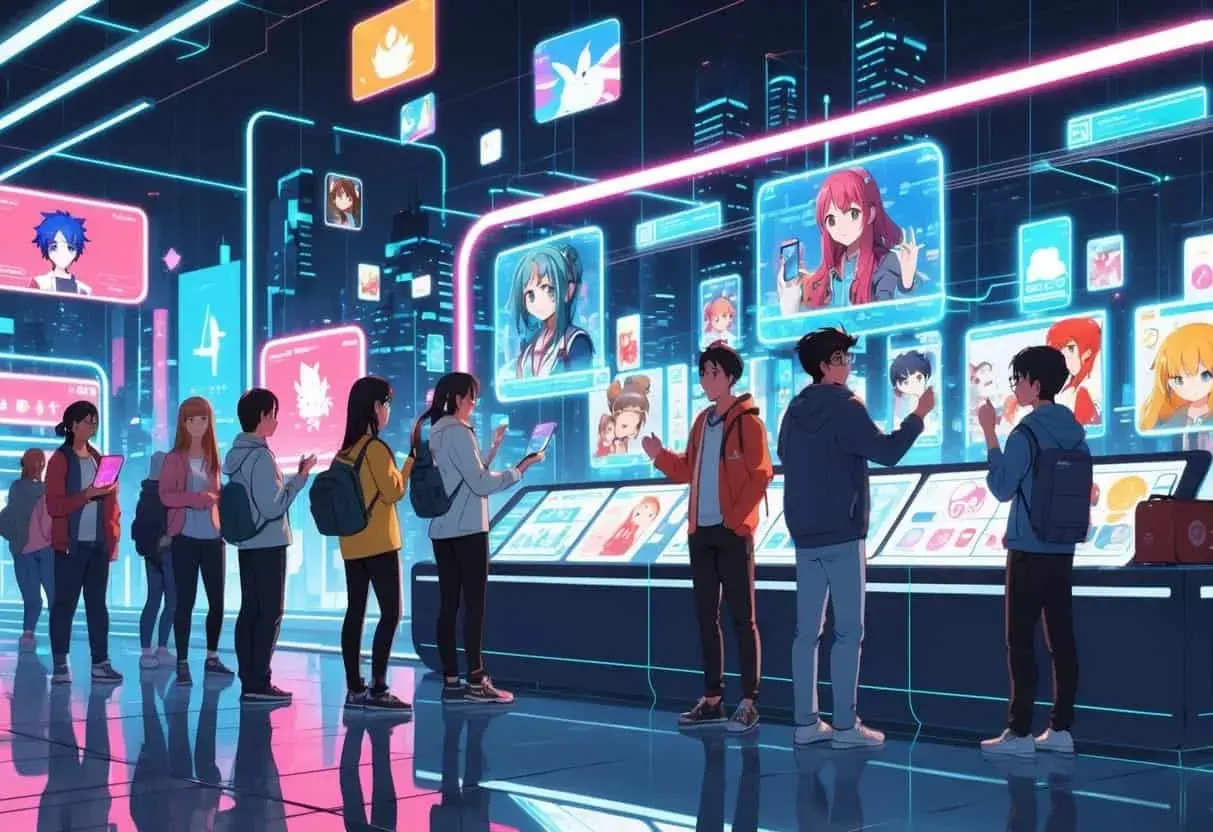
Underpinned by blockchain, these assets guarantee verifiable scarcity and permanent digital custody. Unlike a mass-produced figure, a virtual collectible can be uniquely tied to a specific owner, traded on open markets, and even displayed in augmented reality. The anime community, already deeply invested in online platforms, embraces this shift because it makes fandom more portable, programmable, and personal.
This article unpacks the rise of digital anime goods, the technology fueling them, the economic dynamics at play, and the future of collecting in an increasingly immersive metaverse. Whether you are a seasoned collector or just curious about the space, you’ll find a clear-eyed look at virtual ownership and its possibilities.
The Evolution of Digital Anime Collectibles

The journey from resin statues to code-based assets spans decades. Physical figures from manufacturers like Bandai Namco once defined the hobby. Today, that same devotion migrates to virtual environments where scarcity is enforced not by factory runs but by cryptographic proof.
From Physical Figures to Virtual Goods
If you entered anime collecting in the early 2000s, you likely hunted limited-run PVC figures, garage kits, or prize items from crane games. Those objects required physical space, careful handling, and often a significant aftermarket premium for rare releases.
The digital transition began subtly with in-game skins and gacha mobile titles, but the real inflection point came with non-fungible tokens (NFTs). Suddenly, a single illustration or 3D model could be minted as a unique asset. Holders could prove ownership without relying on a centralized database. Marketplaces such as OpenSea allowed collectors to browse, bid, and transfer anime-themed NFTs globally within minutes.
This shift doesn’t erase physical collecting; instead, it complements it. Some projects offer a physical twin — a real figure shipped alongside a digital counterpart. Others exist purely in the virtual realm, enabling visual effects or animations impossible in resin and PVC. Digital goods free collectors from geographic and storage constraints, while still providing the emotional connection to a favorite series.
Influence of Anime Fandom and Community
Anime fandom has always been socially driven — from early internet forums to massive Discord servers and convention meetups. This communal energy amplifies demand for digital collectibles. Showcasing a rare digital figurine on a social profile or inside a virtual chat room acts as a modern version of a glass display case.
Online communities curate taste and validate value. A digital item’s desirability often hinges on the reputation of the artist, the size of the fanbase behind an IP, and how actively the community talks about it. Subreddits, Twitter threads, and TikTok videos can accelerate a drop’s cultural cachet overnight.
Because digital goods are easy to share and verify, they fit neatly into the rhythms of online fan life. A collector can rotate exclusive digital key art every season, participate in community design votes, or gain access to fan-only events. The community becomes the engine of both emotional and financial value.
Key Players Shaping the Market
Established entertainment giants like Bandai Namco are now experimenting with digital collectibles tied to their flagship franchises. Meanwhile, blockchain-native studios, such as Animoca Brands, have invested heavily in anime NFT projects and virtual worlds. Streaming platforms and fan engagement tools are also entering the space, turning passive viewers into interactive stakeholders.
On the infrastructure side, layer‑2 blockchain solutions reduce transaction costs so that buying a $20 digital keychain doesn’t incur $50 in gas fees. Payment processors integrate fiat on-ramps, making the experience simpler for newcomers. As more recognizable IP holders and tech partners collaborate, the market gains legitimacy — and volume.
The Technology Powering Virtual Goods
Behind every digital anime collectible sits a stack of technologies that ensure authenticity, enable interactivity, and open new creative possibilities. Understanding these layers helps you evaluate projects and see past hype.
Blockchain and NFTs in Anime Collectibles
Blockchain provides an immutable, publicly auditable ledger. When a collectible is minted as an NFT, its metadata — including edition number, creation date, and creator wallet — can be verified by anyone. This slashes the risk of counterfeits and builds trust in a secondary market that has traditionally been opaque.
Smart contracts govern rules like royalty splits, so an original artist can receive a percentage every time the item is resold. Smart contract standards on Ethereum, Polygon, or Solana allow these assets to move freely between wallets and compatible marketplaces. For a deeper dive into how NFTs function, CoinDesk’s explainer breaks down the technology step by step.
Brands have released limited-edition anime art as NFTs, often gamifying the experience with randomized “packs” or mystery boxes. Each minted item carries a provable edition number, so collectors know exactly how many exist. This programmatic scarcity mimics the thrill of hunting for a rare physical figure, but with instant verification and global liquidity.
Virtual Reality and Augmented Reality Integration
Virtual reality (VR) lets you step into a gallery and inspect a 3D anime statue from any angle. Platforms like VRChat already host rooms filled with NFT displays, turning social VR into a massive, decentralized museum.
Augmented reality (AR) overlays collectibles onto your physical space through a phone camera or AR glasses. You could set a 1:1 scale figure of your favorite mecha on your desk, record a short clip, and share it on social media. AR breaks down the barrier between digital ownership and tangible presence, making the asset feel more real.
As hardware improves, expect more anime projects to release AR markers or VR-compatible avatars that you can “wear” across multiple environments, deepening your investment in the character.
Artificial Intelligence Enhancing Experience
AI is turning static collectibles into responsive companions. Sophisticated models can animate a digital figure based on voice commands, generate new poses, or even simulate conversation grounded in the character’s lore. While still emerging, AI-driven personalization lets you alter a figure’s expression, outfit, or background mood without any technical skill.
Recommendation engines driven by AI analyses your collection and browsing behavior to suggest new drops that fit your aesthetic. This tailored curation makes the discovery process feel less like gambling and more like a curated journey through a vast digital catalog.
Ownership, Value, and Customization in the Virtual World
What makes a digital anime collectible worth owning isn’t just the image file — it’s the bundle of rights, proof, and creative freedom it carries.
True Digital Ownership and Scarcity
When you hold an NFT-based collectible, you have cryptographic proof recorded on thousands of nodes. No central authority can delete it or revoke your access. This stands in stark contrast to traditional digital goods locked inside a single game or platform that could shut down.
Scarcity drives value. A strictly limited edition — say, 100 pieces — with verifiable provenance will almost always command more interest than a non-scarce JPEG. Some projects introduce layered rarity: base characters are common, while “shiny” variants or alternate costumes are ultra-rare. Open ledgers let you check the circulating supply and track whale activity, so you can make informed collecting decisions.
Market Dynamics and Influencer Impact
Prices for digital anime collectibles rise and fall with community sentiment, similar to trading cards or sneakers. Hype cycles often synchronize with anime season releases, film premieres, or collaborations. When a well-known influencer or artist promotes a drop, short-term demand can spike sharply.
Understanding market signals helps you avoid buying tops. Look at historical floor prices on NFT analytics sites, join community channels to feel the temperature of sentiment, and differentiate between organic growth and paid noise. Patience and research matter as much here as they do in any collectibles market.
Personalization Through Customization
Many digital collectibles come with base files you can modify. You might recolor a virtual statue’s armor, equip new gear earned through quests, or combine traits from different items to create a hybrid. Because these modifications often remain tied to the original token, they can increase an item’s appeal to specific buyers.
This built-in creative layer makes collecting less passive than dusting physical shelves. You’re not just preserving an object; you’re extending its narrative potential. Customization also fuels a secondary market for digital “paint jobs” and accessory packs, adding depth to the ecosystem.
Future Directions of Collectibles in the Anime Metaverse
Digital anime goods are not isolated assets; they are becoming pieces of larger, interoperable worlds. The path forward points toward unified experiences, dynamic characters, and cross-media expansion.
Merging Virtual Goods with the Metaverse
In the emerging anime metaverse, your collectibles function as avatars, accessories, or even property deeds. A rare cloak from one franchise could be worn in multiple social VR hubs, provided the platforms adopt common asset standards. Interoperability initiatives, though still young, are a focus for blockchain gaming guilds and metaverse developers.
Imagine purchasing a digital concert ticket that also doubles as a limited-edition portrait of the performing virtual idol. Owning that NFT might grant backstage access inside a persistent 3D venue. These blends of utility and art create stickier, more meaningful forms of ownership beyond simple speculation.
Interactive Experiences with VTubers and Motion Capture
Virtual YouTubers (VTubers) like those managed by hololive production are already massive cultural forces, blending performance, live chat, and character lore. Collectibles centered on VTubers can unlock exclusive emotes, private streams, or meeting-room passes where the avatar interacts with fans in real time.
Motion capture technologies make these exchanges visceral. A VTuber can react physically to a fan who holds a particular digital badge, waving or performing a signature pose. Collecting becomes a gateway to participation, not just possession. The emotional payoff — a virtual idol remembering your name — adds a dimension that physical autographs can’t replicate.
Expanding Beyond Anime into Manga and Digital Art
The digital collectible wave also swells around manga and sequential art. Publishers explore limited digital editions of classic panels, author-signed e-prints, and even interactive manga where holders influence future story beats. Owning a rare manga page as a verified NFT feels akin to possessing an original cel from a classic anime film, but with the bonus of easy display and transfer.
Artists outside traditional industry pipelines also mint anime-style works independently, building their own collector bases. This democratization of distribution lets creators earn directly from their work while fans gain early access to emerging talent. As visual storytelling converges across anime, manga, and light novels, digital collectibles will serve as a common thread linking discreet media formats.
Challenges and Considerations for Collectors
While digital anime collectibles offer exciting possibilities, they also come with risks worth examining. A clear-eyed collector understands both the opportunity and the pitfalls.
Market Volatility and Liquidity
NFT markets can swing dramatically. A piece bought for $300 may trade down to $50 within weeks if hype evaporates. Liquidity is thinner than many realize — you might list an item at your desired price but wait months for a buyer. Treat collectible spending as discretionary capital, not an emergency fund. Only chase items that resonate with you emotionally because the financial outcome is never guaranteed.
Environmental and Infrastructure Concerns
Early blockchain networks, particularly proof-of-work chains, consumed significant energy. That narrative has shifted as major platforms migrate to proof-of-stake. Ethereum’s upgrade, for instance, slashed energy usage by over 99.9%. You can read the Ethereum energy consumption overview to understand the current footprint. Still, not all NFT platforms run on efficient chains.
When choosing where to collect, consider the environmental credentials of the underlying blockchain.
Legal and Security Risks
Ownership of an NFT does not automatically transfer the underlying copyright unless explicitly stated. You might own a token pointing to art, but the artist may retain reproduction rights. Read the terms. Additionally, phishing attacks, fake minting sites, and wallet drainers are common. Use hardware wallets for valuable items, verify contract addresses from official project channels, and never share your seed phrase.
What This Means for Anime Collectors
Digital anime collectibles are not a passing fad — they are the logical evolution of a hobby that thrives on passion, community, and exclusivity. The technology reduces friction in trading, eliminates counterfeits, and adds layers of interactivity that physical objects simply cannot offer. Yet the fundamentals of collecting remain unchanged: buy what you love, research the creator and community, and stay skeptical of promises that sound too good to be true.
As metaverse infrastructure matures, your digital shelf may become as culturally significant as a physical display case. It will be portable, interactive, and backed by transparent ownership records. By mixing enjoyment with due diligence, you can participate in a vibrant new chapter of anime culture that rewards creativity and connection over short-term speculation.