Table of Contents
Anime video games have carved out a unique space in interactive entertainment by blending hand-drawn or cel-shaded art styles with storytelling that can rival the best serialized anime, novels, and films. These titles often transcend simple power fantasies, inviting players to grapple with loss, identity, memory, and the quiet weight of everyday choices. Whether you play on PlayStation, Xbox, Nintendo Switch, or PC, there is a rich library of emotion-driven anime games waiting to offer you not just a challenge, but a genuine emotional journey.
The best anime video games with deep and emotional storylines combine complex character arcs, player-driven choices, and powerful thematic resonance to create experiences that stay with you long after the credits roll.
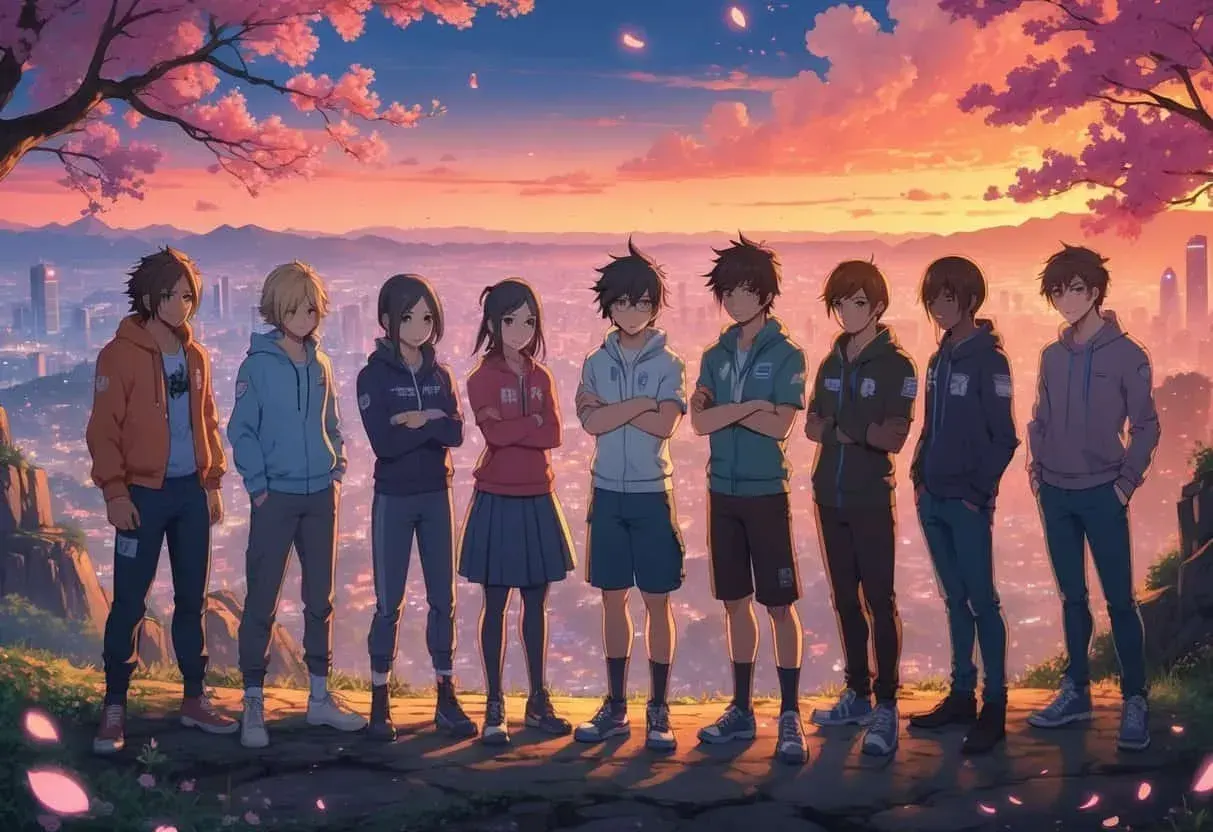
These interactive dramas use the lens of anime aesthetics to explore universal human struggles—grief, friendship, sacrifice, and self-discovery—through a medium that lets you inhabit the protagonist’s shoes. From visual novels that hinge on a single, world-altering decision to sprawling role-playing games where every party member carries hidden trauma, the genre delivers narratives that feel personal, profound, and often painfully beautiful.
Key Takeaways
- Anime-style games often center on deep emotional threads such as loss, hope, and personal growth, creating a lasting connection with the player.
- Strong character development and branching narratives elevate these stories beyond passive viewing into active, heartfelt participation.
- Gameplay elements—from combat to voice acting—are frequently designed to heighten the emotional stakes and immerse you deeper into the world.
What Makes an Anime Video Game Storyline Deep and Emotional?
Deep emotional narratives in anime games are not built solely on dramatic twists or tragedy. They grow from careful attention to theme, character evolution, and the interplay between a player's agency and the unfolding plot. These games coax you into genuine investment by making every relationship, every setback, and every quiet moment feel earned.
The Power of Theme and Relatable Conflict
At their core, emotionally impactful anime games weave themes that resonate on a personal level: the ache of saying goodbye, the struggle to find one’s purpose, or the warmth of unconditional friendship. Instead of focusing exclusively on world-saving stakes, they ground the epic in the intimate. A character’s fear of failure or a town’s quiet sorrow can become the heart of the journey. Titles like To The Moon prove that even minimalist pixel-art adventures can reduce players to tears by exploring the beauty and regret of a single lifetime, while grander productions like Nier: Automata use their sci-fi backdrop to ask devastating questions about existence and meaning.
Character Development That Leaves a Mark
You do not simply watch protagonists grow in these games; you walk beside them through every trial. The best anime-inspired stories start with flawed, sometimes broken, characters and allow you to witness their transformation over tens of hours. For example, the core cast of Persona 5 Royal begins as outcasts and victims of societal injustice, and their personal growth arcs—often tied to confronting their own inner demons—make every victory feel like a shared triumph. This emphasis on incremental development transforms character relationships into the emotional bedrock of the entire experience.
The Weight of Player Choice and Multiple Endings
Meaningful player agency elevates an anime game’s emotional depth by making you directly responsible for its outcomes. Visual novels like Steins;Gate or the heart-wrenching Clannad famously employ branching paths where your decisions shape not only plot direction but the fates of beloved characters. The knowledge that a single wrong choice can lead to a tragic ending turns every dialogue option into a pulse-quickening moment of moral and emotional consequence. This multiplicity of outcomes encourages repeat playthroughs, each revealing new layers of the story and reinforcing the idea that your compassion, or lack thereof, genuinely matters.
Top Anime Video Games with Deep and Emotional Narratives
Countless games have pushed the boundaries of storytelling within the anime medium, but certain titles stand as towering examples of how interactive narratives can break your heart and piece it back together. From time-traveling thrillers to quiet tales of everyday life, each game below offers a distinctive emotional landscape.
Timeless Classics and Their Storytelling Legacy
Some anime games have become synonymous with narrative brilliance. Steins;Gate masterfully turns a complex time-loop plot into an intensely personal story about sacrifice and the cost of saving those you love. Its protagonist, Rintaro Okabe, undergoes one of the most harrowing character arcs in gaming as he faces the consequences of tampering with time. Similarly, Clannad transitions from a seemingly lighthearted school romance into a profound meditation on family, loss, and the resilience of the human spirit. Its After Story arc is widely regarded as a benchmark for interactive tearjerkers.
Even older titles like Fate/stay night fuse mythic fantasy with dark psychological drama, using its three distinct routes to explore ideals, trauma, and self-acceptance.
Modern Masterpieces That Redefine Emotional Engagement
Recent years have brought a surge of anime games that seamlessly blend action with deeply moving stories. Nier: Automata upends traditional RPG structure with its multiple narrative perspectives, tackling heavy existential themes through its androids’ desperate war. The game’s true ending delivers a cathartic message about hope and community that remains unmatched. Persona 5 Royal layers its stylish turn-based combat with a sprawling narrative about rebellion, trauma, and found family, giving each party member’s personal pain the weight it deserves. Meanwhile, Tales of Arise tackles racism, oppression, and the cycle of violence through two protagonists whose physical and emotional pain is literally linked, forcing you to experience their suffering together.
Memorable Emotional Moments That Define the Genre
Certain scenes in these games become etched into players’ memories. It might be the quiet, rain-soaked confession of a character in a visual novel, the final duet of a dying android, or a villain’s tearful breakdown that reframes the entire conflict. To The Moon delivers its most emotional gut-punch not through combat but through a simple piano melody that unlocks a lifetime of hidden love and regret. In Persona 4 Golden, investigating a friend’s disappearance slowly peels back layers of each character’s repressed self, leading to individual confrontations that feel raw and therapeutic. These moments succeed because the preceding hours of gameplay have invested you in their outcomes.
Unique Game Worlds That Amplify the Story
Environmental storytelling is a powerful tool in anime games. The fog-shrouded town of Inaba in Persona 4, with its mundane daily routines and surreal TV-world dungeons, mirrors the dual lives of its characters. Dragon Quest XI may wear a colorful fairy-tale coat, but its world is dotted with tragic personal histories that you uncover through exploration and quiet conversations. The desolate, crumbling landscapes of Nier: Automata speak volumes about a planet abandoned by humanity, while the cozy, snow-dusted village of The House in Fata Morgana holds centuries of cursed grief waiting to be unearthed.
| Game Title | Emotional Core Theme | World Exploration Style | Narrative Structure |
|---|---|---|---|
| Steins;Gate | Sacrifice and redemption | Linear, tightly woven | Branching sci-fi thriller |
| Persona 5 Royal | Rebellion, trauma, friendship | Modern Tokyo + otherworldly palaces | Social simulation / dungeon crawler hybrid |
| Nier: Automata | Existentialism, empathy | Open, post-apocalyptic | Multiple overlapping playthroughs |
| Clannad | Family, loss, healing | Slice-of-life town | Visual novel with branching arcs |
| Tales of Arise | Oppression, shared pain | Semi-open regions | Linear with character-focused skits |
Adaptations That Bring Beloved Anime to Interactive Life
Many popular anime series have been adapted into games that let you experience their storylines firsthand. Sword Art Online games transport you into VRMMORPG worlds where survival and companionship stand at the fore, often adding original story beats that expand on the anime’s lore. Naruto Shippuden: Ultimate Ninja Storm series retells key arcs with cinematic flair, translating the deep bonds and tragic losses of the source material into compelling boss fights and interactive cutscenes. Even fighting games like Dragon Ball FighterZ include original story modes that weave emotional stakes—like the revival of fallen warriors—into the testosterone-fueled action. These adaptations work best when they preserve the heart of the anime while giving you the power to change or deepen the outcome.
How Gameplay Mechanics Amplify Narrative Immersion
Anime games with deep stories rarely treat gameplay as a separate entity. Mechanics, combat systems, voice acting, and social elements all serve to pull you closer to the characters and heighten the emotional resonance of the narrative.
Combat Mechanics That Tell a Story
In games like Tales of Arise and Persona 5 Royal, combat systems are not just about dealing damage—they reflect the inner struggles of the cast. Persona 5’s “All-Out Attack” finishes not only look stylish but also evoke the thrill of a united team overcoming a shared enemy, while the protagonists’ Persona awakenings are explosive, symbolic representations of self-acceptance. In Nier: Automata, the genre itself shifts mid-game: from character action to bullet-hell to hacking mini-games, each change mirrors the protagonist’s deteriorating understanding of her world. When the gameplay becomes chaotic or hopeless, your own frustration mirrors the characters’ despair, creating a powerful synergy between story and interaction.
The Role of Voice Acting and Language
Exceptional voice acting, particularly in the original Japanese audio, imbues anime games with emotional authenticity that subtitles alone can sometimes soften. The crack in a voice actor’s delivery during a confession, the rising panic in a desperate scream, or the gentle warmth of a comforting word can make a scene unforgettable. Many players deliberately choose Japanese voice tracks with English subtitles to preserve the cultural nuance and raw emotion intended by the creators. When Steins;Gate’s Okabe finally breaks down after repeated traumas, the sheer vulnerability in Mamoru Miyano’s performance is a masterclass in voice-driven storytelling. This attention to vocal detail strengthens your empathetic bond with the characters.
Friendships, Bonds, and Cooperative Storytelling
Social link and bonding systems are cornerstones of many story-centric anime games. In the Persona series, spending time with a companion through part-time jobs, study, or simple hangouts unlocks not only gameplay perks but also deepens their personal backstories, often tackling heavy topics like parental abuse, terminal illness, or gender identity. These moments unfold at a deliberate pace, allowing you to develop a sense of genuine camaraderie. When a beloved friend is later threatened in the main plot, the stakes feel personal. Cooperative battle mechanics in games like Tales of and Scarlet Nexus also build this sense of teamwork: you can call on allies for support, and their timely interjections—often accompanied by a brief exchanged glance or nod—make the group dynamic feel tangible.
Finding Happiness and Emotional Resolution
The most emotionally satisfying anime games do not simply wallow in tragedy; they work toward moments of earned happiness and catharsis. After hours of hardship, a scene of characters laughing together around a campfire or sharing a quiet sunset can feel like a reward you fought for. To The Moon’s poignant conclusion, for all its bittersweetness, ultimately grants a form of peace. Meanwhile, Persona 4 Golden’s epilogue, which reunites the investigation team months after the case, radiates warmth because you have experienced every step of their journey. Such resolutions remind you that emotional depth is not about constant sorrow—it is about the high stakes that give joy its meaning.
Why Anime Games Excel at Emotional Storytelling
The anime aesthetic inherently lends itself to heightened emotional expression. Exaggerated facial animations, vibrant color palettes, and evocative background music can amplify a scene’s mood without feeling out of place. A single tear sliding down a character’s cheek in a visual novel, or the way a character’s eyes widen in a moment of realization, can communicate volumes. This visual language, combined with the long-form pacing possible in videogames, allows for a slow build of emotional investment that shorter media often cannot achieve. Additionally, the use of musical motifs—a recurring piano theme associated with a particular loved one, for instance—can turn a gameplay moment into an instant emotional trigger.
In anime games, every artistic element is in service of making you feel deeply.
Where to Experience These Emotional Journeys
Most of the genre’s standout emotional narratives are widely accessible across modern platforms. Visual novels like Clannad, Steins;Gate, and The House in Fata Morgana are available on PC (often via Steam), Nintendo Switch, and sometimes PlayStation. Major RPGs such as Persona 5 Royal, Nier: Automata, and Tales of Arise span PlayStation, Xbox, and PC, with many now offering cloud versions or native ports on Switch. Anime adaptation games are typically released on multiple platforms alongside the series’ popular regions. If you prefer portable play, the Switch and Steam Deck are excellent ways to carry these stories with you.
Choosing Your Next Heartfelt Anime Adventure
Whether you crave a sprawling, hundred-hour RPG or a compact, three-hour visual novel that will crush you and lift you back up, the anime game genre has an emotional experience tailor-made for you. Start with the titles that resonate with your preferred themes: time-travel and sacrifice (Steins;Gate), found family and rebellion (Persona 5), or philosophical despair and hope (Nier: Automata). The Visual Novel Database is an excellent resource if you want to explore more niche stories. No matter which door you open, you will find that these games do more than entertain—they reflect, heal, and leave an indelible mark on your heart.