Table of Contents
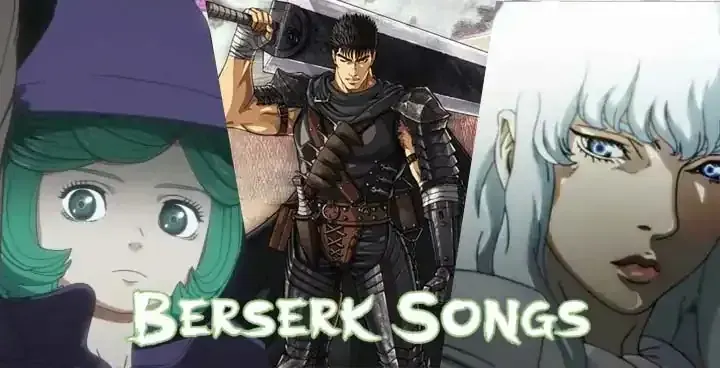
The Berserk soundtrack stands as one of anime's most distinctive and haunting musical accomplishments, perfectly capturing the series' descent into darkness, relentless violence, and occasional glimpses of tragic beauty. From Susumu Hirasawa's ethereal electronic compositions to Shirō Sagisu's orchestral grandeur, the music of Berserk doesn't simply accompany the visual narrative—it becomes an essential character in its own right, shaping atmosphere and emotional impact as powerfully as any demon or sword swing.
Berserk, the dark fantasy masterpiece created by Kentaro Miura, follows Guts—a lone mercenary wielding an impossibly massive sword, scarred by betrayal and hunted by demons through a brutal medieval world where hope struggles to survive against overwhelming darkness. The manga's adaptation across multiple anime series, films, and video games has introduced millions to Guts' tragic journey, with the soundtrack serving as the emotional backbone that transforms graphic violence into profound tragedy.
This comprehensive guide explores every facet of Berserk's musical legacy: the haunting compositions of the 1997 anime that defined the series' sound, the controversial but musically accomplished 2016-2017 adaptations, the emotional resonance that makes these tracks unforgettable, and where fans can experience this remarkable music.
Understanding Berserk's Musical Identity
The Challenge of Scoring Darkness
Scoring Berserk presents unique compositional challenges. The series doesn't offer easy emotional beats or clear hero-villain dynamics. Instead, it wallows in moral ambiguity, psychological trauma, and relentless brutality punctuated by fleeting moments of connection that feel all the more precious for their rarity.
The music must capture:
Crushing despair without becoming oppressively depressing
Violent intensity without glorifying brutality
Medieval setting while avoiding generic fantasy tropes
Supernatural horror that feels genuinely otherworldly
Rare moments of beauty that contrast with surrounding darkness
Guts' internal struggle between vengeance and humanity
Berserk's composers solved these challenges through boldly unconventional choices—synthesizers in medieval settings, electronic textures alongside orchestral elements, and compositions that embrace rather than soften the material's difficulty.
The Role of Music in Berserk's Storytelling
Unlike action anime where music pumps adrenaline, or romantic series where melodies tug heartstrings, Berserk's soundtrack serves as atmospheric foundation—it establishes the world's fundamental wrongness, the sense that this universe operates under crueler rules than ours.
The music tells viewers that no one is safe, that happy endings are illusions, and that beauty exists only as prelude to tragedy. This relentless tonal consistency makes rare moments of genuine warmth devastatingly powerful—when the music softens, we understand something precious and temporary is occurring.
The soundtrack also provides psychological insight into Guts himself. His theme variations track his mental state: the desperate fury of his early years, the tentative hope during his time with the Band of the Hawk, the shattered trauma following the Eclipse, and the grim determination of his demon-hunting quest.
The 1997 Anime Series: Susumu Hirasawa's Electronic Medieval Nightmare
Hirasawa's Unconventional Vision
When Susumu Hirasawa accepted the commission to score the 1997 Berserk anime, he made a radical choice: rather than traditional orchestral fantasy scoring, he would use electronic and synthesized elements to create something genuinely unsettling and otherworldly.
This decision proved genius. The synthesizers and processed vocals don't sound futuristic—instead, they create an uncanny medieval atmosphere, as if ancient instruments were recorded in some impossible way, their sounds warped through time. This perfectly matches Berserk's world, which superficially resembles medieval Europe but operates under different, more nightmarish rules.
Hirasawa's background in experimental electronic music prepared him perfectly for Berserk's demands. His willingness to embrace dissonance, unusual textures, and compositions that prioritize atmosphere over melody created soundscapes as distinctive as the series' visual brutality.
"BEHELIT" - The Sound of Destiny and Doom
"BEHELIT" might be Berserk's most iconically unsettling track. Named after the cursed artifacts that summon the God Hand, this composition uses layered vocals, pulsing synthesizers, and ominous percussion to create genuinely disturbing atmosphere.
The track embodies inevitability—the sense that certain fates cannot be escaped, that destiny moves like grinding machinery crushing individuals beneath its mechanisms. When this music plays, viewers instinctively understand that something terrible approaches, that free will is an illusion, and that the characters' struggles against fate have already been lost.
The processed vocals create the sense of voices speaking from beyond human understanding, suggesting the God Hand's alien consciousness and the fundamental wrongness of their existence in Berserk's world.
"Ghosts" and "Guts" - Character Through Sound
"Ghosts" perfectly captures the supernatural horror pervading Berserk's world. The ethereal, haunting melody suggests spirits trapped between worlds, the lingering presence of those who died badly, and the permeable boundary between life and death in a world where demons walk freely.
"Guts" (sometimes romanized as "Gats") serves as the protagonist's theme, and its composition brilliantly reflects his character. The driving rhythm suggests relentless forward motion—Guts never stops, never rests, never allows himself vulnerability. The harsh electronic textures mirror his brutal fighting style, while occasional melodic fragments hint at the human being buried beneath layers of trauma and rage.
This theme evolves across the series, sometimes emphasizing fury, other times exhaustion, but always maintaining its core identity of someone who survives through sheer refusal to die regardless of cost.
"Forces" - Berserk's Anthem
If Berserk has a signature track, it's "Forces" (stylized as "Berserk forces"). This composition became so associated with the franchise that fans instantly recognize its opening notes.
"Forces" captures the intensity of Berserk's combat—not the choreographed elegance of typical anime fights, but desperate, brutal struggles where survival demands everything. The pounding rhythm mirrors Guts swinging his massive Dragonslayer sword, each strike requiring total physical commitment.
The track's aggressive energy never feels triumphant or heroic. Instead, it conveys the exhausting reality of constant violence, the toll taken by treating life as endless combat. This makes it perfect for Berserk, which never glorifies violence despite depicting it constantly.
Multiple versions of "Forces" exist across Berserk media, each maintaining the core intensity while adapting to different contexts. "FORCES II" from later releases and "Berserk-Forces 1.5" demonstrate how the theme evolved while retaining its essential character.
Additional 1997 Series Highlights
"Murder" creates atmosphere of paranoia and betrayal, perfect for Berserk's political intrigue and the ever-present threat of treachery. The track suggests that violence lurks beneath every interaction, that trust is dangerous luxury.
"Monster" embodies the demonic presences haunting Guts. The composition doesn't present demons as simply evil—it suggests something incomprehensible, entities operating under alien logic that humans cannot fully grasp.
"Fear" strips away action and brutality to explore raw terror. This track accompanies moments when characters face threats beyond their capacity to fight, when courage fails and only primal fear remains.
"EARTH" provides grounding weight, reminding viewers that despite supernatural horrors, Berserk remains rooted in physical reality where swords have weight, wounds hurt, and death remains permanent for everyone except the truly cursed.
The Iconic Opening and Ending Themes
"TELL ME WHY" by Penpals serves as the series' opening, and its English lyrics created unusual accessibility for international audiences. The plaintive question "Tell me why, tell me why, tell me what you want" perfectly captures characters' desperate need to understand the forces destroying their lives.
The relatively straightforward rock composition contrasts intentionally with Hirasawa's experimental score, creating tonal whiplash that mirrors the series' jarring violence. The opening promises action and intensity, which the series delivers alongside far darker content than the upbeat theme suggests.
"Waiting so long" by Silver Fins provides the ending theme, and its melancholic melody offers necessary emotional catharsis after each episode's trauma. The lyrics speak to longing, loss, and the painful passage of time—central themes in Berserk's narrative.
This ending became so beloved that it returned in later adaptations, creating continuity across Berserk's various incarnations while acknowledging the 1997 series' definitive impact on the franchise's musical identity.
What Makes the 1997 Berserk Soundtrack Special
Emotional Authenticity in Darkness
The 1997 soundtrack never flinches from Berserk's darkness. It doesn't try to soften brutality with inspirational themes or provide easy emotional relief. Instead, it commits fully to the material's difficulty, trusting that audiences can handle genuine tragedy when presented with artistic integrity.
This emotional honesty makes the music powerful. Unlike scores that manipulate listeners toward specific responses, Hirasawa's compositions simply present Berserk's world authentically, allowing listeners to form their own emotional relationships with the material.
Innovative Genre Fusion
The combination of electronic and medieval elements shouldn't work—synthesizers feel anachronistic in fantasy settings. Yet Hirasawa's compositions prove that innovation matters more than convention. By avoiding expected orchestral fantasy scoring, he created something genuinely unique that stands apart from countless generic fantasy soundtracks.
This bold choice influenced subsequent anime music, demonstrating that unconventional approaches could enhance rather than undermine period settings when executed with skill and vision.
Atmospheric Consistency
The soundtrack maintains remarkable tonal consistency across all tracks. Every composition feels like it belongs in Berserk's world, contributing to unified atmosphere despite stylistic variations between individual pieces.
This consistency helps establish Berserk's unique identity—the music tells you immediately which series you're watching, creating instant recognition that strengthens franchise identity.
Timeless Quality
Nearly three decades after release, the 1997 Berserk soundtrack sounds as fresh and unsettling as ever. Unlike anime music tied to specific era's production trends, Hirasawa's experimental approach transcends temporal limitations, remaining powerful for new generations discovering the series.
The 2016-2017 Anime Adaptations: Divided Reception, Consistent Musical Excellence
Navigating Controversial Adaptations
The 2016-2017 Berserk anime generated intense controversy. The CG animation divided fans, with many criticizing its visual quality as unworthy of Miura's artwork. Plot compression left manga readers disappointed. Yet even critics acknowledged one consistent positive: the music remained excellent.
This created unusual situation where soundtrack discussions became refuge for fans struggling with other adaptation aspects. The music proved that someone involved understood Berserk deeply, even if other elements disappointed.
Dual Composers: Hirasawa and Sagisu
The modern adaptation brought Shirō Sagisu alongside returning Susumu Hirasawa, creating interesting compositional dialogue between Hirasawa's electronic experimentation and Sagisu's more traditional orchestral approach.
Sagisu, known for scoring Neon Genesis Evangelion and Bleach, brought experience with dark, psychologically complex material. His orchestral compositions provided epic scale during large battles while maintaining the oppressive atmosphere Berserk requires.
The dual approach worked surprisingly well. Hirasawa's tracks maintained continuity with the 1997 series, while Sagisu's additions expanded the musical palette without contradicting the established sound.
Season 1 (2016) Musical Highlights
"Inferno" by 9mm Parabellum Bullet serves as the opening theme, bringing aggressive rock energy that contrasts sharply with "Tell Me Why." This harder-edged approach matches the post-Eclipse Berserk narrative—no more naive hope, only fury and determination.
The Japanese lyrics and intense instrumentation created polarizing response. Some fans loved the modern rock sound, others missed the more accessible earlier opening. But the track undeniably captures Guts' current mental state: unrelenting rage barely containing trauma.
"Aria" by Susumu Hirasawa demonstrates his continuing mastery of Berserk's sound. The track employs his signature electronic textures while incorporating new production techniques, showing how his approach evolved without losing essential character.
"The God Hand" by Shirō Sagisu tackles the series' most challenging antagonists musically. These reality-warping entities require music suggesting power beyond comprehension, and Sagisu's orchestration delivers appropriate cosmic dread.
"My Brother" provides rare emotional vulnerability, scoring moments when characters confront relationships torn apart by fate and choice. The composition acknowledges that beneath Berserk's brutality lie genuine human connections that make losses devastating.
"INDRA 2016" showcases Hirasawa updating his classic approach with modern production, demonstrating how electronic music evolution allows refreshing established themes without losing their essence.
"Blood and Guts" by Shirō Sagisu does exactly what its title promises—scoring the visceral combat sequences with orchestral power that conveys the physical reality of violence without glorifying it.
"Black Swordsman" serves as Guts' theme for this darker period, emphasizing his transformation from mercenary into demon-hunting force of nature driven by vengeance.
"Ash Crow" by Susumu Hirasawa provides one of the season's most beautiful compositions, offering brief respite from relentless darkness while maintaining melancholic undertone reminding listeners that beauty in Berserk's world remains fragile and temporary.
Season 2 (2017) Continuing the Musical Legacy
Season 2 maintained the musical standard, with key additions and returning favorites.
"Sacrifice" by 9mm Parabellum Bullet became the new opening, its title directly referencing Berserk's most traumatic event. The brutal rock sound mirrors Guts' psychological state—someone who's sacrificed his own humanity in pursuit of vengeance.
"Hai Yo" by Susumu Hirasawa emerged as a fan favorite, its driving rhythm and unconventional vocal arrangement creating instantly recognizable soundscape perfectly suited to intense action sequences.
"The Westward of Time" explores temporal themes—the way trauma traps people in past moments, how Guts cannot escape the Eclipse despite physical survival, and how time moves differently for those carrying unbearable memories.
"Sign-2" by Susumu Hirasawa (originally from 2004) demonstrates how certain Hirasawa compositions feel eternally relevant to Berserk, their thematic resonance transcending specific narrative moments.
"Waiting so long" returned as ending theme, creating powerful continuity with the 1997 series while acknowledging that despite decades and different adaptations, the core emotional truth of Berserk remains unchanged.
Fan-Created Additions and Tributes
The 2016-2017 era sparked numerous fan tributes demonstrating the soundtrack's cultural impact.
"Into the Black" by Aviators represents Western fan-musician responses to Berserk, creating original compositions inspired by the series' themes and atmosphere.
"Guts Theme Berserk" by various artists like Scooby shows how Guts' musical identity became recognizable enough that artists create variations and interpretations, each emphasizing different aspects of his character.
"Berserk Opening" covers by artists like Amy B demonstrate the openings' melodic strength—they work effectively across languages and arrangements, maintaining emotional impact through structural integrity.
"Tell Me Why" covers by groups like Coded Channel show the original opening's enduring popularity, with new generations discovering and reinterpreting this classic theme.
The Emotional Impact: Why Berserk's Music Resonates
Emotional Resonance Through Tragedy
Berserk's music creates profound emotional resonance by refusing to soften trauma. The compositions acknowledge that suffering matters, that loss leaves permanent scars, and that some things cannot be fixed or forgiven.
This honesty makes the music emotionally powerful. Listeners recognize authentic engagement with difficult feelings rather than manipulation toward predetermined responses. The soundtrack respects audiences' capacity to sit with uncomfortable emotions.
Atmospheric Immersion
The music serves as portal into Berserk's world. Even without visuals, these compositions evoke the series' unique atmosphere—the medieval brutality, supernatural horror, and crushing psychological weight.
For fans, hearing Berserk music triggers immediate emotional and contextual associations. A few notes of "Forces" or "Behelit" instantly transport listeners back to specific scenes, emotions, and narrative moments.
This immersive quality explains why fans seek out the soundtrack for listening beyond viewing contexts. The music maintains its power independently, functioning as both reminder of the series and standalone artistic achievement.
Nostalgia and Memory
For longtime fans, Berserk's music carries powerful nostalgic weight. These compositions accompanied formative viewing experiences, becoming inseparably linked with memories of discovering the series, experiencing its traumas, and grappling with its philosophical questions.
The 1997 soundtrack particularly benefits from nostalgia—hearing those tracks returns fans to late-night viewing sessions, internet forum discussions, and the unique experience of discovering anime that defied every expectation about the medium's capabilities.
This nostalgic dimension adds layers of personal meaning beyond the compositions' inherent quality, making the music deeply significant to individual fans in ways that transcend objective musical analysis.
Catharsis Through Darkness
Paradoxically, Berserk's relentlessly dark music provides emotional catharsis. By fully embracing difficult feelings—rage, despair, grief, trauma—the soundtrack validates those emotions, suggesting they deserve acknowledgment rather than suppression.
Listeners dealing with their own darkness sometimes find comfort in Berserk's refusal to pretend everything's fine. The music creates space for difficult feelings, offering company in darkness rather than false promises of easy light.
Musical Analysis: What Makes These Compositions Work
Hirasawa's Electronic Medieval Fusion
Susumu Hirasawa's approach combines seemingly incompatible elements into coherent whole:
Synthesizer textures that sound ancient rather than futuristic
Electronic percussion suggesting both modern production and primal rhythms
Processed vocals creating inhuman but not robotic effects
Melodic fragments that haunt without becoming earworms
Rhythmic complexity that maintains interest across repeated listens
This fusion works because Hirasawa understands that electronic music can evoke any era when divorced from association with specific technology. His synthesizers don't sound like particular decades—they sound timeless or perhaps eternal, perfect for scoring a world where time moves differently.
Sagisu's Orchestral Weight
Shirō Sagisu brings traditional orchestral craftsmanship:
String sections conveying both violence and vulnerability
Brass fanfares that threaten rather than triumph
Percussion emphasizing physical impacts and overwhelming force
Choral elements suggesting religious dimensions without offering comfort
Dynamic range from intimate chamber pieces to full orchestral assault
Sagisu understands that orchestras can serve darkness as effectively as light. His compositions avoid the triumphalist tendencies of typical heroic fantasy scoring, instead emphasizing cost, consequence, and tragedy even in moments of victory.
The Rock Elements
Both opening themes employ hard rock/metal aesthetics appropriate to Berserk's brutal content:
Distorted guitars matching the series' sonic harshness
Aggressive drumming mirroring combat intensity
Raw vocals conveying emotional extremity
Dark harmonic progressions avoiding major-key optimism
Relentless energy suggesting characters who cannot afford rest
These rock elements don't cheapen the score—they acknowledge that modern audiences connect with certain sonic intensities that traditional orchestral music might not provide.
Where to Experience Berserk's Musical Legacy
Official Streaming Platforms
Spotify hosts extensive Berserk soundtrack content including both 1997 and 2016-2017 series music, allowing playlist creation and easy access across devices.
Apple Music provides high-quality streaming with the ability to purchase and download tracks for offline listening and library integration.
YouTube features official uploads, fan compilations, extended versions, and countless covers demonstrating the music's influence across artist communities.
Amazon Music includes soundtrack albums for purchase or streaming through Prime/Unlimited subscriptions.
Physical Media and Collectibles
Soundtrack CDs remain available through specialty retailers, offering superior audio quality and collectible value with album artwork and liner notes.
Import retailers like CDJapan provide access to Japanese releases sometimes featuring exclusive tracks or bonus content not available through Western channels.
Vinyl releases of select Berserk music cater to audiophiles and collectors who value analog audio quality and tangible media.
Legal Considerations and Artist Support
While various websites offer free downloads, supporting official releases ensures:
- Compensation for composers like Hirasawa and Sagisu
- Funding for potential future Berserk adaptations
- Continued investment in quality anime soundtracks
- High-quality audio files rather than compressed rips
- Legal compliance and artist respect
The small cost of legitimate access represents fair exchange for the creative labor producing these memorable compositions.
The Cultural Impact of Berserk's Music
Influence on Anime Soundtracks
Berserk's soundtrack influenced subsequent dark fantasy anime music, demonstrating that electronic elements could enhance rather than undermine medieval settings and that audiences would embrace experimental approaches when executed skillfully.
Series like Claymore, Vinland Saga, and Demon Slayer owe partial debts to Berserk's bold musical choices, showing how one innovative score can shift genre conventions.
YouTube and Social Media Presence
Berserk music maintains strong social media presence, with tracks accumulating millions of views and spawning countless discussions, analyses, and creative responses.
Reaction videos show newcomers experiencing Berserk's music, their visible emotional responses validating the compositions' power.
Music theory analyses break down Hirasawa's and Sagisu's compositional choices, helping audiences understand why these tracks affect them so powerfully.
AMVs (Anime Music Videos) pair Berserk music with footage from various sources, demonstrating how these compositions enhance any dramatic content.
Cover Artists and Reinterpretations
The Berserk soundtrack inspired extensive cover culture:
Guitar covers of "Forces" and other tracks allow musicians to demonstrate technical skill while honoring beloved compositions.
Orchestral arrangements reimagine electronic tracks with traditional instruments, showcasing melodies' strength across different instrumentations.
Metal covers emphasize the music's inherent heaviness, creating versions even more aggressive than originals.
Piano renditions strip away electronic elements to reveal core melodic content, often creating surprisingly emotional intimate versions.
This cover culture demonstrates the soundtrack's structural strength—the compositions work across wildly different arrangements because they're fundamentally well-crafted music, not simply effective sound design.
Berserk Music in Broader Context
Comparing to Other Dark Fantasy Soundtracks
Within anime's dark fantasy subgenre, Berserk's music stands out for its uncompromising darkness. Where other series might balance horror with heroism, Berserk's soundtrack maintains relentless oppressive atmosphere broken only by brief respites that emphasize surrounding darkness.
Attack on Titan's soundtrack by Hiroyuki Sawano employs more triumphalist themes despite its dark content. Claymore's score by Masanori Takumi embraces similar darkness but with more conventional orchestral approach. Devilman Crybaby's electronic score by Kensuke Ushio shares experimental spirit but serves more surreal aesthetic.
Berserk's soundtrack remains the standard against which other dark fantasy anime music is judged—the work that proved darkness itself could be beautiful, that refusing to soften trauma creates deeper emotional impact.
Hirasawa's Broader Career
Susumu Hirasawa's work extends far beyond Berserk, including:
- The progressive rock band P-Model
- Numerous solo albums exploring electronic experimentation
- Other anime scores including Paprika and Paranoia Agent
- Video game music for Berserk games
His Berserk work represents crucial part of his artistic legacy—the compositions where his experimental tendencies found perfect narrative match, where his willingness to embrace dissonance and unconventional beauty served material that demanded exactly those qualities.
Sagisu's Contribution to Anime Music
Shirō Sagisu brought his experience scoring psychologically complex anime to Berserk:
His Neon Genesis Evangelion work demonstrated comfort with dark, introspective material requiring emotional sophistication. His Bleach score showed skill with action sequences and supernatural atmosphere. His Magi music proved versatility across different fantasy settings.
Berserk benefited from this accumulated expertise, with Sagisu understanding exactly how to complement Hirasawa's established sound while adding his own distinctive voice.
Frequently Asked Questions About Berserk's Music
What song is most associated with Berserk?
"Forces" by Susumu Hirasawa stands as Berserk's signature track. This aggressive, driving composition appears during key battles and has become synonymous with the franchise. Fans instantly recognize its opening notes, and it frequently appears in Berserk-related content across media.
What is the main Berserk theme called?
The main theme is often referred to as "Guts' Theme" or simply "Guts". Multiple variations exist across different adaptations, each emphasizing different aspects of the protagonist's character—his determination, trauma, rage, or rare moments of vulnerability.
Who composed the original Berserk soundtrack?
Susumu Hirasawa composed the score for the influential 1997 anime adaptation, establishing Berserk's distinctive sound. The 2016-2017 adaptations featured both returning Hirasawa and Shirō Sagisu, creating interesting dialogue between electronic and orchestral approaches.
Is Berserk's music appropriate for all ages?
The music itself contains no explicit content, but it's specifically designed to accompany extremely violent, mature material. The oppressive, dark atmosphere might disturb younger listeners, and the association with graphic content means parents should consider whether it's appropriate for their children.
Why does Berserk use electronic music in a medieval setting?
Composer Susumu Hirasawa chose electronic elements to create unsettling, otherworldly atmosphere rather than generic fantasy scoring. The synthesizers don't sound futuristic—they sound strange and alien, perfectly matching Berserk's world where supernatural horrors corrupt medieval reality.
Where can I download Berserk music legally?
Legal options include iTunes/Apple Music, Amazon MP3, Google Play, and Spotify Premium downloads. These platforms ensure artists receive compensation while providing high-quality audio files for your collection.
Additional Resources for Berserk Fans
For those wanting to explore Berserk and its music more deeply:
Crunchyroll offers streaming access to Berserk anime adaptations, allowing viewers to experience the music in its intended context.
Berserk fan communities on Reddit, Discord, and dedicated forums provide spaces to discuss favorite tracks, share covers, and connect with fellow fans who appreciate the series' musical legacy.
Conclusion: The Sound of Struggling Against Fate
The Berserk soundtrack achieves what all great film and television music should: it becomes inseparable from the story it serves while maintaining power as standalone art. From Susumu Hirasawa's groundbreaking electronic medieval fusion to Shirō Sagisu's orchestral grandeur, the music of Berserk doesn't simply accompany Guts' journey—it embodies the struggle itself.
These compositions refuse to soften Berserk's darkness, instead embracing the material's difficulty with artistic integrity that respects both source material and audience. The music acknowledges that some traumas leave permanent scars, that some betrayals cannot be forgiven, and that beauty in a cruel world matters precisely because it's fragile and temporary.
For fans, Berserk's music provides more than entertainment—it offers companionship in darkness, validation for difficult feelings, and proof that art can engage honestly with humanity's uglier aspects without descending into nihilism or exploitation. The compositions find beauty not despite but within the darkness, suggesting that even in the most brutal circumstances, the struggle to maintain humanity itself has meaning.
Whether you discovered Berserk through the influential 1997 adaptation or the modern CG series, whether you're a longtime manga reader or anime-only viewer, the soundtrack offers entry point into the series' unique atmosphere and emotional landscape. These haunting melodies, aggressive rhythms, and unsettling textures create sonic world as memorable as Miura's visual artistry.
As you listen to these tracks—whether "Forces" pumping adrenaline, "Guts" conveying determination, or "Waiting so long" providing melancholic closure—remember that they score one of manga and anime's most uncompromising visions. They accompany a story about refusing to surrender despite overwhelming odds, about maintaining humanity when circumstances encourage monstrosity, and about the exhausting, necessary struggle to keep moving forward even when hope seems lost.
The music of Berserk will continue haunting listeners for generations, introducing new audiences to Guts' journey while reminding longtime fans why they fell in love with this brutal, beautiful, utterly unique dark fantasy. In a medium often criticized for safe, conventional choices, Berserk's soundtrack stands as testament to what becomes possible when artists embrace difficulty, trust audiences, and commit fully to their dark vision.
