Table of Contents
Finding anime apparel that doesn’t fade after three washes or feel like a cheap Halloween costume can be a real challenge. A lot of shops flash eye-catching designs online, but when the package arrives, the fabric is thin, the print is misaligned, and you’re left wondering if you’ll ever wear it. The good news is that plenty of retailers consistently deliver well-made, officially licensed pieces you’ll actually want to keep in your rotation.
The key to landing high-quality anime clothing is to prioritize retailers that are transparent about their materials, uphold licensing agreements, and earn strong community trust over flashy marketing. Once you know what separates a durable tee from a one-season throwaway, shopping becomes a lot more satisfying.
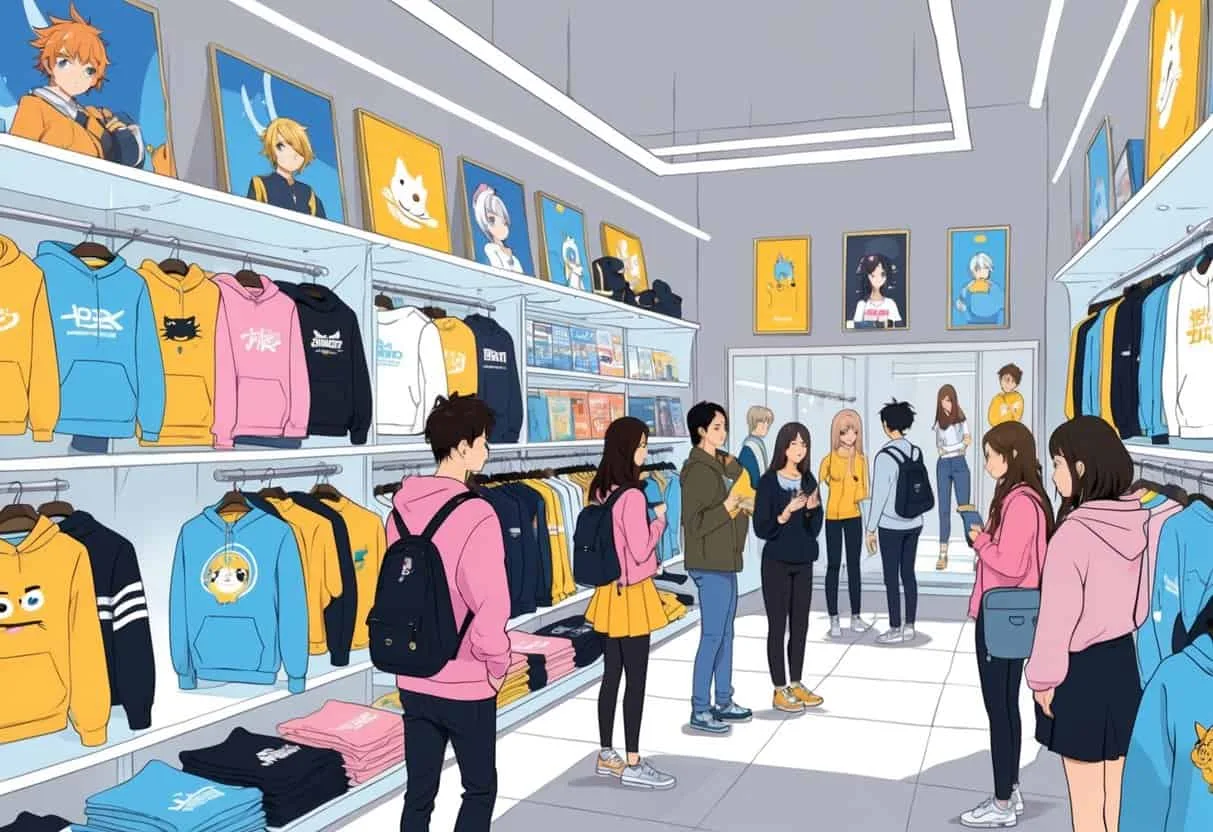
Reliable stores build their reputation on cozy, heavyweight fabrics and prints engineered to survive repeated washing. Whether you’re grabbing a Jujutsu Kaisen hoodie or a vintage-style Cowboy Bebop shirt, the right shop makes all the difference between apparel that becomes a staple and something that ends up at the bottom of a drawer.
This guide breaks down exactly how to spot quality, which stores to trust, and how to shop smarter so you can wear your fandom proudly for years.
Key Takeaways
- Stick with officially licensed clothing for designs that are accurate and built to last.
- Focus on heavyweight fabrics, reinforced stitching, and print methods that bond with the fibers.
- Top vetted retailers include Crunchyroll Store, Atsuko, and Ripple Junction.
- Always verify size charts and return policies—Japanese sizing can run significantly smaller.
- When in doubt, customer photos and detailed reviews reveal far more than official product shots.
- Budget for higher price points: authentic quality starts around $40–$60 for a hoodie and $25–$35 for a tee.
How to Identify High Quality Anime Apparel
Learning to judge fabric weight, print technique, and overall construction before you click “buy” puts you way ahead of the game. A well-crafted anime hoodie or tee should feel substantial, look crisp, and hold its shape no matter how often you wear it. Let’s drill into the specifics that separate premium pieces from fast-fashion knockoffs.
Understanding Fabrics and Construction
Heavyweight cotton or thick cotton-polyester blends are usually your best friends. These fabrics resist stretching, pilling, and the weird see-through effect you get with flimsy materials. A hoodie made from 380gsm to 450gsm fleece, for example, will feel dense and warm, while lightweight 180gsm tees tend to lose their shape quickly and become transparent after a few washes. Look for 200gsm or heavier t-shirts—they drape better and hold prints far longer.
Pay close attention to the stitching. Flatlocked seams and double-needle hems indicate the garment was assembled with care. If you spot loose threads, uneven stitching, or ragged edges on a new item, it’s a red flag for shoddy construction. Turn the garment inside out in your mind—if the seams look messy, it won’t survive many laundry cycles. Quality brands also reinforce stress points like shoulder seams and pocket corners with bar tacks.
Ribbing at the cuffs, collar, and waistband should have good elasticity. Cheap ribbing stretches out permanently, leaving you with droopy sleeves after a few wears. Press the fabric gently; if it feels papery or crunchy, it’s likely low-grade and will irritate your skin. Premium ribbing returns to shape when pulled, and manufacturers often use spandex blends in the ribbing to maintain fit.
Print Application Methods That Last
How the design is applied to the fabric makes all the difference. Screen printing with high-quality plastisol or water-based inks creates a soft, flexible layer that bonds into the fibers rather than sitting on top. A well-printed graphic won’t crack even after dozens of washes. Direct-to-garment (DTG) printing can also look sharp, but only when done on robust fabric with proper curing. DTG prints tend to have a softer hand feel than screen prints, which many people prefer for everyday wear.
Stay away from thick, rubbery transfers that feel like a sticker. These inevitably peel at the edges. If you can feel a distinct ridge around the entire design, it’s a transfer that will degrade quickly. Heat press vinyl (HTV) is sometimes used for names and numbers, but full-color HTV prints often crack and peel. Embroidery, when used for patches or logos, should be dense and tight, not sparse and loopy.
Run your fingers over it—quality embroidery lies flat and smooth with no loose threads underneath.
Legitimate retailers often specify the print method in the product description. If they don’t, it’s worth asking before you commit. Real photos from customers, especially close-ups of the print after washing, give you the clearest picture of durability. Check for images posted six months or a year later—those tell the real story.
Trusting Brand Reputation and Customer Feedback
Stores that have been around for a while and consistently earn positive reviews tend to maintain higher standards. Dig into feedback beyond the star rating: look for mentions of fabric thickness, warmth, and post-wash appearance. If multiple buyers report that a hoodie gets softer with each wash without fading, that’s a winner. If you see complaints about shrinkage, color bleeding, or prints cracking after one wash, steer clear.
Brands like Atsuko and Ripple Junction have built their names on officially licensed, well-made anime gear. They often collaborate directly with studios and employ designers who understand the source material, so the final product feels authentic rather than slapped together. Smaller studios like Hypland also carry licenses for niche series and use premium blanks.
Avoid shops that hide behind vague product descriptions and only show digitally rendered mockups. Real photos, size guides with measurements, and clear return policies signal that the seller stands behind their product. If a store has no return policy or makes it difficult to contact support, treat that as a warning sign. The anime community is vocal—Reddit threads on r/animeclothing, Discord servers dedicated to streetwear, and unboxing videos on YouTube are goldmines for honest assessments. Search for “series name hoodie review” before you buy.
Where to Shop for Authentic Anime Gear
You’ve got options, but not all retailers are created equal. Concentrate your shopping on stores that have direct licensing agreements and a track record of quality. This approach supports the creators and practically guarantees you receive a product that matches its description. Below are three tiers of trusted sources, from official giants to specialty importers.
Official Online Merchandise Stores
The safest starting point is always the official storefronts tied to streaming platforms or primary anime distributors. The Crunchyroll Store carries a vast selection of licensed apparel from franchises like Attack on Titan, Demon Slayer, and Chainsaw Man. Their hoodies often feature heavyweight blends and crisp screen-printed graphics that faithfully reproduce key art. They also regularly run sales during seasonal events and conventions.
Right Stuf Anime, now part of Crunchyroll, historically maintained a solid clothing lineup with careful attention to sizing and fabric weight. The inventory evolves with simulcast seasons, so you can snag gear for the latest shows while they’re still airing. Buying from these sources guarantees that the original artists and studios receive royalties from your purchase. Crunchyroll also offers a membership discount for subscribers, making their gear more affordable.
Another standout is Atsuko, a shop that functions almost like a curated boutique, focusing exclusively on anime apparel and lifestyle products. They hold formal licenses for numerous titles and emphasize premium blanks, meaning the base shirts and hoodies are high-quality before any design touches them. Their customer service is responsive, and the product photos depict real items rather than mockups. Atsuko’s collabs often feature unique art styles that you won’t find on mass-market products.
Specialty Boutiques in Japan and Abroad
If you have the chance to visit Japan in person, neighborhoods like Akihabara in Tokyo and Den Den Town in Osaka are packed with specialty boutiques that carry exclusive apparel. Stores such as Animate (a massive chain for official goods) and smaller independent shops in Harajuku offer limited-run collaborations with Japanese designers. The appeal here is the tactile experience: you can feel the fleece, inspect the embroidery, and try things on before buying. Stores like SuperGroupies produce high-end lifestyle collaborations with anime series, including leather jackets and watches.
Even if a trip isn’t on your calendar, many of these boutiques now ship internationally or partner with proxy buying services. The trade-off is often higher shipping costs and a more complicated returns process, but the pieces you’ll find—artist alley collections, celebration-event exclusives, and region-locked capsule releases—are rarely available elsewhere. Services like Buyee or White Rabbit Express can help you purchase from Japanese-only retailers.
Beyond Japan, some curated boutiques in major cities around the world import officially licensed apparel from these Japanese stores. When shopping locally, ask whether the items are direct imports or licensed reproductions. Direct imports usually carry the same tags and packaging found in Japan, which is a strong quality signal. Stores like Hot Topic and BoxLunch also carry licensed anime tees and hoodies, though quality can vary by batch—stick to their premium lines.
Vetted Marketplaces and Popular Retailers
Large e-commerce platforms can be hit or miss, but certain sellers have built consistent reputations. Ripple Junction, for example, operates as a licensee for many marquee anime properties and distributes through its own site as well as retail chains like Hot Topic and BoxLunch. Their hoodies frequently use ringspun cotton and reactive dyes that resist fading, and they regularly release collections timed with major con appearances. Their licensed designs often include artwork that is exclusive to them.
Tokyo Otaku Mode offers a constantly rotating selection of apparel directly from Japanese manufacturers alongside their own exclusive lines. Because they partner with Japanese brands, their size charts favor smaller frames, but the quality control is generally excellent. They also provide detailed measurements and material breakdowns on each product page. TOM often runs points promotions that can save you money on future purchases.
Platforms like Amazon and eBay host countless resellers, some legitimate and some not. When you spot something you like, verify that the listing clearly states it’s officially licensed, and check the seller’s feedback history for any pattern of complaints about counterfeit goods. Authentic anime apparel almost never ships with a chemical smell or flimsy, misspelled tags. A good rule of thumb: if the price is too good to be true, it’s almost certainly fake.
Smart Buying Tips to Avoid Disappointment
Even with a trusted store, a little cautious preparation will spare you the frustration of receiving something that doesn’t fit or falls apart fast. These habits don’t take long to develop and quickly become second nature. Let’s cover four key areas: sizing, returns, spotting counterfeits, and caring for your gear once you own it.
Decoding Size Charts and International Sizing
Japanese sizing typically runs one to two sizes smaller than US and European equivalents. A Japanese XL may fit like a US medium. Never rely on the S/M/L label alone—always check the exact chest, length, and shoulder measurements in centimeters or inches. Use a cloth measuring tape on a garment you already own that fits well, and compare those numbers directly to the chart provided by the seller.
If a store doesn’t offer a size chart, ask their support team. No answer or a generic “fits true to size” reply without numbers is a good reason to look elsewhere. For unisex cuts, pay attention to how the garment is tailored; some brands design boxier fits that work well for layering, while others aim for a more fitted silhouette. Asian brands, especially from Korea and Japan, often have slimmer arms and shorter torsos. When in doubt, size up if you prefer a looser fit.
Understanding Return and Exchange Policies
Clothing is personal, and mistakes happen. Before you finalize an order, locate the returns page and read the fine print. Some official stores accept returns within 30 days as long as tags remain attached, while smaller Japan-based shops may only offer exchanges for defective items and won’t accept returns for sizing errors. Crunchyroll Store and Atsuko both have straightforward US-based return policies—typically a prepaid return label and refund within two weeks.
Proxy purchases add another layer: the proxy service ships to you, but the originating boutique’s policy still applies. Keep copies of your order confirmation, tracking, and any correspondence. If a store charges a restocking fee or only issues store credit, factor that into your decision, especially for pricier limited edition pieces. Also note international shipping costs—returning a hoodie to Japan may cost $20–30, so measure twice, buy once.
Spotting Licensed vs. Bootleg Products
Licensed apparel always carries official branding, whether that’s a studio copyright notice printed on the tag, a licensing sticker, or a mention on the product page that the design is used with permission. The printing itself will be sharp—no jagged edges, no misaligned layers, and colors that match the original art. Official tags usually include a holographic sticker or a unique serial number for high-end collaborations.
Bootleg merchandise almost always cuts corners. The fabric may be rough and thin, the print blurred or off-register, and the colors slightly off compared to the anime. Subtle details like character eyes or logo text often reveal the difference: look for fuzzy outlines or missing highlights. Price is another tell. A brand-new Demon Slayer hoodie from an unknown seller priced at $18 is highly improbable to be legitimate.
Check the seller’s storefront—if they sell cheap electronics, phone cases, and anime shirts all from the same listing, it’s a red flag.
Reading community reviews on forums or checking unboxing videos helps confirm a seller’s legitimacy. When a shop like Crunchyroll or Atsuko offers a collection, you can be reasonably sure every piece has gone through a licensing approval process. If you’re unsure about an independent retailer, ask them directly to confirm licensing. A trustworthy shop will answer without hesitation and may provide a copy of their licensing agreement.
Caring for Your Anime Apparel to Extend Its Life
Even the best-made hoodie will degrade quickly if you toss it in the dryer on high heat. To preserve prints and fabric, wash your anime gear inside out in cold water, and hang dry whenever possible. If you must use a dryer, choose the lowest heat setting and remove the garment while it’s still slightly damp. Avoid fabric softeners—they coat fibers and can accelerate print peeling.
For embroidered pieces, turn them inside out and wash on a gentle cycle. Never iron directly over a screen print or embroidery; use a pressing cloth or steam from a distance. Store folded rather than hung for heavy hoodies to prevent shoulder stretching. With proper care, a premium anime hoodie should look nearly new after 50 washes, while a budget tee might show wear after 10.
High-quality anime apparel isn’t just about wearing a logo—it’s about wrapping yourself in something that brings the art you love into your daily life, constructed with the same care that anime studios put into their work. When you invest in well-made, officially supported pieces, you’re honoring the creators and building a wardrobe that stays vibrant and comfortable for years. Stick to the stores, techniques, and tips outlined here, and you’ll never settle for a flimsy print again.