Table of Contents
Anime conventions have come a long way from small fan-run gatherings. Today, they attract tens of thousands of attendees who want more than just a chance to buy merchandise—they want an immersive experience built around shared passions, creative expression, and meaningful face‑to‑face connections. A truly successful anime convention doesn’t happen by accident. It grows out of thoughtful planning, sharp logistical execution, and a deep understanding of what the community actually values.
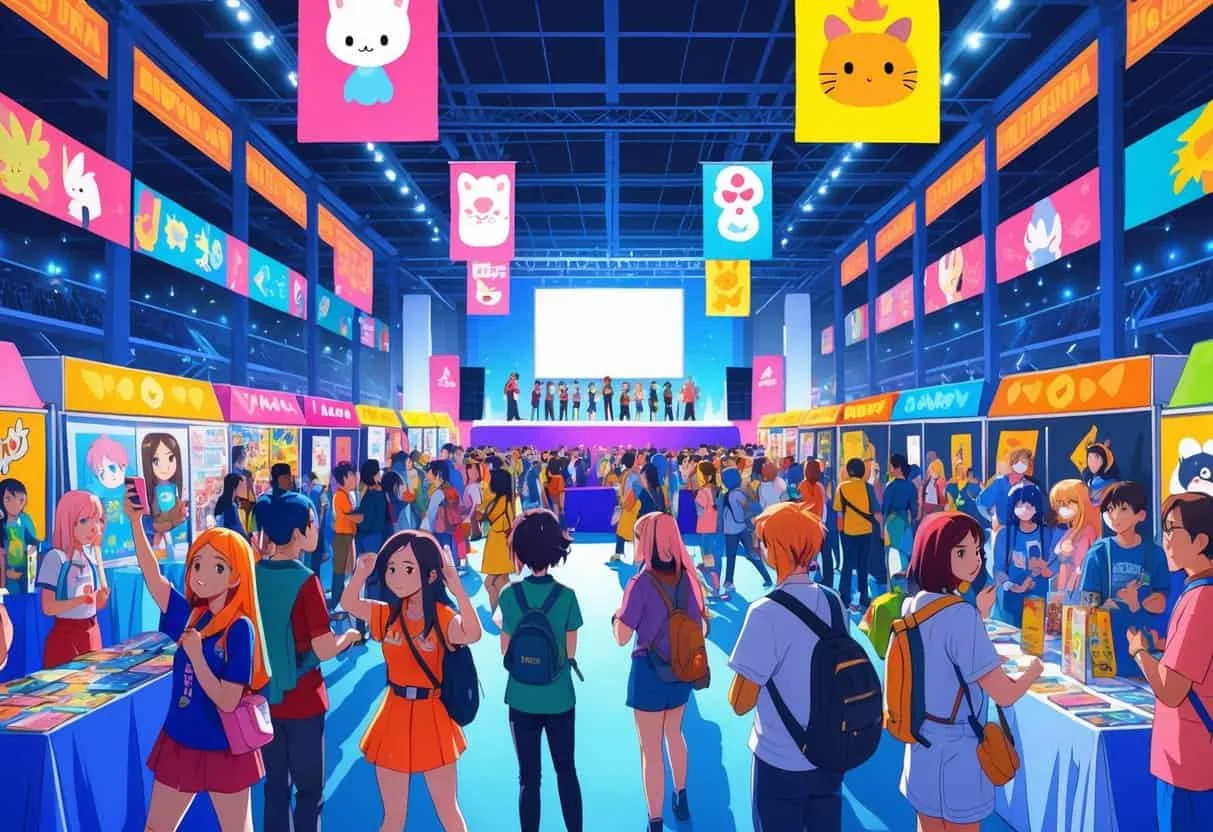
While every event has its own personality, the best ones all share a few non‑negotiable ingredients: frictionless entry, carefully curated programming, a safe and inclusive atmosphere, and a staff that acts like a well‑oiled support team. The following breakdown covers the systems, content choices, and behind‑the‑scenes strategies that separate a one‑time visit from a convention people will return to year after year.
1. Seamless Logistics Are the Invisible Backbone
Frictionless Entry and Intelligent Registration
The attendee experience begins long before anyone steps onto the show floor. If the registration line snakes around the block and takes over an hour to clear, you’ve already lost goodwill that’s hard to regain. Smart conventions lean hard on online pre‑registration and mail‑out badges to shrink on‑site queues. Some even use RFID wristbands or QR‑code badges that let staff scan people in within seconds, cutting lobby congestion dramatically.
Beyond speed, clear wayfinding matters. Physical signage, a well‑designed mobile app, and volunteers stationed at key chokepoints all help attendees navigate the venue without confusion. For massive events held in places like the Walter E. Washington Convention Center, you need separate lanes for pre‑registered badge pickup, on‑site purchase, and special guest check‑in—otherwise the lobby turns into a bottleneck that frustrates everyone. Real‑time attendance dashboards also allow organizers to cap day‑of sales if a particular hall reaches its safe capacity, preventing overcrowding before it becomes a safety issue.
Venue Layout and Crowd Flow
Once inside, the venue itself can make or break the mood. Wide aisles, clearly marked restrooms, and dedicated quiet areas for people who need a sensory break communicate care for the attendee. The best floor plans separate high‑traffic zones—main stage, dealer’s room, artist alley—so that crowds don’t collide. If the autograph area is right next to the concert hall, you’ll see a crush of competing traffic. Instead, many organizers place the artist alley near the cafeteria, give cosplay meetups a dedicated outdoor plaza, and keep panel rooms on a separate floor to dampen noise bleed.
Hydration stations shouldn’t be an afterthought, either. Long days in costume in a warm convention hall make water essential, not optional. Placing water refill stations next to seating areas and near the main exhibit halls keeps energy levels up and reduces the chance of heat‑related incidents. Conventions that also offer a dedicated first‑aid room staffed by trained volunteers show an operational seriousness that families and solo attendees alike appreciate.
Empowered Staff and Volunteer Coordination
You can have the best floor plan in the world, but if the people in the orange safety vests don’t know where the escalator is, the experience falls apart. Staff training must start weeks before the event, with detailed role‑specific briefings and walkthroughs of the venue. Communication loops via radio or a group messaging app keep section leads informed about line lengths, medical situations, or a panel that’s about to spill over.
The most effective conventions assign volunteers to clearly defined zones and pair newcomers with experienced leads. Someone stationed at the dealer’s room entrance should know basic policies on bags and props, while a hallway guide needs to memorize the quickest route to the cosplay repair station. When volunteers feel trusted and equipped, they project a calm confidence that settles anxious attendees. That trust is often what turns a first‑timer into a loyal regular.
2. Programming That Puts Fans First
Panel Curation and Content Diversity
Panels are a promise: if you pack a room with 200 people, you need to deliver something they can’t get by scrolling a Reddit thread. The strongest schedules mix industry insider talks, fan‑led deep dives into niche series, interactive workshops (like genga drawing or prop‑making), and academic‑style discussions on anime as a medium. Scheduling algorithms that avoid pitting two popular panels against each other are table stakes. More advanced teams actively poll their community ahead of time to identify what topics would draw a crowd, then invite the speakers who actually know the material.
Room setup also determines whether people stay engaged. A projector screen that’s washed out by ambient light, or a microphone that cuts in and out, signals that the organizers didn’t test the tech. Simple fixes—blackout curtains, a dedicated AV runner for each track—turn a forgettable session into a highlight. When you deliver four or five panels that people rave about on social media, you’ve created organic marketing that no ad buy can match.
High‑Profile Guests and Voice Actor Experiences
For many attendees, the chance to meet the voice behind their favorite character is the emotional peak of the whole weekend. Managing that demand requires systems, not just star power. The best conventions pre‑sell autograph tickets, set up a virtual queuing system that sends a text when it’s your turn, and place dedicated staff near the signing tables to keep the line moving without making the interaction feel rushed.
Panel appearances with big‑name guests also need crowd‑flow planning. A 2,000‑seat main events hall fills quickly, so some organizers stream the Q&A to overflow rooms or offer a paid priority seating pass that helps offset the guest’s appearance fee without excluding fans on a budget. Guests themselves frequently comment that the conventions they enjoy returning to are the ones where the green room isn’t an afterthought, the schedule builds in real breaks, and the handlers treat them like people, not products. Word of mouth among voice actors travels fast, and a reputation for hospitality inside the industry can help land bigger names year after year. You can see the level of care top‑tier events put into their guest experience by looking at how major conventions like Anime Expo structure their guest‑of‑honor programming.
Embracing Niche Fandoms and New Trends
A successful anime convention doesn’t just chase the latest shonen hit; it makes room for older titles, cult classics, and emerging subcultures. VTuber panels, gacha game meetups, and screenings of 1980s OVAs all attract loyal subgroups who might otherwise feel overlooked. The flip side is making sure the programming grid visibly includes panels that reflect a wide range of identities—LGBTQ‑focused discussions, fan creations from Black and Brown anime fans, and content rooted in the global diaspora of anime popularity. When the schedule mirrors the actual diversity of the fandom, the sense of belonging deepens.
3. The Marketplace: Where Spending Meets Discovery
Curating a Balanced Dealer’s Room
A dealer’s hall that’s just a sea of bootleg keychains and mystery boxes doesn’t hold anyone’s attention for long. The halls that keep people browsing for hours are the ones where you find official Bandai figures next to a vintage cel dealer who can tell you the story behind each piece, a tabletop gaming vendor running demos, and an importer of rare art books from Japan. Variety protects the room from feeling like a swap meet and makes it possible for collectors, casual shoppers, and curious newcomers to all walk away with something that feels special.
Behind the scenes, vendor management takes real work. Clear application deadlines, a published list of prohibited items, and a “no bootleg” policy that’s actually enforced are what separate a professional market from a chaotic free‑for‑all. Some larger conventions even offer mentoring sessions for first‑time vendors, helping them understand table setup, tax compliance, and crowd engagement. When the dealer’s room thrives, a significant chunk of the convention’s operational budget is covered, so it’s in everyone’s interest to make it a destination, not an obligation.
Artist Alley as a Creative Heartbeat
If the dealer’s room is the convention’s commercial engine, the artist alley is its creative soul. This is where you see original prints, hand‑sewn plushies, enamel pins, and mini‑comics that don’t exist anywhere else. The best alleys happen when organizers keep table prices low, give artists a reasonable amount of space, and provide consistent lighting—nothing kills a display faster than a dim corner where colors flatten out.
Application processes that prioritize a lottery or portfolio review over a first‑come‑first‑served rush help maintain quality and give new creators a fair shot. Many artists now plan their entire yearly convention circuit around a few anchor events, so reliable communication about load‑in times, tax forms, and badge policies goes a long way. Resources like the Artist Alley guide on the Anime Expo site highlight the level of detail that dedicated conventions put into supporting independent creators. When you see an artist sell out of a design by Saturday afternoon, you know the convention has successfully connected talent with an eager audience.
4. Community and Cultural Immersion Beyond the Screen
Cosplay, Masquerades, and Social Spaces
Cosplay is often the visual signature of any anime convention. The events that nurture this culture do more than just run a contest on Saturday night. They set up dedicated cosplay repair stations stocked with hot glue guns, safety pins, and sewing kits; they create designated photo backdrops with good lighting; and they schedule official meetup times for specific series so a group of thirty Genshin Impact cosplayers doesn’t accidentally clog a main hallway.
The masquerade itself works best when the rules are transparent and judging criteria weigh craftsmanship separately from performance. Some conventions now split the contest into skill divisions (beginner, journeyman, master) to keep it welcoming for people who built their first foam armor while still celebrating the artisans who’ve invested hundreds of hours. If you’re looking for in‑depth tutorials on costume construction, communities like Cosplay Central offer a wealth of free resources that many convention cosplayers rely on. When photos from the masquerade blow up on social media, that content becomes some of the most persuasive advertising a convention can have.
Celebrating Japanese Culture Responsibly
A well‑rounded convention makes space for cultural experiences that go beyond anime. Tea ceremony demonstrations, calligraphy workshops, screenings of classic kanji‑focused documentaries, and panels on the history of visual kei all deepen appreciation for the context where these stories originated. However, doing this well means collaborating with practitioners who actually hold those traditions, not just pulling off a surface‑level imitation. Partnering with local Japanese cultural organizations, language schools, or even talent flown in from Japan gives the programming authenticity and avoids the kind of stereotyping that can damage a convention’s reputation.
Many attendees say these cultural sessions are the memory that sticks with them longest—sitting cross‑legged on a tatami mat while a kimono instructor explains the layers of meaning in a pattern isn’t something you easily forget. When woven naturally into the schedule, these offerings elevate the entire weekend from a merchandise‑focused event into a genuine festival.
Fan‑Organized Events and Late‑Night Programming
Some of the most vibrant moments at a convention happen after the main exhibit hall closes. AMV (anime music video) competitions pack rooms with cheering fans who’ve been editing for months; formal balls let people dress up and dance to orchestral versions of anime openings; tabletop gaming rooms run Dungeons & Dragons one‑shots into the early morning. The convention’s role here is to provide the space, a basic security presence, and a clear code of conduct while letting the community’s creativity fill in the details.
Good late‑night programming also serves a practical purpose: it spreads out the crowd and gives night‑owl attendees something engaging to do, reducing the chances that the hotel lobby turns into an unplanned party that violates noise policies. The events that become legendary among repeat attendees are almost always the ones the fans themselves helped shape.
5. Entertainment That Electrifies: Music, Guests, and Participation
Live Concerts and Performance Events
A live concert inside a convention hall can be transformational—hearing an anisong artist belt out the opening theme you’ve had on repeat hits differently in a room full of people who know every word. The logistical demands, though, are steep. Sound bleed from other panels, stage load‑in times, and artist rider requirements all need to be locked in months ahead of the show.
The most memorable sets happen when lighting and sound production are given a real budget, not a compromise. Some mid‑size conventions partner with local music festivals or record labels to offset costs while gaining access to bigger acts. If the schedule publishes the setlist in advance, fans can decide where to allocate their limited time, and it creates a buzz on social media that builds anticipation. Arriving early for a concert might mean sacrificing a panel, but when the payoff is a live band performance of a beloved soundtrack, attendees rarely regret the trade.
Interactive Q&A Sessions and Workshops
Q&A sessions with voice actors, directors, or even independent doujinshi artists give fans the kind of direct access that streaming and social media can’t replicate. The best sessions use a moderator who knows the guest’s work and can pivot if the conversation starts dragging. Some conventions now run a hybrid system where fans submit questions via an app, then the moderator selects the most interesting ones. This cuts down on the “what’s your favorite food?” repetition and surfaces genuine insights.
Workshops that get people making something—whether it’s a genga animation cel, a miniature cosplay prop, or a small piece of calligraphy—turn passive attendees into active participants. These hands‑on sessions often sell out within minutes, so creating a fair registration system (like a lottery or a small material fee) helps manage demand and ensures the people who show up are truly interested, not just seat‑filling.
6. Health, Safety, and Communication: The Non‑Negotiable Layer
Health and Safety Measures That Actually Work
Post‑pandemic, the baseline for convention safety has permanently shifted. Masks, improved air filtration, and hand‑sanitizer stations are no longer seen as temporary measures; they’re part of the infrastructure. A clear illness policy that encourages people to stay home if they’re symptomatic, possibly backed by a badge‑rollover option, protects the entire community.
Safety goes beyond health. A visible security presence, well‑lit hallways, and a publicly posted code of conduct that explicitly prohibits harassment give attendees the confidence to relax. Many top‑tier conventions now include a dedicated safety team with conflict‑de‑escalation training who can respond to incidents without immediately involving law enforcement unless absolutely necessary. The Code of Conduct at FanimeCon is a good example of how established events communicate expectations and consequences to the public before anyone walks through the door. When attendees know there’s a system for handling problems, they’re far more likely to report issues early and trust the organizers.
Real‑Time Communication with Attendees
At a large convention, information changes fast. A panel gets moved, an autograph line reaches capacity, or the cosplay contest schedule shifts by ten minutes. If the only way to know this is word of mouth or a printed brochure that’s already outdated, frustration builds. A reliable convention app with push notifications, combined with an active social media presence on Twitter/X and Discord, turns real‑time communication into a stress‑reliever.
The most responsive teams also station “info desk” volunteers at multiple entry points who can answer questions face‑to‑face without needing an app. Public address announcements should be kept to true emergencies, but when the fire alarm goes off or a room change is critical, a clear, calm voice over the PA cuts through the noise. Consistency across all channels builds a reputation for transparency that attendees openly appreciate in post‑con surveys.
7. Beyond Closing Ceremonies: Building a Year‑Round Community
Post‑Con Surveys and Feedback Loops
The convention floor doesn’t close and the work stops; immediately after the event, the most growth‑minded teams send out detailed surveys. Instead of asking generic “how was your experience?” questions, they drill into specifics: wait times at registration, panel room temperature, variety in the dealer’s hall, and the perceived value of the ticket price. Cross‑referencing this data with attendance splits (weekend pass holders vs. single‑day attendees) reveals patterns that can guide next year’s decisions.
Organizers who act on the feedback—perhaps adding a third chill‑out lounge because multiple surveys mentioned overcrowding in the existing ones—signal that they’re listening. That kind of responsiveness is what turns a transactional relationship into a community partnership, and it’s one of the reasons certain conventions have a retention rate of over seventy‑percent year over year.
Sustaining Engagement Between Events
Smart conventions don’t go silent for 355 days. A Discord server that stays active with fan‑run rewatch parties, art challenges, and cosplay progress threads keeps the community warm. A monthly newsletter with early announcements—guest reveals, ticket tier deadlines—makes subscribers feel like insiders rather than customers. Some organizations even spin off smaller one‑day markets or museum‑night events that keep the brand visible and test new programming ideas without the risk of a full‑scale convention.
Measuring Success in Ways That Count
Attendance numbers alone can be deceptive. A convention that sold 40,000 ticket scans but left half its attendees disappointed has a retention problem that will surface the following year. The metrics that matter more are repeat attendee rate, net promoter score, and the sentiment in post‑con Twitter threads and Reddit recaps. Positive vibes online don’t just feel good; they materially affect ticket sales for the next cycle.
Social media reach is another marker. When cosplay photos from your convention get picked up by major outlets or shared thousands of times, that organic exposure far outperforms traditional advertising. It’s a signal that the experience was so compelling people wanted to document it and share it. Watching these metrics over a three‑ or four‑year window shows whether the convention is genuinely improving or just riding a temporary surge of popularity.
The most sustainable anime conventions treat success as a continuous feedback loop: listen to the community, refine operations, reinvest in talent and infrastructure, and never assume last year’s formula will work indefinitely. That loop is what keeps people invested not just as customers, but as co‑creators of an event they genuinely love to call home.