Table of Contents
What Is Shonen Anime? A Complete Introduction
Shonen anime is one of the most widely recognized categories in Japanese animation, yet the term itself often leads to confusion. At its simplest, shonen refers to anime and manga that are primarily created for a young male audience, typically teenagers. The word comes from the Japanese 少年, which translates directly to “boy” or “juvenile.” While many people associate shonen with explosive battles and power-ups, the demographic spans a remarkable variety of storytelling styles — from sports dramas and supernatural mysteries to heartfelt comedies and epic adventures.
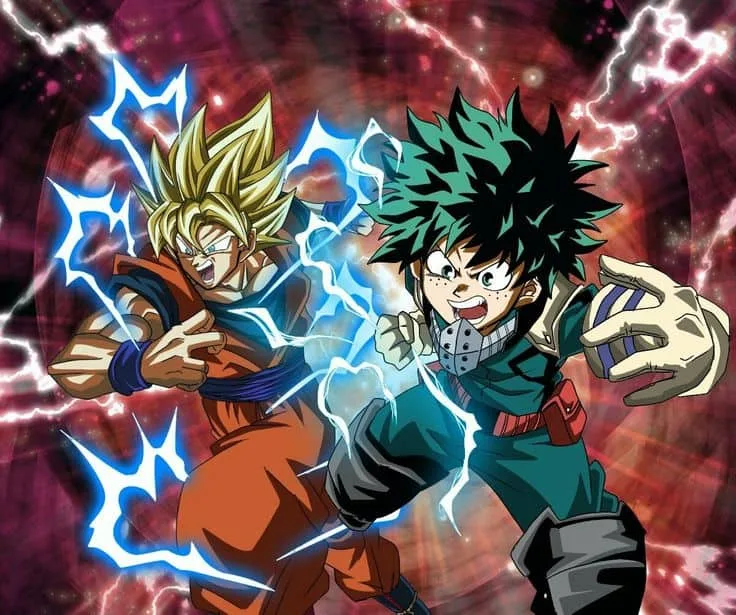
The foundation of shonen lies in its ability to speak to universal growing-up experiences. Protagonists are often ambitious, kind-hearted, and determined to protect others. They embark on journeys that test their limits, forge deep friendships, and challenge corrupted systems. This mix of emotional sincerity and high-energy action has turned franchises like Naruto, Dragon Ball, and One Piece into global phenomena. In this guide, we’ll explore the true meaning of shonen, trace its cultural roots, break down its subgenres, and recommend standout series that define the category.
The Meaning and Kanji Behind ‘Shonen’
The Japanese word 少年 (shōnen) is composed of two characters: 少 (shō) meaning “few” or “little,” and 年 (nen) meaning “year.” Together they literally signify “few years,” a poetic way to describe a young boy. In publishing and media, the term is a demographic label rather than a genre. This distinction matters because it clarifies that shonen is defined by its target audience, not by a fixed set of plot devices. While action and adventure are common, the only true requirement is that the story resonates with adolescent boys.
The use of “shonen” as a marketing label began to crystallize in the early 20th century alongside the rise of Japanese magazines aimed at young readers. Publishers realized that boys were hungry for stories of courage, invention, and discovery. Over time, this demographic became so influential that entire manga magazines — most famously Weekly Shonen Jump — were built around serving that readership. Today, although shonen content is enjoyed by viewers of all ages and genders, its narrative core remains deeply tied to the coming-of-age experience.
The History of Shonen Manga and Anime
Early Pioneers: Astro Boy and the Post-War Boom
The roots of modern shonen can be traced back to the work of Osamu Tezuka, often called the “God of Manga.” His 1952 series Astro Boy (Mighty Atom) introduced a young robot hero fighting for justice in a world divided between humans and machines. Tezuka’s cinematic paneling, emotional depth, and willingness to address mature themes set the template for what would become the shonen spirit. Around the same time, other creators like Fujiko F. Fujio (the duo behind Doraemon) blended everyday school life with whimsical sci-fi gadgets, proving that shonen could be gentle and humorous as well as action-packed.
As television spread in Japan during the 1960s and 70s, anime adaptations of popular manga like Speed Racer and Dragon Ball fueled an explosion of shonen popularity. These shows brought larger-than-life battles, training arcs, and tournament structures into homes worldwide, solidifying the visual language fans still love today.
The Rise of Weekly Shonen Jump
No discussion of shonen is complete without understanding the impact of Weekly Shonen Jump. First published by Shueisha in 1968, the magazine introduced a revolutionary approach: it ran reader surveys to decide which series survived, creating a fiercely competitive environment that rewarded immediate engagement. The result was a string of era-defining hits — Fist of the North Star, Dragon Ball, Slam Dunk, One Piece, Naruto, and Bleach — each pushing the boundaries of what shonen could be. These series established core pillars like friendship, perseverance, and victory that still echo in modern works.
The magazine’s success also demonstrated that shonen could adapt to cultural shifts. Where early series focused on pure muscle and martial arts, later hits like Death Note and The Promised Neverland leaned into psychological tension, proving that teen boys could be captivated by intellectual battles and moral dilemmas just as much as by fistfights.
Shonen vs. Other Demographic Categories
Because shonen is a demographic label, it helps to compare it with other manga and anime categories that target different audiences. This contextualizes why certain storytelling choices are made and why a series like Your Lie in April (which focuses on music and romance) is classified as shonen despite having no combat whatsoever.
How Shonen Differs from Shoujo, Seinen, and Josei
- Shonen (少年) – Aimed at teenage boys. Typical themes: adventure, friendship, self-improvement, and competition. While action is common, sports, cooking, and school life stories also thrive here.
- Shoujo (少女) – Targeted at young girls. Emphasises romance, relationships, and emotional growth. Series like Fruits Basket and Sailor Moon often feature intricate inner worlds and stronger focus on interpersonal drama.
- Seinen (青年) – Aimed at adult men, typically 18–40. Content may include more complex politics, graphic violence, and psychological depth. Berserk, Vinland Saga, and Monster are prime examples.
- Josei (女性) – Targeted at adult women. Portrays realistic romance and life struggles. Nana and Paradise Kiss explore adult relationships with nuance rarely found in shoujo.
The boundaries are not rigid. Many anime fans are surprised to learn that Attack on Titan was originally published in a shonen magazine because of its heavy darkness and political themes. Ultimately, the demographic label tells you where the story was serialized, not the full scope of what it contains.
Core Themes and Subgenres of Shonen Anime
Although shonen cannot be reduced to a single formula, certain motifs appear again and again. Understanding these pillars helps explain why the category feels recognizable even when it spans completely different worlds.
Action-Adventure
This is the most visible face of shonen. Series like Dragon Ball, Naruto, and One Piece send their protagonists across vast lands, searching for treasure, strength, or identity. The “tournament arc” is a staple that turns combat into a character-driven mini-drama. Fights serve not just as spectacle but as a way to express the hero’s evolution, both physically and emotionally.
Friendship and Teamwork
The Japanese concept of nakama (close companions) is central to shonen storytelling. In My Hero Academia, class 1-A’s collective growth is just as important as Deku’s individual power-ups. Conflicts are often resolved not by overpowering the enemy alone but by trusting allies. This emphasis on bonds gives the action emotional weight and reinforces the idea that no one becomes strong in isolation.
Sports
Sports anime represents one of the most beloved shonen subgenres. Haikyuu!! treats volleyball with the same intensity and strategic buildup as a battle series. Kuroko’s Basketball uses superpower-like techniques to make matches unpredictable. These shows capture the thrill of training, the sting of defeat, and the joy of shared victory, making them accessible even to viewers who have never played the sport.
Fantasy and Supernatural
Many shonen stories lean heavily into imaginative worlds. Bleach introduces Soul Reapers and hollows, Demon Slayer pits swordsmen against man-eating demons, and Jujutsu Kaisen blends modern urban settings with ancient curses. These fantastical elements provide a canvas for exploring life, death, and morality through metaphor while delivering visually stunning battles.
Comedy
Humor is a vital component that prevents high-stakes stories from becoming oppressive. One Punch Man parodies typical shonen tropes by having an overwhelmingly strong hero who is bored with his lack of challenge. The contrast between Saitama’s deadpan expression and the villains’ grandiose speeches creates a unique comedic rhythm that still manages to deliver impressive action sequences.
The Role of ‘Weekly Shonen Jump’ and Other Magazines
Weekly Shonen Jump remains the most famous vehicle for shonen manga, but it’s not alone. Weekly Shonen Magazine (Kodansha) and Weekly Shonen Sunday (Shogakukan) also have rich histories. Magazine (Kodansha) brought us Fairy Tail and The Seven Deadly Sins, while Sunday is known for Inuyasha and Magi. Each magazine has its own editorial flavor, influencing the tone of the series it publishes.
Anime studios frequently adapt manga from these magazines once they’ve built a substantial following. The synergy between print magazines and animation studios creates a feedback loop: popular manga boosts magazine sales, the anime reaches a global audience, and both forms fuel merchandise and movies. This ecosystem explains why shonen titles often run for hundreds of episodes and spawn feature films, video games, and even stage plays.
Top Shonen Anime Series to Watch (Updated for 2024)
These five series, all originally published in shonen magazines, represent the incredible range of the demographic. They are widely regarded as essential viewing for fans old and new.
1. Fullmetal Alchemist: Brotherhood
Regarded by many as the pinnacle of shonen storytelling, this series follows brothers Edward and Alphonse Elric in a world governed by the law of equivalent exchange. After a failed attempt to resurrect their mother costs Ed his limbs and Al his entire body, the two become State Alchemists searching for the fabled Philosopher’s Stone. What sets Fullmetal Alchemist: Brotherhood apart is its tight pacing, morally complex antagonists, and a resonant conclusion that ties every thread together. No filler, no wasted scenes — just a masterclass in shonen fantasy.
2. Attack on Titan
When colossal humanoid creatures breach the walls protecting humanity, Eren Yeager vows to exterminate every last Titan. Attack on Titan evolves from a survival horror into a sweeping political thriller that questions the nature of freedom, the cycle of hatred, and the price of truth. Published in Kodansha’s monthly Bessatsu Shonen Magazine, it pushes the demographic’s boundaries with its unflinching brutality and complex narrative. The anime’s stunning animation by Wit Studio and later MAPPA keeps every ODM gear maneuver breathtaking.
3. One Piece
Eiichiro Oda’s monumental tale of Monkey D. Luffy and his quest for the ultimate treasure has been running since 1997 and shows no signs of slowing. One Piece builds a world so vast and interconnected that each new island feels like its own self-contained saga. Beneath the rubber-limbed fights and goofy humor lies a powerful emotional core that tackles oppression, racism, and found family. With over a thousand episodes and a celebrated live-action adaptation, it remains the best-selling manga in history for good reason.
4. Frieren: Beyond Journey’s End
A more recent phenomenon that has already earned masterpiece status, Frieren: Beyond Journey’s End begins after the Demon King has been defeated. The elven mage Frieren, who has an extremely long lifespan, must come to terms with the fleeting nature of her human companions. As she retraces the steps of her former party with new young allies, the series delivers a quiet, introspective take on what it means to honour a memory. Published in Weekly Shonen Sunday, it proves that shonen can be meditative, tender, and deeply philosophical without sacrificing adventure.
5. Hunter x Hunter
Yoshihiro Togashi’s Hunter x Hunter (2011 adaptation) is a constant subversion of shonen expectation. Young Gon Freecss leaves his home to pass the grueling Hunter Exam and find his father. What follows is a journey through increasingly sophisticated arcs — from a mafia auction to a fully realized video game world and finally a biological nightmare known as the Chimera Ant arc. The Nen power system is arguably the most intricate in anime, turning every fight into a chess match of strategy and sacrifice. The series is celebrated for its willingness to let characters fail, change, and sometimes walk away from the story entirely.
Why Shonen Remains a Global Phenomenon
Shonen endures because it captures a universal rhythm of growth: struggle, failure, learning, and triumph. The best series understand that the real battle is internal. Luffy may stretch his arms, but what keeps fans invested is his unwavering belief in his crew. Gon may punch above his weight class, but his story is really about staying human in a world that tests your humanity. The archetypal shonen hero is not the strongest at the start — they are simply the one who refuses to give up.
The accessibility of shonen stories also plays a huge role. Animated with dynamic direction, scored with bombastic soundtracks, and often released with official dubs and subtitles simultaneously, modern shonen connects with audiences across continents. Streaming platforms like Crunchyroll and Netflix have made it easier than ever to dive into a new world. And as newcomers discover the older classics alongside current hits like Jujutsu Kaisen and Chainsaw Man, the shonen tradition continues to evolve without losing its core appeal. For more anime recommendations and deep dives, visit Anime Papa.