Table of Contents
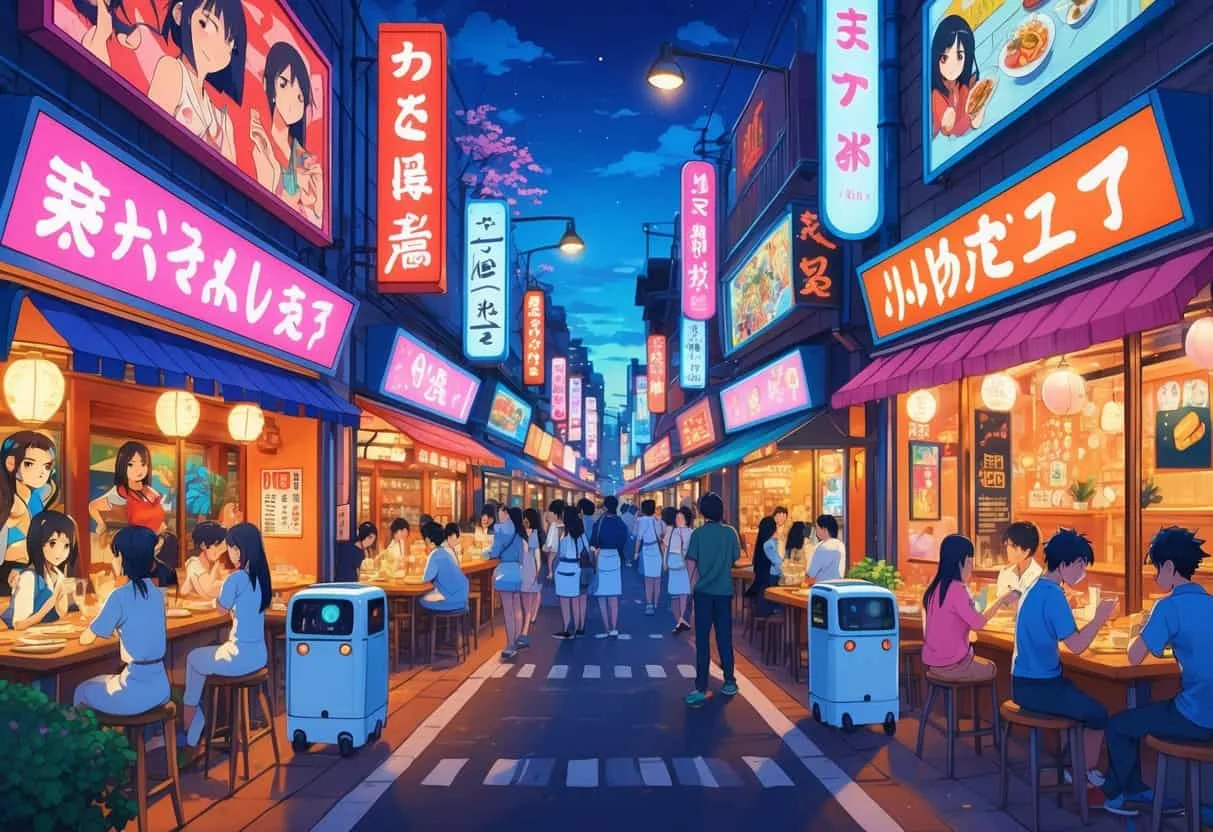
In the past decade, dining out has morphed into something far more theatrical. A steaming bowl of ramen, a slice of strawberry shortcake, or a simple bento box can now transport you straight into the frames of your favorite anime series. Anime-inspired restaurants are flourishing in cities from Tokyo to Paris, Los Angeles to Singapore, blending culinary craft with fandom culture in ways that traditional eateries never attempted. These spaces go well beyond novelty: they offer an immersive, multi-sensory journey that mirrors the emotional pull of the shows themselves.
The appeal isn't limited to hardcore fans. Anime has become a global entertainment juggernaut, and its aesthetic spills into food presentation, interior design, music, and even the way staff interact with diners. What drives this movement is a hunger for experiences that feel both personal and shared—meals that double as storytelling, places where the line between fiction and the dinner table dissolves. Walk into one of these establishments, and you're not just a customer; you're a character in a living episode.
This article explores how anime-themed restaurants have evolved from niche cafes in Akihabara to worldwide phenomena. We'll examine the cultural forces behind their rise, the signature details that make them unforgettable, and the community dynamics that turn a simple meal into a pilgrimage. Along the way, we'll look at how media, marketing, and technology are shaping the future of anime dining.
Key Takeaways
- Anime-inspired restaurants create fully immersive environments that merge food, decor, and storytelling.
- These venues draw from iconic series such as Dragon Ball, Naruto, and Studio Ghibli films to design menus and atmosphere.
- The trend has expanded globally, fueled by streaming services, social media, and a surge in anime tourism.
- Collaborations with studios and creators elevate the experience, offering exclusive merchandise and limited-time events.
- Technology like AR menus and themed pop-ups is pushing anime dining toward ever more interactive territory.
The Global Surge of Anime-Inspired Restaurants
Anime-inspired dining is no longer a fringe curiosity. The past five years alone have seen a dramatic increase in the number of permanent and pop-up restaurants designed entirely around animation, manga, and Japanese pop culture. Industry reports from the Japan National Tourism Organization note a growing trend of “seichi junrei,” or fan pilgrimages, to real-life locations featured in or associated with anime—including cafes and restaurants that serve as gathering points. This surge mirrors anime's ascent into mainstream entertainment and the public’s increasing appetite for themed experiences that transcend a typical meal.
The phenomenon taps into a deep cultural fascination with Japanese food and the visual storytelling that anime does so well. Dishes are crafted not just for taste but for Instagram, for fandom, and for the emotional resonance of seeing a beloved character’s favorite snack brought to life. The result is a dining scene that feels simultaneously global and distinctly Japanese.
The Influence of Japanese Culture and Cuisine
Japanese cuisine itself is a central character in many anime series, and themed restaurants seize on that authenticity. Ramen shops modeled after the Naruto universe often serve miso pork ramen in bowls that look identical to the ones Ichiraku dishes out to the title ninja. Sushi platters at a One Piece café might be arranged to resemble the Going Merry, while a Studio Ghibli-inspired bakery recreates the legendary herring and pumpkin pie from Kiki’s Delivery Service. This meticulous attention to culinary detail roots the fantasy in genuine Japanese food traditions.
Beyond specific dishes, the presentation matches the anime aesthetic: rice molded into character shapes, colorful sauces that mimic magical attacks, and bento boxes packed with carefully arranged ingredients that mirror a show’s color palette. The synergy between anime and washoku (traditional Japanese cuisine) isn’t accidental—it reflects the country’s broader cultural emphasis on seasonality, artistry, and balance. Even drinks get the anime treatment, with lattes etched with character faces and cocktails named after signature moves.
Rise of Anime as a Cultural Phenomenon
Anime has evolved from a niche subculture into a global mainstream force. Massive conventions like Anime Expo in Los Angeles draw over 100,000 attendees, and streaming platforms such as Crunchyroll and Netflix report hundreds of millions of hours of anime watched annually. This cultural saturation means that fans want to extend their passion into the physical world. Anime-themed restaurants offer that bridge: a chance to eat “Pikachu pancakes” at the Pokémon Café or sip a “Senkō” cocktail inspired by Demon Slayer. The emotional attachment to these fictional universes makes the food more than sustenance—it becomes a form of participation.
The phenomenon isn’t limited to younger audiences. Millennials who grew up with Sailor Moon and Dragon Ball Z now have the disposable income to seek out these locations on vacations or date nights. Families with children are drawn to the whimsical designs of Studio Ghibli cafes. The result is a multigenerational customer base that sustains these businesses far beyond a short-term novelty cycle.
Expansion Beyond Japan
For years, anime-themed dining was synonymous with Tokyo’s Akihabara district. That’s no longer the case. Cities around the world now boast their own versions, often blending local flavors with Japanese sensibilities. In Los Angeles, a ramen shop might host weekly anime screening nights with cosplay servers, while Paris is home to Kawaii cafés serving matcha crepes under the gaze of life-sized manga figures. Singapore’s Pokémon Café (mirroring its Tokyo counterpart) regularly sells out months in advance, proving the demand extends deep into Southeast Asia.
Streaming services have been a primary catalyst. As anime libraries expand globally, so does the desire to taste the worlds depicted on screen. Social media amplifies this further: a viral TikTok of a Gundam-themed latte or a Totoro cream puff instantly inspires others to seek out the experience. The combination of easy access to anime content and the allure of shareable dining moments has turned themed restaurants from a local Japanese specialty into a worldwide culinary movement.
Signature Elements of Anime-Themed Dining Experiences
What sets an anime restaurant apart from a standard Japanese eatery with some wall art is the thoroughness of its world-building. Every sensory detail is orchestrated to reinforce the narrative. From the moment you walk in, the lighting, soundtrack, and even the menu design are aligned with a specific anime universe. This commitment to immersion is what transforms a meal into a memorable event, and it’s the reason fans are willing to travel across continents just to snag a reservation.
Popular Anime and Manga Themes
The most successful anime restaurants anchor themselves to beloved franchises. The Gundam Café in Akihabara, for example, patterns its interior after a space battleship, complete with cockpit-style seating and video screens playing iconic mobile suit battles. Its menu includes “Neo Zeon Curry” and “Haro Cake,” directly referencing characters and factions. Similarly, the Ghibli Museum Café offers strawberry cream cakes that echo the gentle, nostalgic aesthetic of Hayao Miyazaki’s films.
Series like Dragon Ball lend themselves to high-energy environments with vibrant orange and blue decor, while Attack on Titan pop-ups often feature towering wall motifs and military-style ration trays. Even older classics like Astro Boy inspire retro-futuristic cafes where metallic furnishings and old-school manga panels create a timeless vibe. These thematic choices aren't arbitrary; they attract the show's core demographic and set the emotional tone before the first dish arrives.
Anime-Inspired Menus and Dishes
The menu is where creativity soars. A Naruto-themed restaurant will almost certainly feature a ramen lineup, but the real draw is the "Nine-Tails Fox" spicy miso bowl or a dessert that mimics the swirl of Rasengan. At the Sailor Moon Crystal Café, pastries are shaped like crescent moons, and drinks change color to replicate magical transformations. In the One Piece Baratie Café, dishes are named after the Straw Hat crew, and a massive chocolate “treasure chest” is shared among tables.
Beyond individual dishes, many restaurants offer course meals that tell a story. A five-course Demon Slayer dinner might begin with a water-breathing salad (soba noodles in a blue-tinted broth) and end with a fiery red-bean dessert representing Tanjiro's sun breathing technique. The textures and temperatures are deliberately chosen to evoke the show’s emotional beats. Even beverages are part of the narrative: a “Kamehameha” blue energy drink arrives with popping boba that imitate energy balls, while a My Hero Academia café might serve a “Plus Ultra” protein shake.
Themed Decor and Interactive Environments
Interiors are designed to pull you into the anime frame. At the Eorzea Café (based on Final Fantasy XIV), retractable wall panels shift to display different city-states, and staff wear guild uniforms. In some venues, robotic arms or projection mapping simulate special moves, and augmented reality apps let you see characters sitting across the table. It’s this blending of physical and digital immersion that sets modern anime dining apart from earlier theme restaurants.
Weekly events deepen the engagement. Cosplay nights encourage guests to dress as their favorite characters, while karaoke corners let diners belt out opening themes. Occasionally, voice actors make appearances for signing sessions or live readings, turning a dinner service into a mini convention. The restaurant becomes a community hub where shared fandom is celebrated, not just consumed.
Community, Fandom, and Commercial Impact
At their heart, anime-themed restaurants are social spaces. They thrive on the passion of fans and the sense of belonging they foster. For many, visiting these locations is less about the food and more about connecting with others who speak the same language of anime references. This communal aspect has significant commercial power, driving repeat visits, merchandise sales, and even tourism to entire neighborhoods.
Engagement with Anime Fans and Otaku
The most loyal customers are often self-identified otaku, individuals deeply invested in anime and manga culture. These restaurants cater to them by offering intricate lore tie-ins: a hidden menu for those who know a secret phrase from the show, or a loyalty card that stamps you with a chibi sticker after each visit. Staff members often study the anime to answer trivia or roleplay as characters, making each interaction feel personally curated.
Online communities amplify this engagement. Dedicated subreddits and Discord servers discuss upcoming menu rotations, share photos, and even coordinate group visits. Restaurants actively participate by teasing special collabs on social media, driving anticipation and creating a sense of exclusivity. The result is a self-sustaining cycle of hype that keeps these venues buzzing long after their opening weeks.
Merchandise, Workshops, and Events
Beyond the plate, anime restaurants are retail hubs. Limited-edition merchandise—acrylic stands, clear files, keychains, and even replica dishware—is often only available at the physical location. A Gundam Café exclusive mug or a Sailor Moon Café tote bag becomes a collector’s item, driving fans to spend far beyond the cost of the meal. Some venues also offer DIY workshops, such as manga drawing classes or onigiri shaping lessons themed around the anime, turning a visit into a half-day experience.
Special events are the crown jewel. Seasonal pop-ups tied to movie releases, Halloween horror nights, and Valentine’s Day themed dinners with exclusive “confession” cards for characters all create urgency. A Jujutsu Kaisen pop-up might host a simulated cursed-energy challenge using augmented reality, while a Spy x Family café could hold a “Family Feud” game show. These events generate massive social media coverage, attracting both local fans and tourists.
Tourism and Pilgrimage to Real-Life Locations
Japan’s anime tourism industry has boomed in recent years, with entire towns branding themselves as “homes” of certain series. Restaurants play a central role. The Pokémon Café inside the Pokémon Center DX in Nihonbashi has become a must-visit for international travelers, while the ramen district of Yokohama sees Attack on Titan pop-ups that mimic the walled city. These locations become pilgrimage sites where fans can take photos that mirror anime scenes, often sharing them with hashtags that connect a global community.
This phenomenon extends abroad. Anime conventions in the U.S. and Europe frequently feature official pop-up cafes from Japanese brands, drawing massive crowds. The economic ripple effect is significant: hotels, transport, and nearby attractions all benefit from the influx of fans. It’s a form of cultural tourism that blurs the line between fiction and reality, turning a meal into a travel milestone.
Media, Marketing, and the Future of Anime Dining
The success of anime-themed restaurants is inextricably linked to media exposure and savvy marketing. Social platforms act as free amplifiers, while formal collaborations with production committees ensure authenticity. Looking ahead, technology will play an even larger role, pushing the boundaries of what it means to “dine inside an anime.”
Role of Social Media and Streaming Services
Instagram and TikTok have become the primary discovery engines for anime dining. A beautifully plated “Totoro cream puff” or a drink that fizzes with dry ice smoke is practically designed to go viral. Influencers and fan accounts post detailed reviews, often tagging the restaurant’s official handle, which in turn fuels a constant stream of user-generated content. This organic marketing is highly effective, especially when paired with limited-time offerings that create a fear of missing out.
Streaming giants like Crunchyroll and Netflix play a subtle but powerful role. When a new season of Demon Slayer drops and trends worldwide, anime cafes see a corresponding spike in interest. Some services even partner directly with restaurants to promote shows: a Crunchyroll-branded event at a Los Angeles ramen shop might include free streaming subscriptions with a combo meal. This synergy between content and dining strengthens fan loyalty and introduces the restaurant model to new audiences.
Collaborations with Anime Creators and Studios
Official collaborations elevate a restaurant from a themed concept to a legitimate extension of the anime property. Studios like Toei Animation, Shueisha, and Studio Ghibli have strict guidelines for how their characters and worlds can be used, ensuring that the food, decor, and overall experience align with the original vision. These partnerships often result in menus designed by the anime’s own chefs, tableware featuring art from the series, and exclusive voice lines played through the restaurant’s speakers.
Limited-time collaborations are especially powerful. When a Demon Slayer: Mugen Train café opened in Tokyo for the movie’s release, it featured a Flame Hashira bento box and a train-themed dessert cart. The buzz drove massive foot traffic and sold-out reservations for months. For the studio, it’s an additional revenue stream and a marketing tool; for the restaurant, it’s guaranteed press and a surge of dedicated customers.
Evolution of the Dining Experience
The future of anime dining is interactive and tech-driven. Projection mapping can transform tabletops into battlefields as you eat, and VR headsets might allow you to dine alongside digital characters in real time. Some experimental venues already use holographic displays to project anime figures that react to your menu choices, creating a personalized narrative arc. Augmented reality apps layered over a physical plate can trigger animations, sound effects, or even mini-games that unlock secret menu items.
Immersive storytelling will continue to deepen. Instead of a stationary theme, restaurants may build entire storylines that unfold across multiple visits, with diners playing roles and collecting digital badges. The line between dinner theater and role-playing game will blur. As 5G and wearable tech become ubiquitous, the experience could follow you home: a recipe kit that lets you cook a dish while a virtual character guides you, or a subscription box that recreates the restaurant’s ambiance via scent diffusers and curated playlists.
Ultimately, anime-themed dining is a testament to how deeply entertainment can permeate everyday life. By weaving food, technology, and fandom into a single fabric, these restaurants create something more than a meal—they craft a memory that lingers long after the last bite. And as anime continues to captivate audiences worldwide, the table is set for even more creative and boundary-pushing dining adventures.