Table of Contents
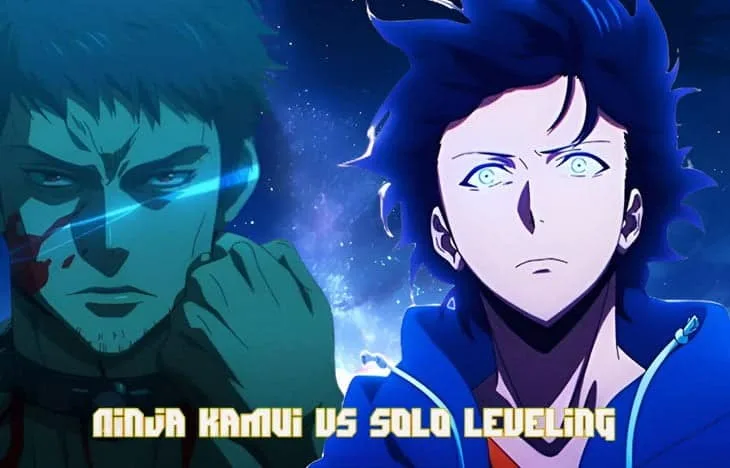
The 2024 anime season delivered two breakout hits that ignited fierce debate among fans: Ninja Kamui and Solo Leveling. Both series smashed expectations, shattered streaming records, and accumulated colossal fanbases within just a few episodes. But when it comes to choosing which one deserves your precious binge time, the answer isn’t straightforward. One serves a razor-sharp tale of ninja vengeance wrapped in a cyberpunk package; the other powers up an underdog hunter into an unstoppable force in a world teeming with monsters. This in-depth comparison examines plot, characters, animation, audience reception, and overall staying power to determine which anime takes the crown.
The Narrative Worlds – Plot Breakdown
At their core, both stories follow protagonists who are forced to confront overwhelming odds after personal tragedy. Yet the tone, setting, and narrative machinery diverge dramatically.
Ninja Kamui: A Tale of Vengeance and Ninja Lore
Ninja Kamui thrusts viewers into the life of Higan, a former ninja who abandoned his clan to build a quiet existence in rural America under the pseudonym Joe Logan. That peaceful life shatters when assassins from his old organization punish his betrayal by murdering his wife and son. Consumed by grief and rage, Higan sheds his civilian identity and reclaims the ancient ninja arts, wielding a high-tech exosuit known as the Kamui gear. The story becomes a gripping revenge thriller with strong underpinnings of Japanese folklore, where ancient techniques collide with bleeding-edge technology.
The plot doesn’t simply rely on nonstop action; it weaves a complex web of clan politics, lost honor, and the cost of breaking free from a ruthless system. Higan’s journey is as much psychological as it is physical, exploring themes of identity, redemption, and the inescapable pull of one’s origins. Each episode peels back layers of conspiracy, revealing that the clan’s reach extends far beyond what Higan ever imagined. With tight pacing and minimal filler, Ninja Kamui delivers a lean, noir-tinged narrative that keeps tensions high throughout its run.
Solo Leveling: From Weakest to World’s Strongest
Based on the wildly popular Korean webtoon, Solo Leveling introduces a world where mysterious gates spawn dungeons filled with lethal monsters, and only awakened humans called "hunters" can fight them. The protagonist, Sung Jin-Woo, is infamously known as the "World’s Weakest Hunter," barely scraping by on low-rank missions. His fortunes change dramatically when he barely survives a deadly double-dungeon trap and is chosen by a cryptic "System" that grants him a unique ability: he can level up endlessly through solo missions, and those he kills become his shadows – loyal, ever-growing minions.
From that point, the plot transforms into a power fantasy of epic proportions. Jin-Woo evolves from a fragile E-rank hunter into a being of godlike strength, uncovering the secrets behind the dungeons and the true nature of his powers. The narrative expertly balances relentless action with world-building, teasing a larger mythos involving monarchs and rulers. While the progression loop is reminiscent of RPG mechanics, the story manages to inject genuine stakes and emotional heft, especially as Jin-Woo shoulders the burden of protecting those he cares about. The result is a breathless ascent from zero to hero that hooks viewers with sheer momentum.
Plot Comparison: Which Story Hooks You More?
Both anime offer compelling premises, but they cater to different appetites. Ninja Kamui unfolds like a tightly wound thriller, rooted in personal tragedy and gritty realism (sci-fi ninja tech aside). Its conflict is intimate, focused on one man’s quest for vengeance against a shadowy clan. In contrast, Solo Leveling embraces a sprawling fantasy ecosystem with life-or-death stakes on a global scale, where the protagonist literally reshapes the balance of power. If you prefer grounded, emotionally charged espionage with explosive choreography, Ninja Kamui might pull you in harder.
But for those who love watching an underdog become an unstoppable force through sheer grit and a game-like system, Solo Leveling’s larger-than-life narrative is incredibly addictive.
Character Depth and Development
A show lives and dies by its characters. Here, both series bring distinct personalities and arcs to the table, though their approaches to development vary significantly.
Protagonists – Higan vs. Sung Jin-Woo
Joe Higan (Ninja Kamui) is a man defined by loss. He isn’t a rising hero; he’s a broken veteran forced out of retirement. His skills are already top-tier at the start, so the drama comes from his internal struggle and tactical brilliance rather than a power climb. Higan’s stoic exterior hides a torrent of pain, and his ability to switch between a caring father’s memory and a cold-blooded executioner makes for a layered performance. He represents the tragic veteran archetype, weighed down by the consequences of his past actions.
By comparison, Sung Jin-Woo begins as the ultimate underdog – timid, frail, and perpetually at death’s door. His transformation into a confident, borderline cold powerhouse is the spine of the series. Jin-Woo’s growth isn’t just physical; his personality shifts from desperate survivalist to a calculating leader who understands the weight of his newfound power. This gradual evolution creates a satisfying arc where every level gained feels earned. While Higan’s journey is about reclaiming his humanity, Jin-Woo’s is about discovering what it means to be strong enough to protect others – a classic but expertly executed trajectory.
Supporting Cast Dynamics
Ninja Kamui enriches its world with a robust supporting cast. Mike Moriss, a detective with a personal history tied to Higan, serves as a moral foil and narrative bridge into the clan’s activities stateside. Emma Samanda operates in the gray zone, sometimes ally and sometimes obstacle, adding layers of intrigue. Mari and Joseph, old contacts from Higan’s past, ground the high-tech ninja action with genuine human relationships. Each character brings their own agenda, and the web of loyalties and betrayals keeps the drama taut.
In Solo Leveling, the spotlight remains fixed on Jin-Woo, but the supporting players aren’t window dressing. Cha Hae-In, an S-rank hunter and skilled swordswoman, develops a unique connection to Jin-Woo that hints at deeper plot threads. Thomas Andre, America’s top hunter, embodies the larger global hierarchy that Jin-Woo eventually challenges. The shadow soldiers themselves, particularly loyal allies like Igris and Iron, evolve from mindless minions into characters with distinct quirks. While the overall focus is overwhelmingly on the protagonist, these supporting elements help flesh out a world where everyone is striving to survive in a broken system.
Why Characters Matter
The characters in Ninja Kamui are deeply entangled in ninja history, displaying a spectrum of moral complexities that reflect the show’s dark tone. Their motivations are often personal and messy, which makes for compelling drama. In contrast, Solo Leveling presents a more straightforward heroic cast, with clear power rankings and defined roles that appeal to fans of progression fantasy. Both approaches succeed on their own terms, but if you lean toward personal, morally ambiguous storytelling, Ninja Kamui may resonate more. If you prefer a protagonist whose ascent feels like a triumphant march, Solo Leveling delivers that in spades.
Animation Style and Visual Spectacle
Modern anime are judged heavily by their visual execution, and these two titles showcase remarkably different but equally impressive styles.
Ninja Kamui’s Dark Aesthetic
Directed by Sunghoo Park (who also helmed Jujutsu Kaisen Season 1), Ninja Kamui boasts a sleek, almost cinematic presentation. The character designs are razor-sharp, with hard lines that emphasize the gritty, mature tone. Environments shift from rustic rural America to neon-lit urban labyrinths, and the animation leverages heavy shadows and stark lighting to create a constant sense of menace. Action sequences stand out for their integration of technology – the Kamui suits allow for fluid, almost supernatural movements while retaining a tangible weight. The choreography blends traditional ninja techniques (shuriken, stealth kills) with augmented reality interfaces and explosive gadgetry, making every fight a visual treat.
Solo Leveling’s Fluid Action
Produced by A-1 Pictures, Solo Leveling arrives with crisp, vibrant animation that faithfully captures the webtoon’s dynamic panels. The studio is known for high production values, and it shows in the fluidity of the dungeon battles and the mesmerizing "shadow extraction" sequences. Jin-Woo’s evolution is visually marked by increasingly elaborate combat scenes, where his shadow army sweeps across the battlefield with synchronized devastation. The monster designs are menacing and diverse, and the use of color – especially the purples and blacks of the system’s interface – lends a distinct visual identity. While the show doesn’t experiment with stark arthouse stylization, its execution of fast-paced, large-scale brawls is undeniably top-tier.
Which Animation Stands Out?
Both studios deliver exceptional work. Ninja Kamui leans into a polished, mature aesthetic with standout direction that elevates each assassination attempt or forest ambush into a carefully framed set piece. Solo Leveling counters with lush, high-energy spectacle that makes the power fantasy tangible. If forced to choose, one could argue that Solo Leveling’s expansive battle visuals and the sheer scale of its monster encounters give it a slight edge in pure "wow" factor, while Ninja Kamui maintains a more consistent artistic tone. Ultimately, the animation preference hinges on whether you prefer sleek, moody ninja action or bright, epic dungeon warfare.
Audience Reception and Critical Acclaim
Numbers and chatter often reveal which series penetrates mainstream consciousness more effectively.
Ratings and Review Aggregators
On MyAnimeList, Ninja Kamui holds a solid score around 7.6 out of 10, reflecting appreciation for its distinct take on the ninja genre and its unflinching tone. Meanwhile, Solo Leveling (the anime adaptation) boasts an impressive 8.5 rating, buoyed by a massive pre-existing webtoon fanbase and near-flawless execution of beloved source material. Over at Rotten Tomatoes, audience reviews for Ninja Kamui often cite its cinematography and intense pacing, while Solo Leveling garners widespread praise for its exhilarating rise-from-nothing arc.
Social Media Buzz and Community Engagement
Search trends and social platforms indicate a clear edge in global interest for Solo Leveling. Web chatter on X (formerly Twitter), Reddit, and TikTok frequently places Jin-Woo at the center of meme culture and heated power-scaling debates. The shadow army reveal episodes alone spawned thousands of clips. Ninja Kamui, while highly respected, operates in a slightly more niche space – its adult-oriented storytelling and shorter episode count generate a dedicated but smaller community. That said, both series have cultivated passionate cores who eagerly await new installments and dissect every frame for hidden details.
Which Anime Should You Watch? The Final Verdict
Declaring one definitively "better" oversimplifies what these shows set out to achieve. Ninja Kamui excels as a tightly constructed, emotionally charged revenge saga with a sleek, mature edge. It’s perfect for viewers seeking a single-season thrill ride that doesn’t overstay its welcome and leans heavily on atmosphere and character-driven conflict. On the other hand, Solo Leveling offers a sprawling, immensely satisfying power fantasy with rich lore that stretches beyond a single cour. Its inspirational core and jaw-dropping action sequences position it as a long-term phenomenon with broader appeal.
If you value a darker, introspective tale anchored by a hardened veteran, start with Ninja Kamui. If you crave an epic odyssey where the protagonist grows from zero to legend with every episode, Solo Leveling will likely become your next obsession. The safest recommendation is to watch both – each fills a different craving and together they showcase the impressive diversity of modern anime. But if you can only pick one right now, the edge in sustained engagement, visual spectacle, and cultural footprint currently tilts toward Solo Leveling. That said, your personal taste is the ultimate decider; no review can substitute for experiencing these stories firsthand.
Frequently Asked Questions
Is Ninja Kamui only available on Adult Swim?
While Ninja Kamui premiered on Adult Swim’s Toonami block, it is also accessible on Max (the streaming service) and can be purchased through platforms like Amazon Prime Video. Availability may vary by region.
Is Ninja Kamui available on Max?
Yes. Max streams episodes of Ninja Kamui, making it a convenient option for those who prefer the service.
Who wrote Ninja Kamui?
Ninja Kamui was created and written by Shigeru Murakoshi, with production by Sola Entertainment and E&H Production. The series was directed by Sunghoo Park, known for his work on Jujutsu Kaisen.
What manhwa is similar to Solo Leveling?
Fans of Solo Leveling often enjoy manhwa such as "Player Who Can’t Level Up," "I’m the Max-Level Newbie," and "I Stole the First Ranker’s Soul." These titles share the progression fantasy and hunter/game-system elements that made Solo Leveling so popular.
What is the original name of Solo Leveling?
The original Korean title of Solo Leveling is “나 혼자만 레벨업” (Na Honjaman Rebeleop), which translates directly to "I Alone Level Up."
Who is animating Solo Leveling?
The anime adaptation of Solo Leveling is animated by A-1 Pictures, the studio behind acclaimed series like Sword Art Online and Kaguya-sama: Love Is War. The production values reflect their extensive experience in high-quality fantasy animation.