Table of Contents
Anime figures aren’t just toys—they can be rare collectibles that sell for jaw-dropping amounts. The most valuable anime figures ever sold have reached prices of over $200,000, with items like life-sized statues and limited-edition gold figures leading the way. This isn’t a new trend either; the market for premium anime collectibles has been heating up for over a decade, fueled by a global fanbase that treats these figures as both art and investment. From meticulously sculpted 1/4 scale statues to convention-exclusive Nendoroids, the top end of the hobby can rival fine art in both price and passion.
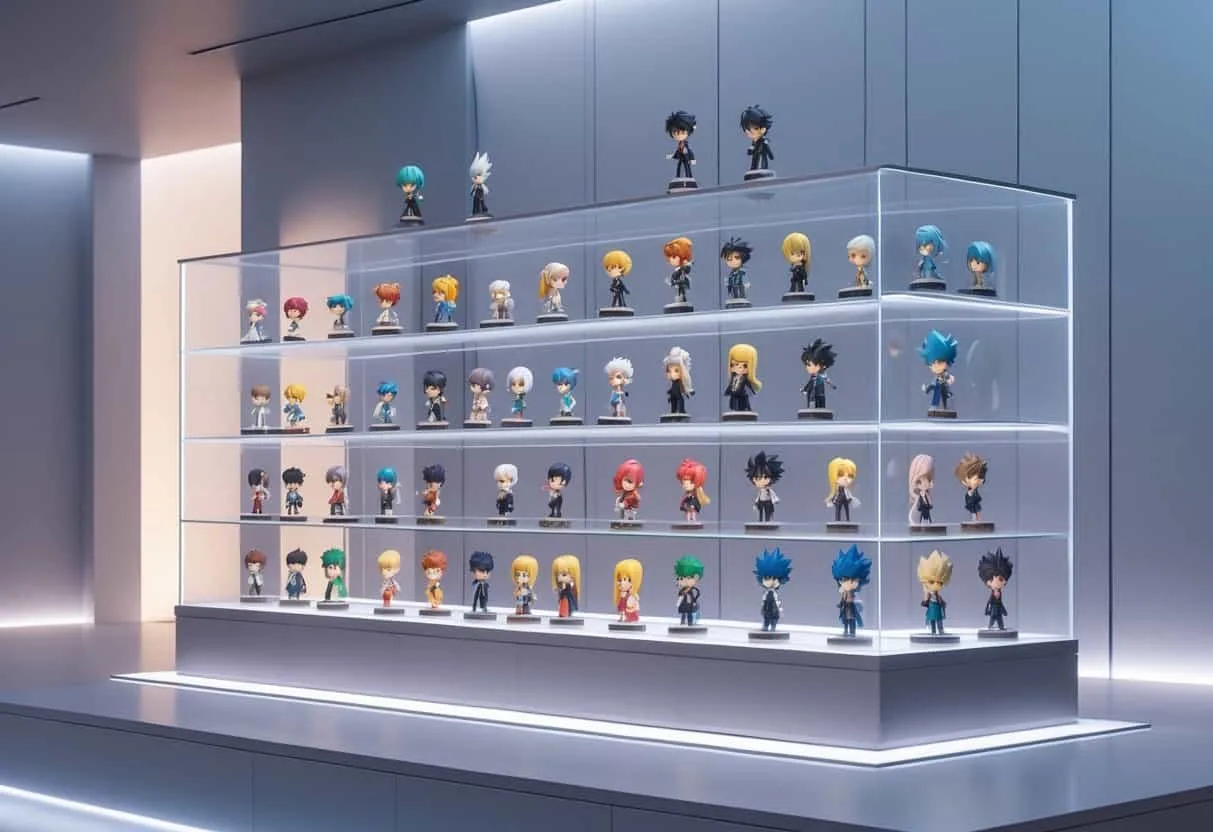
If you collect or just find anime figures intriguing, it’s good to know what actually drives their worth. Limited runs, exclusive designs, and links to major anime series often make certain figures hot commodities. As the market keeps growing, prices for top figures seem to climb higher every year. Some figures from famous series or special editions can become prized assets for collectors, with values that easily outpace traditional collectibles like rare coins or stamps. Whether you’re a seasoned collector or a newcomer, understanding the forces behind these record-breaking sales can help you spot the next grail piece before it enters the six-figure club.
Key Takeaways
- Some anime figures have sold for prices over $200,000, with life-size statues and solid gold variants shattering expectations.
- Rarity, pristine condition, and a direct connection to a beloved series are the three pillars that boost a figure’s value.
- The anime figure market continues to expand, driven by international streaming, collector communities, and an ever-growing roster of iconic characters.
- Careful handling, proper storage, and authentication are crucial for preserving long-term value.
- Regional differences and the rise of online platforms have transformed how rare figures are bought, sold, and verified.
Record-Breaking Anime Figures Sold at Auction
Anime figures can fetch wild prices when they hit the auction block. Some pieces stand out for their size, rarity, or ties to beloved series. Collectors often battle it out, driving prices to levels that sometimes don’t even seem real. Major auction houses have taken notice, and dedicated anime art and collectible sales now attract international bidders willing to spend six figures on a single lot.
Most Expensive Anime Figures Ever Auctioned
A handful of anime figures have crossed into six-figure territory. A life-sized Gundam statue, for example, sold for over $200,000 at a Japanese auction, making headlines as one of the most expensive mecha collectibles ever. This 1:1 RX-78-2 Gundam commanded 28 million yen thanks to its immense size, official Bandai licensing, and the franchise’s legendary status. There’s also the gold Monkey D. Luffy figure from One Piece, a solid gold 24K statue that went for a similarly staggering seven-figure sum in yen when it was released as part of the series’ milestone celebrations. The biggest sale on record for an anime figure, however, might be a life-sized Neon Genesis Evangelion figure of Rei Ayanami, which reportedly sold through private channels for an undisclosed but widely rumored mid-six-figure amount.
These massive statues grab attention thanks to their scale, detail, and the emotional pull of the characters themselves. If you’re after extreme value, rare, limited edition, or life-sized collectibles are where it’s at.
Famous Sales Featuring Iconic Characters
Iconic characters like Super Saiyan Goku from Dragon Ball Z and Nami from One Piece have starred in top auctions. Figures of these favorites tend to attract huge fan bases, which pushes up prices. The Naruto Shippuden: Sage of the Six Paths Naruto Uzumaki statue is another standout. Prime 1 Studio made this piece, and it’s considered one of the most valuable on the market, often selling for well over $1,500 in the aftermarket thanks to its stunning presence and limited availability. Beyond shonen juggernauts, characters from classic shojo series like Sailor Moon have also seen impressive auction results.
A 1990s Bandai deluxe Sailor Moon figure in sealed box recently fetched nearly $8,000, proving that nostalgia and pristine packaging can ignite bidding wars just as fiercely as brand-new releases. Even figures from cult hits like Cowboy Bebop and Trigun have posted shocking numbers when rare garage kits or manufacturer prototypes hit the block. Each sale reinforces that the story behind the figure, not just the figure itself, is what captures collectors’ imagination.
Noteworthy Auction Houses and Platforms
Some auction houses have really made a name for themselves with anime figure sales. Heritage Auctions, for instance, is known for high-value anime and Studio Ghibli items. Their dedicated anime art auctions have seen individual cels and figures sell for tens of thousands of dollars, with total events bringing in millions. They’ve hosted events where collectors have spent immense sums on anime art and figures, legitimizing the hobby as a serious asset class. Online platforms play a role too, though usually at lower price points. eBay remains a popular venue, but for the biggest sales, specialized auction events focused on collectible art and anime culture—like those run by Sotheby’s or Phillips in collaboration with Japanese pop culture experts—tend to draw the highest bids.
Live-streamed auctions with simultaneous phone and internet bidding have made it possible for international collectors to compete on equal footing, which has only intensified the global hunt for grail pieces.
What Makes Anime Figures Highly Valuable
A figure’s value depends on a few key things. Rarity, condition, and the skill that went into making it all matter. These factors come together to create demand and push up prices, but the formula for a truly valuable piece often involves intangible elements like fan sentiment, cultural significance, and even the reputation of the sculptor who brought the character to life.
Rarity and Limited Editions
Rarity is probably the biggest reason a figure becomes valuable. Items made in small numbers, or only for a short window, are especially sought after. Limited edition releases often have unique features—alternate colorways, metallic paint finishes, exclusive accessories, or deluxe bases—that make them stand out from mass-market versions. Figures tied to major manga or anime series become even more valuable when they’re rare. If you collect something from a mega-hit show, scarcity can send prices soaring.
Some companies, like Banpresto, release rare prize figures that weren’t intended for retail sale, while online retailers such as AmiAmi offer exclusive pre-order bonuses that create instant rarities. Both types can end up as prized collector items simply because not many people have them. Special anniversary releases, like the solid gold Luffy, or prototypes that were never meant to leave the studio, function like holy grails—items that define a collection and can command astronomical sums when they finally surface.
Impact of Pristine Condition and Packaging
Condition is a huge deal. Pristine means no scratches, paint errors, or broken bits. You’ll want to keep your figure looking as close to new as possible. Collectors pay a premium for figures that look untouched, and small flaws like a faded paint application, a missing finger, or a loose joint can cut a figure’s value by half or more. Packaging matters, too.
Original, unopened boxes protect the figure and prove it’s authentic. Sealed boxes usually fetch higher prices than opened or damaged ones, especially for vintage items where the packaging itself is a piece of nostalgia. Sometimes the box art, designed by the same illustrators who worked on the series, becomes a collector’s item on its own. Collectors want to know the item is preserved just as it left the factory, and that often means looking for figures that have never been displayed or even exposed to ambient light.
Significance of Craftsmanship and Manufacturers
Craftsmanship is about detail and build quality. Well-made figures with sharp paint jobs and fine sculpting really show off the maker’s skill. High craftsmanship adds to a figure’s appeal and helps it last longer. Some manufacturers have great reputations, which can bump up a figure’s value. Trusted names like Good Smile Company, Kotobukiya, and Alter are known for consistent quality and meticulous engineering.
Many collectors specifically seek figures from these brands because they know the paint won’t fade easily and the sculpt will capture the character’s spirit down to the smallest eyelash. Prime 1 Studio and First 4 Figures push the envelope further with museum-quality statues that blur the line between figure and fine art. A figure’s perceived value often rises when it’s the work of a celebrated sculptor—like the legendary Akihiro Enku, known for his dynamic Dragon Ball pieces—because buyers feel they’re acquiring a piece of the artist’s legacy.
Professional Grading and Authentication
In recent years, professional grading services have entered the anime figure space, bringing a new level of trust to high-stakes transactions. Organizations like the Action Figure Authority (AFA) offer third-party grading for figures, encapsulating them in a tamper-proof acrylic case with a numerical score that rates condition, packaging, and authenticity. A figure that earns a high AFA grade—say 85 or above—can command a substantial premium because it eliminates doubt about hidden defects. This practice, long standard in the comic book and trading card worlds, is slowly reshaping how top-tier anime collectibles are bought and sold. As the market matures, a graded figure from a respected service can be the difference between a cautious bidder and a confident buyer willing to pay top dollar.
Most Sought-After Anime Figure Series
Some anime figure collections just stand out because of their popularity, character detail, and rarity. Classic series and iconic characters pretty much rule the market. Limited runs and exclusive events only add to their demand—and their price tags. The most sought-after series create ecosystems where even minor characters can become valuable when produced in small numbers.
Dragon Ball and Dragon Ball Z Collectibles
If you’re into collecting, Dragon Ball and Dragon Ball Z figures are almost essential. Characters like Goku, Vegeta, and Frieza are everywhere. High-quality figures capture those signature moves and dramatic poses that fans love. Some of the most wanted figures include Super Saiyan forms and battle-damaged versions, especially when they replicate pivotal moments from the anime. Limited editions, such as the "Son Goku Ultra Instinct" statue by Tsume or the "Legend of Saiyan" diorama by Ichibansho, have sold for thousands of dollars shortly after release.
Dragon Ball figures usually hold or go up in value because the series seems to have an eternal global fanbase that spans generations. Even figures released decades ago, like the 1990s Irwin Toys action figures, can fetch surprising amounts when found sealed.
One Piece Character Figures
One Piece figures are super popular, especially for characters like Luffy, Nami, Sanji, and Usopp. Figures from important arcs or special editions—like the aforementioned gold versions—can command high prices. Scale and detail matter, too. Big 1/4 scale figures, like the God Enel by Tsume, bring dramatic presence and routinely enter four-figure price territory. MegaHouse’s Portrait of Pirates line has become a cornerstone of many collections, with early releases now selling for vastly more than their original retail.
The rarer versions, such as event-exclusive repaints or lottery prize variants, can really become the star of a display. Fans of One Piece often look for exclusive or high-quality pieces to upgrade their investments, knowing that as the series winds toward its finale, interest in milestone figures is only expected to grow.
Neon Genesis Evangelion Icons
Evangelion figures feature big names like Shinji and Rei, along with the towering Eva units. Collectors look for pieces that capture the series’ psychologically charged atmosphere and the intricate mechanical design of the Evangelions. Special releases—think anniversary editions or figures with detailed armor and weapon sets—are especially popular. The Real Action Heroes line by Medicom and the high-end statues by Oniri Creations have become holy grails for many fans. Evangelion helped define the look of modern anime, so its figures are often viewed as art objects rather than simple merchandise.
That reputation definitely boosts their market value, and even smaller-scale items like the Robot Spirits Eva figures now trade at multiples of their original price when they’re the right version.
Vintage and Cult-Classic Figures
Beyond the mainstream heavyweights, a vibrant secondary market exists for figures from older or cult-classic series. Original Sailor Moon Irwin and Bandai dolls from the 1990s, Cardcaptor Sakura garage kits, and Cowboy Bebop resin statues have all seen values climb as nostalgic adults rediscover the shows of their youth. Figures from the original Astro Boy run or limited-edition Akira vinyls are considered blue-chip collectibles. The scarcity of official merchandise from these older series means that any surviving pieces in good condition can trigger intense interest whenever they appear on the market. Collectors who specialize in these lines often form tight-knit communities that alert each other to rare listings, making competition fierce and sales prices unpredictable.
Factors Shaping the Anime Figure Market Today
The anime figure market is shaped by a mix of things—different figure types, how collectors branch out, and the ever-changing popularity of anime and manga. Knowing a bit about these can help you make smarter choices, whether you’re buying for love or potential profit.
Types of Anime Figures and Accessories
Anime figures come in all shapes and sizes, each with its own appeal. Prize figures are usually affordable and often won in arcades—fun, but not as detailed. Action figures have movable parts, so you can pose them however you like. That’s great if you enjoy switching things up. Then there are scale figures, which are more expensive and fixed in place, but they show off incredible sculpting and paintwork.
High-end statues can reach 1/4 or even 1/2 scale, becoming centerpiece displays that command thousands of dollars. Accessories like apparel and art books sometimes come bundled with limited collections. These extras add value since they’re often exclusive to the set. Condition counts for a lot. Mint figures in original boxes almost always fetch higher prices.
It’s worth paying attention to these details when you’re buying or selling.
Nendoroids, Figmas, and Collectible Lines
Nendoroids and Figmas have carved out their own spot in the market by offering something different. Nendoroids are small, chibi-style figures with oversized heads and bright colors. They come with interchangeable faces and hands, so you can change up their expressions or actions. That’s a big part of their charm. Some Nendoroids, especially those from limited-run collaborations or bundled with exclusive faceplates, have seen aftermarket prices jump well past $200.
Figmas are smaller, posable figures with lots of joints for creative posing. They’re usually based on popular anime characters and come with accessories like weapons or effects. Both types let you mix and match, so you can personalize your display. You can even combine figures from different series, which keeps things interesting and drives up demand. Limited production runs for both lines mean that missing out on a pre-order often means paying a premium later, a scenario that fuels the speculator side of the hobby.
Influence of Manga and Anime Popularity
The popularity of a particular anime or manga series can really shake up the value and demand for related figures. If a show has a loyal fanbase or some kind of cult status, official merchandise tends to get rare—and yeah, expensive. Fans chasing figures from lesser-known series like Elfen Lied might notice there’s just not much out there. That scarcity can drive prices up for the few official products that exist. When a new anime blows up, figure production usually spikes right alongside it.
But honestly, it’s the figures from those long-running, tried-and-true series that seem to hold or even gain value as the years go by. It’s probably worth paying attention to which series have die-hard followers. That little bit of insight could help you guess where demand’s headed. Limited edition or exclusive releases—especially those tied to big anime events or anniversaries—can totally mess with prices, too.
Limited Pre-Orders and the Aftermarket Economy
The modern anime figure market is built on the pre-order model. Manufacturers announce a figure, open pre-orders for a narrow window, and then produce just enough to fill those orders plus a small buffer. This system means that once pre-orders close, the only way to get certain figures is the aftermarket. Highly desired statues can double or triple in price within months of release. Scalpers often exploit this by ordering multiples and reselling at inflated prices, creating a volatile environment for collectors who miss the initial window.
Exclusive figures sold only at events like Wonder Festival or through limited online lotteries add another layer of scarcity, making them instant targets for resellers and desperate fans alike. Understanding how pre-order windows work is essential if you want to avoid paying a heavy aftermarket premium.
Social Media and Unboxing Culture
Social media platforms and unboxing videos have become major drivers of value and demand. A figure that goes viral on TikTok or Instagram can see its aftermarket price spike as new collectors rush to buy. YouTube reviewers with large followings can single-handedly influence which figures become “must-haves.” Ephemeral trends can create short-term bubbles, but more often, sustained exposure builds lasting awareness. Photogenic figures with striking bases or intricate details tend to perform best in this environment, and manufacturers now often design statues with the “shareability” factor in mind.
While this can make the market feel trend-driven, it also means that beautifully crafted figures gain recognition faster than ever, rewarding those who spot quality early.
Preserving Value Through Proper Care
Owning a valuable anime figure is one thing; keeping it in a condition that maintains or grows its worth is another. Proper storage and display are essential, and many long-time collectors develop a regimen that would rival museum curation.
Display and Environmental Control
Direct sunlight is a figure’s worst enemy—UV rays can fade paint and yellow plastic over time. Use display cases with UV-filtering glass or acrylic and keep them away from windows. Temperature and humidity fluctuations can also wreak havoc, causing materials to warp or paint to crack. A climate-controlled room with stable temperature (around 68-72°F) and moderate humidity (40-50%) is ideal. Many serious collectors invest in glass-fronted curio cabinets with built-in LED lighting that generates no heat.
Avoid placing figures near vents, radiators, or in attics and basements that experience extreme temperature swings. Even something as simple as rotating displayed figures periodically can prevent permanent leaning or stress on joints.
Handling and Cleaning
Always handle figures by the base or sturdier parts of the sculpture, not by the limbs or head. Oils from your skin can eventually degrade paint and leave fingerprints. When dusting, use a soft makeup brush or a can of compressed air to avoid scratching delicate surfaces. For deeper cleaning, a lightly damp microfiber cloth can be used, but avoid cleaning solutions that might react with the paint. If a figure has never been opened, resist the temptation to unbox it unless you intend to display it permanently—a sealed box is a significant value booster.
Should you choose to display it, keep the box and all packaging inserts in climate-controlled storage, because the original box can add hundreds—or even thousands—of dollars to resale value. Communities like Reddit’s r/AnimeFigures are full of detailed advice on best practices for long-term care, and many collectors share their own custom display solutions that balance aesthetics with preservation.
Navigating the Secondary Market and Authentication
As the market for high-end anime figures grows, so does the risk of counterfeits and scams. Knowing how to verify authenticity and buy safely is just as important as spotting a good deal.
Bootleg figures are rampant, especially for popular lines like Nendoroids and prize figures. Counterfeits often use lower-quality plastic, messy paint, and packaging with misspelled logos or blurry artwork. Good Smile Company provides detailed guides on how to spot fake Nendoroids and Figmas, comparing real and counterfeit packaging, joint color, and paint applications. When buying on platforms like eBay or Mercari, always check seller ratings, look for photos of the actual item (not stock images), and be wary of prices that seem too good to be true. For high-value items, request additional photos with the date and seller’s username to prove they have the piece in hand.
Using a middleman or proxy service for Japanese auctions can also reduce risk, as many of these services inspect items before forwarding them to you. Third-party grading, as mentioned earlier, provides another layer of security, though it remains less common for figures than for other collectibles. Whenever you’re spending more than a few hundred dollars, doing your homework pays off.
Regional Market Differences
The anime figure market isn’t uniform—it varies dramatically by region, and understanding these differences can open up opportunities to find rare pieces at better prices.
In Japan, the hobby is embedded in everyday culture, with entire districts like Akihabara dedicated to selling new and pre-owned figures. Stores like Mandarake operate vast second-hand networks, offering everything from bargain prize figures to grail-status limited editions. Japanese collectors tend to value condition obsessively, so figures sold as “used” in Japan are often indistinguishable from new to Western eyes. Exclusives released only at Japanese events or through local lotteries rarely make it to overseas retailers, making proxies and personal connections essential for international collectors.
In North America and Europe, the market is more fragmented but growing fast. Domestic retailers like Crunchyroll and Big Bad Toy Store carry a wide range, but they often receive stock weeks or months after Japan, and by that time the most sought-after items may already be sold out. Conventions like Anime Expo or Comic-Con frequently host exclusive figure drops, creating intense lines and feeding a local aftermarket that can be even pricier than Japan’s due to scarcity. European collectors often face higher shipping costs and VAT, pushing them toward group orders or regional communities that share import costs. Learning to navigate these regional quirks can be the difference between paying a fair price and getting priced out of a dream figure.
The Future of Anime Figure Collecting
Looking ahead, several trends hint at where the market is heading. The global anime audience continues to swell, driven by streaming platforms making shows accessible everywhere. This broader audience translates directly into more demand for figures, especially as new series like Demon Slayer and Jujutsu Kaisen spawn enormous merchandise lines that often achieve grail status within a year. Manufacturers are experimenting with new materials and production techniques, such as advanced 3D sculpting and UV-resin printing, which allow for even more intricate details and durable finishes. Sustainability is also beginning to enter the conversation, with some companies exploring eco-friendly packaging and recyclable materials, though this hasn’t yet directly affected collector value.
The line between physical and digital collectibles is also blurring, with some manufacturers offering companion NFTs or digital certificates of authenticity, but the tangible nature of a beautifully crafted figure is likely to remain the core of the hobby. For collectors, the key takeaway is that this market is maturing but still full of opportunity. By staying informed about series popularity, pre-order schedules, authentication methods, and preservation best practices, you can build a collection that not only brings joy but also holds—and maybe even grows—its financial value over time. Whether your grail is a life-sized Gundam or a humble Nendoroid from a beloved show, the anime figure world continues to prove that passion and value often go hand in hand.