Table of Contents
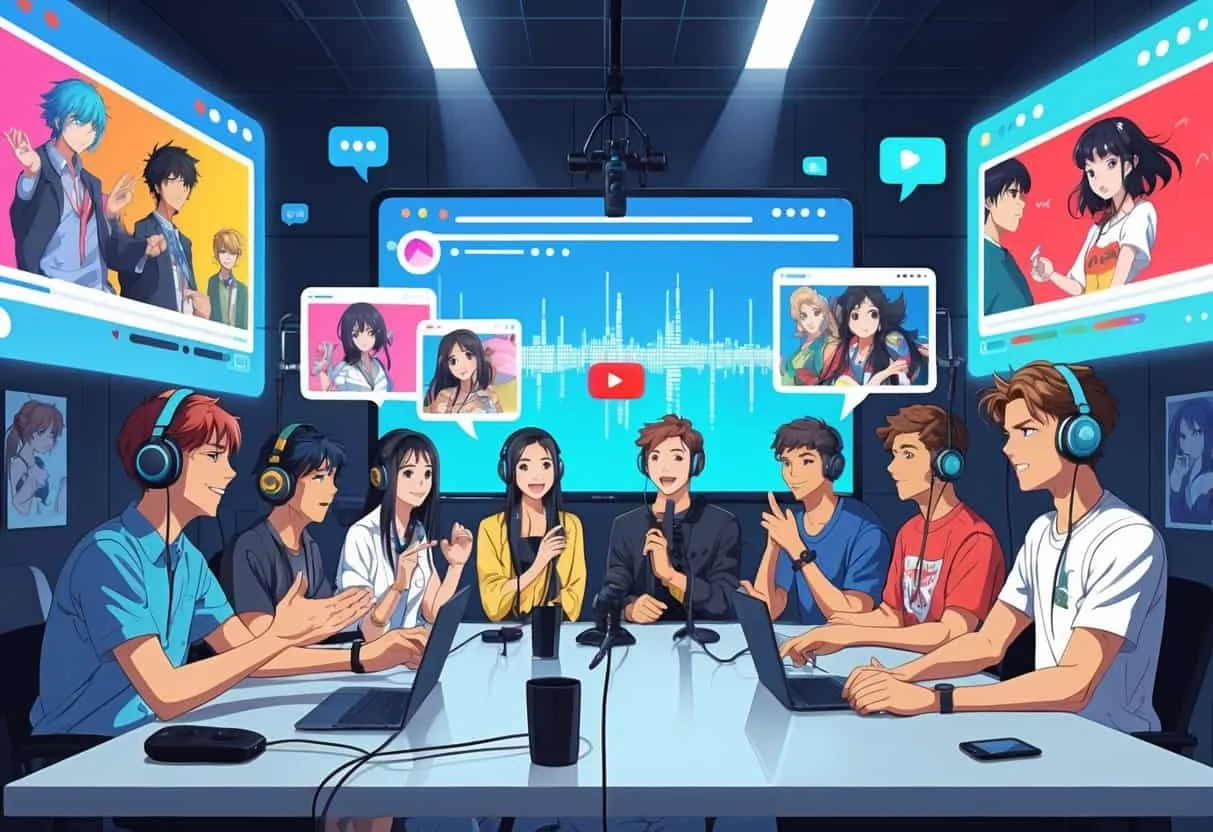
Anime fandom has always been a deeply communal experience, but the last decade has reframed how those communities form and communicate. YouTube reaction channels now sit at the center of that transformation, turning solitary viewing into a shared, almost theatrical event. Fans log on not just to see an episode, but to watch someone else watch it for the first time—to catch every gasp, laugh, and tear in real time. This shift does more than entertain; it rewires how you discover series, how you form opinions, and how you engage with the global anime conversation.
Reaction channels have become a cultural gateway, bridging casual viewers and hardcore enthusiasts while amplifying niche titles that mainstream marketing often overlooks. By spotlighting emotional beats, cultural nuance, and production craft, these creators generate a feedback loop that shapes streaming trends, fuels fan theories, and even influences studio decisions. As you dive deeper into this ecosystem, you’ll see that YouTube reactions are not passive commentary but active forces that mold the very fabric of modern anime fandom.
The Rise of YouTube React Channels in Anime Fandom
Anime reaction content on YouTube has exploded from shaky webcam clips into a full-fledged genre with its own stars, conventions, and economic model. Channels like TheFlamingShark, Akidearest, and KingReacts collectively draw millions of subscribers who tune in for episode reactions, analysis, and personality-driven commentary. The format’s growth mirrors the global anime boom—Crunchyroll’s subscriber numbers have crossed 13 million, and a large portion of that audience uses reaction videos as a companion experience. The appeal is simple: anime often delivers intense emotional moments meant to be shared, and reactors provide a proxy for that connection when watching alone.
The Evolution of Anime React Content
Early anime reactions were brief, raw recordings focused on a single iconic scene. Over time, creators moved toward structured series reviews, episodic breakdowns, and even full-length watch-alongs. Today’s top reactors often blend first-watch spontaneity with post-episode analysis, discussing animation techniques, voice acting subtleties, and source material differences. Some channels add cultural annotation, explaining Japanese folklore references or production studio legacies. This educational layer has turned reaction videos into a hybrid format that teaches as much as it entertains, appealing to both newcomers and long-time fans who want deeper insight.
How React Channels Attract New Audiences
For someone unfamiliar with anime, the sheer volume of available titles can be paralyzing. Reactors act as trusted curators. Watching a charismatic host experience genuine awe during a Jujutsu Kaisen fight or tear up at a Violet Evergarden letter-reading scene lowers the barrier to entry. It validates the emotional investment and provides a roadmap: if a reactor you trust loves a show, you’re more likely to give it a try. Many channels also produce “starter pack” videos suggesting entry-level series based on genre preferences, easing new viewers into the medium.
This hand-holding transforms potential viewers from skittish onlookers into dedicated fans.
Influence on Watching Habits
Your weekly anime schedule may now revolve around reactor uploads as much as official streams. The phenomenon of “reactor-driven binge-watching” is real: a channel covering an older classic like Fullmetal Alchemist: Brotherhood can trigger a cascade of renewed interest, spiking digital sales or streaming numbers months after the original run. Studios have noticed. When a prominent reactor highlights a lesser-known seasonal title, it can receive a measurable bump in simulcast viewership. This symbiotic relationship between reactors and distribution platforms means that reaction channels are now part of the marketing funnel, often inadvertently determining which shows gain traction in an oversaturated market.
Transforming Anime Discussions Through Community Engagement
Reaction channels don’t just broadcast—they convene. The comment sections underneath a reaction video often evolve into dedicated forums where fans debate character motivations, predict next-week developments, and share their own emotional journeys. Unlike traditional review sites, these conversations unfold episodically, mirroring the weekly release cycle and keeping the energy sustained over an entire cour. The result is a persistent, living discussion that deepens your investment in a series.
Facilitating Viewer Conversations
Good reactors know how to catalyze discussion. By asking open-ended questions at the end of a video—“Did Yuji make the right call?” or “What would you have done in that scene?”—they transform passive viewership into active participation. Many channels use pinned comments to highlight insightful viewer takes or to correct earlier misunderstandings, creating a collaborative analysis environment. Livestream reactions, prevalent on platforms like Twitch but also on YouTube, take this further by allowing real-time chat interaction. The streamer can respond to viewer comments on the fly, making the experience feel like a virtual watch party.
YouTube’s algorithm rewards high comment engagement by recommending videos more widely, which in turn draws more participants into the conversation, building a self-reinforcing community loop.
Impact on Fan Opinions and Theories
Watching a seasoned reactor pick apart foreshadowing or catch a subtle character expression can radically shift your own interpretation. A single observation—like the symbolic color coding in Attack on Titan or the historical allegory in Golden Kamuy—can ripple through the fandom, spawning dozens of follow-up analysis posts on Reddit or Twitter. Reaction channels thus serve as idea incubators. Fans combine insights from multiple reactors to formulate elaborate theories, some of which gain traction and influence broader fandom discourse. In some cases, reactors have even been credited with identifying narrative clues that later proved correct, boosting their authority and making their commentary a must-watch for theory-hungry viewers.
Real-Time Interaction and the Live Reaction Phenomenon
The shift toward live-streamed reactions has intensified the communal feel. During a season premiere or a highly anticipated finale, hundreds or thousands of fans simultaneously watch a reactor experience the episode for the first time. The chat becomes a chorus of shared gasps and keyboard smashes, effectively recreating the energy of a convention hall. This immediacy fosters a powerful sense of belonging—you are part of a moment that will never happen again. Additionally, live streams often include post-episode discussions where the reactor and viewers can dissect the content without editing delays.
This raw, unfiltered format builds trust and authenticity, two qualities that highly polished pre-recorded content sometimes lacks.
Creative Formats and Their Effects on Anime Culture
Reaction channels have moved beyond simple facecam footage. Today, you’ll find elaborate video essays, meme-driven edits, and high-production-value compilations that rival official promotional material. These creative formats do more than attract clicks—they reshape how anime is perceived and discussed cinematically and culturally.
Role of Explainer Videos in Deepening Analysis
Explainer videos, whether standalone or woven into reaction series, provide critical context that enriches the viewing experience. A reactor might pause an episode of Mushoku Tensei to explain isekai conventions, or break down the animation enhancements in a Demon Slayer fight scene using frame-by-frame comparisons. Such analysis turns reactions into mini-film school sessions, educating the audience on visual storytelling. As a result, fans become more articulate in their own discussions, using terminology like “sakuga,” “line weighting,” or “cinematography” in everyday conversation. This heightened literacy elevates the entire fandom, pushing creators and studios to deliver higher-quality work.
Integration of Music Videos and Visuals
Anime reaction channels frequently borrow from the AMV (Anime Music Video) tradition, syncing emotional clips to carefully selected tracks. A reactor might compile the most impactful moments of a season against an original score or popular song, creating a montage that distills the story’s emotional arc into a few minutes. These fan-made tributes often go viral, sometimes outperforming official trailers in views. They serve as entry points for outsiders: someone who stumbles upon a beautifully edited Your Lie in April reaction montage might be moved to watch the entire series. In this way, reaction-based music videos function as potent advertising, blending fan passion with creative editing to lure new audiences.
Graphic Design and Branding in Presentation
Professional-grade graphic design has become a hallmark of top reaction channels. Custom thumbnails with expressive facial shots, clean typographic overlays, and color-coded progress bars make videos more appealing and easier to navigate. Charts and diagrams help clarify complex plot points—imagine a visual family tree for the royal houses in Ranking of Kings or a power scale comparison in a shonen battle arc. This visual polish not only enhances comprehension but also signals credibility; viewers associate well-designed content with reliability and effort. Strong branding through intros, logos, and consistent color schemes builds channel identity, turning casual viewers into loyal subscribers who trust the content’s quality.
The Broader Impact on the Anime Industry and Marketing
Studios and distributors no longer ignore the clout of reaction channels. What began as a grassroots fan activity now influences corporate strategy, from licensing decisions to promotional collaborations. Reaction content sits at the intersection of earned media and influencer marketing, delivering organic authenticity that traditional ads struggle to replicate.
Shaping Trends in Anime Consumption
When a reactor with a million subscribers posts a video titled “Why This Underrated Anime Deserves Your Attention,” the show in question often sees a measurable surge in legal streams and merchandise sales. This trendsetting power extends to genre preferences: the collective enthusiasm for isekai over the past decade was partly amplified by reactors who showcased the escapism and power-fantasy elements in an engaging way. Similarly, the resurgence of mecha interest can be traced to influential reactions that reframed older titles like Code Geass for younger audiences. Reactors essentially function as tastemakers, and their preferences can tip the scale in a competitive market, sometimes even influencing which manga receive anime adaptations based on perceived fandom demand.
Collaboration Opportunities With Marketers
Anime distributors such as Crunchyroll and Aniplex have begun formally partnering with reaction channels. These collaborations range from sponsored first-reaction videos for new season premieres to exclusive early-access screenings. For example, a channel might be granted permission to react to the first three episodes of a new series a week before public release, with the understanding that the reaction will build buzz. In return, the distributor gains targeted exposure to a highly engaged community. These partnerships are not limited to streaming; merchandise brands like Good Smile Company or apparel lines regularly sponsor content, trusting reactors to present products in an organic, fan-adjacent context.
The authenticity of reaction content—even when sponsored—tends to outperform sterile product placements, because the reactor’s genuine fandom remains palpable.
Data-Driven Insights from Reaction Culture
Behind the scenes, marketing teams are mining reaction data for insights. Heat-mapping tools that track which moments in a reaction video generate the highest replay volume or comment spikes can reveal what fans find most compelling about a series. A scene that consistently elicits strong emotional responses across multiple reactors might be used in official trailers or highlighted in press releases. Similarly, sentiment analysis of comment sections helps studios gauge audience reception in near-real time, allowing them to adjust marketing messages or even inform creators about which elements to emphasize in future episodes. In this sense, reaction channels inadvertently serve as massive, ongoing focus groups that help the industry stay tuned to fan sentiment.
Challenges and Criticisms of Anime Reaction Content
Despite their popularity, reaction channels face significant hurdles. Copyright strikes remain a constant threat, as unauthorized use of anime footage can lead to video takedowns or channel terminations. While some studios adopt a lenient stance, recognizing the promotional value, others enforce strict IP policies, creating a precarious environment for creators. Fair use arguments exist, but the legal grey area means many reactors must carefully edit clips, often reducing the visual context that makes reactions compelling.
Quality inconsistency is another concern. For every thoughtful, well-researched reactor, there are countless channels that offer shallow “over-the-top screaming” reactions with no substantive commentary. These low-effort videos can flood search results, making it harder for quality creators to surface and potentially diluting the depth of fandom discussions. There is also the risk of reaction echo chambers, where fans only engage with opinions that mirror their own, reinforcing groupthink rather than encouraging diverse critical perspectives. Addressing these issues requires viewers to be discerning, seeking out channels that prioritize analysis and education over mere spectacle.
The Future of YouTube React Channels in Anime
Looking ahead, reacting to anime will continue to evolve alongside platform technology and viewer expectations. AI-assisted tools may enable more sophisticated real-time edits, while YouTube’s expanding multi-language caption features could break down language barriers, allowing reactors to reach global audiences more seamlessly. Shorter attention spans might spur the rise of “reaction highlights”—condensed edits that capture the best moments from a full episode reaction in under five minutes, optimized for TikTok and YouTube Shorts.
Virtual reality watch parties and interactive reaction formats could also emerge, letting viewers choose which character’s perspective to follow during a reaction or vote on what the reactor should discuss next. As anime fandom continues to globalize, reaction channels will likely become even more culturally diverse, with creators from different regions offering distinct analytical lenses. Far from being a passing trend, reaction content has become an integral part of the anime experience—a living supplement that enriches how stories are shared, interpreted, and loved across the world.