Table of Contents
Collecting anime memorabilia is a passion that turns a casual fan into a dedicated curator. Whether you’re drawn to intricately sculpted figurines, rare art prints, or full manga series, the joy of the hunt is only half the experience. The other half lies in preserving your treasures so they remain as vibrant and intact as the day you got them. But storage and display aren't just about piling things onto shelves. Without the right approach, sunlight, dust, humidity, and accidental bumps can slowly degrade even the most expensive pieces.
The good news? You don't need a museum budget or a professional vault to do it right. A little planning, the right materials, and a dash of creativity will keep your collection both safe and stunning.
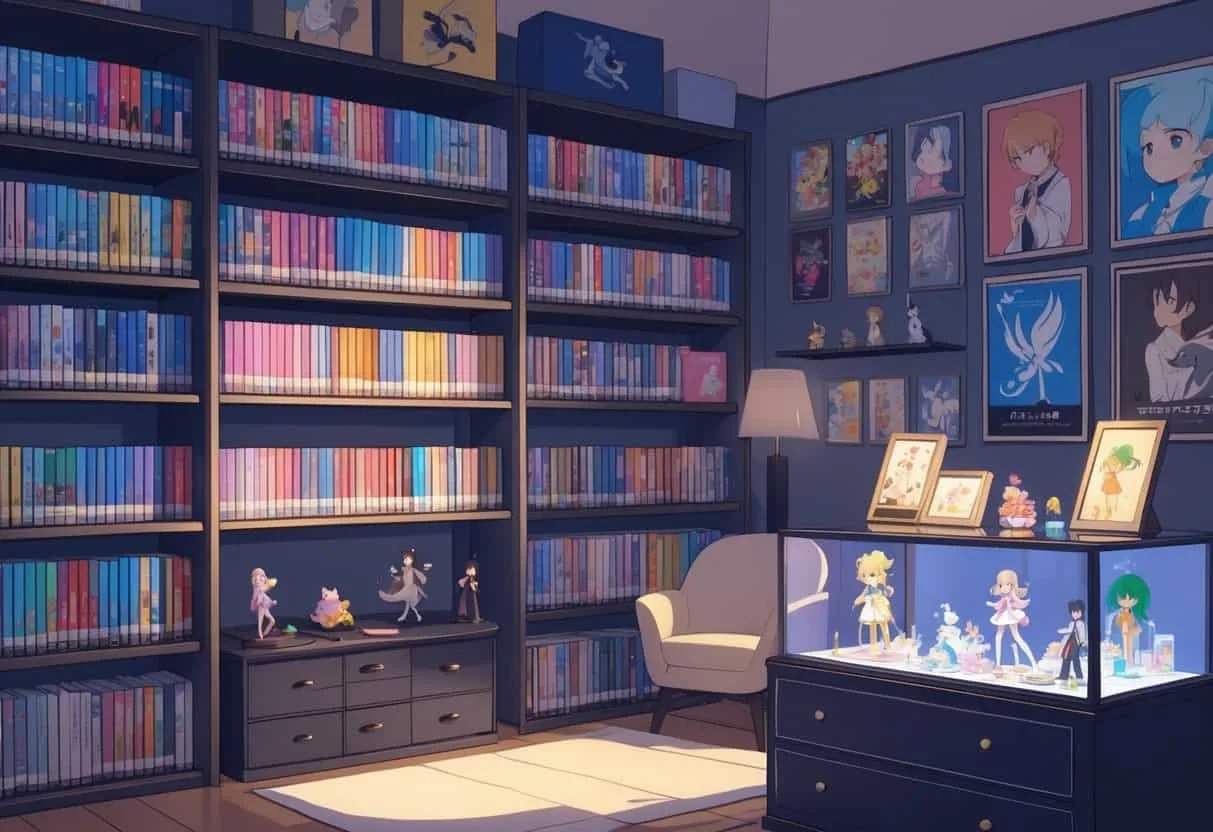
Simple solutions often yield the best results. Something as basic as a sealed display case or acid-free storage bags can block the dust that clings to paint and the UV rays that wash out colors. The key is matching the protection to the value and fragility of the item. A mass-produced prize figure might survive on an open shelf for years, but a limited-run garage kit demands a climate-controlled enclosure. Even the placement matters: a spot that catches indirect natural light can make a display pop, while direct afternoon sun will bleach a figure's hair in months.
By understanding a few core principles, you’ll be able to build a setup that’s practical, beautiful, and adaptable as your collection grows.
Building the Perfect Storage Foundation
The first step in protecting your collection is honestly assessing its size and your ambitions. Many collectors start with a handful of figures and a single shelf, only to find themselves overwhelmed when that shelf is overflowing a year later. By taking inventory early, you can choose storage that not only fits your current items but leaves room for the inevitable new arrivals. This means measuring your available wall and floor space, noting ceiling height, and checking for potential hazards like radiators or drafty windows. For heavier resin statues or large art books, don’t forget to calculate the load-bearing capacity of any furniture you plan to use—a sagging shelf is a disaster waiting to happen.
Evaluating Your Collection’s Volume and Growth Trajectory
Start by grouping similar items: scale figures, nendoroids, plushies, manga volumes, Blu-ray box sets, and wall art. Count each category and note their average dimensions. If you’re the type to pre-order every new release in a series, factor in at least 20% extra space. This exercise also helps you decide between open shelving, closed cabinets, or a mix of both. For instance, an extensive manga library might demand a sturdy bookcase with adjustable shelves, while a small but precious figure collection could shine in a single wall-mounted glass cabinet.
Use a simple tape measure and a notepad; you’ll be surprised how much clarity comes from seeing the numbers on paper.
Selecting Display Cases vs. Storage Boxes
Once you know what you have, it’s time to choose containers. Glass or acrylic display cases are the gold standard for figurines because they keep dust out while allowing 360-degree visibility. Look for cases with UV-filtering panels if they’ll face a window, and choose models with secure doors if you have curious pets or small children. Acrylic is lighter and less likely to shatter than glass, though it can scratch more easily, so handle with care during assembly. For items that aren't on permanent display—like seasonal decorations, extra manga volumes, or backup figures—opt for clear plastic bins with tight-fitting lids.
Polypropylene containers are preferable because they don’t emit harmful gases that some cheaper plastics can. Add silica gel packets inside to control moisture and prevent mold.
Materials Matter: Glass, Wood, and Acrylic
Wooden shelves bring a classic look and are perfect for heavier items, but choose sealed, laminated wood to avoid off-gassing acids that can yellow paper and plastics over time. Metal shelves are sturdy and often affordable, but they can feel cold; use a lined shelf liner to soften the look and add grip. For a truly archival setup, look for steel shelving with a powder-coated finish, which resists corrosion and won’t react with collectibles. Acrylic risers inside a display case elevate figures in the back row, preventing visual clutter and giving each piece its own spotlight. Just make sure the risers can support the weight: a heavier resin statue might need a custom-cut piece of acrylic or even a small wooden block.
Mastering Organization and Cataloging
A disorganized collection quickly becomes a source of frustration. When you can’t find that one volume or you’re not sure if you already own a figure, the fun drains away. A solid organizational system brings order and even helps with insurance claims if the worst happens. Start by deciding on a sorting logic, then back it up with digital tools so you can access your inventory from anywhere.
Genre-Based vs. Series-Based Sorting
The two most common approaches are sorting by genre (action, romance, mecha, etc.) and sorting by series (all “Attack on Titan” items together, all “Sailor Moon” together). Genre-based sorting works wonderfully if you have a broad collection and like to rotate themed displays. For example, you might create a dedicated “isekai” shelf or a “slice-of-life” reading nook. Series-based sorting, on the other hand, keeps related merchandise together and makes it easy to show off a complete line. You can combine both: keep your main display series-based, but store backup figures in genre-sorted bins.
Small labels on the edge of shelves or on bin fronts with the series name and volume range make retrieval a snap.
The Power of Digital Inventory Apps
Collector-specific software has come a long way. Apps like CLZ Comics (for manga) or Sort It! Apps for general collectibles let you scan barcodes or enter titles manually, then add photos, purchase dates, and current market values. Many cloud-sync, so you’ll never lose your database. If you prefer a free spreadsheet, Google Sheets is surprisingly robust: create columns for item name, category, condition, purchase price, seller, and notes.
With a little know-how, you can even set up conditional formatting to flag items that have appreciated significantly or need cleaning. Taking photos of each item—especially any unique markings or flaws—adds an extra layer of security for insurance purposes.
Labeling Strategies and Spreadsheet Templates
Physical labeling doesn’t need to be ugly. Use a label maker with clear tape to print small, legible tags, or simply handwrite on acid-free cardstock and attach with non-damaging washi tape. For bins stored in a closet, a numbered system cross-referenced with your digital inventory is efficient: label the bin “Manga 1-3” and have a note in your spreadsheet listing exactly which volumes reside inside. This is especially handy if you rotate items seasonally and don’t want to open every box. Keep your inventory updated whenever you buy or sell, and back it up monthly.
Clutter creeps in when you lose track of what you own.
Transforming Your Collection into an Exhibition
Display is where your personality shines. With a few design tricks, your room can feel like a mini gallery rather than a cluttered shelf. The goal is to highlight each piece without distraction, creating a visual flow that invites viewers to linger.
Figurine Display Arrangements That Pop
Start with the rule of thirds: arrange figures so the tallest or most striking one is slightly off-center, then flank it with smaller companions. Acrylic risers—two-tier, three-tier, or even stair-step designs—add vertical dimension and prevent the back row from being hidden. Group figures from the same series together, but vary their poses and heights to avoid a rigid lineup. If you have a large collection, consider a rotating display: showcase a seasonal theme (cherry blossoms for spring, horror for October) and cycle the rest into storage. Keep at least an inch of space between each figure to prevent paint transfer; an accidental brush can mar a paint job permanently.
Wall Displays for Art Prints and Pins
Framing prints not only protects them from dust and humidity but elevates their appearance. Use archival-quality mats and UV-blocking glass, and hang them away from direct light. Gallery walls with a mix of frame sizes and orientations become a dynamic focal point. For enamel pins or badges, corkboards wrapped in fabric, magnetic boards, or specialized pin display cases with clear doors work beautifully. Lay out your design on the floor before committing to the wall, and don’t overcrowd—let each piece breathe.
Command strips or hook-and-loop tape are great for lightweight items without damaging walls.
Using Lighting and Backdrops to Set the Mood
Lighting can make or break a display. LED strip lights with adjustable color temperature are ideal because they emit minimal heat and UV radiation. Place them along the inside edges of a glass cabinet to wash the figures in an even glow. For a theatrical feel, use small puck lights to spotlight a centerpiece. Color-changing RGB strips can set a dramatic mood for a particular anime’s aesthetic, but use them sparingly to avoid overwhelming the colors of the figures.
Backdrops add context: a printed cityscape behind a mecha collection or a serene forest scene for a Ghibli shelf. Stick-on decals or lightweight foam boards are easy to swap out. Just be sure all adhesives are acid-free and removable.
Preserving Your Treasures: Cleaning and Climate Control
Even the most beautiful display will lose its luster if not maintained. Dust, humidity, and light are silent degraders. A simple maintenance routine keeps your collection looking fresh and catches problems before they become irreversible.
Routine Dusting and Safe Cleaning Products
Dust weekly or bi-weekly, depending on your environment. Use a soft camel-hair brush for delicate figurines, a microfiber cloth for glass and acrylic surfaces, and a can of compressed air (set to low pressure) for intricate crevices. Never use household cleaners, which can strip paint or leave a sticky residue. For stubborn spots, lightly dampen a microfiber cloth with distilled water—no soap—and blot gently. Manga and art books should be dusted with a dry, clean brush and stored upright, not stacked, to prevent spine damage.
If you notice yellowing of paper, it’s often due to acidic storage materials; transfer to acid-free sleeves immediately.
UV Protection and Humidity Management
Light damage, as the Canadian Conservation Institute explains, is cumulative and irreversible. Fit windows with UV-blocking film or keep curtains drawn during peak sunlight hours. Swap regular bulbs for LEDs, which emit far less UV than incandescents. Humidity is another foe: aim for a stable range between 40% and 50% relative humidity. A digital hygrometer costs little and lets you monitor the room.
In damp basements, a dehumidifier is essential; in dry climates, a small humidifier can prevent plastics from becoming brittle. Silica gel packets inside display cases help buffer moisture fluctuations. Check them monthly and recharge as needed.
Handling and Moving Delicate Pieces
Always handle figures with clean, dry hands or cotton gloves. The oils from your skin can accelerate paint degradation over time. When moving a statue, support its base and never grab by extended limbs, swords, or hair pieces. For transport, wrap pieces individually in acid-free tissue paper, then bubble wrap, and place in a sturdy box with ample padding. Take photos of the assembly and disassembly process if you plan to store a figure partially apart.
If you’re lending items to a convention display or moving to a new home, consider custom-cut foam inserts for the most fragile pieces. A little caution prevents heartbreak.
Growing Your Collection Responsibly
The thrill of expanding your collection is a core part of the hobby, but it pays to be strategic. Impulse buys without research can lead to disappointment or worse—counterfeit goods. By developing a vetting process and knowing where to hunt, you’ll add only authentic, high-quality items to your shelves.
Vetting New Purchases and Trusted Sellers
Before clicking “buy,” check the seller’s ratings and read the negative reviews carefully. On platforms like AliExpress, look for stores with a high overall rating and a significant number of transactions. Be wary of prices that are too good to be true—they often indicate bootlegs made from inferior materials. Good Smile Company’s official partner list or the Anime News Network’s guide on spotting bootlegs can help you cross-reference. Ask for photos of the actual item, not just stock images.
The box should have crisp printing, the correct manufacturer logos, and a product code you can verify online. Even small details like the smell of cheap plastic can be a giveaway.
Navigating Anime Conventions and Online Marketplaces
Conventions are a treasure trove for rare finds and exclusive releases, but they can also be overwhelming. Scout the dealer’s room early, note prices from multiple vendors, and don’t be afraid to negotiate politely—especially on the last day when vendors are more willing to cut deals. Carry cash and a backup battery for your phone so you can compare online prices on the spot. Online, specialized marketplaces like Solaris Japan, AmiAmi, and Mandarake offer pre-owned figures with detailed condition grading. eBay can be a goldmine if you set saved searches and watch for reputable sellers. Join collector groups on Facebook or Discord; members often share alerts when a sought-after item appears for a fair price.
Chasing Rare Grails: Patience and Tactics
Every collector has a “grail”—that one figure or piece that feels perpetually out of reach. Patience is your greatest asset. Use proxy services to bid on Japanese auction sites like Yahoo! Japan Auctions, where rare garage kits and limited releases often surface. Keep a running list of search terms in multiple languages (Japanese characters included) and check daily.
Follow the social media accounts of manufacturers and sculptors for re-release announcements. Some collectors have success with putting out “wanted” posts on forums like MyFigureCollection. When a grail finally appears, act quickly but don’t let the excitement override your scrutiny of the listing’s condition and authenticity. Celebrate the win, then carefully integrate the piece into your protective setup so it stays pristine for years to come.
The bottom line: a well-cared-for collection tells a story. It reflects your taste, your journey as a fan, and the care you put into preserving a piece of anime culture. By choosing the right storage, staying organized, and maintaining a safe environment, you ensure that every figure, print, and volume remains a source of pride rather than a casualty of neglect. Start with one area, see the difference it makes, and let that momentum carry you through the rest. Your future self—and your collection—will thank you.