Table of Contents
How Brazilian Anime Fandom Took Root
To grasp the scale of today's fan art scene, it helps to look at how anime first arrived in Brazil. Japanese animation entered the mainstream in the 1980s and early 1990s through open television, bringing series like Saint Seiya (Os Cavaleiros do Zodíaco), Dragon Ball, and Sailor Moon into millions of homes. For many Brazilians, these were not just cartoons—they offered emotionally layered stories and visual styles that felt fresh and magnetic. The broadcasters, such as Rede Manchete and later Globo, scheduled these shows during peak children's programming hours, ensuring massive daily exposure. By the mid-1990s, anime had become a staple of Brazilian childhood, alongside local productions.
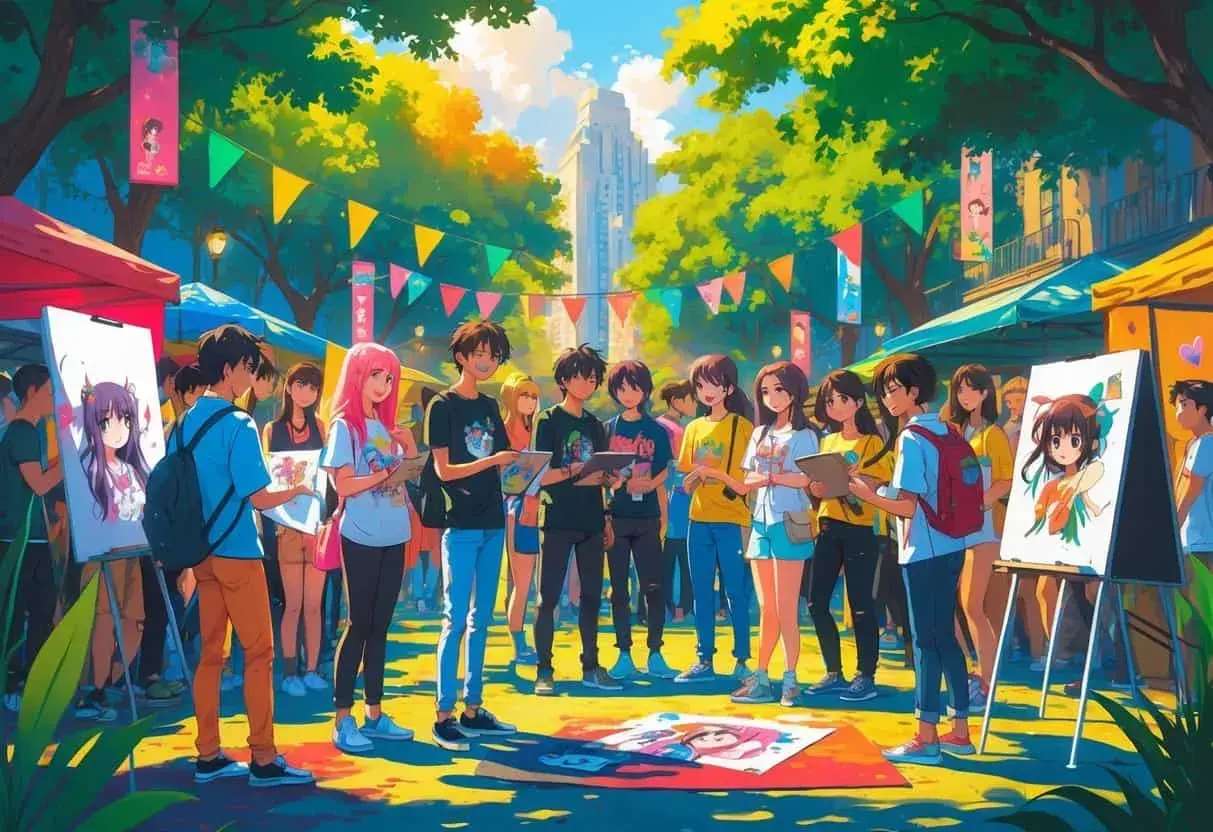
Long before broadband internet, fans exchanged VHS recordings, photocopied manga pages, and hand-drawn art through pen-pal networks and small meetups. This grassroots sharing built a fiercely loyal audience that saw anime not as a passive pastime but as a creative springboard. The large Japanese-Brazilian population—Brazil hosts the biggest Japanese diaspora outside Japan—also played a key role, making Japanese pop culture feel both foreign and familiar. As a result, anime fandom developed with a deep sense of ownership and authenticity. Early fan clubs, such as the Associação Brasileira de Mangá e Animê (ABMA) founded in 1994, organized conventions that predated the internet boom, laying physical foundations for community building.
By the early 2000s, improved internet access supercharged this momentum. Forums, Orkut communities, and later Facebook groups became digital clubhouses where fans posted their first fan art and discovered like-minded creators across state lines. According to academic studies on Brazilian participatory culture, these early platforms functioned as identity-building hubs, enabling fans to see themselves as both consumers and producers of anime-related media. The transformation from solitary hobby to collective movement laid the groundwork for today's vibrant ecosystem.
The Digital Arena: Where Brazilian Fan Art Lives Today
Modern Brazilian anime fan art communities are inseparable from social media. Instagram, X (formerly Twitter), TikTok, and dedicated art networks such as Pixiv and DeviantArt have become the primary galleries for creators ranging from amateurs to semi-professionals. The hashtag culture alone generates massive visibility; tags like #artebrasil, #animefanart, or #desenhoderpg collect thousands of posts daily and often trend during anime convention weekends. Instagram's algorithm particularly favors carousel posts showing step-by-step progression, which Brazilian artists have mastered to boost engagement and teach techniques simultaneously.
On Instagram, artists curate cohesive profiles that function as dynamic portfolios, showcasing everything from polished digital illustrations to speed-paint reels. X serves as a faster, conversational space where sketch trades, collaborative challenges, and commission announcements spread rapidly. Facebook remains important for organizing group events and regional fan clubs, while niche platforms like Amino and Discord channels foster tight-knit communities centered around specific series. This cross-platform presence ensures that artists can connect with fans, potential clients, and fellow creators at multiple touchpoints. Brazilian artists have also adopted the practice of creating "commission sheets" in Portuguese and English, often pinned on their profiles, to attract international buyers.
Streaming services such as Crunchyroll and Netflix have further fueled the cycle. When a new season of Jujutsu Kaisen or a nostalgic re-release of Pokémon trends, Brazilian fan artists flood their networks with tributes. This rapid-response culture intensifies engagement and keeps the community perpetually active. Often, the same artist who posts a homage to a classic anime in the morning will share an original manga page by evening, blending fandom with deeply personal storytelling. The rise of short-form video content on TikTok has added a new dimension: artists now create time-lapse recordings of their drawing process set to trending music, which routinely attract millions of views and drive followers back to their primary platforms.
Cultural Fusion and Creative Hybridity
One of the most striking features of Brazilian anime fan art is its ability to absorb elements from local culture and other global pop-culture currents. Artists regularly infuse their work with Brazilian landscapes, street art aesthetics, folklore, and even references to regional music. A painting of Tanjiro from Demon Slayer might feature a background of Rio de Janeiro's favelas or a color palette inspired by cordel literature, while a One Piece tribute can incorporate motifs from Candomblé or Maracatu. This intentional blending is not accidental—many artists explicitly state their goal is to "Brasilianizar" (Brazilianize) anime characters, making them feel relevant to local audiences while respecting the original source material.
This syncretism extends beyond visual style. Many Brazilian creators produce original manga—often called mangá brasileiro—that combines anime storytelling conventions with local narratives. Titles like Sense Life and Turma da Mônica Jovem (with its anime-influenced spin-offs) demonstrate how Brazilian themes can thrive in a manga format. By drawing on indigenous myths, urban realities, and the vast emotional spectrum of Brazilian life, these works enrich the global anime art conversation. In the fan art community, working on personal manga projects adds technical depth and often leads to professional publishing opportunities.
Independent publishers like Editora JBC have actively sought out Brazilian-original manga, providing a formal outlet for hybrid creativity.
Collaborations with the cinema and comics worlds further broaden the creative palette. Brazilian fan artists frequently reimagine anime characters in the visual language of blockbuster movies or iconic comic book covers. A Naruto illustration styled like a classic X-Men layout, or a Spirited Away piece crossed with Wes Anderson symmetry, shows how the community enjoys remixing influences without losing the anime essence. This cross-media approach attracts followers from outside traditional anime circles and helps new audiences discover the fan art scene. During the 2023 release of The Super Mario Bros.
Movie, Brazilian artists created countless crossover pieces blending Mario characters with anime aesthetics, demonstrating how fan art can ride pop-culture waves to reach broader demographics.
Cosplay as an Extension of Visual Art
While not strictly drawing, cosplay in Brazil is deeply interwoven with fan art culture. Cosplay craftsmanship often begins with character reference sheets and concept art contributed by illustrators. In return, cosplayers inspire artists to produce character-focused pieces that highlight costume details, dramatic lighting, and emotional poses. The synergy is symbiotic: an elaborate cosplay shoot goes viral, and fan artists rush to reinterpret the real-life portrayal back into stylized 2D form. This reciprocal inspiration has birthed entire social media trends where cosplayers and illustrators tag each other in collaborative posts, generating cross-promotion.
Events like Anime Friends in São Paulo and the Comic Con Experience (CCXP) function as massive stages for this interplay. Artist alleys brim with original prints, while cosplay competitions blur the boundaries between performer and illustrator. Workshops at these conventions often invite professional artists to teach digital painting techniques, storyboarding, or how to monetize fan art responsibly. Attendees leave not only with autographs but with expanded skill sets and real-world friendships that sustain creative momentum long after the event ends. A look at past conventions reveals just how central fan art has become to the overall convention experience.
Some conventions now host dedicated "fan art galleries" that operate like mini-exhibitions, with curators selecting the best works for display.
Tools, Trends, and Technological Innovation
Today's Brazilian fan artist is as likely to work on a tablet using Procreate or Clip Studio Paint as on paper with alcohol markers. The accessibility of powerful hardware and affordable software has democratized art production, allowing talent from all economic backgrounds to compete on a global stage. Online tutorials, live-streaming on Twitch or YouTube, and peer feedback loops accelerate skill development far beyond what was possible a decade ago. Brazilian creators have built a robust ecosystem of free resources; for instance, the YouTube channel "Arte no Papel" and "Mayara Rodrigues" regularly produce Portuguese-language tutorials on anime proportions, shading, and digital coloring that attract hundreds of thousands of views.
Emerging technologies like virtual reality (VR) and augmented reality (AR) are beginning to make their mark. Some artists experiment with VR sculpting tools to bring 3D anime fan creations to life, while others use AR filters on Instagram to let followers "wear" their illustrated masks or interact with character cards in real environments. Although still niche, these experiments signal a restless creativity that refuses to stay within traditional formats. Digital portfolios hosted on platforms like ArtStation or Behance now increasingly include 360-degree concept art or environment designs inspired by anime aesthetics, opening doors to game studios and animation houses. The use of AI-assisted tools, such as background generators or colorization algorithms, has sparked heated debate within the community, but some artists have adopted them as time-saving aids while maintaining manual control over character design and storytelling.
The influence of video games cannot be overlooked. Brazilian fan artists who love titles like Genshin Impact, Final Fantasy, or locally developed games such as Horizon Chase often blend anime styling with game-inspired compositions. This crossover community creates fan art that serves gaming subreddits and anime boards simultaneously, amplifying reach and reinforcing technical versatility. The need to design believable characters, weaponry, and environments for game-related art pushes illustrators to master anatomy, perspective, and color theory at a professional level. Brazilian artists have even formed collectives dedicated to game-inspired fan art, such as "Ilustradores de RPG Brasil," which hosts weekly themed challenges focused on character design for tabletop and digital role-playing games.
Navigating Legal and Economic Realities
For all its creative vibrancy, the Brazilian fan art scene faces significant hurdles rooted in copyright law and economic precarity. Brazilian legislation protects intellectual property, and unauthorized commercial use of copyrighted characters can lead to legal disputes. Many fan artists, especially those who sell prints, stickers, or commissions featuring established anime protagonists, walk a fine line. The absence of clear fair-use provisions akin to those in the United States complicates matters further. However, most rights holders from Japan—such as Shueisha and Toei Animation—have historically taken a lenient stance toward fan art, viewing it as free marketing, though they occasionally issue takedowns for unlicensed merchandise sold on platforms like Mercado Livre.
Piracy remains a parallel concern. Widespread illegal streaming and unauthorized manga distribution, while fueling fandom exposure, undercut official markets and weaken the argument for selling derivative works. Artists who wish to monetize ethically often pivot toward original character designs (OCs) or seek explicit permission from rights holders through official fan-art programs. Some Brazilian creators have found success on Patreon, Apoia.se, and Ko-fi, where supporters fund original projects rather than direct fan art sales. The advice from legal analysts who cover Brazilian copyright is consistent: focus on original elements, stay informed, and engage with fandom without infringing on core IP.
Brazilian copyright law, governed by Lei 9.610/98, offers no explicit "fan art exception," so artists must rely on de facto tolerance from copyright holders.
Economic barriers are equally real. Many artists rely on imported materials—specialty paper, screen tablets, or printing services from neighboring countries like Chile—and the weight of import taxes and volatile exchange rates can make sustainable art business a steep challenge. Local print-on-demand services are growing, and marketplaces like Colab55 or personal online stores help artists sell merchandise legally when they use wholly original designs. Conventions remain the most profitable in-person channel, allowing artists to build face-to-face trust with customers while avoiding shipping overhead. Some artists have formed co-ops to share the cost of booth rentals at major events like CCXP, splitting expenses and cross-promoting each other's work.
Building Bridges with Global Fandoms
Brazilian fan artists have never been isolated. Language may be a barrier at times, but visual art crosses borders with ease. Online platforms naturally connect Brazilian creators with audiences and collaborators in Latin America, the United States, Europe, and Japan. The proximity to Spanish-speaking neighbors like Chile and Argentina fosters a pan-Latin American fan art network where artists share translation help, event tips, and client leads. International collaborations—from a Rio-based colorist working with a Tokyo illustrator to a São Paulo storyboarder contributing to a US indie comic—are increasingly common.
The rise of AI-powered translation tools has also lowered language barriers, allowing Portuguese-speaking artists to participate more fully in English-dominated forums like Reddit's r/AnimeSketch.
Participation in global challenges like Inktober, Mermay, or dedicated anime-specific prompts (e.g., NaruHina week) puts Brazilian artists on a level playing field with peers worldwide. Winning international contests or having work shared by official anime studio accounts can transform a hobby into a career. Several Brazilian artists now count among commissioned illustrators for major anime licensees or even game franchises, proof that the community produces world-class talent. For example, the artist known as "Rodolfo" (Rodrigo Muralha) has done official art for Bandai Namco's Dragon Ball games, while "Eduardo Francisco" has contributed to Marvel's mangaverse-style covers.
This international exposure also brings fresh inspiration back home. When a Brazilian artist sees how a Japanese fan interprets the same character, stylistic evolution often follows. The result is a constantly refreshed visual language that feels both globally connected and unmistakably Brazilian. In many ways, the fan art community acts as an informal cultural diplomacy channel, humanizing distant cultures through shared creative passion. Brazilian artists have also begun organizing online "intercâmbio" (exchange) events where they live-draw alongside Japanese peers, using bilingual hashtags to blend audiences.
Long-Term Sustainability and the Next Generation
Looking ahead, the Brazilian anime fan art scene shows every sign of continued growth and professionalization. Official recognition is growing: some streaming platforms and anime licensors now host fan art showcases or commission local artists for promotional campaigns. This legitimization helps normalize fan art as a recognized art form and a potential career path, rather than a peripheral hobby. In 2023, Crunchyroll partnered with a Brazilian art collective to create exclusive convention banners, and Netflix Brazil has featured fan art in its social media marketing campaigns for shows like Cyberpunk: Edgerunners.
Educational initiatives are also multiplying. Free workshops offered during conventions, mentorship programs within Discord servers, and even university extension courses on concept art and narrative illustration equip new generations with employable skills. The pipeline from fan artist to professional in animation, gaming, or publishing is becoming more defined, and the stigma that once surrounded "drawing cartoons" has been replaced by genuine respect. Several Brazilian art schools, such as Quanta Academia de Artes and Escola de Artes Visuais do Paraná, now offer specialized anime illustration modules, and online platforms like Domestika host popular courses taught by Brazilian anime artists.
Challenges around copyright, piracy, and economic instability will persist, but the community's resilience and adaptability continue to defy dire predictions. By blending ancestral cultural roots, contemporary digital fluency, and an unwavering love for anime, Brazilian fan artists have built something far larger than a hobby. They've created a living, breathing ecosystem that empowers creative voices and reminds the world that genuine passion can reshape the cultural landscape. As streaming libraries grow and global connections deepen, the next wave of Brazilian anime fan art will likely surprise and inspire even the most seasoned observers. The rise of blockchain-based art marketplaces, climate-conscious digital art practices, and even the integration of regional indigenous aesthetics into mainstream anime-inspired work suggest that the community's evolution is far from over.