Table of Contents
When anime fans talk about iconic parental figures, Son Goku from Dragon Ball often dominates the conversation. But limiting the discussion to Goku overlooks a rich tapestry of characters who embody care, discipline, and sacrifice in equally powerful ways. Across countless series, mothers, fathers, mentors, and guardians shape the emotional core of stories, proving that great parenting in anime comes in countless forms—from the fiercely protective to the quietly nurturing.
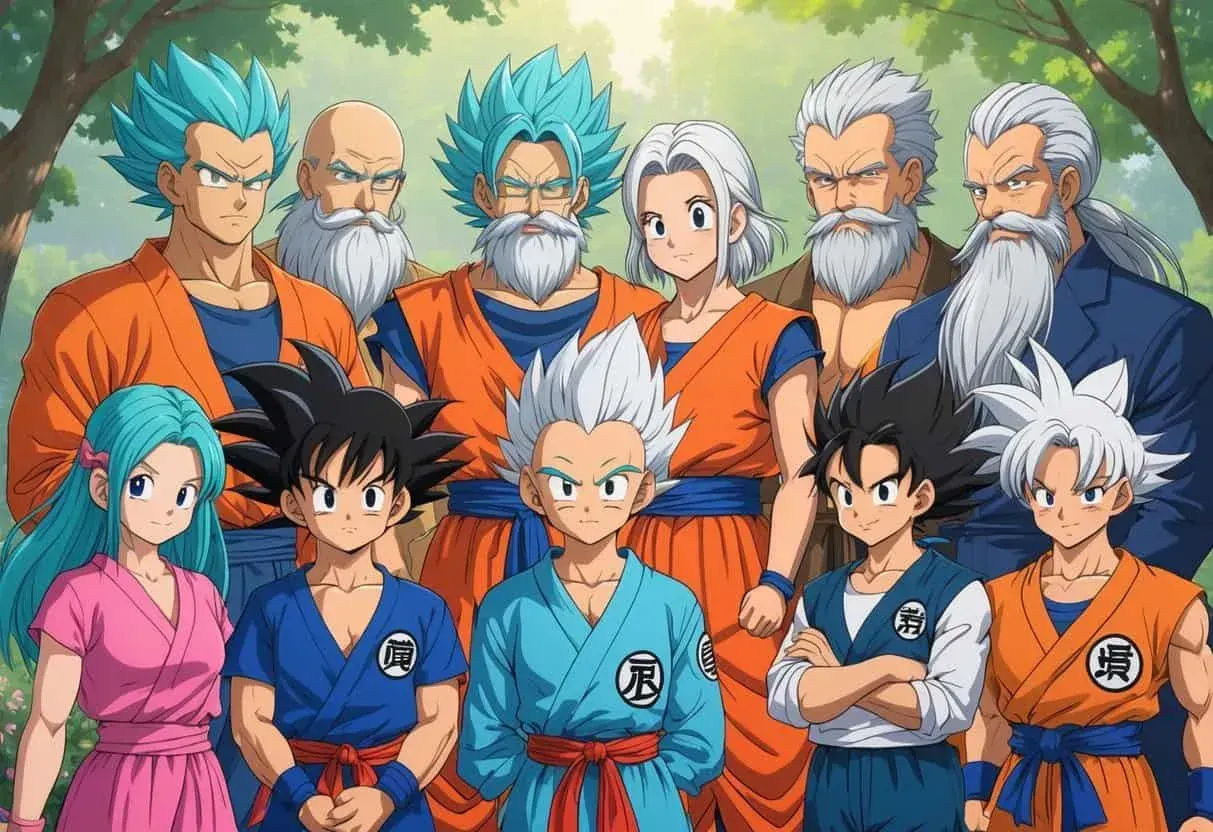
These characters are not flawless. They make mistakes, struggle with their own flaws, and sometimes fail their children. Yet it’s this very imperfection that makes them resonate so deeply. Through tough training regimens, gentle encouragement, or simply being present, they teach lessons about responsibility, resilience, and love. This article moves past the obvious Saiyan to spotlight a wide range of parental figures who prove that the strongest superpower isn’t a Kamehameha—it’s an unwavering commitment to family.
The Essence of True Parental Figures in Anime
Understanding why certain characters become beloved parental icons means looking at what they actually do. It’s not about biological ties alone; many of anime’s best caregivers aren’t related by blood at all. Instead, they provide the emotional bedrock that helps younger characters grow.
Unconditional Support and Emotional Anchor
The most memorable anime parents accept their children without reservation. They create a safe space where young protagonists can fail, learn, and eventually thrive. This goes beyond providing food and shelter. It’s about seeing the child’s true self—even when that self is a brash ninja, a half-demon, or a reluctant warrior—and refusing to look away.
Characters like Hana from Wolf Children exemplify this. A single mother raising two werewolf children in secret, she never once makes them feel like monsters. Her quiet acceptance becomes the foundation for their entire sense of identity. Similarly, Naruto Uzumaki’s parenting with Boruto hinges on the fact that he validates his son’s independence while still being a soft place to land when things get rough. This emotional anchor role is vital; without it, children in these stories would drift in their own isolation.
Sacrifice as a Core Theme
Anime parents frequently lay down their lives, reputations, or dreams for their children’s sake. This isn’t done for dramatic effect alone—it underscores how far a caregiver will go when love is at stake. In Attack on Titan, Carla Yeager’s final act is not to scream or fight back, but to tell Eren to run, prioritizing his survival over her own safety. That single moment reverberates through the entire series, shaping his worldview.
Even when the sacrifice isn’t physical death, it can mean giving up personal ambitions. Chichi in Dragon Ball Z abandons any hope of a peaceful life, dedicating herself entirely to raising Gohan and Goten in a world constantly threatened by androids and aliens. The weight of that choice often goes unnoticed because she’s framed as a nag, but her sacrifice is as real as any battlefield heroism. When analyzing anime parents, the frequency and depth of self-sacrifice become a central yardstick for measuring their impact.
Diverse Parenting Styles Across Anime
Not all parents are cut from the same cloth, and anime’s greatest strength is how it presents wildly different yet equally valid approaches. From strict tutors to laid-back partners, the spectrum is broad, and each style carries unique lessons.
The Stern Protector: Piccolo's Unexpected Fatherhood
No list of great anime parents is complete without Piccolo. Originally Goku’s nemesis, the Namekian warrior becomes the primary father figure for Gohan during the Saiyan saga. His method is brutal: leaving a four-year-old child alone in the wilderness for six months. Yet it works. Piccolo’s tough love builds Gohan’s courage and combat instincts while quietly instilling a moral compass.
He protects Gohan from Nappa’s blast at the cost of his own life—a sacrifice that cements their bond.
Piccolo’s parenting is a masterclass in non-traditional caregiving. He doesn’t offer hugs or bedtime stories. Instead, he teaches survival, discipline, and self-reliance. Beneath the gruff exterior, however, is a deep-seated love that only grows over time. By the Dragon Ball Super era, Piccolo is essentially Pan’s doting grandfather, a comedic pivot that underscores how far his character has evolved.
His journey proves that fatherhood isn’t about biology—it’s about showing up when it matters most.
The Academic Nurturer: Chichi's Fierce Love
Chichi, Goku’s wife and mother of Gohan and Goten, is often misunderstood. She’s portrayed as a shrill education-obsessed mother who stifles her sons’ fighting potential. But dig deeper, and you’ll find a woman terrified of losing her family to the same violent world that claimed her husband multiple times. Her insistence on academics isn’t about control; it’s about giving her children a future beyond constant battles.
Chichi’s parenting style is a necessary counterbalance to Goku’s carefree training-centric approach. While Goku prepares his sons for physical threats, Chichi prepares them for civilian life. She ensures they have manners, education, and emotional sensitivity. Gohan’s gentle nature and scholarly pursuits come directly from her influence. In many ways, Chichi is the unsung hero of the Son family, providing a stable home base that lets her husband and sons save the world.
Her story reminds us that a parent’s love can manifest as homework and curfews, not just ki blasts.
Partners in Parenting: Krillin and Android 18
Krillin and Android 18 present a refreshingly normal dynamic in a franchise filled with gods and super saiyans. Their relationship evolves from unlikely alliance to a loving marriage built on mutual respect. As parents to Marron, they demonstrate that even world-class fighters can prioritize family meals and playdates.
What sets them apart is their teamwork. Krillin, who once battled intergalactic tyrants, now works as a police officer to provide a steady income, while 18 handles threats when needed but mostly enjoys domestic life. They argue about expenses, tease each other, and share the load of raising their daughter. Their approach is deeply relatable—a reminder that a stable, affectionate home can exist alongside superhuman responsibilities. This balance of danger and domesticity is rare in anime and makes them one of the healthiest parental duos around.
The Prideful Mentor: Vegeta's Transformation
Vegeta begins his fatherhood arc as a distant, prideful warrior. He treats infant Trunks as an heir to saiyan legacy rather than a son, and he is visibly uncomfortable with displays of affection. Over the years, however, Vegeta’s character undergoes one of the most profound evolutions in anime. He trains Future Trunks with fierce intensity, but he also learns to express love in ways that don’t compromise his saiyan pride.
By the time we see him with Bulla in Dragon Ball Super, Vegeta is a changed man—refusing to train during his daughter’s birth, doting on her in his own awkward way, and showing genuine vulnerability. His growth illustrates that parenting isn’t static; it adapts as the parent matures. Vegeta never abandons his warrior code, but he integrates fatherhood into it, proving that even the most hardened hearts can soften when a child is involved.
Found Families and Surrogate Guardians
One of anime’s most powerful storytelling devices is the found family—a circle of unrelated individuals who become each other’s support system. In such narratives, mentors and caretakers step into parental roles that often surpass biological bonds.
Piccolo and Gohan Beyond Blood
We’ve already touched on Piccolo’s fatherhood, but it’s worth emphasizing that he is not a biological parent, nor was he ever expected to be one. Before meeting Gohan, Piccolo was a creature of vengeance. Gohan’s innocence changes him irrevocably. The bond they share is arguably stronger than the one Gohan has with Goku during the Cell saga, precisely because Piccolo was there for the daily grind of survival, training, and emotional development.
This surrogate dynamic resonates with many viewers who owe their upbringing to grandparents, older siblings, or family friends. It challenges the notion that only biological parents can raise a child well, and it anchors Gohan’s entire hero’s journey in a very human need for guidance.
Benno's Mentorship in Ascendance of a Bookworm
Moving away from shonen battle series, Ascendance of a Bookworm features Benno, a merchant who becomes a father figure to the reincarnated protagonist Myne. While not a legal guardian, Benno provides protection, business mentorship, and genuine affection in a harsh world where Myne’s frail health and obsession with books make her an outcast.
Benno embodies the pragmatic parent archetype. He is often stern, refuses to coddle, and prioritizes Myne’s long-term survival over short-term comfort. Yet his actions—investing his own resources, risking his reputation, enduring her stubbornness—speak louder than any sentimental words. Benno demonstrates that a parent doesn’t need a title to shape a child’s destiny. His influence turns Myne from a sickly commoner into a formidable power broker.
Explore the full series on MyAnimeList to see how this dynamic unfolds.
Hana from Wolf Children: Single Mother's Resolve
Mamoru Hosoda’s Wolf Children offers perhaps the most beautiful portrait of single motherhood in anime. After her werewolf partner dies, Hana is left to raise two half-wolf children entirely on her own. She moves to the countryside, learns to farm, and shields her kids from a world that would never accept them.
Hana never complains. She pours every ounce of her energy into giving Yuki and Ame the freedom to choose their own paths—whether that means integrating into human society or embracing the wild. Her resilience is staggering, but it’s her quiet joy in small moments that leaves the deepest impression. Hana teaches that the ultimate parental strength is not control, but allowing children to become who they truly are. The film is considered a masterpiece of emotional storytelling, and for good reason.
Read more about its themes on Crunchyroll.
Parental Figures That Define Entire Narratives
Sometimes a parental figure is so central that the entire plot revolves around their influence. Whether alive or dead, these characters hang over the story, driving the protagonist forward with memories of love, obligation, or loss.
Naruto Uzumaki: From Orphan to Devoted Father
Naruto’s journey begins with the absence of parents—a defining trauma that fuels his quest for acknowledgment. By the time of Boruto: Naruto Next Generations, he has become what he never had: a father. But the transition isn’t smooth. His position as Hokage consumes so much time that Boruto feels neglected, creating a central conflict in the sequel series.
What makes Naruto a compelling parent is his willingness to learn. He admits his shortcomings, makes time despite impossible duties, and never stops trying to connect with his son. His parenting reflects the same relentless optimism he used against every villain. He values his children’s freedom, emphasizes hard work, and provides the emotional support that he himself longed for as a child. Naruto’s arc closes a generational loop: from a lonely outcast to the head of a warm, albeit chaotic, family.
His story encourages viewers that even those with broken pasts can become loving parents. Check out the Naruto Wiki for deeper family connections.
Ichigo Kurosaki's Family Above All
In Bleach, Ichigo Kurosaki is defined not by his own ambitions but by his fierce protective instinct toward his family. The death of his mother Masaki at a young age left scars that transformed into a relentless drive to defend his sisters and father. He consistently risks his life against Hollows, Soul Reapers, and world-ending threats, never once hesitating when family is on the line.
Ichigo’s parenting isn’t about raising kids—it’s about being the pillar of strength his broken family needs. He assumes a father-like role for his younger sisters Karin and Yuzu, ensuring their daily lives remain as normal as possible despite the supernatural chaos around them. This protective archetype illustrates that parental love can manifest as a shield raised against any threat. Ichigo’s entire character is a testament to how a single loss can reshape a person into a guardian for everyone they hold dear.
Carla Yeager: A Mother's Quiet Strength
Carla Yeager appears only briefly in Attack on Titan, yet her influence permeates the entire narrative. She wasn’t a warrior or politician; she was an ordinary woman who loved her son unconditionally. Her final words to Eren—urging him to survive—become a driving force behind his later actions, though tragically twisted by trauma and ideology.
Carla represents the countless mothers who provide warmth in a cold world. Her strength lay not in physical power but in her ability to make Eren feel valuable simply for existing. Even after her gruesome death, her memory serves as a moral anchor briefly reminding Eren of what he’s fighting for. In a series drenched in despair, Carla’s parental love stands out as one of the few unequivocally pure forces.
The Ripple Effect of Parental Influence in Dragon Ball
Because Dragon Ball is a multi-generational epic, it’s the perfect case study for how parenting styles ripple through families. From Goku’s line to the Briefs household, we see distinct approaches that shape the next generation in visible ways.
Generational Legacies and Expectations
Son Goku’s family line is fascinating precisely because it doesn’t follow a strict paternal formula. Goku, raised by Grandpa Gohan and then largely self-reliant, becomes a father who offers freedom to the point of neglect. His sons grow up with strong maternal influence from Chichi, resulting in scholarly Gohan and playful Goten. Videl, marrying into the family, brings a grounded normalcy that Gohan lacked, ensuring Pan gets a more balanced upbringing.
Vegeta’s line is similarly layered. King Vegeta cast a long shadow of brutality and saiyan pride, which Vegeta initially replicates. But Bulma’s influence and his own hard-won humility allow him to break that cycle with Trunks and Bulla. These generational patterns show that parenting is often a reaction to what one received as a child. The characters actively work to repeat or reject those legacies, shaping not just their kids but the entire world’s future defenders.
Training, Sacrifice, and the Will to Protect
In Dragon Ball, parenting is inextricably linked to combat preparation. Fathers like Goku and Vegeta train their children to survive galaxy-ending battles. Piccolo’s wilderness training is essentially a crash course in confronting mortality. While this might seem extreme by real-world standards, within the logic of their universe it’s an act of love: the better prepared the child, the less likely they are to die.
Sacrifice recurs again and again. Goku teleporting Cell away, Vegeta’s Final Explosion against Buu, Piccolo’s shield for Gohan—each is a parental moment where the character chooses death to protect the next generation. These sacrifices aren’t just plot devices; they cement the lesson that true parental strength means putting the child’s life above one’s own ambitions or survival. This theme echoes across countless titles, from Maes Hughes’s devotion in Fullmetal Alchemist to Kyoko Honda’s posthumous influence in Fruits Basket. Anime News Network has a great piece on protective dads worth exploring.
What These Characters Teach Us About Real Parenting
Anime parental figures may live in fantastical worlds, but the core values they transmit are remarkably grounded. Across genres, we see that good parenting isn’t about perfection—it’s about presence. Whether it’s Piccolo’s stoic protection, Chichi’s unglamorous daily grind, or Hana’s quiet sacrifice, the common thread is a persistent effort to provide safety and encouragement.
They also teach us that parenting looks different for every family. Some children need a stern hand; others need gentle understanding. Some parents lead by example; others guide from the sidelines. Anime honors this diversity without judgment, offering a mosaic of caregiving styles that viewers can appreciate or even learn from. For more real-world lessons drawn from anime families, you can read this Psychology Today article.
Ultimately, the best parental figures in anime remind us that raising a child is an ongoing act of courage. It’s messy, terrifying, and often thankless—but it’s also the most heroic thing a character can do. As you revisit your favorite series, take a moment to notice the parents standing in the background. Chances are, they’re the real reason the hero had a chance in the first place.