Table of Contents
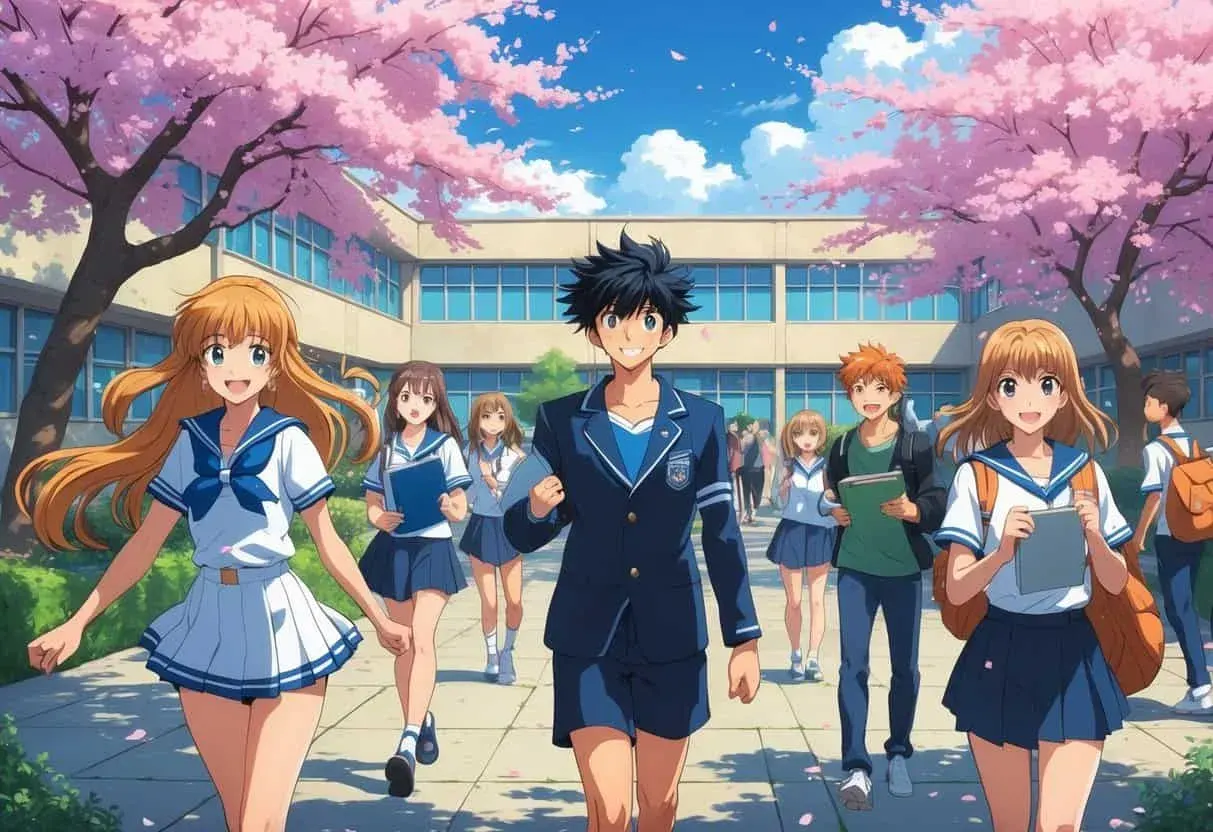
High school anime has cemented itself as a cornerstone of modern storytelling, drawing in millions of viewers with its uncanny ability to mirror the chaos and charm of adolescence. These series drop you into hallways buzzing with gossip, classrooms filled with daydreams, and rooftops where secrets are shared. More than just entertainment, they offer a lens into the trials of forming identity, navigating social hierarchies, and confronting the unexpected—whether that’s a harsh exam or a sudden supernatural awakening. For anyone stepping into this world in 2025, the sheer volume of options can feel overwhelming, but the best high school anime cut through the noise with sharp writing, memorable characters, and emotional stakes that linger long after the credits roll.
From tear-jerking romances to absurd comedies and mind-bending thrillers, the genre refuses to stay in one lane. Titles like Clannad, The Irregular at Magic High School, and Orange have set benchmarks, but the landscape continues to evolve with fresh adaptations and hidden gems. This guide maps out the essential series, unpacks what makes them tick, and helps you find your next obsession—all while exploring why these stories resonate across cultures and generations.
What Defines High School Anime
At its core, high school anime orbits around teenage protagonists grappling with academic pressure, social dynamics, and self-discovery. The school setting acts as a petri dish for drama: clubs meet after class, festivals ignite rivalries, and rooftop confrontations become turning points. Unlike Western teen media, which often prioritizes individualism, Japanese high school anime weaves collective experiences into its fabric, emphasizing group harmony, duty, and the subtle art of reading the room. This foundation allows for staggering variety, from realistic slice-of-life to worlds where magic is an elective.
Key Themes and Tropes
Thematic pillars include friendship, first love, familial expectations, and the search for belonging. But it’s the recurring tropes that give high school anime its familiar rhythm. The transfer student arrives to disrupt the status quo, the cultural festival arc raises the stakes for every relationship, and the rooftop confession delivers payoff with sweeping skies as backdrop. Slice-of-life details—cramming for tests in a library, sharing bento lunches, or practicing for a sports tournament—ground even fantastical premises in relatable minutiae.
Humor often cuts through heavier moments, relying on exaggerated facial expressions, deadpan deliveries, or ironic misunderstandings. For example, Kaguya-sama: Love Is War transforms a simple confession into tactical warfare, while Nichijou mines surreal comedy from mundane school routines. When supernatural elements enter the mix, tropes like the hidden power awakening or the mysterious new club keep the genre fresh, proving that high school anime can be a canvas for nearly any story.
Cultural Influence on Storytelling
Japanese societal norms permeate every frame. Uniforms symbolize conformity and unity, and even small acts of rebellion—like loosening a tie—carry weight. Events such as Sports Day and school trips aren’t just filler; they reflect real rhythms of Japanese academic life, grounding narratives in authenticity. The concept of sempai-kouhai (senior-junior) relationships shapes dialogue and power dynamics, while teacher figures often embody mentorship or authoritarian pressure, echoing Confucian values around respect for elders.
This cultural texture distinguishes high school anime from global counterparts. Where American teen dramas might center on prom and driving licenses, Japanese stories fixate on club activities, entrance exams, and the collective energy of a classroom. It’s a framework that fosters both escapism and insight, allowing international viewers to glimpse a different adolescence while recognizing universal emotions.
The Evolution of High School Anime
High school anime didn’t spring fully formed. Early works like Maison Ikkoku (though more college-focused) and Kimagure Orange Road in the 1980s laid groundwork by blending romance with everyday school life. The 1990s and 2000s saw an explosion of iconic titles: Neon Genesis Evangelion twisted the mecha genre within a school framework, while Fruits Basket and Ouran High School Host Club refined emotional storytelling. By the 2010s, streaming platforms like Crunchyroll and Netflix catapulted high school anime to global audiences, and today’s series—from 2024 and 2025 releases—push boundaries with tighter pacing, complex antiheroes, and high-production visuals.
Modern entries often deconstruct classic tropes. Classroom of the Elite subverts the notion of a meritocratic school with cold psychological maneuvering. Oshi no Ko uses a performing arts high school to dissect fame and trauma. This evolution means there’s now a high school anime for every taste, whether you crave nostalgic comfort or something that challenges your expectations.
Top-Rated High School Anime Series
Curating a watchlist requires balancing critical acclaim with sheer enjoyability. The following categories highlight series that have earned standout reputations among fans and critics alike. Streaming availability often rotates, so checking sites like MyAnimeList for current licensing is wise.
Classic High School Dramas
When emotional heft is the priority, classic dramas deliver. Clannad and its sequel Clannad: After Story remain benchmarks, tracing a boy’s journey from cynicism to love and devastating loss, with school life giving way to adult responsibilities. Toradora! pairs a fierce girl and a gentle boy in a pact to help each other’s crushes, only to unravel their true feelings with sharp writing and a legendary Christmas arc. Anohana: The Flower We Saw That Day uses a supernatural friend’s return to force a group of estranged schoolmates to face grief, while Orange tackles depression and regret through time-traveling letters sent to a high schooler desperate to save a classmate.
These stories thrive on character vulnerability. Voice acting and subtle animation—trembling hands, averted eyes—amplify moments that feel ripped from real teen turmoil. They’re not always easy to watch, but their impact is profound, making them essential viewing.
Comedy-Focused Favorites
For pure escapism, comedy high school anime shine by turning adolescent awkwardness into gold. The Disastrous Life of Saiki K. speeds through gags about a psychic teen who just wants a quiet life, cramming absurd scenarios into bite-sized episodes. Gintama, while spanning genres, roots much of its humor in the parody of school tropes, with the Odd Jobs trio causing mayhem. Komi Can’t Communicate turns extreme social anxiety into a tender, laugh-out-loud odyssey as a girl with a communication disorder tries to make 100 friends, supported by a patient classmate.
Monthly Girls’ Nozaki-kun cleverly satirizes shoujo romance manga within a high school art club, and Nichijou weaponizes the ordinary—dropping a sausage, chasing a cat—into surreal comedy. These series rely on timing, expressive animation, and relatable cringe to land their jokes, making them perfect for unwinding.
Fantasy and Supernatural Settings
Blending school life with otherworldly elements opens up wild possibilities. The Irregular at Magic High School reimagines academia as a crucible for magic users, where siblings navigate discrimination and conspiracies. My Hero Academia, though more action-driven, grounds its superhero training in U.A. High School’s classrooms, exams, and sports festival—hallmarks of the high school genre. Mob Psycho 100 uses a middle school backdrop (a close cousin) to explore a psychic boy’s growth under a con-man mentor, culminating in stunning visual spectacles during school events.
ReLIFE offers a quieter twist: a 27-year-old unemployed man takes a pill to re-experience high school, blending fantasy with poignant reflection. These shows use the school setting not as a limitation but as a launching pad for creativity, often accompanied by top-tier animation from studios like Bones or A-1 Pictures.
Must-Watch High School Anime for Different Moods
Your emotional state should dictate your next watch. The genre’s range means there’s always a match, whether you need a cathartic cry or a suspenseful binge.
For Emotional Depth
Seek out Your Lie in April, where music and terminal illness intertwine in a high school romance that builds to a devastating finale. A Silent Voice confronts bullying and redemption through a deaf girl and her former tormentor, its school setting amplifying the cruelty and the hope. 3-gatsu no Lion follows a teen shogi player dealing with depression, finding solace through connections at school and with a nearby family. These narratives handle heavy themes with care, avoiding exploitation in favor of honest, if painful, growth.
For Laugh-Out-Loud Moments
Turn to Nichijou for absurdist skits, or Prison School for raunchy, over-the-top comedy set in a rigid academy. Daily Lives of High School Boys excels at deadpan humor, showing teenage guys in mundane yet hilarious situations. Wasteful Days of High School Girls similarly revels in the silly conversations and antics of a trio of oddballs, proving that low-stakes comedy has its own genius.
For Action and Suspense
Classroom of the Elite turns a prestigious school into a battleground of wits, where students manipulate each other for class points and survival. Assassination Classroom tasks a failing class with killing their alien teacher before he destroys Earth, mixing action with heartfelt mentorship. Danganronpa: The Animation traps students in a killing game, their school a prison of despair. These titles keep pulses racing while still exploring teenage psychology under pressure.
Unique High School Anime Adaptations
Some of the most striking series emerge from unconventional source material or bold adaptation choices. They refresh the genre by pulling from unexpected inspiration or focusing tightly on a single narrative arc.
Notable Manga and Webcomic Inspirations
Many high school anime originate from manga, but the best adaptations enhance their origins. Kaguya-sama: Love Is War, based on Aka Akasaka’s manga, uses exaggerated inner monologues and visual gags that animation elevates to new heights. Horimiya adapts a webcomic about the hidden sides of classmates, condensing its charm into a brisk, beautiful season. Blue Period translates a manga about art students into a visually rich exploration of creativity and self-doubt, with the high school art club as its focal point.
Unusual sources like Hi-Score Girl, which draws from 1990s arcade culture, showcase how comics can capture niche passions within a school framework. The transition from page to screen often adds dynamism through fluid action or subtle character acting, as seen in The Quintessential Quintuplets, where a tutor’s interactions with five sisters blend romantic comedy with heartfelt growth.
Animated Movies Set in High School
Films condense high school narratives into potent, self-contained experiences. Makoto Shinkai’s Your Name uses body-swapping between a Tokyo boy and a rural girl to explore longing and fate, its stunning visuals and emotional climax rooted in school rituals and first love. The Anthem of the Heart follows a girl cursed to silence after a traumatic incident, finding her voice through a school musical. Liz and the Blue Bird, a spin-off of Sound! Euphonium, focuses microscopically on the relationship between two band members, their school practice rooms becoming a stage for unspoken feelings.
Movies like I Want to Eat Your Pancreas (despite its title) deliver a tearful story of a terminal classmate’s impact, while The Girl Who Leapt Through Time adds sci-fi to school life. These features prove that the high school setting can support immense emotional weight within a condensed runtime, perfect for an evening watch.
How to Choose Your Next High School Anime
With so many options, a strategic approach helps. Start by identifying what you’re in the mood for: comedy, romance, action, or introspection? Browse aggregated reviews on platforms like Crunchyroll or Anime News Network, and check user ratings for crowd wisdom. Pay attention to studio reputations—Kyoto Animation excels at delicate drama (Clannad, Hyouka), while Shaft brings avant-garde style to school comedies (Monogatari Series).
Consider episode count: a 12- or 13-episode season is a manageable commitment for romances like Tsuki ga Kirei, while longer runs like Assassination Classroom (47 episodes) reward patience with deep character arcs. Read synopses to avoid overly familiar tropes if you’re bored of them, or lean in if you’re craving comfort food. And be open to older titles—’90s and 2000s classics often have raw, hand-drawn charm that digital productions can’t replicate.
Sampling is key. Most streaming services offer first episodes for free, so you can test the waters without full commitment. Finally, discuss with communities on Reddit or Discord; fan recommendations often unearth overlooked masterpieces.
Cultural Impact and Beyond
High school anime has leaped beyond entertainment, influencing global media, fashion, and even mental health discourse. Its cross-border reach testifies to the universality of its themes, even when packaged in distinctly Japanese packaging.
International Reception
Streaming has democratized access. In the United States, conventions like Anime Expo draw hundreds of thousands, with high school titles frequently inspiring cosplay and panels. In the United Kingdom, shows like Toradora! and My Hero Academia trend on Netflix, and school clubs devoted to anime are common. Latin American countries boast passionate fanbases, with dubbed versions making series accessible. Even in regions with smaller communities, such as parts of the Caribbean, social media platforms like TikTok and Twitter have fostered growth—Jamaican fans, for instance, share clips and analysis, finding connection in stories that mirror their own school experiences while offering escape.
This global embrace isn’t one-way. Streaming data now influences production decisions; Netflix co-produces original high school anime like Kakegurui, tailoring content to worldwide tastes. The result is a feedback loop that enriches the genre.
High School Anime in Popular Culture
Beyond dedicated fandom, high school anime’s fingerprints appear in mainstream media. Music artists like Billie Eilish have cited My Neighbor Totoro, and while not strictly high school, the broader anime aesthetic influences album art and videos. Western TV series like Sex Education and Never Have I Ever, though not directly adapting anime, echo its emphasis on eclectic friend groups and emotional earnestness. Fashion brands collaborate on anime-themed streetwear, with high school uniforms from shows like Kill la Kill making ironic high-fashion cameos.
Memes and gifs from series like The Disastrous Life of Saiki K. circulate endlessly on social media, bridging online humor with quotable school moments. This cross-pollination normalizes anime storytelling, making it a shared vocabulary for younger generations worldwide.
Therapeutic Value of High School Stories
Perhaps the most quietly resonant impact lies in mental health. High school anime often tackle bullying, anxiety, isolation, and grief head-on—A Silent Voice directly addresses suicidal ideation and social alienation, while March Comes in Like a Lion depicts depression with unflinching clarity. For teens and young adults facing similar battles, these narratives offer validation and language for their own feelings. Some mental health professionals have begun incorporating clips or themes from these series into sessions, as they provide a non-threatening starting point for difficult conversations.
In areas where mental health resources are scarce, such as rural communities or countries with limited therapy access, anime can serve as a form of informal support. A survey by the Psychology Today community once explored the use of fictional media in therapeutic contexts, noting how relatable characters can reduce feelings of isolation. Watching a character like Tomoya Okazaki in Clannad confront his trauma or Naho in Orange strive to change fate can foster resilience and hope. It’s not a substitute for professional help, but as a supplement, it offers a unique window into coping and growth.
The genre also normalizes help-seeking behavior: school counselors appear in series like Fruits Basket, and friends rally around struggling peers. By destigmatizing vulnerability, these stories cultivate empathy—not just among viewers, but within the broader cultural conversation about teen mental health. In a world where adolescent suicide rates remain troubling, the emotional literacy promoted by thoughtful high school anime can be a subtle but meaningful force for good.
Final Thoughts on Navigating the Genre
The best high school anime of 2025 don’t just entertain; they invite you into classrooms where every desk holds a story. From the quiet devastation of Clannad to the anarchic laughter of Saiki K., these series capture adolescence in all its messy glory. They remind us that while school days may be temporary, the lessons learned—about love, loss, and resilience—echo long after graduation. Whether you’re a seasoned otaku or a curious newcomer, the genre’s vast library guarantees a series that speaks directly to you, perhaps during a quiet evening when you need it most.
As new adaptations arrive each season, the landscape keeps shifting, but the core remains: high school is never just about classes. It’s a stage for the extraordinary within the ordinary. So grab a watchlist, pace yourself, and let these stories pull you in—they’re waiting with open bookbags and a few surprises.