Table of Contents
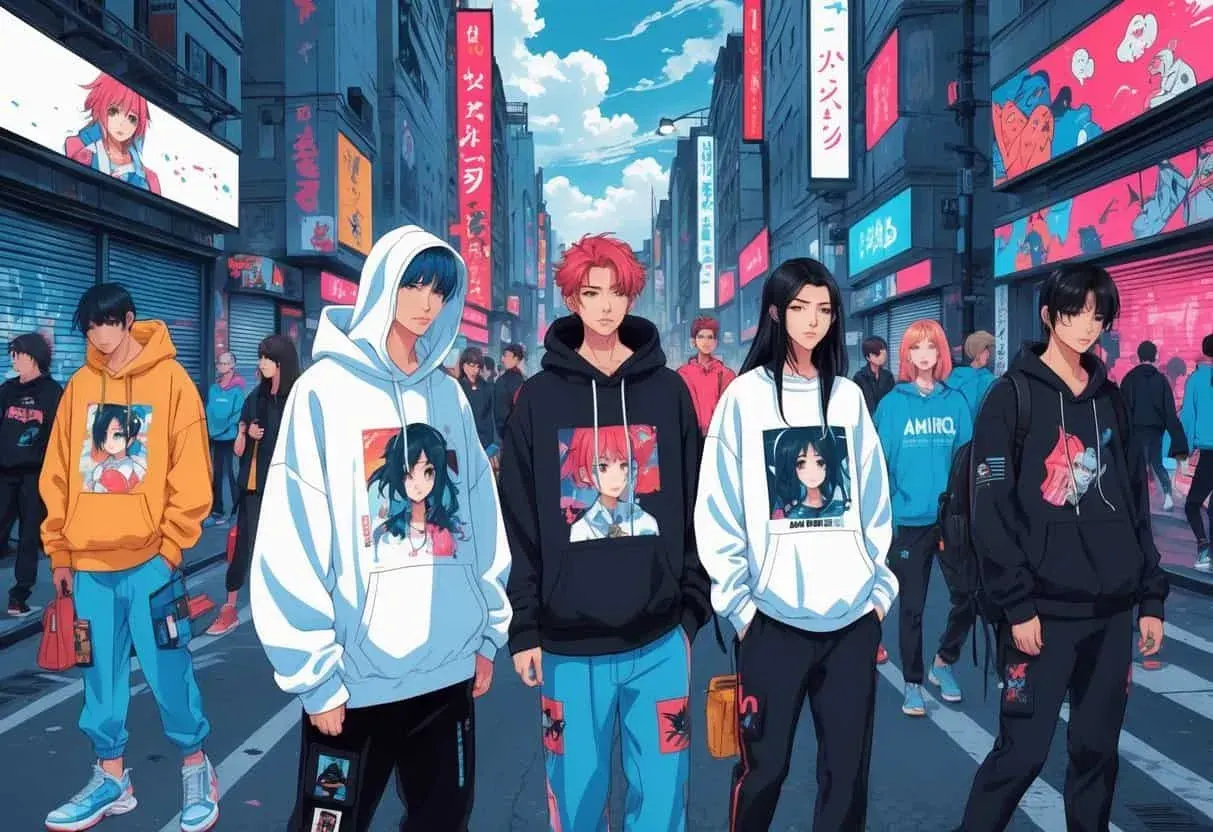
Anime no longer belongs solely to the screen or to Japanese subcultures. Across European capitals, the fingerprints of anime aesthetics are increasingly visible on everything from high-fashion runways to the streets of Berlin, London, and Milan. What began as niche cosplay circles and imported VHS tapes has evolved into a powerful cultural exchange that is reshaping how European fashion is designed, worn, and understood. The fusion is not subtle: bold palettes lifted from shonen series, oversized silhouettes reminiscent of mecha pilots, and character prints that blur the line between fandom and luxury now populate wardrobes from Barcelona to Stockholm.
This shift represents more than a fleeting trend. It marks a deeper transformation in how young Europeans view identity and self-expression. Anime’s vivid storytelling and distinctive visual language offer a creative vocabulary that traditional European design often lacks—one that embraces imagination, rebellion, and a playful disregard for rigid fashion rules. The result is a fresh, cross-continental aesthetic that feels both uniquely personal and globally connected.
The Roots of Anime’s European Invasion
To understand why anime has infiltrated European fashion so thoroughly, you need to rewind to the 1980s and 1990s. Television broadcasts of series like Dragon Ball Z, Sailor Moon, and Pokémon introduced a generation to characters with enormous eyes, gravity-defying hair, and technicolor wardrobes. These shows became touchstones, and alongside the rise of manga imports, they cultivated a dedicated fan base. For many, wearing an anime T‑shirt was an early act of fandom—a way to signal belonging to a community that stretched far beyond national borders.
Early adopters often sourced their clothing through specialty shops, convention dealers, or homemade prints. The aesthetic was raw and personal, detached from mainstream fashion. But as the internet connected fans globally, street style photographers began capturing the look outside convention halls, and suddenly anime-inspired outfits appeared in the feeds of influencers and trend forecasters. What was once a subcultural badge of honor started seeping into everyday wear, and brands took notice.
The Visual Language of Anime Translated into Fabric
Anime is a medium built on exaggeration. Its characters move through worlds drenched in saturated hues, wearing costumes that defy physics and practicality. When European designers borrow from anime, they don’t merely slap a character onto a hoodie—they absorb its underlying principles: high contrast, graphic intensity, and a sense of narrative embedded in clothing. The result is a wardrobe that feels like a storyboard come to life.
Take the use of neon pinks, electric blues, and acid yellows. These colours, long associated with cyberpunk anime and magical girl transformations, now appear in collections from Scandinavian minimalist brands as deliberate accents—a single bright panel on an otherwise monochrome parka, or glowing embroidery on a pair of tailored trousers. Anime’s approach to colour also encourages clashing combinations that challenge traditional European notions of coordination, introducing a sense of joyful chaos.
Equally important is the graphic language. Printed images of giant robots, wide-eyed heroines, and stylized kanji characters are no longer confined to casual T‑shirts. Luxury labels have applied them to silk scarves, leather handbags, and even evening gowns, treating anime motifs as legitimate artistic symbols rather than disposable pop culture references. This elevation mirrors the way pop art once migrated from galleries to clothing; now it’s anime’s turn to reinterpret what “chic” can look like.
Oversized Silhouettes and the Mecha Influence
One of the strongest aesthetic loans anime has made to European streetwear is the oversized silhouette. Characters in mecha series and action epics frequently wear billowing cloaks, wide-shouldered bomber jackets, and baggy trousers that prioritize mobility and dramatic impact. European streetwear brands were already flirting with loose fits, but anime gave the trend a narrative anchor. A garment that hangs off the body isn’t just comfortable—it channels the heroic scale of an anime protagonist stepping into battle.
Labels such as Vetements and Balenciaga have pushed exaggerated shapes to the forefront, and while not directly labeled “anime collections,” the overlap is unmistakable. Hoodies the size of small tents, puffer jackets with necklines that engulf the wearer, and cargo pants with impossibly wide legs all echo the proportions seen in character design sheets. In this way, anime has helped normalize a silhouette that feels protective, expressive, and entirely modern.
This trend has filtered down to fast fashion as well. High-street retailers now regularly offer boxy blazers, drop-shoulder sweatshirts, and wide-leg trousers that mirror anime proportions. It’s a far cry from the body-hugging Euro style of the early 2000s, and much of the credit for this shift lies in how anime taught a generation to see volume as something aspirational rather than sloppy.
Collaborations That Bridged Two Worlds
The clearest evidence of anime’s mainstream acceptance in European fashion comes from official collaborations. Some of the most iconic partnerships have involved Japanese anime properties joining forces with European or global luxury houses, creating products that sell out within minutes.
In 2021, Gucci launched a collection featuring Doraemon, the beloved robotic cat from a classic anime. The motifs appeared on GG Supreme canvas bags, Rhyton sneakers, and ready‑to‑wear pieces, merging Italian craftsmanship with a symbol of Japanese childhood. That same year, LOEWE presented a Spirited Away capsule under the creative direction of Jonathan Anderson, placing characters like No‑Face and Chihiro on structured leather bags, wool scarves, and even candles. These weren’t novelty items; they were full fashion statements priced at a premium, celebrated by critics and consumers alike.
Streetwear, too, saw monumental collabs. Adidas x Dragon Ball Z turned sneakers into collectibles, with each model representing a different character from the saga. The ultra‑limited releases generated queues across Europe, demonstrating that anime‑driven hype culture had fully matured on the continent. Meanwhile, Uniqlo’s UT graphic tee line became a reliable source for accessible anime fashion, producing collections tied to Shonen Jump, Studio Ghibli, and new hits like Jujutsu Kaisen. Wearing an anime tee no longer felt like a niche statement; it was a perfectly normal choice—even a fashionable one.
The Comfort Revolution and Anime’s Role
Anime’s influence reaches beyond visuals and into how clothes actually feel. For years, the Western fashion hierarchy associated style with discomfort—structured blazers, restricting waists, and heel‑struck silhouettes. Anime subcultures, however, have long championed comfort. The “otaku” stereotype might include oversized hoodies, soft fleece pants, and slippers—essentially a uniform of coziness that prioritises ease. As remote work and loungewear reshaped wardrobes across Europe during and after the pandemic, this anime‑adjacent softness became aspirational.
Now, streetwear leans heavily into plush fabrics, dropped shoulders, and stretchy waistbands. European brands marketing “soft tailoring” and “cosy edit” collections are tapping into the same emotional register that anime fans access when they wrap themselves in a blanket‑like cardigan. The look is casual but also expressive—a direct descendant of how anime characters combine relaxed shapes with striking detail.
From Fandom to Front Row: European Designers Leading the Charge
European designers are not just responding to demand—they are actively incorporating anime into their creative DNA. Marine Serre, the French designer known for her crescent‑moon prints, has produced collections that feel like post‑apocalyptic manga come to life, with bodysuits and layered ensembles that recall sci‑fi anime heroines. Her work speaks to a generation that grew up with Akira and Ghost in the Shell and now wants to wear that energy.
In the UK, experimental labels such as A‑COLD‑WALL* and Craig Green have introduced volumes and technical fabrics that mirror the deconstructed aesthetics found in mecha and cyberpunk anime. Even traditional luxury houses feel the pull. During Paris Fashion Week, you can spot runway looks that feature printed anime landscapes, obi‑inspired belts, and asymmetrical cuts that evoke samurai armour. The boundary between haute couture and anime reference is blurring so fast that a kimono‑sleeved jacket on a European runway raises no eyebrows.
Street Style, Social Media, and the New Visibility
Anime fashion thrives in the real‑time ecosystem of Instagram and TikTok. European street style accounts eagerly capture outfits that pair Ghibli‑printed trousers with vintage blazers, or Naruto hoodies layered under oversized trench coats. Hashtags like #animefashion and #animecore rack up millions of views, turning everyday wearers into micro‑influencers. This visibility creates a feedback loop: as more people see anime‑infused looks performing well online, more are inspired to try them, and brands scramble to fill the gap.
Conventions such as London MCM Comic Con or Japan Expo in Paris have evolved into de facto fashion weeks for anime streetwear. Attendees spend months curating looks that mix official merchandise, bespoke pieces, and luxury accessories, demonstrating an understanding of styling that goes far beyond simple cosplay. Photographers document these looks, and within days they appear in trend reports used by forecasting agencies. The street, not the runway, often sets the direction.
The High‑Street Takeover and Mass Accessibility
Perhaps the biggest sign that anime fashion has conquered Europe is its presence in the most ordinary of shops. Walk into a Zara, H&M, or Pull&Bear, and you will likely find a rack of T‑shirts bearing anime graphics, often rendered with a faded, vintage treatment that makes them feel like discovered artifacts rather than novelty purchases. Primark offers entire anime‑centric lines that include joggers, backpacks, and pyjamas, making the aesthetic accessible to price‑sensitive teenagers.
This mass‑market adoption has sparked debate about authenticity. Some purists argue that widespread commercialisation dilutes the subcultural meaning of anime fashion. Others see it as a net positive, a testament to anime’s artistic merit finally being taken seriously by the European mainstream. Both perspectives highlight the same reality: anime is no longer an outsider in European closets. It has become part of the fabric.
Accessories, Footwear, and the Little Details
Anime’s influence extends to the smallest details. Sneaker collaborations often draw on anime narratives, with colourways named after characters and packaging that unfolds like manga panels. Backpacks shaped like anime props, jewellery engraved with heart symbols or magical girl wands, and beanies embroidered with tiny Pikachus all cater to fans who want to signal their interests without wearing a full graphic on their chest. These subtle nods allow the aesthetic to infiltrate professional and formal settings, making it even more pervasive.
Footwear, in particular, has become a canvas for anime storytelling. Beyond the Adidas Dragon Ball Z collection, boutique sneaker customisers throughout Europe paint shoes with scenes from One Piece or Demon Slayer, and these custom pieces often resell at a premium. The convergence of sneaker culture—already a pillar of European streetwear—with anime fandom creates a potent hybrid that feels entirely of the moment.
Regional Nuances Across Europe
Anime fashion does not read identically in every European city. In Paris, you might see anime motifs applied to silk blouses and tailored coats, a take that keeps the outfit refined while allowing a playful undercurrent. In Berlin, the aesthetic leans heavily into techno and club influences, with cyber‑inspired anime prints on mesh tops and oversized hoodies paired with chunky boots. London’s streetwear scene treats anime graphics as part of a broader mash‑up that includes sportswear, grime culture, and vintage finds, resulting in chaotic but curated combinations.
Southern Europe, particularly in Barcelona and Milan, often brings a warmer, more sensual touch to the look: fitted crop tops with anime icons, floaty skirts bearing watercolour anime scenes, and accessories that blend Mediterranean craftsmanship with Japanese pop symbols. These regional interpretations prove that anime is not a monolith—it’s a flexible language that adapts to local tastes while maintaining its core identity.
The Next Frontier: Virtual Fashion and Digital Expression
Anime’s future in European fashion probably stretches into the digital realm. Virtual clothing platforms and metaverse experiences allow users to dress their avatars in anime‑inspired garments that would be impossible to produce physically—glowing fabrics, floating accessories, and suits that morph in real time. European brands are experimenting with digital collections that pay homage to anime aesthetics, and many gamers already treat their in‑game skins as extensions of their personal style. This blurring of physical and virtual fashion will only deepen anime’s reach, allowing fans to embody their favourite aesthetic across multiple dimensions.
A Lasting Cross‑Cultural Relationship
Anime’s impact on European fashion and streetwear is not a passing phase. It represents a sustained, multifaceted dialogue between two distinct visual traditions that have found common ground in creativity, rebellion, and a love of storytelling. European designers will continue to draw inspiration from the medium, while consumers increasingly demand clothing that speaks to their passions rather than adhering to outdated dress codes. The result is a fashion ecosystem where a hoodie bearing a beloved anime character can sit just as comfortably in a boardroom as in a mosh pit—and where identity is woven from threads that span continents.
The question is no longer whether anime belongs in European fashion; it’s how much further this influence will go. Given the endless creativity poured into anime each year, and the hunger European youth have for expressive, rule‑breaking style, the answer seems to be: as far as the imagination can take it.