Table of Contents
Anime that truly centers on parenthood goes far beyond mere child-rearing—it pulls audiences directly into the chaos, exhaustion, and profound love that define raising another human being. These stories refuse to sugarcoat the experience, instead delivering raw, honest depictions of sacrifice, personal growth, and the unbreakable bonds between parents and their children. Whether you are a parent yourself, someone reflecting on your own upbringing, or simply drawn to emotionally charged storytelling, anime about parenthood offers a window into what it means to nurture and be nurtured.
Anime exploring parenthood as a theme taps into real emotions and struggles, connecting with anyone who’s ever had family on their mind.
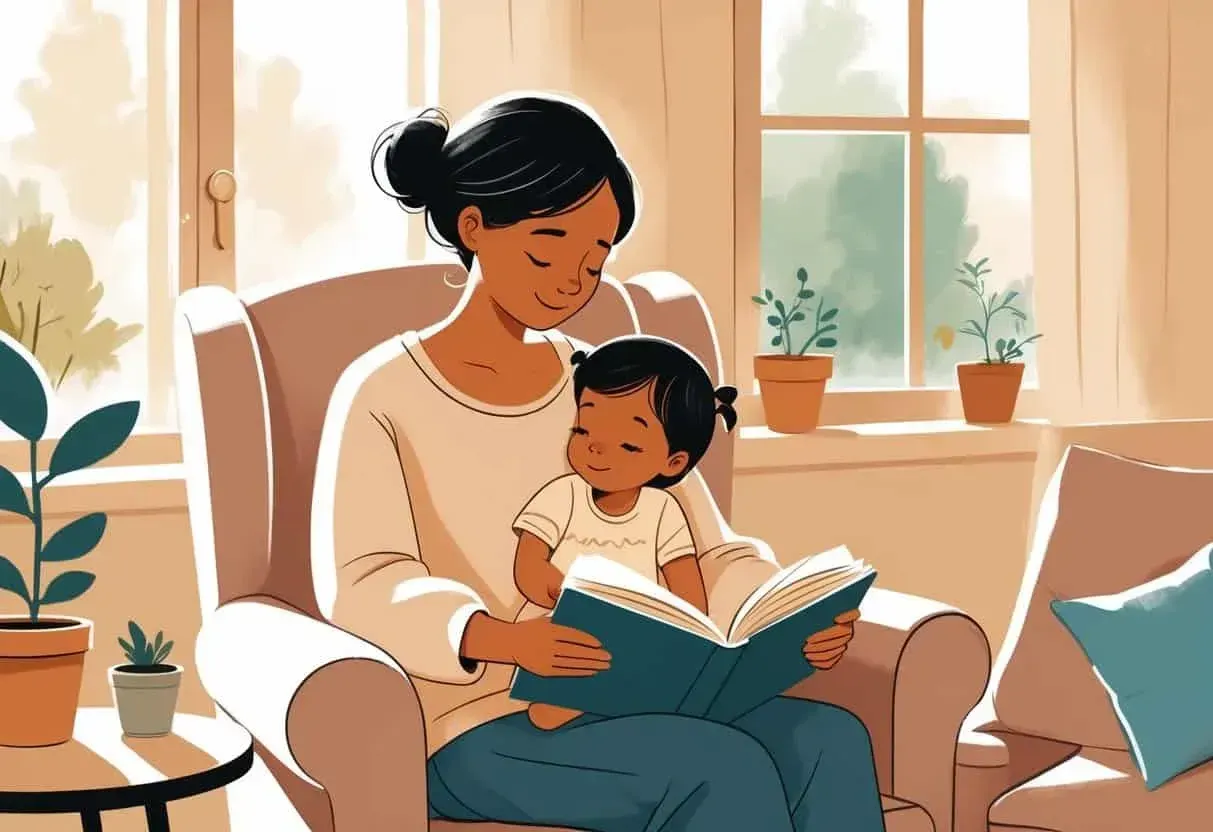
The medium's versatility allows creators to examine parenthood from wildly different angles: single parents scraping by, blended families navigating new dynamics, guardians stepping in for absent relatives, and even supernatural beings grappling with the fragility of human life. Genres range from tear-jerking drama to laugh-out-loud slice-of-life, and everything in between. The result is a rich tapestry of stories that feel both specific and universal.
These narratives don’t exist in a vacuum—they tie directly into career struggles, personal identity, and the relentless passage of time. Watching a character evolve from a self-doubting individual into a capable caregiver is a journey that resonates on a deeply human level. The following sections break down the key thematic elements, highlight standout series and films, and examine how production choices amplify the emotional weight of these family-centered works.
Central Themes of Parenthood in Anime
At its core, anime about parenthood grapples with the messy, evolving relationships that define family life. These stories do not shy away from conflict, nor do they offer easy answers. Instead, they mine the everyday moments—shared meals, bedtime rituals, arguments over homework—for their emotional truth, showing how trust and love are built one imperfect interaction at a time.
Family Dynamics and Relationships
Anime excels at illustrating how family roles shift under pressure. You might watch a teenager forced into a parental role for younger siblings, a grandparent rediscovering purpose while raising a grandchild, or an adoptive parent battling societal expectations to prove that love, not blood, makes a family. Shows like Usagi Drop tackle this head-on: a 30-year-old bachelor takes in a six-year-old girl, and the series meticulously documents their awkward early days, the bureaucratic hurdles, and the quiet joy of discovering they need each other.
Conflict is rarely villainized. Instead, misunderstandings and arguments become opportunities for characters to voice their fears and learn to listen. The strength of these depictions lies in their refusal to present any one family model as ideal; a single father who burns dinner every night is just as valid—and often more compelling—than a picture-perfect nuclear family.
Portrayals of Motherhood and Fatherhood
Motherhood in anime is frequently associated with warmth and emotional resilience, but the best series also highlight the isolation and self-doubt that can accompany it. In Wolf Children, Hana’s journey from naive young woman to fiercely determined mother is filled with moments of panic, exhaustion, and grief. The film does not gloss over the physical toll of single motherhood, making her quiet victories all the more powerful.
Fatherhood, meanwhile, is often portrayed as a balancing act between provision and presence. Protagonists like Tomoya in Clannad After Story wrestle with their own traumas while trying to be emotionally available for their children. The archetype of the gruff but devoted dad is common, but nuanced takes—fathers who cry, fathers who fail and try again—have become increasingly prevalent. Even in action-heavy genres, the protector instinct is often tied directly to a parent’s love for their child, as seen in the desperate ferocity of characters like Kiritsugu Emiya from Fate/Zero, whose complicated paternal motivations drive much of the plot.
Challenges and Growth Through Parenthood
Raising a child in anime is rarely a smooth path. Financial instability, emotional baggage, and external threats all serve as catalysts for character development. Parents are forced to confront their own limitations, whether that means swallowing pride to ask for help, working multiple jobs, or facing down inner demons that resurface when they see themselves reflected in their children. This is where the genre truly shines: the parent is not a static, wise figure but someone actively growing alongside their kid.
Small victories—a first step, a shared laugh, a child finally opening up—are weighted with the relief of a thousand struggles. The drama emerges from the gap between intention and reality, and the growth that happens when characters keep showing up anyway. It is this raw, process-oriented view of parenting that gives anime its emotional punch.
Notable Anime Series Exploring Parenthood
While many series touch on family tangentially, a select few make parenthood the engine of their plot. The following titles represent a spectrum of tones and formats, each using the parent-child bond to explore different facets of human connection.
Clannad and Its Impactful Family Arcs
Clannad and its continuation Clannad After Story are often cited as the gold standard for family drama in anime. The first season establishes Tomoya’s own fractured relationship with his father, while After Story pivots into his marriage to Nagisa and the birth of their daughter Ushio. What follows is a devastating study of grief, responsibility, and the redemptive power of unconditional love. Tomoya’s arc from directionless delinquent to devoted single father is gut-wrenching precisely because the series takes its time showing how every small choice leads to the person he becomes.
The show’s willingness to sit with sorrow—and to show that healing is neither linear nor guaranteed—resonates with anyone who has feared repeating their parents’ mistakes. It remains a benchmark for emotional storytelling, and its influence can be traced through countless later series that aim for similar catharsis. For more on its legacy, MyAnimeList’s entry on Clannad provides user reviews that reflect its lasting impact.
Usagi Drop: Unconventional Guardianship
Usagi Drop presents a quieter, more grounded exploration of parenthood through the lens of an unexpected guardian. Daikichi, a 30-year-old office worker, chooses to raise Rin, the illegitimate daughter of his late grandfather, after the rest of the family refuses her. The 11-episode slice-of-life series meticulously walks through the logistics of becoming a sudden parent—from daycare enrollment and changing work schedules to learning how to tie a child’s hair. The beauty of Usagi Drop lies in its refusal to sensationalize; every setback is handled with patience, and every milestone is celebrated with gentle joy. It proves that family is built through daily acts of care, not grand gestures.
(Note: The manga continues beyond the anime into controversial territory, but the animated adaptation stands alone as a complete and deeply satisfying narrative.)
Sweetness and Lightning: Cooking as Connection
Food often symbolizes love in anime, and Sweetness and Lightning uses it to reconstruct a grieving family. High school teacher Kōhei Inuzuka has been raising his young daughter Tsumugi alone since his wife’s death, relying on takeout and pre-packaged meals. When Tsumugi expresses a desire for home-cooked food, Kōhei’s journey into the kitchen becomes a metaphor for learning to care both for her and for himself. The series interweaves cooking lessons with tender father-daughter moments, emphasizing that parenthood is about showing up, even when you feel inadequate. The vibrant animation of each dish—steaming rice, crisp vegetables—mirrors the warmth the characters slowly rediscover.
Hanasaku Iroha: Generational Bonds
Hanasaku Iroha broadens the scope of parenthood to encompass multi-generational relationships. After her mother runs off, teenage Ohana is sent to live with her strict grandmother who runs a traditional inn. The series is less about direct parenting and more about how family expectations and generational trauma shape identity. Ohana’s grandmother, initially cold and demanding, is revealed to be a woman weighed down by duty and hurt; their slow reconciliation mirrors the hard work of any parent-child dynamic, just with the roles reversed. The show’s stunning visual depiction of the countryside inn grounds the emotional arcs in a tangible sense of place, reinforcing the idea that home is something you actively build.
Supernatural and Fantasy Approaches
Fantasy settings allow anime to externalize the fears and hopes of parenthood. Wolf Children uses lycanthropy as a metaphor for raising children who are fundamentally different from you—Hana must hide her kids’ wolf nature from the outside world while also giving them the freedom to explore it. The film’s third act, which follows her son’s choice between human and wolf life, is a heartrending meditation on letting go. Similarly, The Boy and the Beast uses a fantastical mentor-apprentice relationship to explore found fatherhood: the brash beast Kumatetsu and the orphaned boy Ren clash constantly, but their shared loneliness forges an unlikely paternal bond. These stories prove that even in other worlds, the emotional truths of parenting remain unchanged.
| Anime Series | Focus | Tone | Key Parent Characters |
|---|---|---|---|
| Clannad After Story | Grief, single fatherhood | Emotional drama | Tomoya Okazaki |
| Usagi Drop | Unconventional adoption | Slice-of-life | Daikichi Kawachi |
| Sweetness and Lightning | Grief, cooking, daily care | Heartwarming | Kōhei Inuzuka |
| Hanasaku Iroha | Generational healing | Realistic drama | Ohana, Sui Shijima |
| Wolf Children | Supernatural single motherhood | Dramatic fantasy | Hana |
Anime Films and Unique Formats Depicting Parenthood
Cinematic releases and shorter formats often distill the parent-child experience into an intensely focused narrative. Without the luxury of a full season to develop characters, these works rely on precise storytelling and visual poetry to convey the weight of their themes.
Maquia: When the Promised Flower Blooms
Maquia: When the Promised Flower Blooms is a masterclass in using fantasy to amplify the ache of parenthood. Maquia, an immortal girl from a secluded clan, escapes genocide and finds an orphaned human infant. Her decision to raise him initiates a lifelong bond doomed by their unequal lifespans. The film depicts each stage of Ariel’s growth—from babbling baby to rebellious teenager to elderly man—while Maquia remains physically unchanged. Director Mari Okada weaves themes of love, identity, and the passage of time into a story that is ultimately about the bittersweet nature of letting go.
The haunting score and lush backgrounds make the emotional beats land with surgical precision. For a deeper analysis of its themes, Anime News Network’s review explores its narrative construction.
Wolf Children: Ame and Yuki
Although often discussed alongside series, Wolf Children deserves mention as a standalone film that redefined how anime could portray the full arc of parenting. From Hana’s initial romance with the werewolf man to her rural struggle raising two shape-shifting children, the movie spans over a decade. It contrasts the parenting approaches Hana adopts for her more feral son Ame and her more socially inclined daughter Yuki, showing that love must adapt rather than dictate. The visual motif of seasons changing—harsh winters, hopeful springs—underscores every stage of maternal sacrifice and pride. The film’s final scene, where Hana smiles through tears as Ame disappears into the forest, distills the entire experience of parenthood into a single, piercing moment.
Sailor Moon: Parental Themes through Magic
Even iconic magical girl series like Sailor Moon weave parenthood into their fabric. While the central plot revolves around reincarnated princesses and cosmic battles, the 90s anime and its modern remake Sailor Moon Crystal devote significant attention to the Sailor Guardians’ relationships with their parents. Usagi’s bond with her mother Ikuko provides grounding humor and warmth, while Chibiusa’s arrival introduces a child-from-the-future dynamic that forces Usagi to confront her own immaturity. The Black Moon Clan arc, in particular, explores how corrupted versions of parental love can devastate. Magical conflict serves as a backdrop for timeless family dilemmas—misunderstandings, overprotectiveness, and the struggle to be seen as capable.
A comprehensive episode guide can be found on the Sailor Moon wiki, which details these relational arcs.
ONA and Adaptation Formats
Original Net Animations (ONAs) like Air offer a more impressionistic take on guardianship. In Air, the wandering puppeteer Yukito becomes a protector for the enigmatic Misuzu, a girl whose illness has isolated her from her family. The series’ dreamy pacing and fragmented flashbacks create a meditation on memory, loss, and the quiet heroism of simply being there for someone. Other adaptations, such as the anime of Barakamon (focused on a calligrapher finding family in a rural village), use the expanded runtime of a TV season to delve deeper into the found-family dynamic. These varied formats allow creators to experiment with how much—or how little—context they provide, trusting the audience to fill in the spaces with their own experiences of care.
Production Elements and Genre Influences
How an anime looks and sounds fundamentally shapes the viewer’s emotional response to its parent-child stories. Studios and composers make deliberate choices that amplify the themes of love, sacrifice, and growth.
Influence of Animation Studios and Character Designs
Studio P.A. Works, known for Hanasaku Iroha and The Eccentric Family, excels at crafting environments that feel lived-in, and their character designs prioritize expressiveness over flashiness. Subtle details—dark circles under a new mother’s eyes, the way a child’s hand clutches a father’s sleeve—convey volumes without dialogue. Madhouse, responsible for Wolf Children and The Boy and the Beast, often employs fluid, almost sketch-like animation during emotional peaks, lending a rawness that polished frames might lack. Meanwhile, Kyoto Animation’s work on Clannad and Sound! Euphonium uses luminous lighting and intricate backgrounds to create a heightened realism that makes the family drama feel immediate and tangible.
Role of Soundtracks in Family-Driven Narratives
Music in these anime acts as an invisible narrator, guiding the audience toward the intended emotion without overwhelming the scene. Composer Jun Maeda’s work on Clannad features simple, melancholy piano pieces that swell only at the crucial moments, making the viewer’s tears feel earned. In Maquia, Kenji Kawai’s orchestral score blends Celtic motifs with solemn strings, mirroring the film’s juxtaposition of eternal youth and mortal frailty. The lighter fare, like Sweetness and Lightning, opts for playful woodwinds and acoustic guitar to underscore the domestic warmth of cooking and eating together. These soundscapes become inseparable from the memories they accompany; hearing a single track years later can instantly summon the ache of a goodbye or the relief of a reunion.
Exploring Genre Perspectives
Different genres filter the parent-child relationship through unique lenses, preventing the theme from ever feeling stale.
Shonen anime frequently casts parenthood as a legacy to be honored or overcome. In Naruto, the titular character’s lack of parents shapes his entire arc, while later arcs see him struggle to balance Hokage duties with being a present father. My Hero Academia explores how parental expectations—from Endeavor’s abusive ambition to Inko Midoriya’s tearful support—directly influence a hero’s path. The action spectacle acts as a pressure cooker for these familial tensions, forcing characters to declare what kind of parent or child they want to be.
Isekai takes a different tack, often using displacement to highlight the irreplaceable nature of family. Series like Mushoku Tensei embed the protagonist’s new life within a family structure, making the nurturing of siblings and the protection of partners central to the plot. The yearning for a lost original world blends with the responsibility of building a new home, creating a layered emotional texture. When the isekai’d character becomes a parent themselves, the narrative gains philosophical weight: what does it mean to raise a child in a world you still see as unreal?
Mecha anime ties parenthood to grand-scale conflict, often through the inheritance of weapons or ideals. Mobile Suit Gundam has a long history of placing father-child rifts at the center of war—Amuro’s strained relationship with his engineer father, or Char’s manipulation of his own son in Char’s Counterattack. The cockpit becomes a place where children confront the sins (and creations) of their parents, literally piloting the machines their forebears built. These stories ask whether breaking the cycle of violence is possible when you are physically inside the legacy left to you.
Each of these genres, through its own conventions, reinforces the idea that parenthood is not a static role but a constantly evolving relationship shaped by the pressures of the world—and the world, in turn, is shaped by the way parents raise their children. The result is a body of work that, regardless of setting, remains grounded in the universal need to love and be loved across generations. For further recommendations, Crunchyroll’s family tag offers a curated list of titles that explore these dynamics.
The Enduring Appeal of Parenthood in Anime
What makes anime about parenthood so resonant is its willingness to look at the whole person—the parent who is also a friend, a worker, a dreamer, a failure. These stories do not offer sanitized versions of family life; they show the arguments, the tears, the meals made too salty, the lullabies sung off-key. By stripping away the pretense that parenting is a skill you either have or don’t, they replace it with a far more radical idea: that love is a practice, and family is what you build when you keep showing up.