Table of Contents
Key Takeaways
- Canadians overwhelmingly favour action and adventure anime, with long‑running classics and recent blockbusters dominating viewing charts.
- Streaming platforms like Crunchyroll and Netflix are the primary drivers of anime discovery, supported by a growing circle of local YouTube creators and media outlets.
- Genres such as slow‑burn political dramas, niche horror, and highly specific comedy often fail to connect with broader Canadian audiences, leaving large sections of anime culture underexplored.
Anime's Evolving Footprint in Canada
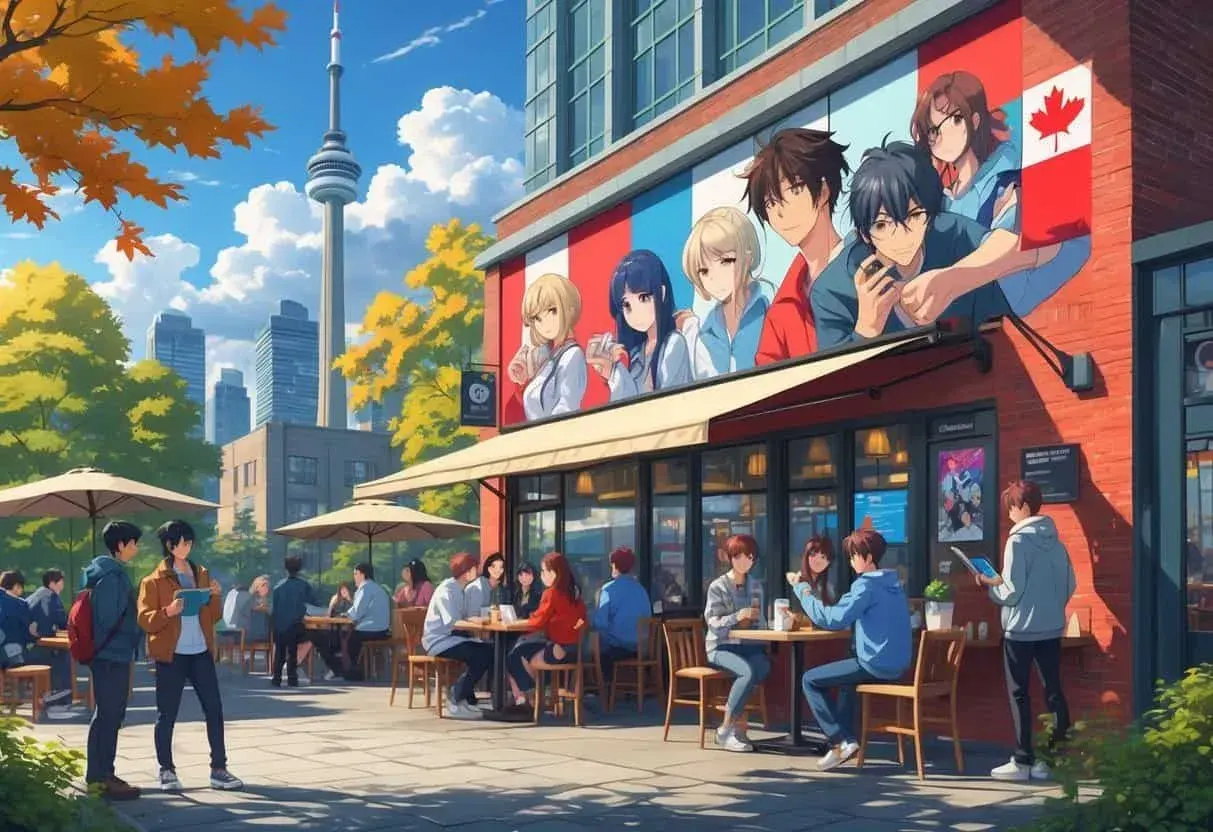
Anime in Canada has grown from a scattered selection of dubbed Saturday morning cartoons into a recognizable subculture that influences everything from fashion to gaming. Most Canadians over the age of twenty recalls encountering Pokémon or Sailor Moon during childhood, but the modern landscape stretches far beyond these nostalgic touchpoints. While the fandom is still more niche than in Japan or some parts of the United States, the signs of expansion are everywhere—crowded convention halls, dedicated late‑night streaming queues, and an increasing number of Canadian voices shaping the conversation around anime.
What makes the Canadian anime scene unique is not simply which series top the rankings, but how audiences access them and which genres remain stubbornly in the background. A visit to any major city reveals pockets of fans swapping manga, debating One Piece theories, or lining up for exclusive popcorn buckets at theatrical screenings. But travel outside urban centres and the conversation shifts. The mix of ubiquity and obscurity is what shapes how Canadians watch, share, and ignore anime in 2025.
What Canada Watches: The Most Popular Anime Right Now
The list of top‑tier anime in Canada doesn't differ radically from global streaming charts, but the reasons behind the appeal are worth unpicking. At the top sit battle‑focused epic like Demon Slayer and Attack on Titan, which deliver visually spectacular fights and relentless pacing. These series work largely because they demand immediate emotional investment and reward viewers with catharsis episode after episode. Meanwhile, My Hero Academia attracts both younger teenagers and nostalgic adults with its uplifting spin on the superhero genre, reinforcing a type of heroic optimism that plays well across Canadian demographics.
Long‑running franchises continue to enjoy an almost unshakeable status. Naruto and Dragon Ball aren’t merely old favourites; they’re cultural shorthand. Wearing a Hidden Leaf Village headband to a university lecture or a gym session is as common as sporting NHL merchandise. Even series like One Piece, which once faced resistance due to its daunting episode count, has seen a resurgence thanks to improved pacing in the Wano arc and prominent placement on Netflix Canada’s homepage. The recent live‑action One Piece adaptation further blurred the line between mainstream television and anime fandom, pulling in viewers who had never previously considered watching an animated show from Japan.
The most popular anime in Canada usually includes a blend of long-running classics and whatever’s trending on the big streaming platforms.
Alongside the obvious hits, there is a growing appetite for emotionally grounded stories. Violet Evergarden and Your Lie in April attracted substantial audiences on Netflix, suggesting that Canadians are not only chasing adrenaline but also thoughtful melancholy. Streaming data compiled by various analytics groups shows that the largest spikes in viewership often happen during winter months, when audiences are more inclined to binge long, character‑driven arcs from the comfort of home. This seasonal rhythm deeply influences which titles break out and which remain overlooked.
How Streaming Platforms Shape the Canadian Anime Diet
The dominance of streaming services cannot be overstated. Crunchyroll remains the core hub for dedicated fans, offering a catalogue of over a thousand titles, many of which are simulcast within hours of their Japanese broadcast. Its tiered pricing and the ability to watch ad‑free are frequently cited as deciding factors by Canadian subscribers. A significant portion of the community also relies on Crunchyroll for its regional licensing deals, which make certain series exclusive to Canada and help shape local viewing trends.
Netflix, on the other hand, serves as the onboarding ramp for casual viewers. The platform’s strategy of commissioning high‑profile originals such as Cyberpunk: Edgerunners and Castlevania (which, while not strictly anime, borrows heavily from its aesthetic) introduces anime‑adjacent storytelling to millions of Canadians who may never visit a fan forum. Convenience is the key: when a show autoplays after a popular live‑action series or appears in the “Top 10 in Canada Today” list, it gains visibility that no dedicated anime service can yet match. A look at Netflix Canada’s anime section reveals a carefully curated mix of shōnen hits, family‑friendly films, and moody science fiction—a selection that serves as a barometer for what the general public is willing to try.
YouTube functions as a third pillar, though in a very different way. Canadian creators produce analysis videos, ranking lists, and reaction content that often becomes the first point of discovery for a new series. Channels with a few hundred thousand subscribers can push a mid‑tier anime into the spotlight simply by championing it across multiple videos. And because YouTube’s algorithm rewards regional content, a video titled “Top 10 Anime Only Canadians Remember” can circulate with surprising intensity, tugging at nostalgic threads that global channels miss.
Community, Conventions, and the Power of IRL Gatherings
While digital spaces dominate viewing habits, physical events remain the heartbeat of Canadian anime culture. Anime North, held annually in Toronto, is one of the largest fan‑run anime conventions in North America. Over a single weekend, the venue transforms into a kaleidoscope of cosplayers, industry panels, and artist alleys that reinforce a sense of belonging. The convention’s web presence at Anime North is often the first stop for newcomers looking to gauge the scale of the local fandom. Similar gatherings in Vancouver, Montreal, and Calgary prove that enthusiasm isn’t limited to Ontario, though the Greater Toronto Area does possess a disproportionate influence on national trends.
These conventions do more than celebrate existing fans; they actively shape which anime develop a sustained following. Exclusive screenings, guest appearances by voice actors, and live music performances create emotional connections that no streaming algorithm can replicate. When a packed room of 2,000 people belts out the chorus of a Demon Slayer opening in unison, the community’s attachment to that series solidifies. Merchandise sales at these events also provide a rough but telling metric of what’s truly hot. Vendors consistently report that merchandise for Jujutsu Kaisen, Spy x Family, and classic Studio Ghibli films sells out fastest—a direct reflection of what Canadians are willing to spend money on, not just passively watch.
Local meetups and university anime clubs further fuel the ecosystem. In cities like Ottawa and Edmonton, casual screening nights allow enthusiasts to explore older or lesser‑known titles that algorithms ignore. These micro‑communities are where the seeds of the next cult hit are often planted, but their reach remains modest compared with the tsunami of content pushed by major platforms.
Genres That Thrive in Canada (and Those That Don’t)
Canadians show a strong preference for action, adventure, and fantasy anime. Series built around escalating power systems, clearly defined villains, and emotional turning points dominate the conversation. Shows like Fullmetal Alchemist: Brotherhood continue to be recommended years after their conclusion because they balance philosophical weight with kinetic fight choreography. Even slice‑of‑life stories that gain traction—such as Spy x Family—weave in enough action and covert operations to keep adrenaline levels up.
Dark psychological thrillers also occupy an interesting middle ground. Death Note and Code Geass hover near the top of most Canadian recommendation lists, proving that intellectual cat‑and‑mouse games can capture mainstream attention if they’re delivered with a sleek, dramatic flair. Attack on Titan merges body horror with political intrigue, and its success shows that Canadians will engage with morally complex narratives as long as the pacing remains breakneck.
On the flip side, certain genres struggle to break out of a limited niche. The following table summarizes some clear patterns:
| Genre or Type | Why It Fails to Connect |
|---|---|
| Dense political dramas | Heavy exposition and slow‑burn plotting alienate viewers looking for immediate engagement; cultural references can feel inaccessible. |
| Highly abstract horror | Unsettling imagery without a clear narrative hook tends to divide audiences; many Canadians prefer horror grounded in action. |
| Niche comedy (e.g., referential gag shows) | Humour reliant on deep knowledge of Japanese media or wordplay rarely translates smoothly, limiting the pool of potential fans. |
| Meditative slice‑of‑life without central conflict | While beautiful, these series often lack the dramatic hooks that drive word‑of‑mouth recommendations. |
Such series are not without their devoted pockets of admirers. Mushishi and Shōwa Genroku Rakugo Shinjū have passionate Canadian fans, but they are unlikely to ever trend on the Netflix Top 10. The difference is partly cultural, partly structural: without the promotional push that a shōnen blockbuster receives, quieter anime rarely breach the visibility barrier erected by algorithmic curation.
Canadian Media, Influencers, and the Word‑of‑Mouth Engine
One distinct feature of the Canadian anime ecosystem is the role played by homegrown media outlets and content creators. WatchMojo, headquartered in Montreal, has been producing “Top 10 Anime” lists for well over a decade. Their videos—covering everything from iconic anime battles to the saddest character deaths—accumulate millions of views and often serve as a gateway for curious newcomers. While the format is undeniably click‑driven, the sheer visibility of these lists normalizes anime within a broader entertainment diet.
Beyond WatchMojo, a constellation of smaller YouTube personalities dissect new episodes, compare manga to their animated adaptations, and unpack cultural references. Many Canadians cite these channels as their primary source for deciding what to watch next. The personal, low‑fi style of a creator seated in a bedroom studio resonates in a different way than polished corporate marketing. When a YouTuber from Vancouver raves about a lesser‑known title like Odd Taxi, their subscribers listen—and often act.
Mainstream media has also begun to dip its toes more confidently into anime coverage. CBC Radio occasionally features segments on the cultural impact of anime, while entertainment blogs and campus newspapers routinely publish seasonal preview guides. This gentle legitimization chips away at the lingering perception that anime is a fringe interest, encouraging older demographics to explore beyond their comfort zone.
The Under‑Explored Side: What Canadians Aren’t Watching
Despite the growing appetite for anime, a significant portion of the medium’s artistic range remains largely unknown in Canada. Mecha series outside of the Gundam franchise, for example, rarely generate substantial buzz. 86 Eighty‑Six made modest inroads due to its dramatic war narrative, but traditional giant‑robot showcases like Macross or Patlabor attract only the most dedicated genre historians. This gap is interesting because mecha once defined anime in the West during the Robotech era, suggesting that Canadian tastes have drifted decisively away from hardware‑centric storytelling.
Sports anime present a similarly uneven picture. While Haikyuu!! broke through to international acclaim, other sports‑themed shows—even excellent ones like Run with the Wind or Yowamushi Pedal—remain cult favourites at best. The lack of a strong local manga‑buying culture may partially explain this. In Japan, a sports manga can run for years and build a devoted readership before any adaptation airs; in Canada, the absence of that serialized foundation means that anime must succeed entirely on its own audiovisual merits.
Idol anime and shows about the Japanese entertainment industry barely register on Canadian radar. Cultural context is key here: without the ecosystem of AKB48 and similar groups, the slice‑of‑life drama of aspiring idols can feel insular or even alien. The same goes for heavily referential comedy that lampoons Japanese variety shows or voice‑actor culture; the jokes land softly, if at all.
Finally, there is the question of older anime catalogues. While film buffs may seek out the works of Satoshi Kon or the early films of Hayao Miyazaki, enormous back catalogues of 1980s and 1990s series remain virtually invisible to the average Canadian subscriber. Licensing hurdles, outdated aspect ratios, and the lack of push from streaming algorithms all contribute to a sense that anime history begins with Cowboy Bebop and then skips straight to the contemporary era.
Why Some Anime Never Catch On: Cultural and Structural Factors
Several overlapping factors explain why certain genres and titles fail to connect with Canadian audiences. Language and localization play a significant role. Although many fans are comfortable with subtitles, the casual viewer—who represents the difference between a niche hit and a crossover phenomenon—typically prefers English dubs. Series that receive a delayed or poorly produced dub, or that rely heavily on culturally specific wordplay, lose their chance at a wider audience almost immediately.
Distribution gaps also matter. While the major platforms have vastly expanded their anime libraries, regional licensing deals still leave many acclaimed series unavailable in Canada. A show that dominates conversation on American social media might be legally unwatchable north of the border without a VPN, effectively cooling off any potential hype. This patchwork availability can fracture the community, as fans find themselves unable to collectively experience a series in real time.
The pace of storytelling has become another dividing line. In an era where multiple seasons of Western television can be consumed in a weekend, anime that take five episodes to fully establish their premise risk losing the attention of a scrolling audience. Canadian viewers raised on tightly plotted Netflix originals often lack the patience for deliberately slow world‑building, which disproportionately affects cerebral and character‑driven series. The result is a marketplace that heavily incentivizes bombastic openings and constant escalation—a trend that leaves little room for quiet, reflective storytelling.
Cultural distance also cannot be ignored. While Canada is a multicultural country, the specific social rituals and comedic sensibilities of everyday life in Japan do not always map cleanly onto Canadian experiences. A romantic comedy built around the anxiety of a school festival confession may feel emotionally distant to a teenager in Saskatoon, not because the emotions are foreign but because the framing feels like it requires a footnote. The best‑loved anime in Canada tend to universalize their themes, stripping away the need for cultural translation while preserving a distinctly Japanese visual sensibility.
Looking Ahead: The 2025 Horizon for Anime in Canada
Several trends promise to reshape the Canadian anime landscape over the next two years. The continued investment in theatrical releases—such as special screenings of Suzume and the upcoming Demon Slayer films—keeps anime visible in public spaces, pulling in curious moviegoers who would never click on a streaming category. Physical media, once declared dead, is seeing a modest but noteworthy revival among collectors, and specialty retailers like Sunrise Records in Canadian malls now dedicate shelf space to limited‑edition Blu‑ray sets. This tactile engagement fosters a deeper commitment than any algorithmic recommendation can provide.
The growing number of Canadian voice actors working on major dubbing projects also strengthens the local connection. When a fan hears a familiar accent or recognizes a performer from a local theatre scene, anime starts to feel less like an import and more like a shared cultural enterprise. Social media platforms beyond YouTube—particularly TikTok—are flooding feeds with anime clips, cosplay transitions, and hot takes, often reaching audiences who have never consciously searched for anime content. This ambient exposure is quietly redrawing the boundaries of the fandom.
At the same time, the underexplored corners of anime are unlikely to vanish. The structure of viral attention means that whatever is loud, colourful, and easy to meme will continue to dominate. Slow‑burn mysteries, meditative dramas, and politically dense epics will remain the domain of the deeply invested. Yet that’s not entirely a loss; the health of a subculture is often measured by the strength of its niches, not just the height of its peaks. The Canadian anime community, uneven and evolving as it is, appears well positioned to continue growing in both directions—widening the mainstream while deepening the underground.