Table of Contents
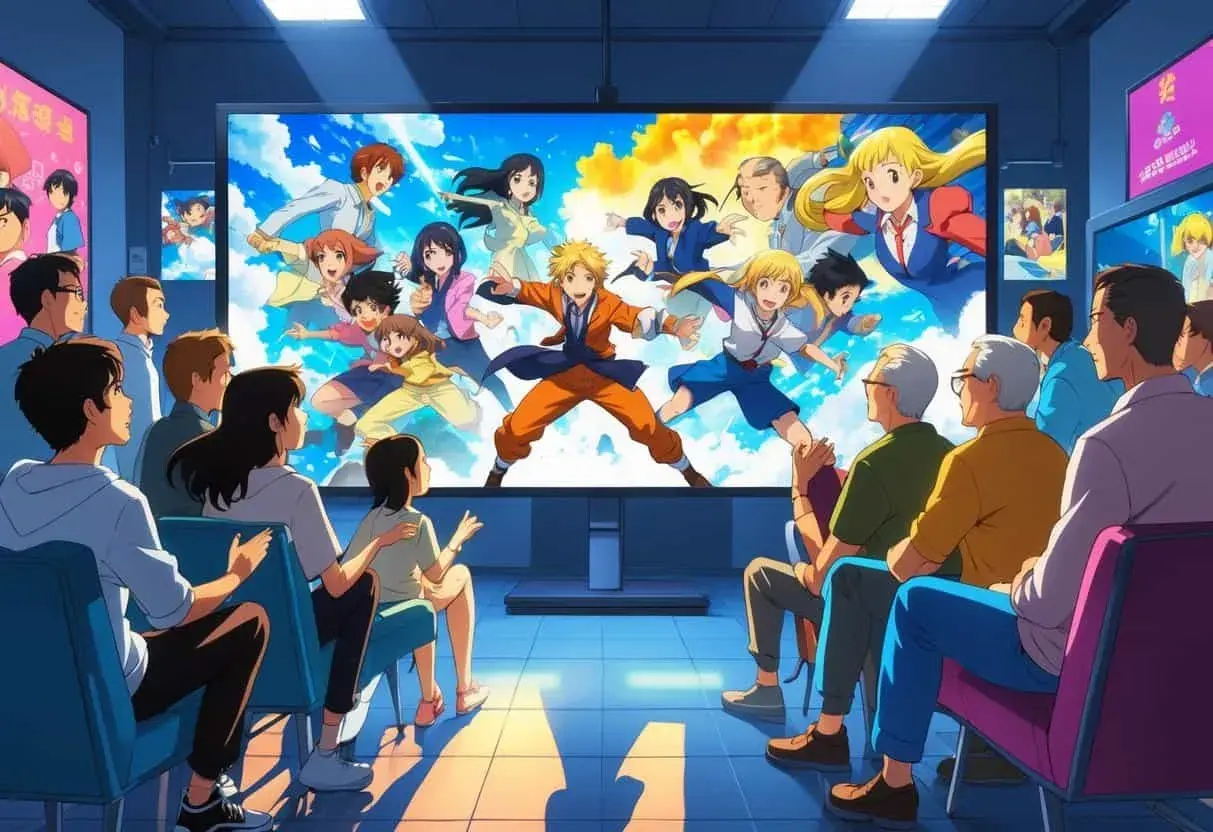
Anime has always been carefully shaped around specific audience profiles. Studios and marketers spend months refining character designs, promotional strategies, and even voice casting to appeal to a narrow demographic. Yet some of the most commercially successful and culturally influential series broke free from those carefully laid plans. Several anime originally aimed at one group found their most passionate followers in a completely different community, reshaping how the industry thinks about fandom and global distribution. These unexpected audience shifts often came as a surprise, but they also reveal just how adaptable the medium can be when it encounters new cultures, age groups, and viewing habits.
When a series is exported beyond Japan, the original marketing blueprint can become nearly irrelevant. A show designed for teenage boys in Tokyo might captivate adult women in Brazil, or a niche horror title could become a gateway series for preteen viewers in Europe. Such mismatches happen more often than not, driven by dubbing choices, platform algorithms, and the organic conversations that sprout in online communities. Rather than seeing these crossovers as anomalies, the industry is increasingly learning from them, adjusting both production and promotion to serve a global fanbase that rarely fits into neat demographic boxes.
How Anime Audiences Are Defined and Why They Shift
To understand why some anime land far from their intended targets, it is essential to look at how audience categories are built in the first place. In Japan, the primary demographic labels—shonen, shojo, seinen, and josei—have governed everything from the magazines that serialize manga to the time slots television series occupy. Each label comes with a set of expectations that influence everything from pacing to thematic depth.
Target Demographics and Their Creative Influence
A shonen series, typically aimed at boys aged 12 to 18, often centers on action, rivalry, and self-improvement. Shows like Naruto and My Hero Academia follow this template with training arcs, power-ups, and a strong moral core. By contrast, shojo works targeting girls of a similar age lean into romance, emotional nuance, and stylized character designs, with series like Fruits Basket serving as a prime example.
Older demographics also have their own distinct spaces. Seinen titles, designed for adult men, can explore darker psychological themes, political intrigue, or visceral violence—think Berserk or Ghost in the Shell. Josei anime and manga, on the other hand, offer adult women more realistic depictions of relationships and working life, as seen in Nodame Cantabile. These categories give producers a clear direction for merchandising, sponsorship, and broadcast placements. Yet, they are far from foolproof once a series leaves its home market.
Cultural Contexts That Alter Reception
What lands with Japanese teenagers might feel entirely different to audiences elsewhere, simply because cultural storytelling norms differ. An anime that saturates its source market with culturally specific cues—such as school festival episodes, honorific language, or local folklore—can still be picked up internationally, but the way viewers connect with it often changes. For instance, a series marketed domestically as a lighthearted high school comedy may be taken far more seriously abroad if the themes of friendship and identity resonate strongly with older viewers facing similar challenges.
Localization also plays a decisive role. When streaming platforms like Crunchyroll and Netflix commission multilingual dubs and subtitles, they sometimes emphasize different aspects of a show’s narrative than the Japanese marketers did. Dialogue changes, synopsis rewrites, and even promotional art can reposition a series for an entirely different audience. The result is a global environment where a single title can simultaneously be consumed as kids’ entertainment in one region and sophisticated drama in another.
Iconic Anime That Found Unexpected Fanbases
The most striking examples of demographic crossover often involve shows that were tightly branded for one niche but exploded in an unforeseen direction. These series illustrate how generic conventions, character depth, and occasionally even scheduling accidents can upend marketing plans.
Mobile Suit Gundam (1979) was originally conceived as a mecha show for adolescent boys, a successor to the super robot craze. Its real robot approach, featuring morally gray characters and the horrors of war, initially flopped until a rerun and the booming plastic model kit market drew in a much broader audience. Adults and drama-focused viewers, including women, embraced the series for its human conflicts, transforming Gundam into a multi-generational franchise that now spans hard sci-fi, political thrillers, and character-driven melodrama.
Similarly, InuYasha ran in Weekly Shonen Sunday and was promoted as a battle-fantasy title for young male readers. However, its long-form romance, tragic backstories, and compelling character dynamics attracted a substantial female following, both in Japan and overseas. Older viewers also flocked to the series, drawn by the historical Japanese setting and the slow-burn relationship between Kagome and the half-demon InuYasha. The show’s success on Adult Swim’s block in the United States, where it aired alongside more adult-oriented anime, further cemented its multi-demographic appeal.
Chainsaw Man debuted in Weekly Shonen Jump with an aggressive horror-action pitch, leaning on grotesque imagery and brutal fight scenes. Yet the series gained traction among viewers who typically avoid horror, largely due to its raw exploration of poverty, loneliness, and the desperate desire for human connection. Denji’s struggles resonated with young adults coping with economic anxiety, and the series’ dark humor won over audiences who came for the spectacle but stayed for the emotional wreckage.
Spy x Family provides a more recent and illuminating case. Marketed as an espionage comedy for adults, the show quickly amassed a devoted family audience. The adorable telepath Anya, the fake family’s genuine affection, and the slapstick humor turned it into appointment viewing for households around the world. Parents watched with their children, and younger viewers bought plushies while adults appreciated the Cold War parody and marital tension. The series became a textbook example of how wholesome packaging can quietly smuggle in sophisticated storytelling for mixed-age audiences.
Even Death Note, targeted at older teens and adult thriller enthusiasts, saw massive uptake among middle schoolers in many Western countries, sparking debate over its dark themes. The same psychological cat-and-mouse game that made it a hit with seinen readers delivered enough gothic flair and philosophical posing to become a playground obsession. Such crossovers underscore how difficult it is to predict who will ultimately adopt a show as their own.
| Anime Title | Original Target Audience | Unexpected Audience | Reason for Broader Appeal |
|---|---|---|---|
| Mobile Suit Gundam | Young male sci-fi fans | Adults, drama enthusiasts, women | Realistic war drama and complex human relationships |
| InuYasha | Shonen (young males) | Female viewers, older audiences | Romantic tension and historical fantasy |
| Chainsaw Man | Horror and action fans | Drama and psychological fiction readers | Character vulnerability and economic anxiety themes |
| Spy x Family | Adult comedy viewers | Families, children | Found family warmth and physical comedy |
| Death Note | Seinen thriller fans | Middle schoolers, casual viewers | Gothic atmosphere and moral dilemmas |
Key Factors Behind Crossover Success
The gap between intended and actual audience rarely appears by accident. Several structural forces consistently widen a series' reach, and understanding them helps explain why some anime become global touchstones while others remain isolated to their original niche.
The Power of Streaming and Global Distribution
The rise of simulcast streaming platforms like Crunchyroll, Netflix, and HIDIVE has obliterated the traditional broadcast window. Viewers no longer need to wait years for a localized DVD release; they can watch new episodes within hours of Japanese airing. This immediacy creates borderless fandoms where word-of-mouth spreads just as quickly. A show that might have remained a cult curiosity in Japan can explode internationally if it catches the algorithm’s favor or goes viral on TikTok.
Algorithms, however, are blunt instruments. They often recommend anime based on superficial genre tags rather than demographic signals. Consequently, a viewer who watches a superhero series might be served My Hero Academia, while someone browsing family comedies gets Spy x Family, regardless of the original marketing intent. This algorithm-driven discovery machine routinely mixes audience pools, accelerating the kind of cross-demographic pollination that used to take years.
Online Communities and Fandom Translation
Fan communities on Reddit, Discord, and X (formerly Twitter) act as massive amplification engines. When amateur translators, fan artists, and video essayists dissect a new series, they often highlight elements that the official marketing never emphasized. A horror-action anime can be reframed as a psychological character study within days, drawing in viewers who would have otherwise ignored the blood-soaked trailers.
These communities also normalize the idea that anime belongs to everyone. The social pressure to stay within one’s demographic lane dissolves when teenagers and retirees are debating the same show in a single forum thread. This shared space encourages risky clicks, pushing viewers to sample titles far outside their usual preferences and often transforming them into committed fans of something they never expected to enjoy.
Universal Themes That Bridge the Gap
Certain narrative elements naturally break demographic barriers. Stories centered on identity, belonging, and resilience resonate across age and culture because they address fundamental human experiences. A show about friendship and personal growth can hook a child on its adventure while simultaneously moving an adult with its portrayal of loss and change.
Humor, too, is a great equalizer. Physical comedy and expressive animation require little cultural translation, making slapstick-heavy series accessible to nearly everyone. When a show combines visual gags with deeper emotional beats, it creates multiple on-ramps: younger viewers laugh at the cartoonish exaggeration, while older ones appreciate the deadpan timing or satirical edge. This layered approach to storytelling is one of the reasons some anime quietly build massive, diverse fanbases without ever launching a broad marketing offensive.
The Ripple Effect on the Anime Industry
The phenomenon of accidental audiences has not gone unnoticed by producers, distributors, and advertisers. What began as pleasant surprises in sales data has evolved into a structural shift in how anime is developed, promoted, and monetized worldwide.
Marketing Strategy Evolution
A decade ago, anime marketing was overwhelmingly Japan-centric, with overseas licensing treated as a secondary revenue stream. Today, international pre-sales and co-productions heavily influence what gets greenlit. Companies monitor global streaming charts and social media sentiment before committing to full-season orders, and some have restructured their marketing departments to prioritize global launch campaigns from day one.
Major brands beyond the anime sphere have also taken note. McDonald’s successfully leveraged anime-style commercials and limited-edition merchandise to connect with global youth, tapping into an aesthetic that carries built-in emotional resonance. Such partnerships would have been unthinkable two decades ago, but the crossover audience phenomenon has made anime a safe bet for multinationals seeking authentic engagement with younger consumers. The official anime industry report by the Association of Japanese Animations repeatedly highlights overseas growth as the primary driver of the sector’s expansion, reinforcing the trend.
Production Choices Shaped by Global Feedback
Although Japanese production committees still prioritize domestic television ratings and manga sales, international feedback increasingly guides creative decisions. Series that explode abroad often receive expanded budgets for subsequent seasons, and studios are more willing to take chances on titles that blend genres previously considered too niche for the local market.
This feedback loop is not always direct, but it is noticeable. Creators now incorporate globally legible themes without sacrificing Japanese cultural specificity, striking a balance that would have seemed counterintuitive in the past. The result is a crop of new anime that feels simultaneously authentic and accessible—stories that acknowledge their roots while speaking a visual and emotional language that millions of viewers outside Japan can understand instantly.
Still, the influence remains uneven. Many production teams still test concepts primarily against domestic sensibilities, and it is not uncommon for an anime to be canceled despite a fervent overseas fanbase because its local metrics underperform. The industry is in a transitional phase, learning how much weight to give to the international audiences that increasingly keep it profitable.
What This Means for Future Anime Productions
As audience slippage becomes the norm rather than the exception, several patterns are likely to intensify. Co-productions between Japanese studios and Western streaming services are already blurring the line between anime and global entertainment, while the collapse of strict demographic ghettos opens the door to more experimental storytelling.
One emerging trend is the deliberate cultivation of multi-generational appeal. Creators now recognize that a hit like Demon Slayer not only sells tickets to teenagers but also brings families into theaters and drives merchandise sales among adults. Writers are paying closer attention to secondary characters and emotional subplots that can catch the interest of viewers who would normally ignore action-heavy titles. This holistic approach to character writing, once a hallmark of prestige novels and live-action dramas, is becoming a standard expectation in anime.
Another shift involves localization and dubbing practices. Writers and directors are increasingly involved in the international adaptation process to ensure that the tone and nuance survive translation. As a result, more shows land with their emotional core intact, increasing the odds that they will connect with unintended audiences. Companies that invest in high-quality dubs across multiple languages often see stronger retention and broader demographic spread, reinforcing the business case.
Nevertheless, the most profound impact of audience crossover may be cultural. Younger viewers growing up with anime as a mainstream medium have no memory of a time when cartoons were strictly for kids or when foreign media required an apology. This generation consumes stories from Tokyo, São Paulo, and Paris with equal enthusiasm, and their viewing habits are pushing the anime industry further into uncharted territory. The accidental fanbases of yesterday are becoming the primary audiences of tomorrow, and the industry is racing to keep up.
For deeper insights into how anime streaming is reshaping global viewership, the Anime News Network regularly tracks audience trends and licensing shifts. Industry analysts also monitor data from platforms like Parrot Analytics, which measure demand for specific anime titles across different global markets, providing a clearer picture of just how far these shows have strayed from their original demographic targets.
A Medium That Defies Categories
The journey of anime from narrowcast product to global phenomenon is a story of accidents, adaptation, and audience agency. Every time a series leaps the fence intended by its creators, it reminds the industry that viewers are not static labels. They are curious, emotionally complex, and often hungry for stories that challenge what they thought they liked.
This constant scrambling of demographics has forced anime to evolve into a medium that can entertain a hyper-specific otaku subculture one moment and a family of four the next. It is a remarkable flexibility that few other entertainment industries can match, and it continues to generate surprises. The next breakout hit might be a mecha story that middle-aged book club members adore, or a cooking show that drives teenagers into forum frenzies. That unpredictability is precisely what keeps anime culturally relevant and infinitely fascinating.