Table of Contents
Anime can capture mental health struggles in ways that feel surprisingly real—sometimes hitting a little too close to home. Many series focus on characters dealing with anxiety, depression, trauma, or other challenges, letting you see these issues from the inside out. These stories aren’t just entertainment; they’re honest, often raw narratives that push awareness and spark genuine empathy.
Key Takeaways
- Anime often portrays mental health challenges with striking realism, showing inner turmoil that mirrors real‑life experiences.
- These stories pack an emotional punch and offer perspectives that can deepen your understanding of anxiety, depression, grief, and isolation.
- Watching these anime can boost empathy and remind you that recovery is messy, nonlinear, but possible.
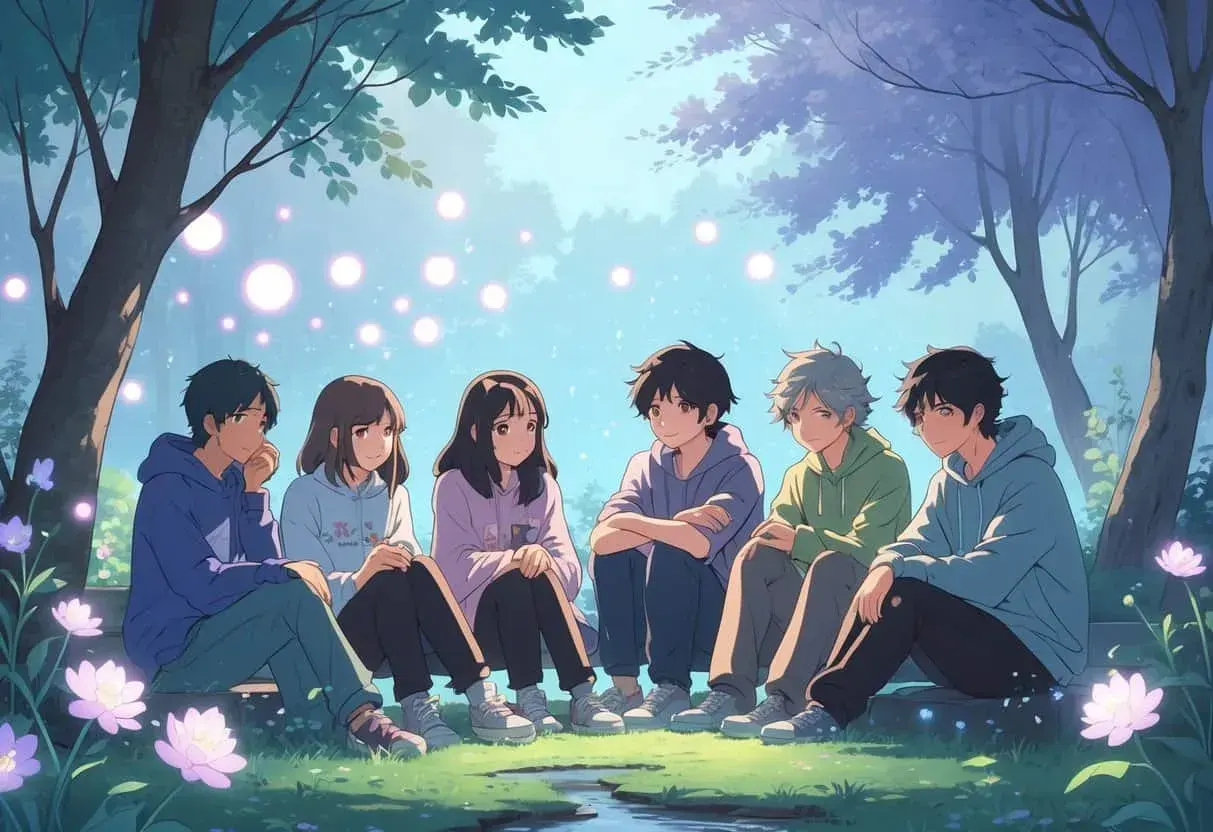
Impactful Representation of Mental Health in Anime
Anime frequently zooms in on specific feelings and moments to show what it’s like to live with a mental health condition. You watch characters wrestle with anxiety, depression, trauma, and loneliness in ways that feel honest and, at times, deeply relatable. These stories help you get a better handle on what these issues actually look and feel like—not textbook definitions, but messy, vivid, and sometimes uncomfortable truths.
Portrayal of Anxiety and Depression
Anime depicts anxiety and depression not as fleeting bad moods but as complex, sustained experiences that color every part of a person’s life. Characters are shown overwhelmed by racing thoughts, physically paralyzed by panic, or weighed down by a sadness that saps all motivation. In March Comes in Like a Lion, protagonist Rei Kiriyama’s depression is portrayed through muted colors, isolation, and a constant internal monologue that never quite lets up. The series doesn’t offer a quick fix; instead, you see him slowly learn to accept support from the found family that gathers around him.
Anxiety can appear as something as raw as a panic attack at the ice rink in Yuri!!! On Ice, where Yuri’s performance anxiety is front and center, complete with rapid heartbeat, self‑doubt, and overwhelming pressure. The show normalizes the fact that even elite athletes can be paralyzed by fear, and that seeking help—whether from a coach, a friend, or a therapist—is a strength, not a weakness. These narratives remind you that mental health struggles are often invisible and ongoing. There’s no neat conclusion, just people doing their best day by day.
Exploration of Trauma and Grief
Several anime dig deep into how trauma and grief shape personality and decisions. Characters navigate loss, painful memories, or sudden shocks that upend their world. The impact of trauma is often shown through intrusive flashbacks, emotional numbness, or the avoidance of anything that might trigger painful associations. Healing is rarely quick; it’s a process full of setbacks and moments of regression that feel achingly true to life.
Violet Evergarden follows a former child soldier trying to understand the concept of love and the weight of her own traumatic past. Each letter she writes for others forces her to confront grief she’s been running from, and the series shows how trauma can manifest as emotional disconnect and a fractured sense of identity. In Fruits Basket, generational trauma and abuse are unpacked through the cursed Sohma family, where members desperately try to break cycles of harm while battling self‑hatred and fear of rejection. The anime makes clear that trauma isn’t something you just “get over”—it rewires how you see yourself and the world.
Social Anxiety and the Hikikomori Experience
Japanese anime often shines a light on hikikomori—people who withdraw from society entirely, often due to severe social anxiety or depression. Welcome to the NHK pulls no punches in its portrayal of Tatsuhiro Satō, a college dropout who hasn’t left his apartment in years, convinced that a vast conspiracy is responsible for his failures. The show explores his paranoia, self‑loathing, and the terrifying steps it takes to even consider stepping outside. It’s a brutally honest look at how isolation feeds on itself and how difficult it can be to accept help.
Other series like Recovery of an MMO Junkie tackle social anxiety in more gentle ways, showing how online games can become both a refuge and a crutch. The protagonist Morioka finds comfort behind a screen, but the story recognizes that real connection requires vulnerability she’s not sure she can muster. These narratives underscore that social anxiety isn’t just shyness—it’s a debilitating fear that can dismantle a person’s ability to function, and anime portrays it with a rare combination of empathy and unflinching realism.
Themes of Loneliness and Isolation
Anime has a knack for making loneliness feel almost physical. Characters often sit in silent rooms, their internal monologue the only sound, as the weight of being different or unwanted presses down. Natsume’s Book of Friends follows a boy who can see spirits, a gift that has left him ostracized and perpetually adrift. His journey to build trust with both humans and yokai mirrors the slow, fragile work of healing from chronic loneliness.
In Anohana: The Flower We Saw That Day, the ghost of a childhood friend forces a group of estranged teenagers to confront the grief and guilt that tore them apart. Each character’s isolation is shaped by unspoken regret and the fear that they are somehow unworthy of connection. The series illustrates how loneliness can persist even when you’re surrounded by people, and that communicating honestly with others is often the first, hardest step toward mending those fractures.
Notable Anime That Address Mental Health
Some series don’t just touch on mental health—they make it the beating heart of the story. These titles push into uncomfortable emotional territory, letting viewers sit with characters’ pain until genuine understanding starts to bloom.
Neon Genesis Evangelion’s Psychological Depth
Neon Genesis Evangelion may be packaged inside a mecha sci‑fi epic, but its core is a devastating psychological dissection. Shinji Ikari battles depression, crippling anxiety, and a desperate need for affection that no one seems able to give. The series uses the Angel attacks as external manifestations of internal conflict, forcing Shinji—and other pilots like Asuka and Rei—to confront their trauma head‑on. The show’s later episodes dissolve into fragmented, surreal imagery that mirrors a mental breakdown, refusing to provide easy answers. It remains a benchmark for storytelling that treats psychological pain as central, not peripheral.
A Silent Voice and the Aftermath of Bullying
A Silent Voice examines mental health through the dual lenses of bullying and disability. Middle schooler Shoya mercilessly torments his deaf classmate Shoko, only to become a target himself after the bullying is exposed. Years later, consumed by guilt and suicidal ideation, he seeks redemption. The film doesn’t flinch from showing how bullying breeds depression and profound loneliness on both sides. Shoko’s own battles with self‑worth—feeling like a burden because of her deafness—add layers to the story.
Through quiet, carefully observed moments, the movie argues that reconciliation is possible, but only if you’re willing to sit with the hurt you’ve caused and the hurt you’ve endured.
Orange: Letters from the Future and Regret
Orange uses a time‑travel twist to spotlight depression and suicidal ideation. Naho receives letters from her future self, urging her to save Kakeru, a boy she knows will take his own life. The series painstakingly reveals how small, everyday actions—a kind word, an invitation to lunch—can be lifelines, but also how mental illness convinces someone they are beyond saving. Kakeru’s depression is depicted not as a single event but as a slow erosion, complicated by past trauma and guilt. The anime emphasizes that while you can’t undo the past, being present and persistent in your care can rewrite the story.
Emotional Journeys and Their Lasting Influence
Strong emotional storytelling in anime often serves as a mirror for the viewer’s own struggles. These titles use grief, moral dilemmas, and imaginative lenses to explore what it means to be emotionally wounded and how people find their way through.
Grief and Healing in Your Lie in April
In Your Lie in April, piano prodigy Kousei Arima loses the ability to hear his own music after his mother’s death. His grief is so profound that it silences the thing he loves most. The show doesn’t rush his recovery; it lets Kousei fumble through denial, anger, and sorrow before slowly reconnecting with music through the energetic violinist Kaori. The performances become a non‑verbal language for what he can’t yet say aloud. The series is a poignant reminder that creative expression can be both a refuge and a pathway back to emotional life.
Complex Morality and Mental Strain in Death Note
Death Note delves into the psychological toll of wielding absolute power. Light Yagami starts out as a brilliant student who believes he can cleanse the world of evil, but the weight of playing god warps his sense of morality and drives him into paranoia and isolation. The cat‑and‑mouse game with L isn’t just a battle of wits—it’s a sustained pressure that fractures Light’s psyche, revealing how quickly conviction can transform into megalomania and how solitude in such a burden spirals into self‑destruction.
Blending Fantasy and Reality in Mirai
Mirai weaves together family life and fantasy through the eyes of young Kun, who meets his not‑yet‑born sister visiting from the future. The fantastical sequences give shape to Kun’s jealousy, confusion, and fear of displacement. By interacting with relatives from different eras, he slowly learns to articulate emotions he barely understands. The movie uses imagination not as escapism but as a tool for processing real emotional upheaval, making it a gentle but effective portrayal of childhood anxiety and family change.
| Anime Title | Emotional Focus | Key Element |
|---|---|---|
| Your Lie in April | Grief and healing | Music as emotional language |
| Death Note | Morality and mental pressure | Power’s psychological toll |
| Mirai | Family change and imagination | Fantasy blending with reality |
| March Comes in Like a Lion | Depression and belonging | Found family and shogi as metaphor |
| Orange | Suicidal ideation and regret | Time‑travel as urgent care |
More Anime That Offer Insightful Mental Health Perspectives
Beyond the most frequently discussed titles, a broader catalogue of anime continues to explore mental health with nuance and heart. These series shine light on different facets of emotional pain and recovery.
March Comes in Like a Lion
Already mentioned, this series deserves a standalone highlight. Rei Kiriyama’s severe depression is portrayed with evocative visual metaphors—heavy water, crushing silence, a house left empty—and the slow warmth of the Kawamoto sisters’ home offers a counterbalance. The show illustrates that healing isn’t about erasing pain but about finding people who help you carry it. The competitive shogi world also becomes a lens for exploring performance pressure, burnout, and self‑worth tied to achievement.
Welcome to the NHK
This anime dives headfirst into hikikomori life, panic attacks, and the manipulative side of online escapism. Satō’s spiral is uncomfortable to watch precisely because it feels so authentic—his cognitive distortions, conspiracy theories, and relationship sabotage mirror what severe social withdrawal can look like. The series doesn’t romanticize recovery; tentative steps forward are frequently followed by devastating relapses, underscoring how nonlinear the process is.
Violet Evergarden
A former soldier searching for the meaning of love, Violet embodies the aftermath of severe trauma. Her emotional numbness and mechanical approach to relationships gradually give way as she writes letters that force her to confront feelings she was trained to ignore. The anime is visually stunning, but it’s the quiet, tear‑filled realizations about loss and human connection that make it a mental health touchstone.
Fruits Basket (2019)
The reboot of Fruits Basket explores a family bound by a curse that mirrors cycles of emotional abuse. Characters like Yuki and Kyo grapple with deep‑seated self‑hatred, while Tohru Honda models unconditional kindness without being a savior. The series unpacks how childhood wounds shape adult behavior and emphasizes that breaking free requires acknowledging pain rather than burying it.
Natsume’s Book of Friends
Through episodic encounters with yokai, Natsume slowly learns to trust humans after years of being labeled strange and unlovable. Each story peels back layers of loneliness and the lingering effects of being an outcast. The series is meditative, showing that healing can come from small acts of connection and self‑acceptance.
Anohana: The Flower We Saw That Day
A group of childhood friends, fractured by the death of one of their own, must confront the guilt and silent grief that have kept them isolated from one another. The supernatural presence of Menma acts as a catalyst, but the real work is done through messy, tearful conversations. Anohana captures how unprocessed loss can stall a person’s emotional growth and how shared mourning can be a path toward renewal.
Why Anime’s Approach to Mental Health Matters
Anime’s willingness to linger on internal worlds sets it apart. By externalizing emotions through stylized visuals, internal monologues, and symbolic settings, these stories make intangible struggles visible. This doesn’t just validate viewers who might recognize their own pain—it also educates those who haven’t experienced such challenges directly. The result is a medium that builds bridges of empathy without resorting to clinical distance.
Beyond personal insight, these anime can act as conversation starters. A character’s panic attack or depressive episode depicted on screen can make it easier to say, “That’s what it feels like,” opening a door to honest discussion with friends, family, or even a therapist. For anyone seeking additional understanding or support, organizations like the National Alliance on Mental Illness (NAMI) provide resources, helplines, and educational material.
When anime treats mental health with the complexity it deserves, it reminds us that these struggles are not moral failings but human experiences. Characters stumble, fall apart, and sometimes find their footing again. That honest, ongoing motion is what makes these stories resonate long after the credits roll.