Table of Contents
In the vast and visually rich world of anime, the most profound secrets are rarely announced with dialogue or spotlighted action sequences. Instead, they linger in the periphery—a framed photograph on a dusty shelf, a fleeting color shift in a sunset sky, or a recurring symbol woven into the fabric of a costume. These background details are deliberate choices by directors and animators, designed to convey critical plot clues that reward attentive viewers. By learning to recognize these subtle hints, you unlock a deeper layer of storytelling that transforms passive watching into an active, investigative experience. This approach turns every frame into a potential puzzle piece, encouraging you to question what lies beyond the main action.
Understanding how these subtle elements work can change the way you experience an anime and help you uncover deeper meanings within the story. Mastery of this visual language not only enhances your appreciation for the medium but also reveals the meticulous craft behind your favorite series. Whether you’re a casual viewer or a dedicated otaku, the ability to spot hidden narratives in background settings, object placement, and even weather patterns can lead to revelatory moments that redefine your understanding of character arcs and thematic resonance.
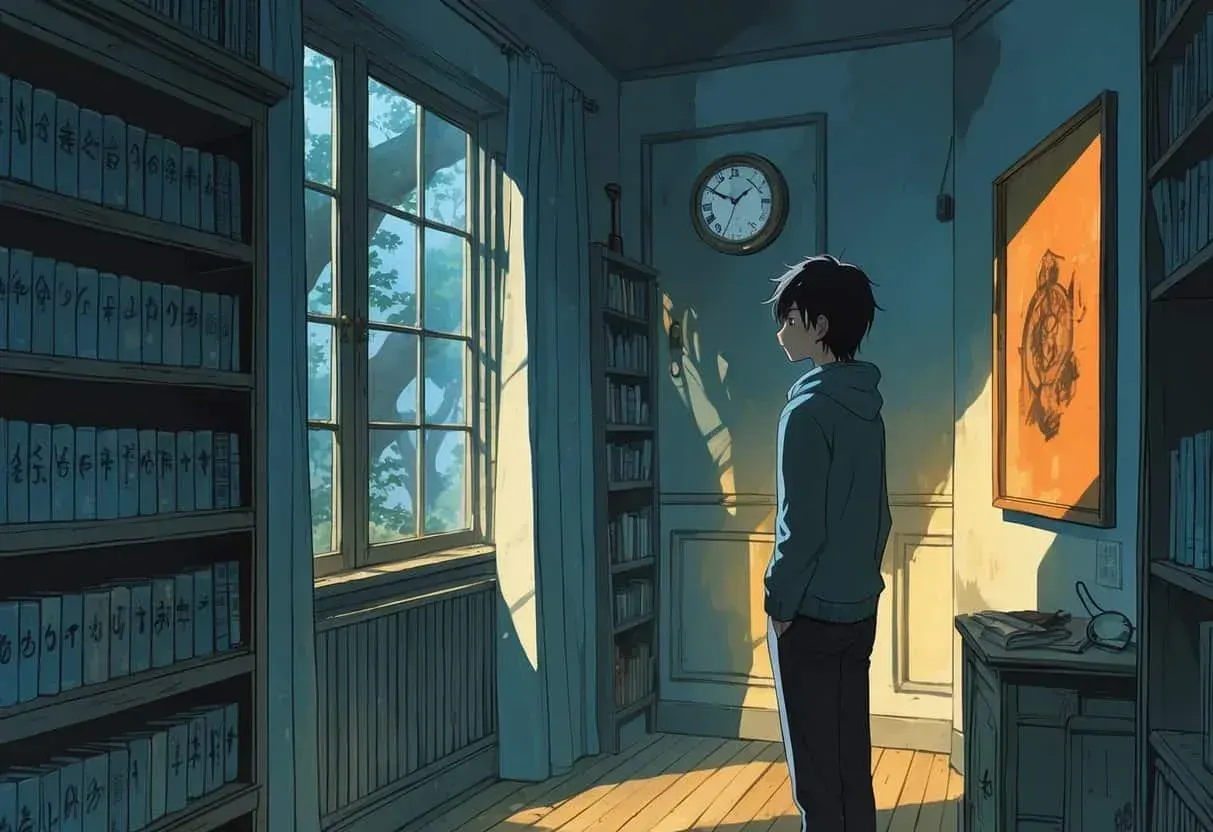
This technique keeps viewers engaged by encouraging them to pay attention to the details beyond the main action. Background clues can appear in objects, settings, or even fleeting expressions, shaping the overall story without drawing attention to themselves. For instance, a character’s shadow might elongate unnaturally during a tense conversation, hinting at inner turmoil or a looming betrayal. Such elements create a parallel narrative that runs silently beneath the surface, offering insights that dialogue alone cannot convey.
Recognizing these clues lets you see the anime in a new light and appreciate the craft behind the storytelling. Anime series that use this method well often leave your mind racing with theories and discoveries long after an episode ends. This sustained engagement fosters a deeper connection to the material, as you become an active participant in unraveling the plot. It’s a testament to the power of visual storytelling, where every background element is a potential key to understanding the bigger picture.
Fans enjoy piecing together these hidden messages, which can create a richer and more immersive experience. Your ability to spot these details brings you closer to the characters and their world. Online communities thrive on disassembling frames, sharing screenshots, and debating interpretations, turning anime into a collaborative puzzle. This collective effort not only amplifies the enjoyment but also highlights the depth of thought that goes into every scene.
How Background Details Shape Anime Narratives
Background details in anime often carry important hints woven into the story and the characters’ world. Paying attention to these subtle elements can deepen your understanding of the plot and character motivations. These details support storytelling by enriching scenes and adding layers beyond the main dialogue or action, often acting as a silent narrator that guides your emotional and intellectual response to the unfolding drama.
The Role of Subtle Clues in Storytelling
You will find many crucial story hints hidden in anime backgrounds. Small objects, changes in scenery, or even colors can point to future events or reveal hidden truths. For example, a worn-out photo on a wall might connect to a character’s past or a flashback. These clues guide your attention without making plot twists obvious, relying on the psychological principle of priming—where your subconscious picks up on details that your conscious mind may overlook until a climactic revelation.
In series like Paranoia Agent, the recurring motif of stuffed animals in the background signals the blurring line between reality and delusion, while in Monster, the meticulous arrangement of furniture in a psychiatric hospital hints at the systemic corruption that fuels the narrative. When you notice them, you understand the story’s deeper meaning or anticipate what will happen next. This technique is common in anime with complex narratives, where the background isn’t just decoration but part of the story itself, creating a layered experience that rewards multiple viewings.
Impact on Character Development
Background details also reveal character traits or growth without direct dialogue. Items in a character’s room or shifts in their surroundings can show changes in mood or personality. For example, a messy room might hint at stress or inner conflict, while a new piece of furniture could mark a turning point in their life. In Your Lie in April, the gradual addition of floral arrangements in the protagonist’s home visually mirrors his emotional recovery, a detail that many viewers initially miss.
Watching these small signs helps you connect with main characters on a deeper level. You see their struggles and history through what surrounds them. This adds richness to character development and makes their journey more believable and engaging. In March Comes in Like a Lion, the shifting compositions of shogi boards in the background silently track the protagonist’s strategic growth and mental state, offering a window into his psyche that dialogue never explicitly addresses.
Notable Anime That Excel at Hidden Plot Clues
You will find many anime use subtle details to enhance their stories. These details can appear in backgrounds, symbols, or small visual hints that deepen the plot. Paying attention to these elements can reveal more about the characters and the story’s direction without obvious exposition. The following series stand out for their masterful integration of environmental storytelling, each offering a unique approach to hiding narrative secrets in plain sight.
Attack on Titan: Tragedy Foreshadowed in Scenery
In Attack on Titan, the post-apocalyptic landscapes are laden with clues that foreshadow the series’ darkest truths. From the bizarre Titan markings etched into the trees of the Forest of Giant Trees to the precise yet unnatural architectural symmetry of the Shiganshina district, every setting serves a dual purpose. The Reiss chapel, with its intricate murals and hidden underground caverns, functions as a visual encyclopedia of repressed history, hinting at the true origin of the Titans long before the characters themselves uncover it.
Pay close attention to the recurring motif of winged heralds in the background of key political scenes; these subtly allude to the symbolic weight of freedom and the cyclical nature of conflict. The arrangement of worn boots at military camps and the faded insignia on survey corps uniforms talk of lost expeditions, seeding a sense of impending catastrophe that enriches the narrative’s exploration of sacrifice and memory.
Fullmetal Alchemist: Brotherhood – Alchemical Symbols in Backgrounds
Fullmetal Alchemist: Brotherhood employs a rich language of alchemical imagery to hide critical plot clues. Circles of transmutation drawn on floors, ancient texts placed on dusty shelves, and the precise array of laboratory equipment all act as visual footnotes to the story’s philosophical core. The ouroboros tattoos on the Homunculi are only the most obvious example; deeper patterns emerge in the stained glass windows of Central Command, which depict fallen angels and serpent motifs that prefigure the series’ revelations about Father and the Gate of Truth.
By observing the background details during Edward and Alphonse’s research scenes—such as the arrangement of books on alchemical theory with their spines subtly labeled with red markings—you can piece together the forbidden knowledge that drives the Elric brothers’ quest. These elements transform the world into a puzzle box, where the history of Xerxes and the creation of philosopher’s stones are hinted at through environmental storytelling long before the expository dialogue kicks in.
Cowboy Bebop: Layered Visual Storytelling
In Cowboy Bebop, many important plot clues are woven into backgrounds and character actions. Look closely at the items in Spike’s apartment or posters on the walls—they hint at his past without stating it directly. Episodes often include brief flashes of images or graffiti that relate to the story’s themes of loneliness and regret. The color choices and frame compositions are also meaningful, with a recurring pale blue palette evoking a sense of nostalgic longing that ties directly to Spike’s unresolved history with Julia and Vicious.
This layered approach encourages you to watch carefully for hidden emotional cues. The use of music and lighting work with visuals to build mood and hint at character backstories. For instance, in the iconic session “Ballad of Fallen Angels,” the crumbling cathedral and its shattered rose windows visually mirror Spike’s own fractured identity. This style makes Cowboy Bebop a rich experience beyond the surface story, rewarding those who notice the silent narrative told through empty streets and rain-soaked alleyways.
Kill la Kill and Studio Trigger’s Symbolism
Kill la Kill uses bold visuals packed with symbolism that reveals character motives and plot twists. Studio Trigger places icons and color codes in clothing and backgrounds to represent power struggles. For example, the Goku Uniforms and Life Fibers carry symbolic weight tied to control and freedom. The stark contrast between the sterile white of the Kiryuin conglomerate’s headquarters and the chaotic, colorful rebellion of the Mankanshoku household visually narrates the series’ central conflict between oppressive order and chaotic liberty.
You can spot foreshadowing in costume design changes and environmental details. The fast-paced action and exaggerated expressions don't hide the deeper messages; when Ryuko’s Scissor Blade glints against a backdrop of looming Life Fiber weaves, it quietly signals her true nature. By focusing on backgrounds and symbols, you get insight into the social hierarchy and conflicts early on, enhancing your understanding of the story. Even background props like the subtle placement of red threads in Everyday scenes prefigure the climactic revelations about the Life Fiber web.
Detective Anime: In-World Evidence and Crime
Detective anime genres, like Detective Conan and Psycho-Pass, excel in hiding clues in environments, dialogues, and cultural references. These shows expect you to analyze details such as fingerprints, timing of events, or wordplay in conversations. In Detective Conan, the background often contains essential forensic evidence—a strategically placed mirror reflecting a culprit, or a calendar with a date circled in red—that the narrative never explicitly highlights but which astute viewers can use to solve the case before the reveal.
The mysteries often depend on realistic or well-researched forensic evidence, challenging you to solve cases along with the protagonist. In Psycho-Pass, the public safety bureau’s surveillance cameras and the hovering holographic advertisements serve as constant background presences that critique the panopticon society, while specific numerical readings on Dominators hint at psychological states. This method of storytelling makes the anime interactive, turning viewing into a puzzle-solving process.
Easter Eggs in Modern Manga and TV Series
Many modern manga series and anime TV shows hide easter eggs—small references or inside jokes—in backgrounds or character designs. These can connect different works by the same author or hint at future events. For example, in the Monogatari series, the spines of books on Araragi’s shelf often contain titles that foreshadow upcoming character arcs or refer to classic Japanese literary themes, enriching the dialogue-heavy narrative with visual annotations.
You might find recurring motifs, hidden text on signs, or characters appearing briefly to link spin-offs. Studios like Kyoto Animation and Shaft frequently embed these details; in Madoka Magica, the intricate witch labyrinths are filled with fragmented imagery that tells the tragic backstories of magical girls long before the main plot addresses them. Studios also include nods to classic anime or pop culture, enriching the experience. These hidden elements add depth without disrupting the plot and encourage you to explore each frame carefully for hidden messages about the universe’s lore.
How Fans Uncover and Interpret Hidden Background Details
You can find many clues in anime by paying close attention to background details. These small elements often reveal important parts of the story or character motivations. Fans use different methods to spot and explain these hidden messages, turning anime viewing into a communal and analytical activity that extends far beyond the broadcast schedule.
The Fandom’s Role in Decoding Visual Messages
Fans play a big part in finding and sharing hidden clues from backgrounds. By watching scenes carefully, they spot symbols or objects that hint at deeper plot points. For example, fans noticed Light’s death on stairs in Death Note, showing his fate between heaven and hell, a detail reinforced by the surrounding architecture’s cross-shaped motifs. Online communities on platforms like Reddit’s r/anime or dedicated Discord servers help you connect these clues.
Fans post screenshots and ideas to compare scenes across episodes or seasons. This teamwork helps reveal meanings you might miss watching alone. Fan theories also discuss fan service, where certain details may have hidden meanings, not just to please viewers—like the recurring clock imagery in Steins;Gate that visually represents time loops. This way, fandoms contribute to deeper story understanding beyond the main action, often producing comprehensive analysis videos on YouTube that break down these visual elements frame by frame.
Streaming Platforms and Technological Influence
Streaming services like Crunchyroll and Funimation make it easier for you to analyze anime closely. You can pause, rewind, and watch episodes multiple times, which helps in spotting subtle background details. The high-definition playback and ability to take screenshots have revolutionized how fans interact with visual narratives, allowing for detailed comparisons that were impossible during television broadcasts.
Crunchyroll also offers subtitles and multiple language tracks, which helps if a visual clue ties to dialogue or cultural references that might be hard to catch in one language. These platforms often host fan discussions too, where you can find others pointing out small events meant to signal future plot turns. The MyAnimeList forums serve as a hub for sharing such discoveries, making streaming a powerful tool for uncovering a story’s secrets and fostering global collaborative analysis.
The Psychological Pull of Hidden Clues
The appeal of hidden background clues goes beyond narrative intrigue; it taps into fundamental human psychology. When you successfully identify an overlooked detail, your brain releases dopamine, triggering a sense of reward and satisfaction. This phenomenon, studied in literary and media theory as the “detective game,” is especially potent in anime due to its visual density. A series like Serial Experiments Lain leverages this by embedding narrative layers in the static of an old television or the wiring that fills the Wired’s virtual reality.
This engagement creates a stronger emotional investment in the story. Finding a clue like the subtle changes in the flower compositions in Clannad: After Story season deepens the experience of grief and hope, making the viewer an active participant in the storytelling process. The rewatch value multiplies as a result; each subsequent viewing offers a chance to uncover new facets, from a character’s shifting posture in a crowded room to a rarely noticed graffiti tag that comments on the plot’s thematic core.
Practical Tips for Spotting Hidden Plot Clues
To sharpen your ability to detect these visual secrets, adjust your viewing habits. Start by examining the periphery of each frame—look at the objects on shelves, the artwork on walls, and the state of the environment. Anime directors often use the “rule of thirds” to place key information in areas your eyes might naturally skip, so actively scan off-center spaces.
- Monitor Color Palettes: Symbolic use of color, such as the deepening reds in Revolutionary Girl Utena during dramatic revelations, can signal shifts in power or emotion.
- Note Repeating Motifs: Frequent appearances of a specific animal, phrase, or object—like the black cats in Bungo Stray Dogs that foreshadow misfortune—are rarely coincidental.
- Apply Cultural Context: Many clues rely on Japanese folklore or wordplay; researching common symbols like cherry blossoms for transience can illuminate cryptic backgrounds.
- Check Reflections and Shadows: Mirrors, windows, and water surfaces often reveal true identities or alternate realities, as seen in Puella Magi Madoka Magica where reflections expose witch barriers.
- Track Background Movement: In busy scenes, animated shifts—such as a slowly ticking clock or a passing character in a crowd—may convey vital information.
By practicing these techniques, you will transform your anime experience into a richer, more analytical journey. The next time you watch classics like Neon Genesis Evangelion or newer hits like Odd Taxi, you’ll find that the true story lies not just in the dialogue, but in the brilliantly crafted worlds that surround every character. This attentive approach reveals the artistry and intent behind every frame, ensuring that no critical plot clue ever escapes your notice.