Table of Contents
Introduction to Otaku Etiquette
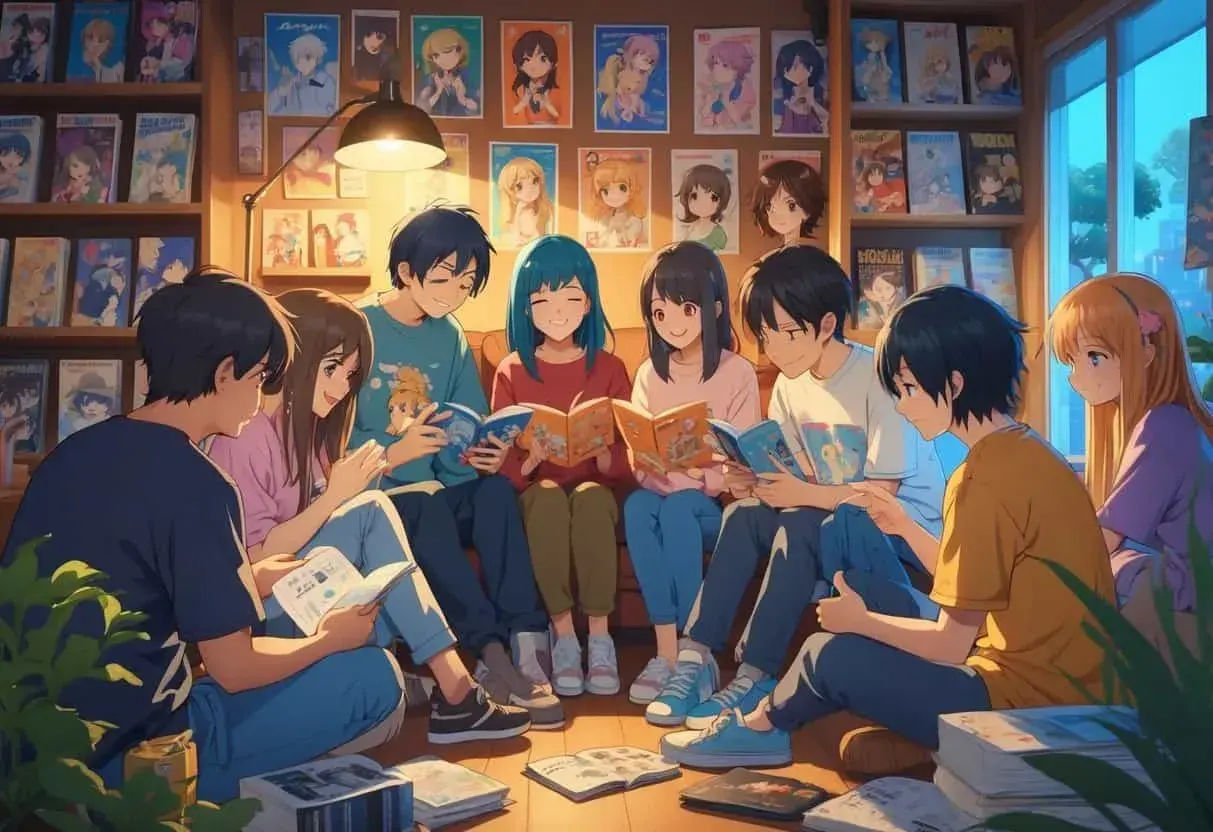
Being part of the otaku community isn’t just about binge-watching shows or collecting every limited-edition figure. There’s a whole set of unspoken rules that make the experience better for everyone. These customs—some borrowed from Japanese social norms, others forged in the crucible of global fan gatherings—shape how you interact, share your passion, and connect with both newcomers and lifelong enthusiasts.
Anime fan etiquette covers simple but important stuff, like picking the right moment to gush about your favorite series or knowing when to keep quiet at events. It’s about respecting personal space during a crowded convention, honoring the emotional investment of a friend who hasn’t finished a show yet, and crediting the artists who fuel the doujinshi scene. Without these guardrails, fandoms can become toxic. With them, fan gatherings stay fun and comfortable, and creativity flourishes.
As you dive deeper into anime, understanding these social cues helps you connect with others and really show you care about the culture. It’s not just about what you watch—it’s about how you share it. The unwritten rules aren’t meant to gatekeep; they’re a communal agreement to keep the experience safe, respectful, and endlessly enjoyable.
Core Principles of Anime Fan Etiquette
To be a decent anime fan, you’ve got to accept different tastes, watch out for spoilers, and use terms the right way. These things help keep the vibe friendly. Getting these basics down makes it easier to chat about anime and manga without stepping on toes, whether you’re at a meetup, in a Discord server, or replying to a tweet about the latest seasonal premiere.
Respecting Different Tastes
Anime fans are all over the map—shounen, shoujo, yaoi, yuri, mecha, moe, slice-of-life, isekai—you name it. Maybe you’re into tsundere types, or you’re all about imouto characters. Just because you don’t like someone’s favorite show doesn’t mean you should knock it. Calling someone’s pick “baka” (stupid) is just unnecessary and marks you as someone who’s more interested in scoring points than sharing joy.
Fans who love yaoi, yuri, or any niche genre deserve to feel safe sharing what they like. The moment you ridicule a series because it’s “not real anime” or demean its audience, you fracture the welcoming atmosphere that makes fandom worthwhile. Everyone’s got their thing, and the more you listen, the more you might discover a hidden gem. Try not to start debates over what’s “best” or which genre is “superior.” It’s far more rewarding to ask a fan why they love a show you’ve never considered—sometimes their insights reveal layers you’d missed entirely.
That said, discussing differing opinions isn’t forbidden. The key is tone. A thoughtful, “I didn’t connect with that arc, but I see why you liked the character development” lands much better than “that show is trash.” Remember, online spaces preserve your words forever. A snide comment from a decade ago can still haunt you when you’re trying to join a new community.
Understanding Spoiler Awareness
Don’t drop major plot twists without warning. Some shows—think JoJo’s Bizarre Adventure, Attack on Titan, Steins;Gate, or any series with wild reveals—really rely on surprise to make their emotional impact. Even seemingly minor details can change how a viewer experiences a story. Knowing a character dies or that a secret identity will be revealed can sap tension from dozens of episodes.
If you’re itching to talk about the latest episode, slap a spoiler warning on it. In chats or forums, use tags, spoiler text, or explicit reminders like “Spoilers for Episode 12 ahead” so people can decide if they want to know. On platforms like Discord, the spoiler tag function lets you hide text behind a clickable barrier, while sites like MyAnimeList and AniList offer built-in review sections where you can discuss plot points without ruining it for newcomers.
Nobody likes having a big moment ruined. A little spoiler etiquette goes a long way toward keeping trust in fan spaces. When in doubt, ask: “How far are you into the show?” Even a vague comment like “Just wait until episode 20” can be a spoiler, because it primes the viewer to expect a major event. Hold back, and you’ll be remembered as a thoughtful fan.
For conventions and panels, moderators often set spoiler policies. Follow them. If you’re attending a screening of an upcoming film, don’t discuss leaked content in the queue. Respect that the communal experience hinges on shared discovery.
Proper Use of Terms and Honorifics
Getting anime lingo right shows you’ve taken the time to understand the culture behind the media. Honorifics like -chan, -kun, -sama, and -sensei aren’t just random add-ons; they encode relationships, status, and affection. Knowing them deepens your appreciation of character dynamics.
- -chan: Cute, friendly, often used for close friends, children, or pet names.
- -kun: Typically for boys, young men, or subordinates in casual settings.
- -sama: Extremely respectful, reserved for figures of authority, customers, or deities.
- -sensei: Teachers, doctors, manga artists—anyone with mastery.
Mixing these up can lead to awkward misunderstandings. Misusing -sama for a friend is odd; calling your boss -chan could be disastrous. Similarly, terms like “chibi” (small and adorable) and “moe” (that warm, protective affection for a character) have specific emotional payloads. If you toss them around without grasp, you might sound like a tourist rather than an enthusiast. For a deeper dive, resources like Tofugu’s guide to Japanese honorifics break down usage with clear examples.
But don’t overcorrect into pretentiousness. Not every conversation needs a peppering of Japanese. Use these words when they help convey meaning, not to flaunt knowledge. Natural, respectful integration is the goal—speaking like a thoughtful fan, not a walking phrasebook.
Community Engagement and Social Spaces
Jumping into the anime community means picking up on some social cues. Each space—online or off—has its own vibe. Knowing how to act helps you make friends and shows you care about what others bring to the table. From bustling convention halls to quiet Discord servers, community norms vary, but the underlying respect remains consistent.
Navigating Online and Offline Communities
Whether you’re in a forum, a subreddit, or hanging out at a local fan club, being active and respectful goes a long way. Share your thoughts, but also take time to listen, especially on hot topics like Akihabara hauls or the latest doujinshi release. Monopolizing conversations or dismissing others’ opinions stifles the exchange of ideas that makes fandom vibrant.
Spoilers? Always warn first. Many platforms have dedicated channels or threads for current-season discussion—use them. If a space lacks such organization, a simple “Season 2 finale spoilers below” in bold provides a courteous buffer. Support small creators by buying or sharing their work, but avoid spamming self-promotion links in unrelated channels.
Read the room: a general anime chat might welcome fan art, while a serious lore discussion thread probably won’t.
Offline, at meet-ups, viewing parties, or comic markets like Comic Market, keep it friendly and don’t argue over which titles rule the scene. Respect venue rules—if the space says no outside food, don’t sneak in snacks. Clean up after yourself, and avoid blocking walkways with cosplay photoshoots. Those small acts of consideration make everyone feel welcome.
Convention Etiquette and Interactions
At conventions, personal space is huge. Crowded dealer halls and packed panel rooms test everyone’s patience. Give fellow attendees room to browse, and never shove to get to a booth. If someone’s wearing an elaborate costume, be mindful of their limited visibility and mobility. Most events publish their policies online; give them a read before you go so you know where photography is allowed and what props are banned.
If you visit maid cafés, butler cafés, or other themed experiences, remember you’re a guest. Be polite and follow staff instructions—those performers work hard to create a magical atmosphere, and rowdy behavior can ruin it for everyone. Tipping customs may vary, so check local norms. In Japan, for example, tipping is rare, but in Western convention pop-ups, it might be encouraged. A genuine “thank you” in Japanese (“arigatou gozaimasu”) is always appreciated, but don’t force it if you’re unsure.
Wait your turn in lines, clean up after yourself, and don’t pressure people to buy merch or join activities. The point is to enjoy the shared passion, not to show off or compete. The social contract at cons is simple: have fun, but not at someone else’s expense.
Cosplay Respect and Photography Rules
If you’re cosplaying, you’re both a performer and part of the crowd. Always ask before snapping photos of others, especially if their costume is revealing or complicated. A quick “May I take your picture?” goes a long way. Respect it if someone says no or limits poses—cosplay is about fun and self-expression, not fulfilling a stranger’s fantasy. The Cosplay Etiquette Guide elaborates on how to interact courteously with cosplayers, stressing that the person inside the costume is a human being, not a prop.
Don’t touch costumes, props, or wigs unless explicitly invited. Fine craftsmanship often takes months and can be fragile; unsolicited handling risks damage and feels invasive. When taking photos, watch your surroundings—don’t block fire exits or high-traffic pathways. If you’d like a group shot, organize quickly so you don’t monopolize the cosplayer’s time.
If you’re the one behind the camera, avoid giving unsolicited direction like “Can you do a sexy pose?” That crosses a line. Instead, appreciate the character and the effort. Sharing photos online? Tag the cosplayer if you know their handle, and never remove watermarks.
Credit is currency in cosplay culture.
Creative Expression and Fan Works
Making or sharing fan works—like doujinshi, fan art, fan fiction, or anime music videos—is a huge part of otaku culture. It’s about expressing yourself, but also respecting the folks who created the original stuff. Knowing how to navigate this side of the fandom keeps things positive and fair, ensuring that creativity remains a celebration rather than a point of conflict.
Sharing and Discussing Doujinshi and Fan Creations
Doujinshi, self-published comics often featuring derivative works, are a cornerstone of otaku creativity. You can join doujin circles or hit up events like Comic Market to buy, trade, and discuss these works. When you pick up a doujinshi, you’re holding someone’s passion project—often months of labor poured into a short story. Treat it with the same reverence you’d give an official manga volume.
When sharing or discussing fan creations online, focus on what the creator is trying to express. Did they expand a side character’s backstory in a clever way? Did the art style evoke a particular emotion? Tangible, constructive feedback (“I love how you handled the lighting in that scene”) means more than vague flattery. Critiques should be offered gently and only if the artist welcomes them.
Don’t share unfinished works or repost art without permission. Use fan databases like MangaUpdates or Pixiv to discover new artists and support them through official channels. When you retweet, reblog, or share, always link back to the original source. The community thrives when artists feel valued and safe to experiment.
Respecting Intellectual Property
Even if doujinshi reimagine existing characters, you’ve got to respect copyright. The original creators and studios own the foundational IP. In Japan, the doujinshi market operates within a delicate, largely tacit tolerance, but that doesn’t grant blanket permission to exploit others’ work. Never sell fan works for profit unless you’re absolutely certain the rights holders permit it and your derivative work meets legal fair-use criteria in your jurisdiction.
Always credit the original artist or writer when you share fan art or stories online. If you’ve been inspired by a specific scene or artist, mention them. Failing to credit not only disrespects the creator but can also mislead fans about the origin of the work. If you want to translate or adapt someone’s doujinshi or fanfic, ask permission first. A simple message can prevent hurt feelings and community backlash.
Supporting official releases is equally important. Buying licensed manga, streaming from legal services like Crunchyroll, and picking up official merchandise ensures that the industry continues to produce the shows and comics we adore. Think of fan works as a complement to official content, not a replacement. Following these rules helps the whole community thrive and keeps both official and fan-made art alive.
Cultural Considerations and Global Otaku Identity
Otaku culture isn’t the same everywhere. To really get it, you need to understand how it fits into Japanese society and how it’s changed as it’s spread worldwide. There’s some history and social nuance here that’s easy to miss if you’re not paying attention.
Navigating Japanese Cultural Nuances
In Japan, otaku culture comes with its own set of unwritten rules born from a society that values harmony, hierarchy, and indirect communication. Visit Akihabara and you’ll see fans following all sorts of silent codes: don’t block shop entrances, keep your voice down in niche merchandise stores, and refrain from filming without permission. Especially around expressions of moe—that soft spot for characters—Japanese fans may show restraint in public while letting enthusiasm erupt in designated spaces like themed events or online boards.
Otaku are often seen as a unique group, tied to youth and deep focus on hobbies like anime, manga, and galge (dating sims). Historically, the label carried a stigma: intense collectors and shut-ins were viewed as socially awkward failures. Even today, Japanese society can be ambivalent, celebrating economic contributions while privately eyeing otaku hobbies as childish. Understanding these cultural quirks helps you avoid awkward moments when you’re interacting with Japanese fans, visiting the country, or attending events like AnimeJapan. Simple gestures—like bowing slightly when greeting, using last names plus -san, and not waving figures in front of people’s faces—signal that you respect the culture behind the pastime.
Otaku Identity in a Global Context
The term “otaku” started as a second-person pronoun turned subcultural label for folks obsessed with anime, manga, or games. It wasn’t exactly a compliment at first—it called out people for being too invested or detached from “normal” society. But things change. Over time, otaku culture morphed and wandered far outside Japan, absorbing local flavors. In the United States, the word is often a badge of pride, stripped of much of its pejorative bite; in other regions, it remains a niche identity.
Now, you’ll see otaku influence almost everywhere. Conventions like Anime Expo in Los Angeles, Japan Expo in Paris, and Ani-Com in Hong Kong draw hundreds of thousands of attendees. Streaming platforms have made seasonal anime a global simultaneous experience, erasing the old days of bootleg VHS tapes traded in secret. Yet differences persist: Western fans might be louder and more openly emotional at screenings, while Japanese audiences often sit in respectful silence. Neither is wrong, but recognizing the gap helps you adjust your behavior when traveling or engaging with international communities.
Being an otaku means more than just liking stuff. There’s a certain vibe—intense passion, specific behaviors—that folks in the community seem to recognize and appreciate. It’s this weave of old-school Japanese social norms with modern, worldwide trends that makes the identity so fascinating. By pairing your enthusiasm with etiquette, you honor both the source culture and the global friendship that anime has inspired.
Putting Etiquette into Daily Fandom Life
Etiquette isn’t a checklist to master; it’s a mindset that evolves as you grow in the community. The otaku you are today—full of opinions, maybe still learning the difference between -chan and -tan—will someday be the veteran guiding a timid newcomer at their first convention. Pay the kindness forward. When you see someone accidentally drop a spoiler, correct them gently. When a new artist posts their first doujinshi, leave a comment of genuine encouragement.
These small acts compound, ensuring that anime fandom remains a refuge where anyone can geek out over their favorite mecha pilot or magical girl without fear of judgment.
The core of fan etiquette comes down to a simple question: “Would I want to be treated this way?” In the crowded aisles of a dealer’s hall, in the threaded replies of a Reddit episode discussion, and in the quiet moments when a cosplayer adjusts their wig, empathy is your best guide. Anime has given us countless stories about connection, resilience, and understanding. The least we can do is mirror those themes in how we treat each other.