Table of Contents
The Rise of Anime Fandom Across the African Continent
Anime conventions across Africa have undergone a dramatic transformation over the past decade, evolving from modest fan gatherings in borrowed community halls into major cultural events that draw thousands of attendees. What began as small groups of enthusiasts trading VHS tapes and sharing fan-subbed content has blossomed into a continent-wide movement with its own distinct identity and creative energy.
The growth trajectory reflects broader shifts in how African youth consume and interact with global media. Improved internet infrastructure, cheaper smartphones, and the expansion of streaming platforms have made anime more accessible than ever before. Services like Crunchyroll and Netflix have expanded their African libraries, while local distributors have worked to bring dubbed and subtitled content to audiences who might otherwise lack access. This digital availability created the foundation upon which physical conventions could thrive.
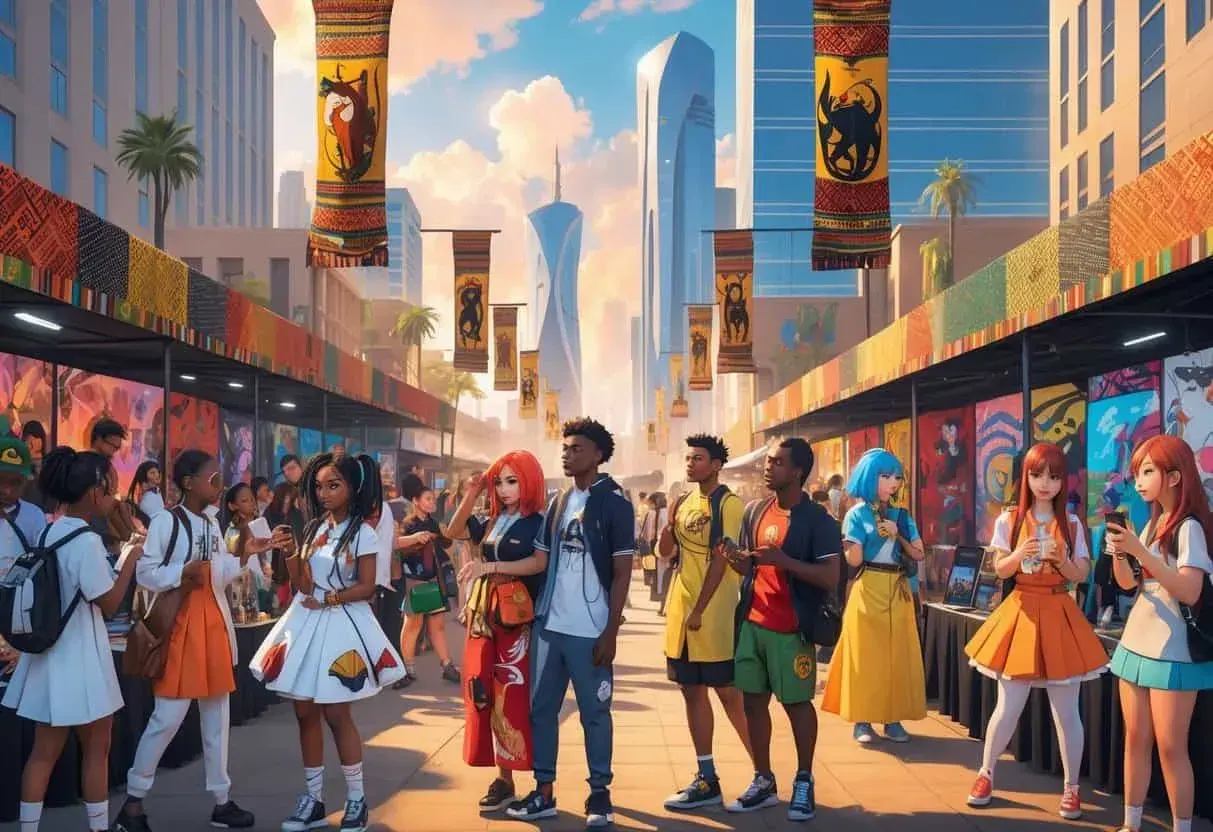
Today, you can find anime conventions in cities stretching from Cairo to Cape Town, each reflecting local culture while celebrating a shared passion for Japanese animation. These events serve multiple functions simultaneously: they are marketplaces for merchandise, stages for cosplay competitions, classrooms for animation workshops, and meeting grounds where friendships form across geographic and cultural boundaries. The communal aspect cannot be overstated—many attendees describe conventions as the first place they felt truly understood in their enthusiasm for a medium that was once considered niche or unusual in their communities.
According to BBC Africa coverage of youth culture trends, the anime phenomenon represents part of a broader shift in how young Africans engage with global entertainment while simultaneously asserting their own creative voices. The conventions have become spaces where this dual identity is celebrated rather than questioned.
Historical Development: From Underground Gatherings to Mainstream Events
The earliest anime fan communities in Africa formed during the late 1990s and early 2000s, centered primarily around television broadcasts of popular series. Shows like Dragon Ball Z, Pokémon, Naruto, and One Piece aired on local television stations across many African countries, creating a generation of viewers who would later become convention organizers and attendees. These broadcast-era fans developed deep connections to the characters and stories, often without knowing there was a broader global community that shared their interests.
As internet access expanded in the 2010s, fans discovered that their passion was part of a worldwide phenomenon. Online forums and social media platforms allowed African anime enthusiasts to connect with each other and with international communities. Facebook groups dedicated to anime in specific cities or countries began springing up, and these digital communities naturally wanted to meet in person.
The first formal anime conventions in Africa appeared roughly fifteen years ago, though precise dates vary by region. South Africa took an early lead, with events like UCT Anime Society gatherings in Cape Town and small festivals in Johannesburg that focused on Japanese animation and manga. Nigeria followed soon after, with Lagos-based organizers creating events that blended anime screenings with broader pop culture programming. These early conventions were modest affairs—often single-day events with panel discussions, video rooms, and perhaps a cosplay walk—but they laid essential groundwork.
The growth curve steepened dramatically between 2015 and 2020. Attendance figures multiplied, vendor halls expanded, and international guests began appearing on schedules. Conventions that once attracted 200 attendees began drawing 2,000 or more. Otakukon Zimbabwe, which started as a small meetup in Harare, grew into a multi-day festival featuring international guests, art exhibitions, and professional cosplay competitions. The event demonstrated that even in countries with smaller economies, there existed a passionate and organized fan base ready to support ambitious programming.
Eko Anime Fest in Lagos emerged as another landmark event, bringing together Nigerian animation studios, independent artists, and international distributors in a celebration that reflected the city's status as a creative capital. The festival highlighted African-made animation alongside Japanese imports, signaling a maturing cultural ecosystem where local creators could find audiences and commercial opportunities.
Major Convention Hubs: Where African Anime Culture Thrives
Lagos, Nigeria: The Commercial and Creative Powerhouse
Lagos has established itself as arguably the most dynamic anime convention hub in West Africa. The city's massive youth population, entrepreneurial energy, and position as Nigeria's entertainment capital create fertile ground for anime events. Conventions in Lagos typically feature extensive vendor halls where attendees can purchase merchandise ranging from imported figures and manga volumes to locally produced art prints, clothing, and accessories inspired by anime aesthetics.
The Lagos convention scene distinguishes itself through its integration with Nigeria's broader creative industries. Nollywood actors have appeared as guests at anime events, and some conventions now feature panels discussing how anime storytelling techniques might influence African filmmaking. This cross-pollination reflects the sophistication of Lagos audiences, who often consume entertainment across multiple genres and platforms without seeing rigid boundaries between them.
Workshops at Lagos conventions frequently focus on practical skills: digital illustration, animation software training, costume construction, and voice acting. These educational components address real gaps in formal training opportunities while building the capacity of Nigeria's emerging animation sector. Several studios that got their start showcasing work at anime conventions have since secured international contracts and distribution deals.
South Africa: Johannesburg and Cape Town Lead the Way
South Africa's convention infrastructure benefits from the country's more developed event management industry and its historical connections to international pop culture circuits. Comic Con Africa, while broader in scope than pure anime events, features significant anime programming and attracts cosplayers, artists, and fans from across the continent. The Johannesburg edition regularly hosts Japanese voice actors, anime screening rooms, and competitive cosplay events with substantial prize pools.
Cape Town's convention scene has a distinct character, often emphasizing artistic expression and indie creation. Events like FanCon incorporate anime into a broader celebration of comics, gaming, and pop culture, with local artists given prominent placement. The city's strong design and animation education programs feed into the convention ecosystem, producing skilled cosplayers, illustrators, and event organizers who raise the quality bar each year.
The South African convention circuit has also been successful in attracting sponsorship from international brands. Gaming companies, streaming platforms, and merchandise distributors see these events as gateways to the African market, providing funding that enables higher production values and more ambitious programming.
Harare, Zimbabwe: A Case Study in Grassroots Growth
The story of anime conventions in Harare illustrates how dedicated individuals can build significant cultural events even with limited resources. Otakukon Zimbabwe grew from informal meetups into a professionally organized convention that attracts international attention. The event's organizers have been transparent about their challenges—currency instability, venue limitations, and the difficulty of importing merchandise—while maintaining a focus on community experience.
Otakukon has emphasized art and creativity as core values. The convention features extensive gallery spaces where Zimbabwean artists display anime-inspired works, often incorporating local themes and aesthetics. Cosplay at Harare conventions frequently showcases remarkable ingenuity, with participants creating elaborate costumes from locally available materials when imported components prove prohibitively expensive.
The impact extends beyond the event itself. Otakukon has facilitated connections between Zimbabwean creators and international collaborators, from animation projects to artist residencies. These outcomes demonstrate how conventions can serve as launchpads for creative careers, not merely one-time entertainment experiences.
Emerging Cities and Regional Expansion
The anime convention map across Africa continues to expand, with several cities positioning themselves as the next major hubs. Nairobi, Kenya has seen steady growth in anime fan gatherings, supported by a tech-savvy population and a gaming community that overlaps significantly with anime fandom. Kenyan conventions often feature esports tournaments alongside anime programming, recognizing the shared demographic that fuels both interests. The Crunchyroll News platform has increasingly covered African fan activities, reflecting global recognition of the continent's growing importance to the anime industry.
Lusaka, Zambia represents an earlier stage of development but shows promising momentum. Small but enthusiastic convention teams are building event management experience and audience trust year by year. These emerging scenes benefit from lessons learned by their counterparts in larger markets, often avoiding mistakes and implementing proven approaches from the start.
Accra, Ghana has developed a growing anime community, with conventions that highlight the country's strong tradition of visual arts and storytelling. Events in Accra often feature comic book artists and animators alongside anime programming, reflecting the city's multifaceted creative culture.
North Africa presents a different landscape, with anime conventions in cities like Cairo, Egypt and Casablanca, Morocco connecting to both African and Middle Eastern fan networks. These events sometimes feature Arabic-dubbed anime screenings and panels exploring how Japanese animation reaches audiences across linguistic and cultural divides. The North African conventions benefit from relative proximity to European and Asian markets, which can make international guest appearances more logistically feasible.
What unites these emerging scenes is a pattern of organic growth driven by passionate local organizers rather than corporate mandates. This grassroots character gives each convention a distinctive flavor tied to its city's culture, even as the underlying love for anime provides common ground.
Cosplay Culture and Creative Expression
Cosplay has become one of the most visible and celebrated aspects of anime conventions across Africa. The practice of dressing as favorite characters resonates deeply with African fans, who bring remarkable creativity and resourcefulness to their costume construction. Many cosplayers in African countries face material constraints that their counterparts in wealthier regions might not encounter, yet the results often rival or exceed international standards of craftsmanship.
African cosplay frequently incorporates elements that reflect local identity. A cosplayer might portray a classic anime character while incorporating fabric patterns, jewelry styles, or color combinations drawn from their own cultural heritage. This fusion approach has generated significant discussion within global cosplay communities about authenticity, representation, and the boundaries between faithful recreation and creative reinterpretation.
Competition has become increasingly sophisticated at major African conventions. Judging panels now include experienced cosplayers who evaluate costume construction, performance, and character embodiment. Winners at events like Eko Anime Fest or the larger South African conventions sometimes receive sponsorship to compete at international cosplay championships, creating pathways for African talent to gain global recognition.
Beyond competition, cosplay serves important social functions at African anime conventions. For many attendees, wearing a costume provides a form of liberation—a chance to inhabit a different identity and express aspects of personality that might remain hidden in daily life. The convention environment offers safety and acceptance, where elaborate wigs, colored contacts, and dramatic makeup are celebrated rather than questioned. This psychological dimension helps explain the intense loyalty many fans feel toward their convention communities.
Photography has grown alongside cosplay as a complementary art form at conventions. Dedicated cosplay photographers now document events with professional equipment, and social media platforms buzz with convention images in the weeks following major gatherings. These visual records help grow awareness of African anime culture internationally, attracting attention from cosplayers and fans in other regions.
The Economic Dimensions of Anime Conventions
Anime conventions have developed into significant economic events for host cities, generating revenue across multiple sectors. Hotels fill with out-of-town attendees, restaurants serve cosplayers between panels, and transportation services benefit from increased demand during convention weekends. The multiplier effect means that even a modest convention can deliver meaningful economic impact to its local community.
The vendor economy at African anime conventions deserves particular attention. Artist alleys have become crucial sales venues for independent creators who produce prints, stickers, keychains, apparel, and original comics. For many artists, convention sales represent a substantial portion of annual income and provide direct market feedback that shapes future production decisions. The growth of digital payment platforms across Africa has made transactions smoother, reducing friction for both vendors and customers.
Merchandise importers have built businesses around supplying convention vendor halls with officially licensed products. The logistics of importing anime goods to African countries can be complex, involving customs regulations, shipping costs, and currency fluctuations. Successful importers develop specialized knowledge that allows them to serve markets that larger international retailers might overlook.
Sponsorship represents a growing revenue stream for convention organizers. Anime News Network has reported on increasing interest from Japanese licensors and international streaming platforms in reaching African audiences directly. This commercial attention brings financial resources but also raises questions about maintaining the community-centered character that distinguished early African conventions.
Technology, Gaming, and the Evolution of Convention Experiences
Gaming Integration and Esports
Gaming has become deeply integrated into the African anime convention experience. Fighting game tournaments featuring titles like Guilty Gear, Dragon Ball FighterZ, and Naruto Shippuden: Ultimate Ninja Storm draw competitive players alongside anime fans, creating crossover audiences that strengthen both communities. The overlap makes strategic sense—many anime series have game adaptations, and many gamers discover anime through the titles they play.
Esports organizations have begun partnering with anime conventions in several African countries, recognizing the events as effective venues for reaching young, digitally engaged audiences. These partnerships bring professional production values to gaming segments, with livestreamed tournaments, commentator booths, and sponsored prize pools. For attendees, the gaming zones offer interactive experiences that complement the viewing and shopping activities that dominate other convention spaces.
Tabletop gaming and trading card games also maintain a presence at many conventions. Collectible card games derived from anime properties—particularly Yu-Gi-Oh! and various Pokémon formats—attract dedicated player bases who organize tournaments alongside the broader convention programming.
Virtual Components and Hybrid Events
The period of pandemic restrictions accelerated experimentation with virtual and hybrid convention formats across Africa. While physical gatherings have enthusiastically returned, many organizers maintain online components that extend their reach beyond geographic limitations. Virtual panel streams, digital artist alleys, and online cosplay showcases allow participation from fans who cannot travel to convention cities.
Some African conventions now offer metaverse-adjacent experiences, creating persistent digital spaces where attendees can interact before, during, and after physical events. These platforms remain experimental but point toward a future where convention communities maintain continuous existence rather than appearing only on event weekends.
AI tools have begun appearing in convention programming, from chatbots that help attendees navigate schedules to generative art displays that spark discussion about technology's role in creative fields. Organizers approach these tools with a mix of enthusiasm and caution, aware that AI raises complex questions about artistic labor and authenticity that resonate strongly within fan communities.
Cultural Exchange and Narrative Innovation
The most profound impact of anime conventions in Africa may be their role in facilitating cultural exchange and narrative innovation. African creators are increasingly producing anime-influenced works that draw on local storytelling traditions, historical experiences, and contemporary realities. These hybrid narratives challenge the assumption that anime is exclusively a Japanese form, demonstrating instead that the visual language and emotional grammar of anime can express diverse cultural perspectives.
At conventions, you encounter artists who have studied anime aesthetics and adapted them to African contexts. Character designs might feature textured hair rendered with the same care given to animated hair physics in Japanese productions. Background art might depict savanna landscapes, bustling market scenes, or contemporary African architecture with the atmospheric attention typical of anime background painting. Story structures might incorporate non-linear time concepts drawn from African philosophical traditions while employing the episodic pacing familiar to anime viewers.
The Japanese concept of mono no aware—an awareness of impermanence and the gentle sadness of passing time—finds echoes in various African cultural frameworks. Conventions have become spaces where these philosophical resonances are explored through panel discussions, film screenings, and artistic presentations. The cross-cultural dialogue enriches both traditions while demonstrating that emotional truths transcend geographic and linguistic boundaries.
Several African animation studios that gained early exposure through convention circuits have since produced works for international distribution. These projects often carry visible anime influences while telling distinctly African stories, representing a creative synthesis that could only emerge from the cultural mixing that conventions facilitate. Animation industry publications have noted the emergence of African studios as contributors to the global animation landscape, with anime conventions serving as important venues for discovering new talent.
Challenges and the Road Ahead
The growth of anime conventions in Africa faces genuine obstacles that organizers navigate with determination and creativity. Infrastructure limitations in some cities mean that venues suitable for large conventions are scarce and expensive. Power reliability concerns require backup generator arrangements that add to operational costs. Internet connectivity, while improving, can still present challenges for events that want to incorporate livestreaming or interactive digital elements.
Currency volatility and import restrictions complicate merchandise logistics. Convention organizers who want to bring in official merchandise, Japanese guest artists, or specialty equipment must navigate regulatory environments that were not designed with pop culture events in mind. Each successful convention represents countless hours of problem-solving that remain invisible to attendees enjoying a smoothly run experience.
Intellectual property issues present another challenge area. The anime industry has historically been cautious about unauthorized use of its properties, and African fan communities sometimes operate in gray zones where official licensing channels are limited or nonexistent. As African conventions grow more prominent, they face increasing scrutiny and the need to formalize relationships with Japanese rights holders. Some organizers have proactively pursued these relationships, recognizing that sustainable growth requires operating within established legal frameworks.
Inclusion and accessibility remain ongoing priorities. Convention organizers increasingly consider how to welcome attendees with disabilities, how to create safe environments for female and LGBTQ+ fans, and how to ensure that events remain affordable for students and others with limited budgets. Progressive organizers recognize that conventions thrive when they genuinely serve their entire community, not just the most visible segments.
Looking forward, several trends appear likely to shape the next chapter of African anime conventions. Regional collaboration may increase, with organizers in different countries coordinating schedules and sharing resources. More formal relationships with Japanese industry stakeholders seem probable as the African market's potential becomes harder to ignore. Critical fan discourse around representation, cultural appropriation, and industry practices will continue to evolve, pushing conventions to engage with serious questions alongside their celebratory functions.
The development of original African animation with anime influences represents perhaps the most exciting frontier. As more studios produce work that reflects both anime aesthetics and African experiences, conventions will naturally become premier venues for premieres, creator appearances, and fan engagement. This evolution could transform African conventions from primarily consumption-oriented events into significant dates on the global animation calendar.
The anime convention phenomenon in Africa demonstrates how global media can be adopted, adapted, and transformed by local communities. What began as simple gatherings of fans has become a movement that nurtures creative talent, builds economic infrastructure, and facilitates cultural exchange across continents. The future promises continued growth, increasing sophistication, and an ever-stronger African voice in the global conversation about what anime can be and who it can serve.