Table of Contents
The Rise of Anime Fandom on Australian Campuses
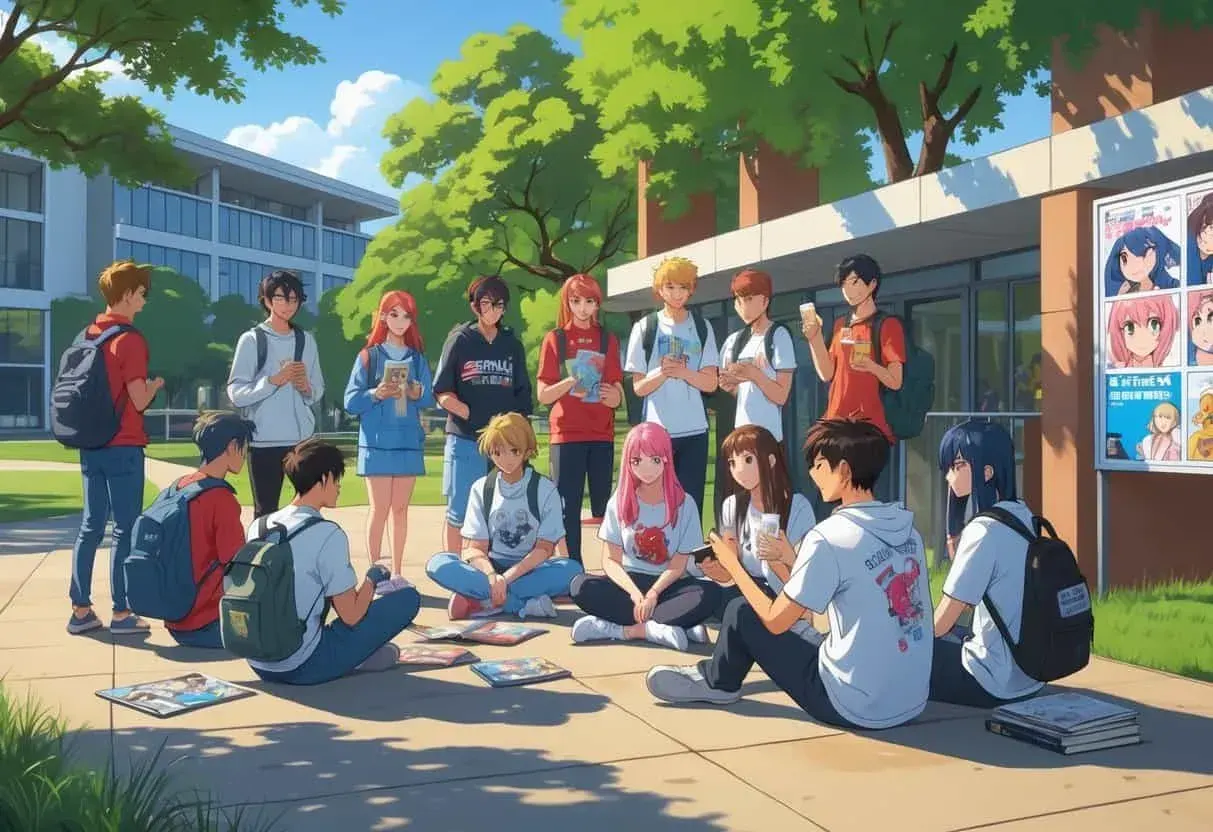
Japanese animation, or anime, has evolved from a niche interest into a defining element of student culture at universities across Australia. What began as small gatherings of dedicated fans in common rooms has blossomed into officially recognised clubs and societies that shape the social fabric of campus life. These organisations have moved far beyond simple viewing parties, transforming into vibrant hubs where students celebrate Japanese pop culture, forge lasting friendships, and explore their identities. Anchored in shared passions for manga, cosplay, gaming, and light novels, these groups offer a richly layered experience of community, creativity, and cross-cultural dialogue.
Anime clubs on Australian campuses provide a ready-made home for fandom, blending entertainment with genuine cultural appreciation. For countless students, joining one of these clubs becomes a defining part of university life—a way to meet friends, develop practical skills, and view pop culture from a completely different perspective. This comprehensive exploration takes you through the history, social dynamics, key activities, and wider cultural influence of anime clubs and otaku culture in Australian higher education.
Historical Roots and Campus Emergence
Anime clubs in Australia did not emerge overnight. In the late 1980s and early 1990s, small groups of enthusiasts began gathering informally in university common rooms and library corners, lugging VHS tapes of series that had only just started to trickle into the country through specialist import stores. These early meetings were often built around sharing fansubbed recordings—copies passed hand to hand long before streaming platforms existed. The arrival of the internet in the mid-1990s accelerated everything. Mailing lists, IRC channels, and later web forums let isolated fans find each other, share recommendations, and coordinate meet-ups across state lines.
By the late 1990s and early 2000s, most Australian universities had officially registered anime societies, complete with executive committees and regular event calendars. Clubs mirrored global otaku culture but quickly developed their own flavour, blending Japanese media fandom with local university traditions. Film screenings moved from small CRT televisions to lecture theatres, and cosplay started appearing at campus festivals. The organisational structure gave these groups staying power, allowing them to grow in membership and ambition year after year. Some clubs established formal constitutions, secured funding from student unions, and even entered into partnerships with Japanese cultural organisations within Australia.
A pivotal moment arrived in the mid-2000s when streaming services began offering legal access to anime, reducing reliance on imported physical media. Yet rather than diminishing the role of clubs, this accessibility increased their appeal. Students who discovered anime through online platforms sought out like-minded peers, swelling club membership rolls. The grassroots energy of those early fan communities persists today in club Discord servers, subreddit threads, and social media groups where members share art, organise events, and debate weekly episodes in real time.
Building Communities Through Shared Fandom
At their core, anime clubs are about people and the relationships they build around a common interest. Weekly screening nights form the backbone of most societies, offering a low-pressure way for members to watch both the latest seasonal hits and cherished classics. Yet socialising does not stop when the credits roll. Clubs organise board game afternoons, trivia competitions, karaoke outings featuring anime theme songs, and food crawls to local Japanese restaurants. These activities transform casual attendees into a tight-knit community where venting about a disappointing season finale or debating the merits of a particular studio's animation style becomes part of the daily rhythm.
Safety and belonging are central to the club experience. Many members describe their society as a space where they can express their interests without fear of judgement. For international students from Japan or elsewhere in East Asia, these clubs often become a cultural bridge—a place where they can share their home media in a supportive environment while also learning about Australian student life. The collective enthusiasm creates a powerful sense of ownership: members do not simply consume anime; they collectively shape what the club watches, how it celebrates, and how it presents itself to the broader university community.
This sense of ownership extends to governance. Most clubs operate with elected executive committees responsible for programming, finances, and outreach. Leadership roles provide students with transferable skills in event management, budgeting, and team coordination. Former club executives frequently cite their experience as a highlight of their university career, noting how the responsibilities prepared them for professional environments. The mentoring dynamic between senior and junior members also ensures institutional knowledge is preserved, with traditions passed down through cohorts much like folklore.
Profile of Leading Anime Societies
Numerous Australian universities boast well-established anime clubs that have become landmarks in the national fan landscape. While each group has its own personality, they all illustrate how student organisation can elevate a hobby into a significant cultural presence on campus.
University of Melbourne Anime Society
The University of Melbourne Anime Society stands as one of the oldest and most active clubs on campus. Weekly screenings draw consistent crowds, but the society is equally known for its cosplay workshops, where members learn sewing techniques, wig styling, and armour crafting. Art book collaborations with local illustrators have produced limited-edition publications that showcase member talent and fund club activities. The society maintains close ties with the university's Japanese Studies program, occasionally hosting guest lectures from academics who explore media representation and cultural translation.
Sydney Anime Club (SYNIME)
At the University of Sydney, SYNIME has built a reputation for industry engagement. The club regularly invites guest speakers from animation studios, distribution companies, and local fan conventions to share their expertise. Inter-university quiz nights pit SYNIME members against rivals from other campuses, fostering friendly competition and cross-club friendships. Themed café pop-ups, where members dress as characters and serve Japanese-inspired snacks, have become a beloved tradition that attracts attention from the broader university community.
Anime@UQ
The University of Queensland's Anime@UQ has grown into one of the largest anime societies in the country. Its annual mini-convention draws hundreds of attendees from across Brisbane, featuring vendor stalls, panel discussions, cosplay competitions, and indie game showcases. The club maintains a dedicated manga library with hundreds of volumes available for members to borrow, supported by donations and fundraising efforts. Fan art exhibitions rotate throughout the semester, giving aspiring artists a platform to display their work and receive constructive feedback.
Monash Anime Club (MAC)
Monash University's MAC emphasises cross-cultural exchange alongside entertainment. Regular cultural events invite Japanese international students to share their perspectives on anime and manga, creating dialogue between domestic and international members. Gaming tournaments featuring both retro classics and modern fighting games attract members who might not attend regular screenings, broadening the club's appeal. Cosplay meetups coordinate group appearances at Melbourne conventions, where MAC members have won multiple awards for their craftsmanship.
UNSW Anime Society
The University of New South Wales Anime Society combines creative expression with community service. Weekly drawing sessions help members improve their artistic skills, while charity fundraisers have raised thousands of dollars for organisations such as the Starlight Children's Foundation. The society partners with the university's Japanese Cultural Society to mount larger festivals that mix film, food, and interactive exhibits. These collaborations introduce members to new interests and demonstrate the interconnected nature of fan culture on campus.
ANU Anime Club
At the Australian National University, the anime club has developed a distinctive academic flavour. Guest lectures from researchers in media studies, animation history, and Japanese cultural studies enrich the club experience and tie fandom to the university's broader educational mission. Seasonal festivals celebrate events such as Tanabata and Hanami, incorporating traditional elements alongside anime-themed activities. Collaborative film projects, where members produce short animations or live-action parodies, have screened at Canberra community events.
Clubs like these regularly collaborate with external fan groups, artist circles, and national conventions such as SMASH! Sydney Manga and Anime Show, AVCon Adelaide, and Manifest Melbourne. Such partnerships keep clubs connected to a wider creative economy and give members opportunities to volunteer, exhibit, or appear on panels.
Club Activities, Events and Creative Expression
Anime Screenings and Themed Marathons
Screening events are the bread and butter of anime clubs, but they have evolved well beyond passive watching. Many societies organise entire seasons of programming, selecting shows by genre, studio, or decade. A typical semester might include a Ghibli retrospective, a mecha marathon, or a hidden gems night dedicated to series that never received a wide release. Watching together in a lecture hall with a live audience creates a cinema-like atmosphere and fuels instant discussion. After a screening, members often break into small groups to dissect plot twists, character arcs, and animation techniques, transforming the viewing into an active, critical experience.
Some clubs have introduced themed marathon events that run for six to eight hours, complete with intermission activities, food breaks, and prize giveaways. These marathons build anticipation and camaraderie, as members bond over their shared endurance of emotionally intense series or laugh together through comedy-heavy lineups. Themed nights tied to holidays such as Halloween or Valentine's Day add seasonal variety, with special screenings of horror anime or romantic comedies that reflect the occasion.
Cosplay and Performance Art
Cosplay occupies a starring role in club life. Members learn to sew, craft armour, style wigs, and apply special effects makeup, often sharing techniques in hands-on workshops. Clubs organise themed photo shoots around campus and host cosplay catwalks during major events. These occasions celebrate self-expression and creative problem-solving rather than simply costume accuracy. A well-executed cosplay can spark conversations across different year levels and faculties, and many students discover a previously untapped talent for costume design.
Performance art also flourishes in the form of skit competitions, dance covers of idol group choreography, and scripted parody shows that draw crowds at university open days. Clubs occasionally collaborate with dance societies or theatre groups to produce more elaborate performances, blending anime fandom with other artistic disciplines. For shy members, group cosplay projects offer a low-pressure entry point, allowing them to participate in the creative process without the spotlight falling solely on them.
Convention Participation and Hosting
Australian anime conventions are sprawling, multi-day events that bring together thousands of fans. University clubs often attend as groups, renting stalls to sell fan art and merchandise, or entering group cosplay competitions. The conventions also serve as a recruitment ground; their vibrant artist alleys and panel rooms are perfect places to spot the next generation of club members. Beyond attendance, some larger clubs have launched their own mini-conventions or one-day festivals on campus. These home-grown events feature local artists, indie game developers, and academic speakers, demonstrating the clubs' deep commitment to community building and local creative industries.
Convention attendance also provides professional development opportunities. Members learn about event logistics, vendor relations, and crowd management by volunteering at convention booths. Some students have leveraged these experiences into internships or careers in event management, marketing, or the broader entertainment industry. The networking opportunities at conventions connect students with industry professionals who can offer mentorship and career advice.
Workshops, Academic Talks and Cross-Club Collaborations
Learning is woven into the fabric of many clubs. Regular workshops teach manga drawing, digital illustration, costume patterning, and basic Japanese language. Guest lectures from academics in media studies, animation history, or Japanese cultural studies enrich the club experience and tie fandom to the university's broader educational mission. Some clubs have hosted visiting scholars from Japan who present on topics such as the history of anime, the economics of the Japanese animation industry, or the cultural significance of specific genres.
Cross-club collaborations amplify these educational opportunities. Joint events with film societies introduce members to Japanese live-action cinema, while partnerships with gaming clubs explore the relationship between anime and video games. Language exchange programs pair anime club members with Japanese international students who want to practice English, creating mutual benefit. These interdisciplinary connections demonstrate how anime fandom intersects with diverse fields of study and interest, enriching the intellectual life of participants.
Cultural Globalization and Localization of Japanese Media
The anime that reaches Australian audiences rarely arrives unchanged. Localisation—the adaptation of scripts, cultural references, and even visual gags—makes the content legible to a non-Japanese audience while trying to preserve the original intent. Professional subtitling and dubbing studios work with distributors to produce versions that balance accuracy with accessibility, though the history of anime in Australia is also filled with fan-driven translations that filled gaps in the official market. University clubs often show both subtitled and dubbed anime, sparking lively debates about translation choices and what gets lost in the process.
This localisation is more than a technical exercise; it is a form of cultural diplomacy. By watching and discussing adapted Japanese media, club members engage with Japanese storytelling traditions, social values, and aesthetic norms. The global circulation of anime has ushered in a two-way cultural exchange: Australian students adopt cosplay and manga styles while Japanese fans find new overseas markets and interpretive communities. A study of transcultural fandom in Australia highlights how local clubs act as sites where global media is reinterpreted through a distinctly Australian lens.
The rise of simulcasting—where new episodes air in Japan and appear with English subtitles within hours—has transformed how clubs approach their programming. Rather than waiting months or years for localised releases, members can discuss the latest episodes in real time. This immediacy has intensified engagement and allowed clubs to participate in global fan conversations through social media platforms. However, it has also raised questions about the sustainability of fan translation communities, whose work was once essential but is now often redundant given the speed of official localisation.
Impact on Campus Culture and Student Identity
Anime has become a visible, mainstream presence in campus culture. It is no longer unusual to see a Goku backpack or a Sailor Moon keychain pinned to a student's bag. Clubs have helped move otaku identity from a niche subculture to an accepted, even celebrated, part of university life. For many students, wearing an anime t-shirt or attending a screening is a deliberate signal of identity, a way to find like-minded peers in a large and often impersonal institution.
This visibility extends to university marketing. Orientation week materials often feature anime-themed graphics, and student unions host screenings as part of their regular programming. Clubs receive official recognition and funding from student associations, granting them legitimacy and resources. The mainstream acceptance of anime has also reduced the stigma that earlier generations of fans faced. Students today report feeling more comfortable expressing their interests openly compared to the early 2000s, when anime fandom was still viewed as unusual in many social circles.
Merchandise, Marketing and Consumer Trends
The commercial side of fandom is tightly interwoven with club activities. Official figurines, apparel, and art books are common sights at campus markets and club carboot sales. Marketers and studios actively court the university demographic through social media campaigns and limited-edition releases. The table below shows how different merchandise categories feed into student identity and club engagement.
| Merchandise Types | Common Marketing Methods | Impact on Fans |
|---|---|---|
| Figures, posters, keychains | Social media ads, club pre-orders | Reinforces personal connection to favourite series |
| Clothing, accessories, bags | Collaborations with apparel brands | Turns fandom into a visible social signal |
| Video games, Blu-ray box sets | Limited edition releases, online exclusives | Encourages long-term engagement and collection |
Cosplay also drives consumer habits; high-quality wigs, thermoplastics, and sewing supplies regularly appear on club shopping lists, and some members turn their hobby into a small craft business. The rise of print-on-demand services has made it easier for fan artists to produce and sell merchandise without large upfront investments. Club-run stalls at conventions and campus markets provide a testing ground for aspiring entrepreneurs, many of whom go on to establish successful independent brands.
The economic impact of anime fandom extends beyond individual purchases. Local retailers benefit from club recommendations and group orders. Japanese restaurants, cafés, and import stores near university campuses have seen increased foot traffic thanks to club excursions. Some clubs have negotiated discounts for members at partner businesses, creating mutually beneficial relationships that strengthen the local fan ecosystem.
Academic Studies and Research Initiatives
Anime clubs have attracted growing interest from researchers in cultural studies, media anthropology, and Japanese studies. Ethnographic investigations have explored how fans negotiate identity, gender roles, and cultural belonging within club spaces. Some universities now offer research projects that use the club as a living laboratory to study participatory culture, while others run Japanese language courses that draw students whose initial motivation came from anime. A notable publication on transnational fandom, available via the journal Digital Culture & Education, examines how Australian anime clubs navigate the tension between local identity and global media flows. This academic attention legitimises fandom as a serious subject of inquiry and enriches the club experience with intellectually stimulating discussions.
Student research projects often focus on the clubs themselves. Honours theses and postgraduate dissertations have examined topics such as the role of anime clubs in international student integration, the gendered dynamics of cosplay culture, and the economic impact of fan conventions on local communities. Clubs that participate in these studies gain valuable insights into their own operations and contribute to the broader understanding of contemporary fan culture. Some clubs have established formal partnerships with academic departments, providing research subjects with informed consent protocols and receiving feedback on findings that inform their strategic planning.
The Future of Anime Clubs in Australian Higher Education
The landscape of anime fandom continues to shift. Streaming platforms have made the latest Japanese releases instantly available, but clubs have responded by focusing on experiences that cannot be replicated alone in a dorm room: shared screenings with live commentary, tactile cosplay workshops, in-person networking, and mentorship from older students. As Australian universities become ever more diverse, anime clubs are also evolving into intercultural meeting points where domestic and international students build friendships over a shared love of Japanese animation.
Emerging technologies promise to reshape club activities in the coming years. Virtual reality platforms could enable immersive group viewing experiences, allowing members to watch anime together in simulated theatres regardless of their physical location. Augmented reality applications might enhance cosplay workshops by overlaying digital patterns onto physical materials. Online platforms already connect Australian clubs with sister societies in Japan, enabling joint events that bridge geographic distances. These innovations will likely complement rather than replace traditional in-person gatherings, preserving the social core that makes clubs valuable.
Alumni networks increasingly support current members through mentorship and industry contacts, creating pipelines from university clubs to professional careers in animation, game development, and related fields. Collaborations with galleries, film festivals, and cultural institutions are opening new avenues for showcasing student creativity. Some clubs have begun organising career panels featuring alumni who work in Japan or in roles related to Japanese media, providing members with practical guidance about pursuing their passions professionally.
The enduring strength of these clubs lies in their ability to adapt while staying true to the core value of bringing people together through a passion for anime and otaku culture. As new generations of students discover anime through ever-changing platforms and formats, the clubs that welcome them will continue to evolve. The friendships forged, skills developed, and cultural understanding gained through these organisations will remain a lasting legacy of Australian university life, proving that the shared love of a medium can create communities that transcend cultural boundaries and enrich the educational experience in ways that classrooms alone cannot.